English
- Afrikaans
- Albanian
- Amharic
- Arabic
- Armenian
- Azerbaijani
- Basque
- Belarusian
- Bengali
- Bosnian
- Bulgarian
- Catalan
- Cebuano
- Corsican
- Croatian
- Czech
- Danish
- Dutch
- English
- Esperanto
- Estonian
- Finnish
- French
- Frisian
- Galician
- Georgian
- German
- Greek
- Gujarati
- Haitian Creole
- hausa
- hawaiian
- Hebrew
- Hindi
- Miao
- Hungarian
- Icelandic
- igbo
- Indonesian
- irish
- Italian
- Japanese
- Javanese
- Kannada
- kazakh
- Khmer
- Rwandese
- Korean
- Kurdish
- Kyrgyz
- Lao
- Latin
- Latvian
- Lithuanian
- Luxembourgish
- Macedonian
- Malgashi
- Malay
- Malayalam
- Maltese
- Maori
- Marathi
- Mongolian
- Myanmar
- Nepali
- Norwegian
- Norwegian
- Occitan
- Pashto
- Persian
- Polish
- Portuguese
- Punjabi
- Romanian
- Russian
- Samoan
- Scottish Gaelic
- Serbian
- Sesotho
- Shona
- Sindhi
- Sinhala
- Slovak
- Slovenian
- Somali
- Spanish
- Sundanese
- Swahili
- Swedish
- Tagalog
- Tajik
- Tamil
- Tatar
- Telugu
- Thai
- Turkish
- Turkmen
- Ukrainian
- Urdu
- Uighur
- Uzbek
- Vietnamese
- Welsh
- Bantu
- Yiddish
- Yoruba
- Zulu

Telephone: +86 13120555503
Email: frank@cypump.com


Apr . 01, 2024 17:55 Back to list
interchangeable slurry pump parts Performance Analysis
Introduction
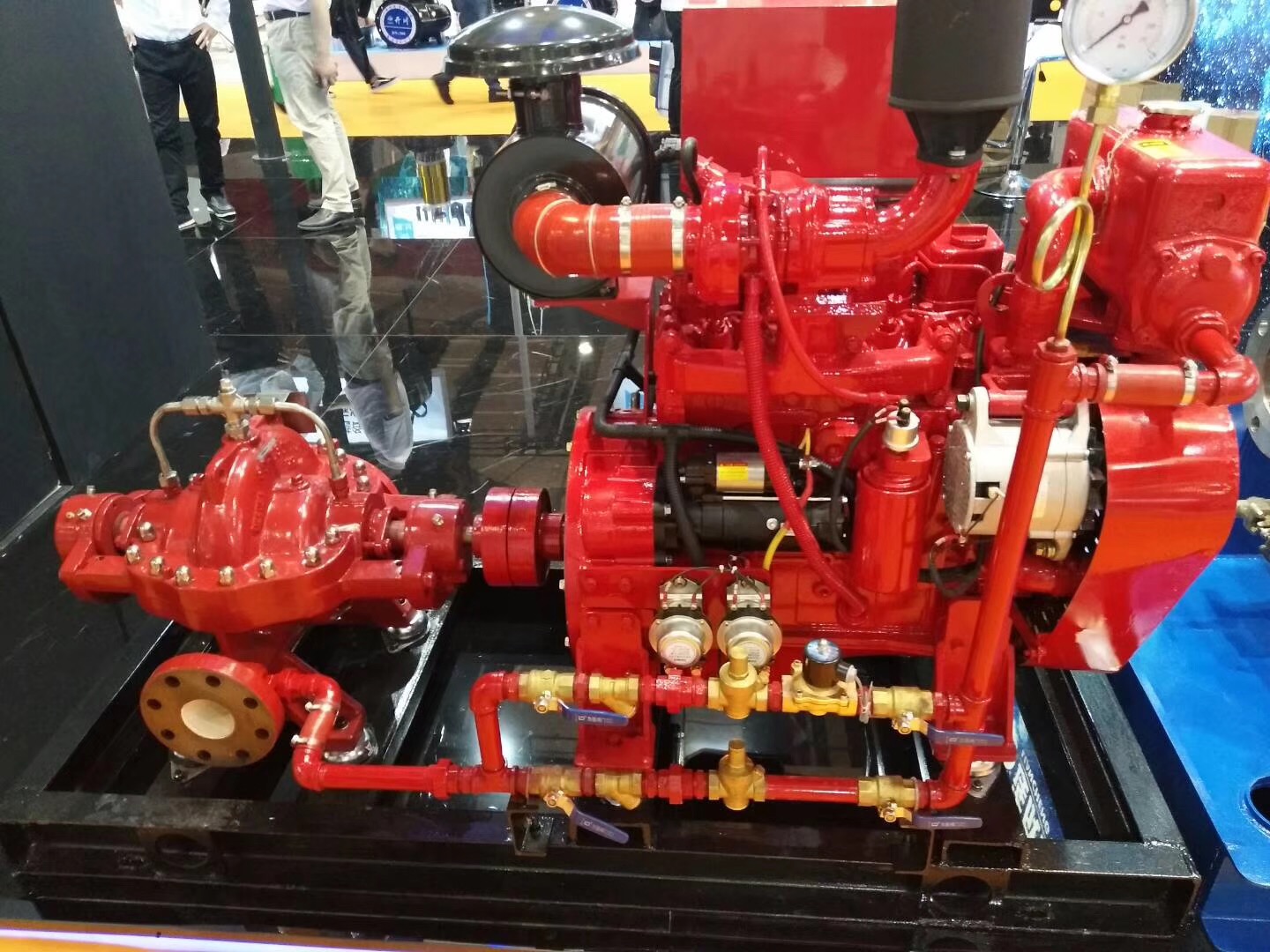
Interchangeable slurry pump parts represent a critical component within the broader fluid handling industry, specifically serving applications requiring the transport of abrasive or corrosive materials. These parts, designed for compatibility across multiple pump manufacturers utilizing standardized dimensions and materials, offer significant advantages in terms of reduced downtime, inventory simplification, and cost-effectiveness. Slurry pumps are predominantly used in mining, wastewater treatment, chemical processing, and oil & gas, where continuous and reliable operation is paramount. The performance of these pumps is heavily reliant on the longevity and efficient function of individual components – impellers, liners, volute casings, seals, and shafts – which are often subjected to severe wear and erosion. The growing demand for readily available, high-quality replacement parts drives the increasing prevalence of interchangeable designs, moving away from proprietary configurations. This guide will comprehensively explore the material science, manufacturing processes, performance characteristics, failure modes, and relevant industry standards governing interchangeable slurry pump parts.
Material Science & Manufacturing
The selection of materials for interchangeable slurry pump parts is dictated by the specific slurry composition being handled. High-chrome cast iron (typically 27-30% chromium) remains the most common material due to its excellent abrasion resistance and relatively low cost. However, for highly corrosive environments, duplex stainless steels (such as 2205 and 2507) are employed, offering superior resistance to pitting and crevice corrosion. Other materials include nickel-hard iron (for extreme abrasive service), ceramic materials (alumina, silicon carbide) for highly erosive applications, and rubber linings for applications requiring noise reduction and handling of fragile solids. Manufacturing processes vary depending on the part and material. Impellers and volute casings are commonly produced using sand casting followed by heat treatment to achieve desired hardness and toughness. Liners are often manufactured via rubber molding or through the application of ceramic tiles adhered with high-strength epoxy. Shafts are typically forged from alloy steel and subsequently machined to tight tolerances. Welding is frequently used for repair and fabrication, with processes like shielded metal arc welding (SMAW) and gas tungsten arc welding (GTAW) employed, demanding qualified welders and stringent quality control to maintain material integrity. Parameter control during casting, forging, and welding is critical; incorrect cooling rates can lead to residual stresses and premature failure. Material certifications, confirming adherence to ASTM standards, are essential for traceability and quality assurance.
Performance & Engineering
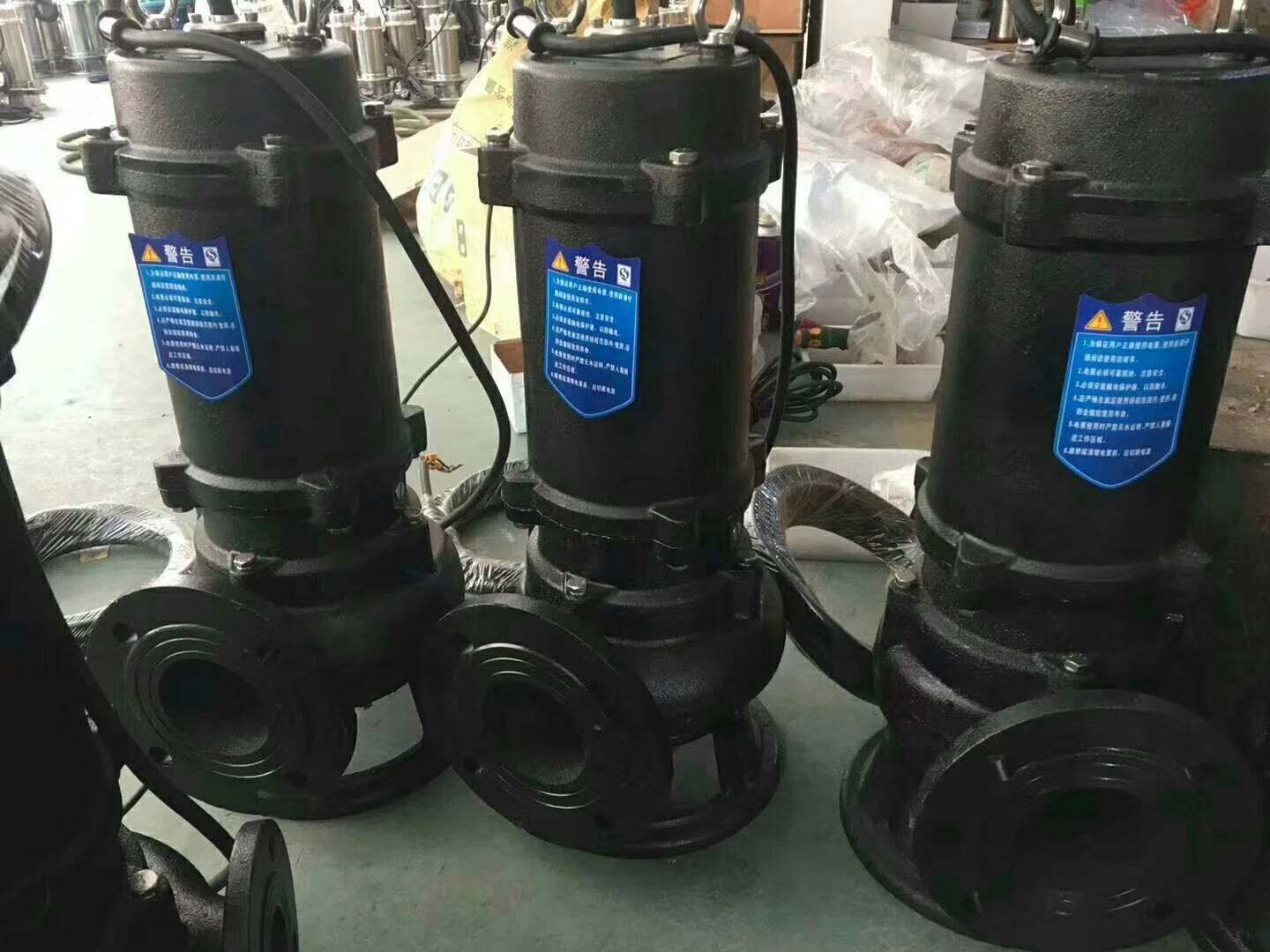
The performance of interchangeable slurry pump parts is intrinsically linked to hydraulic design and fluid mechanics. Impeller geometry – including vane angle, width, and number – significantly impacts pump head, flow rate, and efficiency. The volute casing is engineered to efficiently collect fluid discharged from the impeller and convert velocity energy into pressure energy. Critical engineering considerations include cavitation prevention, erosion control, and mechanical seal integrity. Cavitation, the formation and collapse of vapor bubbles, can cause severe damage to impeller surfaces. Proper impeller design and Net Positive Suction Head Required (NPSHr) calculations are crucial. Erosion is mitigated through material selection, surface hardening treatments (e.g., tungsten carbide coatings), and liner design. Mechanical seals prevent leakage and protect the pump shaft from slurry ingress. Seal materials (e.g., silicon carbide, tungsten carbide) must be compatible with the slurry composition. Force analysis, including centrifugal forces generated by the impeller and hydraulic forces acting on the casing, informs structural design and ensures component longevity. Compliance requirements, such as those outlined by API 610 (Centrifugal Pumps) and ISO 13709 (Petroleum and Natural Gas Industries – Pumps), dictate minimum performance standards and safety requirements. Finite element analysis (FEA) is commonly used to optimize component designs and predict stress concentrations.
Technical Specifications
| Parameter | High-Chrome Cast Iron | Duplex Stainless Steel (2205) | Ceramic (Alumina) | Rubber Lining (Natural Rubber) |
|---|---|---|---|---|
| Hardness (BHN) | 550-650 | 280-320 | 1500-2000 | 40-60 |
| Tensile Strength (MPa) | 500-700 | 700-900 | 300-400 | 15-30 |
| Corrosion Resistance | Moderate | Excellent | Excellent | Good (to many chemicals) |
| Abrasion Resistance | Excellent | Good | Outstanding | Moderate |
| Maximum Operating Temperature (°C) | 250 | 150 | 1000 | 80 |
| Density (g/cm³) | 7.2 | 8.0 | 3.9 | 1.2 |
Failure Mode & Maintenance
Interchangeable slurry pump parts are susceptible to various failure modes. Fatigue cracking, particularly in impellers and shafts, arises from cyclic loading and stress concentrations. Erosion, caused by the impact of solid particles, leads to material loss and dimensional changes. Corrosion, dependent on slurry chemistry, results in material degradation and pitting. Delamination, common in rubber liners, occurs when the rubber bond fails. Oxidation, affecting metallic components at elevated temperatures, reduces material strength. Wear of mechanical seals causes leakage and pump inefficiency. Failure analysis techniques, including visual inspection, metallography, and non-destructive testing (NDT) such as ultrasonic testing (UT) and liquid penetrant inspection (LPI), are employed to determine the root cause of failures. Preventative maintenance is crucial. Regular inspection of liners, impellers, and seals allows for timely replacement before catastrophic failure. Lubrication of bearings and seals reduces friction and wear. Proper alignment of pump components minimizes stress on shafts and seals. Periodic monitoring of pump performance parameters (flow rate, pressure, power consumption) can detect early signs of degradation. Implementing a robust maintenance schedule, coupled with proper component selection and operating practices, significantly extends the service life of interchangeable slurry pump parts.
Industry FAQ
Q: What is the primary benefit of using interchangeable slurry pump parts versus OEM-specific components?
A: The primary benefit is reduced inventory carrying costs and faster lead times. Maintaining stock of a smaller number of standardized parts, compatible across multiple pump models, simplifies logistics and minimizes downtime compared to sourcing proprietary parts from individual OEMs.
Q: How does material selection impact the lifespan of slurry pump parts in abrasive applications?
A: Material selection is paramount. High-chrome cast iron offers excellent abrasion resistance for many applications. However, for exceptionally abrasive slurries, ceramic materials like alumina or silicon carbide provide superior wear resistance, significantly extending component life, though at a higher initial cost.
Q: What are the key considerations when selecting a mechanical seal material for a corrosive slurry?
A: Seal material compatibility with the slurry’s chemical composition is crucial. Silicon carbide and tungsten carbide are commonly used for their excellent corrosion resistance. The pH of the slurry and the presence of specific corrosive agents (e.g., chlorides, sulfuric acid) must be considered during material selection.
Q: What role does impeller design play in mitigating cavitation damage?
A: Impeller design significantly impacts cavitation risk. Optimized vane angles and impeller geometry can reduce pressure drop and minimize the formation of vapor bubbles. Maintaining adequate NPSHr is also critical to prevent cavitation.
Q: What are the common non-destructive testing (NDT) methods used to assess the condition of slurry pump parts?
A: Common NDT methods include visual inspection for surface cracks, liquid penetrant inspection (LPI) to detect surface-breaking flaws, magnetic particle inspection (MPI) for detecting surface and near-surface defects, and ultrasonic testing (UT) to identify internal flaws and measure material thickness.
Conclusion
Interchangeable slurry pump parts represent a strategically advantageous solution for industries managing abrasive and corrosive fluid transfer. The selection of appropriate materials, adherence to rigorous manufacturing standards, and proactive maintenance practices are essential for maximizing component lifespan and minimizing operational costs. Understanding the interplay between material properties, hydraulic performance, and potential failure modes is crucial for optimizing pump system reliability and efficiency.
The continued evolution of material science, coupled with advancements in pump design and monitoring technologies, will further enhance the performance and longevity of interchangeable slurry pump parts. Adopting a holistic approach – encompassing careful part selection, predictive maintenance programs, and adherence to relevant industry standards – is key to realizing the full potential of this critical component within fluid handling systems.
-
Comprehensive Guide to Waterproof ORings for Optimal Sealing Solutions
News2026-06-09
-
drainage pumps Performance and Engineering
News2026-06-09
-
basement bathroom ejector pump Material Science
News2026-06-09
-
Sewer Ejector Pump Cost Performance Analysis
News2026-06-09
-
Septic Tank Pump Replacement Performance Analysis
News2026-06-09
-
septic sump pump Performance and Engineering
News2026-06-09
-
Septic Pump System Performance Analysis
News2026-06-08
-
pump for septic Material Science
News2026-06-08
-
basement sewer pump Performance Analysis
News2026-06-08
-
submerged pump Performance Engineering
News2026-06-08
-
Septic System Pumps Performance Analysis
News2026-06-08
-
septic system pump Material Science and Manufacturing
News2026-06-07
-
pump for septic tank Material Science Manufacturing
News2026-06-07
-
submersible sewage pump Material Science
News2026-06-07
-
Sewage Ejector Material Science and Manufacturing
News2026-06-07




