English
- Afrikaans
- Albanian
- Amharic
- Arabic
- Armenian
- Azerbaijani
- Basque
- Belarusian
- Bengali
- Bosnian
- Bulgarian
- Catalan
- Cebuano
- Corsican
- Croatian
- Czech
- Danish
- Dutch
- English
- Esperanto
- Estonian
- Finnish
- French
- Frisian
- Galician
- Georgian
- German
- Greek
- Gujarati
- Haitian Creole
- hausa
- hawaiian
- Hebrew
- Hindi
- Miao
- Hungarian
- Icelandic
- igbo
- Indonesian
- irish
- Italian
- Japanese
- Javanese
- Kannada
- kazakh
- Khmer
- Rwandese
- Korean
- Kurdish
- Kyrgyz
- Lao
- Latin
- Latvian
- Lithuanian
- Luxembourgish
- Macedonian
- Malgashi
- Malay
- Malayalam
- Maltese
- Maori
- Marathi
- Mongolian
- Myanmar
- Nepali
- Norwegian
- Norwegian
- Occitan
- Pashto
- Persian
- Polish
- Portuguese
- Punjabi
- Romanian
- Russian
- Samoan
- Scottish Gaelic
- Serbian
- Sesotho
- Shona
- Sindhi
- Sinhala
- Slovak
- Slovenian
- Somali
- Spanish
- Sundanese
- Swahili
- Swedish
- Tagalog
- Tajik
- Tamil
- Tatar
- Telugu
- Thai
- Turkish
- Turkmen
- Ukrainian
- Urdu
- Uighur
- Uzbek
- Vietnamese
- Welsh
- Bantu
- Yiddish
- Yoruba
- Zulu

Telephone: +86 13120555503
Email: frank@cypump.com


Apr . 01, 2024 17:55 Back to list
industrial chemical pumps Material Science Manufacturing
Introduction
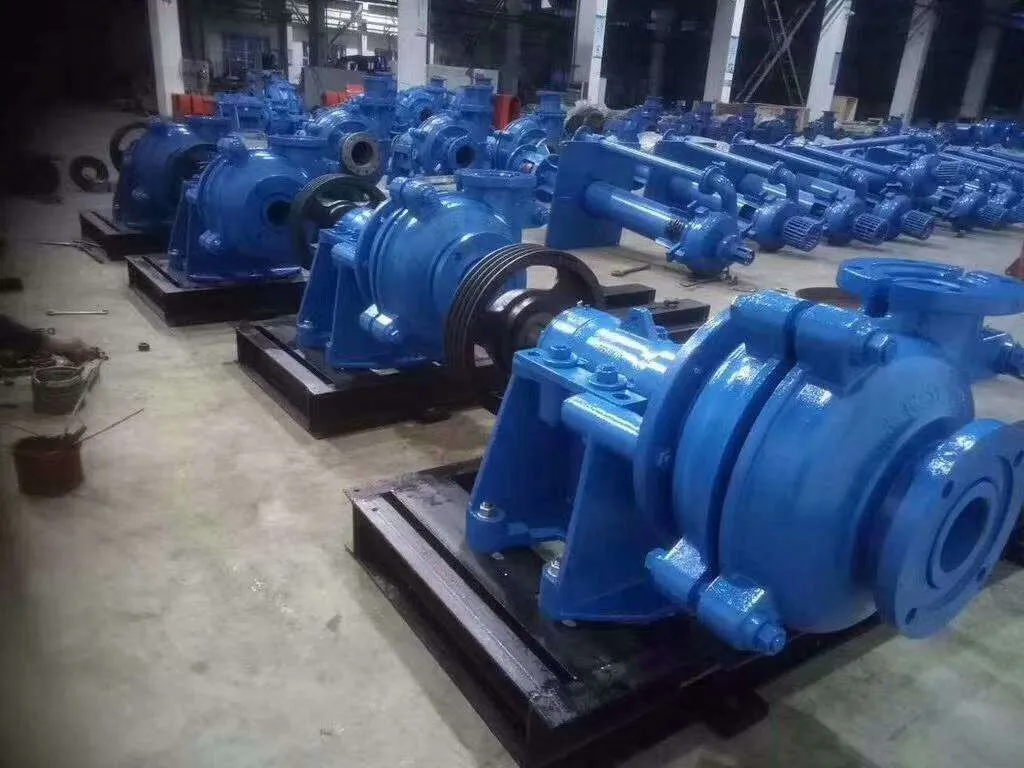
Industrial chemical pumps are engineered systems designed for the reliable and efficient transfer of corrosive, abrasive, and hazardous fluids. Positioned as critical components within larger chemical processing, water treatment, pharmaceutical manufacturing, and oil & gas applications, these pumps represent a significant capital expenditure and contribute directly to operational safety and process efficiency. Unlike general-purpose pumps, chemical pumps are specifically constructed using materials and designs capable of withstanding the aggressive nature of the chemicals they handle. Core performance characteristics are defined by flow rate (gallons per minute or liters per hour), head (the maximum height a pump can lift a fluid), materials of construction (dictating chemical compatibility), and sealing mechanisms (preventing leakage and ensuring environmental containment). The selection of a suitable chemical pump is paramount, as improper material selection or inadequate design can lead to catastrophic failure, environmental damage, and production downtime, constituting a primary pain point for process engineers and procurement managers.
Material Science & Manufacturing
The performance and longevity of industrial chemical pumps are inextricably linked to the material science underpinning their construction. Common wetted parts materials include Polypropylene (PP) offering good resistance to acids and alkalis, Polyvinylidene Fluoride (PVDF) exhibiting excellent chemical resistance across a broad spectrum, Polytetrafluoroethylene (PTFE, Teflon) providing near-universal chemical inertness but with limitations in mechanical strength, and various stainless steel alloys (316, 316L) offering corrosion resistance determined by the specific alloy composition and the chemical environment. Pump housings are frequently manufactured from cast iron, stainless steel, or engineered polymers. Manufacturing processes vary based on pump type and size. Centrifugal pumps commonly utilize investment casting for complex impeller geometries, followed by precision machining. Positive displacement pumps, like diaphragm pumps, employ injection molding for the diaphragm and housings. Sealless magnetic drive pumps rely on magnetic coupling, demanding precise alignment and encapsulation of the magnet components. Key parameter control during manufacturing includes maintaining tight tolerances on impeller balance (minimizing vibration), surface finish (reducing friction and enhancing chemical resistance), and weld integrity (for metallic components). Failure to control these parameters directly impacts pump efficiency, lifespan, and potential for failure. Chemical compatibility charts are extensively used to validate material selection against the specific chemical being pumped, considering concentration, temperature, and pressure.
Performance & Engineering
Performance engineering of industrial chemical pumps necessitates a comprehensive understanding of fluid dynamics and mechanical stress analysis. Cavitation, a primary concern, occurs when the absolute pressure at the pump inlet drops below the liquid’s vapor pressure, forming vapor bubbles that implode and damage the impeller. This is mitigated by proper Net Positive Suction Head Available (NPSHa) calculations and ensuring the pump is adequately submerged. Force analysis focuses on the stresses imposed on the pump components by fluid pressure, mechanical loads, and thermal expansion/contraction. Finite Element Analysis (FEA) is frequently employed to optimize component geometry and material selection to withstand these stresses. Environmental resistance encompasses not only chemical compatibility but also temperature extremes and atmospheric conditions. Pumps operating in outdoor environments require appropriate seals, coatings, and materials to prevent corrosion and degradation. Compliance requirements are stringent, particularly in industries like pharmaceutical and food processing. Pumps must meet standards for hygienic design (3-A Sanitary Standards), leakage prevention (API 682), and materials traceability (USP Class VI). Hydraulic Institute (HI) standards provide benchmarks for pump performance testing and classification. Proper pump sizing is critical; an undersized pump will not meet process demands, while an oversized pump can lead to energy waste and operational inefficiencies.
Technical Specifications
| Parameter | Centrifugal Pump (PP) | Diaphragm Pump (PVDF) | Magnetic Drive Pump (PTFE Lined) | Gear Pump (316 SS) |
|---|---|---|---|---|
| Flow Rate (GPM) | 0-300 | 0-100 | 0-60 | 0-50 |
| Head (ft) | 0-150 | 0-80 | 0-100 | 0-200 |
| Temperature Range (°F) | 32-194 | 32-212 | 20-200 | 32-250 |
| Viscosity (cP) | <50 | <500 | <100 | <1000 |
| Solids Handling (particle size, mm) | <1 | <6 | <1 | <0.5 |
| Sealing Type | Mechanical Seal | Diaphragm/Air Operated | Mag Drive (Sealless) | Lip Seal |
Failure Mode & Maintenance
Industrial chemical pumps are susceptible to a variety of failure modes. Corrosion, particularly pitting corrosion in stainless steel, is a common issue arising from improper material selection or exposure to aggressive chemicals. Fatigue cracking can occur in impeller blades or pump housings due to cyclical loading and stress concentration. Diaphragm pumps can experience diaphragm rupture due to overpressure or chemical attack. Seals are prone to wear and leakage, particularly in abrasive slurries. Cavitation, as previously mentioned, causes significant impeller damage. Bearing failure in gear pumps is often a result of inadequate lubrication or contamination. Preventive maintenance is crucial. Regular visual inspections for leaks, corrosion, and unusual noises are essential. Scheduled bearing lubrication, seal replacement, and diaphragm checks extend pump lifespan. Vibration analysis can detect early signs of imbalance or misalignment. Routine performance monitoring (flow rate, pressure) identifies deviations from baseline operation. In the event of failure, root cause analysis is critical to prevent recurrence. This involves examining the failed component, analyzing the fluid being pumped, and reviewing operating parameters.
Industry FAQ
Q: What is the primary difference between a centrifugal pump and a positive displacement pump for chemical applications?
A: Centrifugal pumps excel at handling large volumes of low-viscosity fluids and are generally less expensive. However, their flow rate decreases with increasing viscosity and discharge pressure. Positive displacement pumps (like diaphragm or gear pumps) maintain a consistent flow rate regardless of viscosity or pressure, making them ideal for viscous fluids, metering applications, and high-pressure systems, but they typically have lower flow rates and are more complex.
Q: How do I determine the appropriate material of construction for a specific chemical?
A: Chemical compatibility charts are the starting point, but they provide generalized guidance. Consult with material specialists and consider the chemical concentration, temperature, pressure, and potential for abrasion. Pilot testing with a small sample of the chemical and proposed material is highly recommended to confirm compatibility.
Q: What are the benefits of a sealless magnetic drive pump?
A: Sealless magnetic drive pumps eliminate the risk of leakage associated with mechanical seals, reducing environmental concerns and improving safety. They are particularly well-suited for handling hazardous or expensive chemicals. However, they typically have lower flow rates and are more expensive than mechanically sealed pumps.
Q: What is NPSHa and why is it important?
A: NPSHa (Net Positive Suction Head Available) is a measure of the absolute pressure at the pump inlet. It must exceed the pump’s NPSHr (Net Positive Suction Head Required) to prevent cavitation. Insufficient NPSHa leads to cavitation damage and reduced pump performance.
Q: What preventative maintenance should be performed on a diaphragm pump?
A: Regularly inspect the diaphragm for cracks or leaks. Check and tighten all connections. Verify the air supply is clean and dry. Replace the diaphragm according to the manufacturer’s recommended schedule. Inspect and lubricate any moving parts.
Conclusion
The selection, operation, and maintenance of industrial chemical pumps demand a nuanced understanding of material science, fluid dynamics, and engineering principles. Choosing the correct pump type and materials of construction is paramount to ensuring reliable operation, preventing catastrophic failures, and maintaining a safe working environment. Proactive preventative maintenance, coupled with regular performance monitoring, significantly extends pump lifespan and minimizes costly downtime.
Future trends in industrial chemical pump technology include the development of advanced materials with enhanced chemical resistance, the integration of smart sensors for predictive maintenance, and the optimization of pump designs for improved energy efficiency. Adherence to relevant industry standards and best practices remains crucial for ensuring the safe and efficient transfer of critical chemical fluids.
-
Precision at the Pump: How Better Machining Protects Flow and Uptime
News2026-11-20
-
Why Pump Reliability Begins Before the First Drop of Fluid
News2026-11-20
-
Beyond the Pump: Designing Safer Access Around Critical Water Infrastructure
News2026-11-20
-
Why Pumping Stations Depend on the Infrastructure Beneath the Pumps
News2026-11-20
-
Beyond the Pump Room: How Smarter Loading Protects Industrial Equipment
News2026-11-19
-
When Pumps Stop: Designing More Resilient Power for Critical Pumping Systems
News2026-11-19
-
The Hidden Role of Dust and Gas Monitoring in Reliable Pump Operations
News2026-11-19
-
The Hidden Role of Mineral Compounds in Extending Industrial Pump Lifespan
News2026-10-12
-
Why Pump System Reliability Depends on Precision Hose Assembly Methods
News2026-09-15
-
How Advanced Imaging Films Are Transforming Pump Component Quality Control
News2026-08-25
-
How Advanced Filtration Protects Pump Systems from Premature Wear and Costly Downtime
News2026-08-25
-
How Steel Material Selection Drives Pump Reliability in Heavy-Duty Systems
News2026-08-25
-
Ensuring Pump System Efficiency: The Role of High-Quality Pipe Fittings and Tubing
News2026-08-24
-
Optimizing Fluid Dynamics and Material Consistency in Industrial Processing
News2026-08-18
-
Innovations and Challenges in Hydraulic Systems for Heavy Machinery
News2026-08-13




