English
- Afrikaans
- Albanian
- Amharic
- Arabic
- Armenian
- Azerbaijani
- Basque
- Belarusian
- Bengali
- Bosnian
- Bulgarian
- Catalan
- Cebuano
- Corsican
- Croatian
- Czech
- Danish
- Dutch
- English
- Esperanto
- Estonian
- Finnish
- French
- Frisian
- Galician
- Georgian
- German
- Greek
- Gujarati
- Haitian Creole
- hausa
- hawaiian
- Hebrew
- Hindi
- Miao
- Hungarian
- Icelandic
- igbo
- Indonesian
- irish
- Italian
- Japanese
- Javanese
- Kannada
- kazakh
- Khmer
- Rwandese
- Korean
- Kurdish
- Kyrgyz
- Lao
- Latin
- Latvian
- Lithuanian
- Luxembourgish
- Macedonian
- Malgashi
- Malay
- Malayalam
- Maltese
- Maori
- Marathi
- Mongolian
- Myanmar
- Nepali
- Norwegian
- Norwegian
- Occitan
- Pashto
- Persian
- Polish
- Portuguese
- Punjabi
- Romanian
- Russian
- Samoan
- Scottish Gaelic
- Serbian
- Sesotho
- Shona
- Sindhi
- Sinhala
- Slovak
- Slovenian
- Somali
- Spanish
- Sundanese
- Swahili
- Swedish
- Tagalog
- Tajik
- Tamil
- Tatar
- Telugu
- Thai
- Turkish
- Turkmen
- Ukrainian
- Urdu
- Uighur
- Uzbek
- Vietnamese
- Welsh
- Bantu
- Yiddish
- Yoruba
- Zulu

Telephone: +86 13120555503
Email: frank@cypump.com


Apr . 01, 2024 17:55 Back to list
ih chemical centrifugal pump price Performance Analysis
Introduction
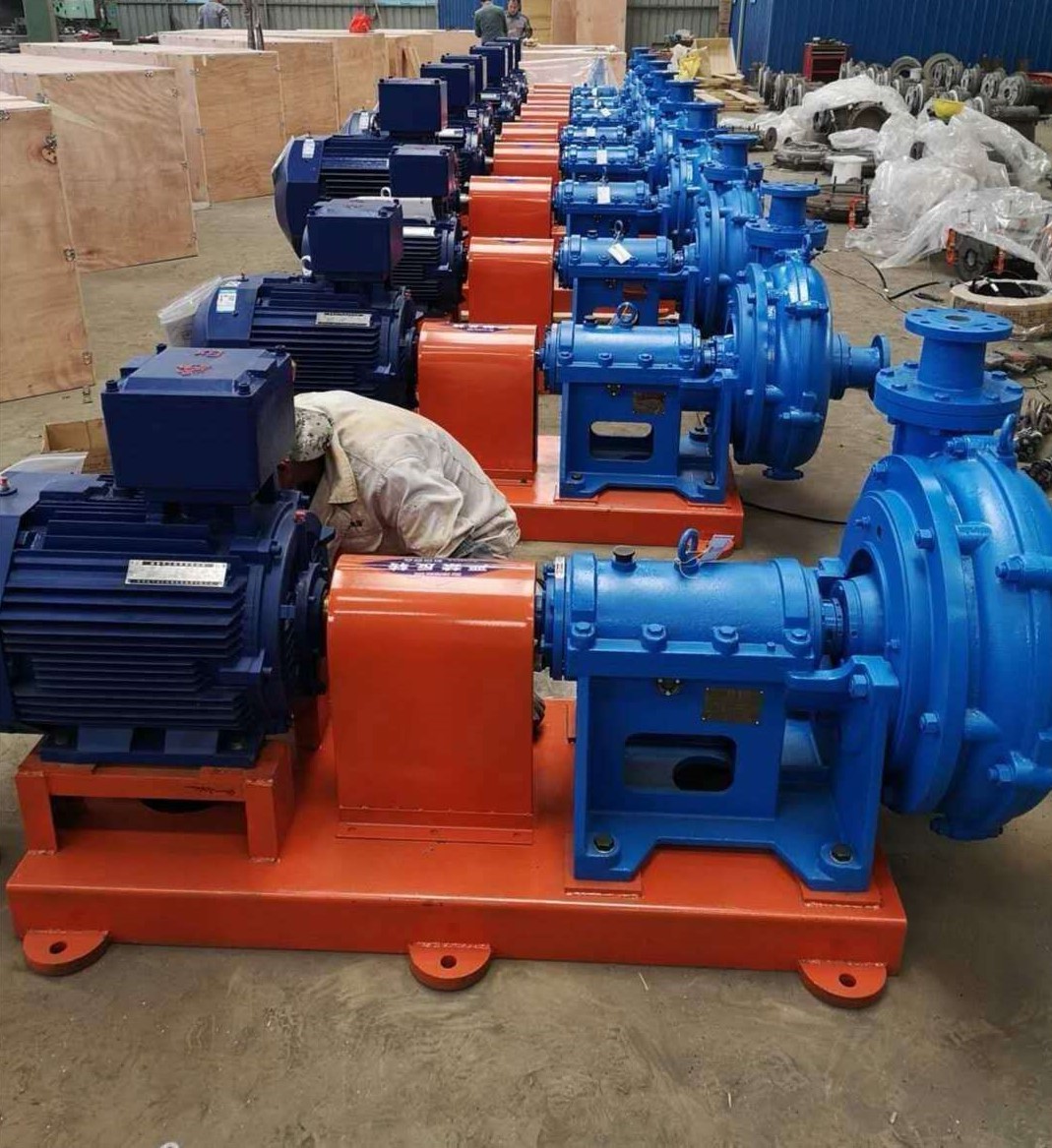
The IH chemical centrifugal pump represents a critical component in numerous industrial processes requiring the transfer of corrosive and abrasive fluids. Positioned within the chemical processing, pharmaceutical, environmental, and water treatment industries, these pumps are engineered to handle a wide range of chemical compositions, varying viscosities, and temperature profiles. Unlike standard centrifugal pumps, IH pumps utilize specialized materials of construction and hydraulic designs to mitigate corrosion, erosion, and leakage risks. Their core performance characteristics – flow rate, head pressure, and efficiency – are dictated by impeller geometry, casing design, and sealing mechanisms. A key pain point in the industry is ensuring long-term reliability and minimizing downtime due to pump failure, particularly when handling aggressive chemicals. This guide provides an in-depth technical overview of IH chemical centrifugal pumps, covering materials, manufacturing, performance, failure modes, and relevant industry standards.
Material Science & Manufacturing
The selection of materials is paramount in IH chemical centrifugal pump construction due to the corrosive nature of transported fluids. Pump casings are commonly fabricated from stainless steels (316, 316L, Duplex Stainless Steel), alloy 20, or specialized polymers like PTFE (Polytetrafluoroethylene) and PVDF (Polyvinylidene Fluoride) depending on the chemical compatibility requirements. Impellers are frequently constructed from similar materials to the casing, but may also utilize Hastelloy alloys or ceramics for enhanced abrasion resistance in slurries. Shafts are typically made from stainless steel, hardened to provide resistance to torsional stress and wear. Seals are a critical component, and options include mechanical seals with various face materials (silicon carbide, tungsten carbide, PTFE) and elastomers (Viton, EPDM, PTFE) chosen based on fluid compatibility and temperature range.
Manufacturing processes involve precision casting for casings and impellers, followed by machining to ensure accurate dimensional tolerances and smooth surface finishes. Welding is frequently employed for joining casing components and attaching piping connections, requiring qualified welders and stringent quality control procedures to prevent defects and maintain corrosion resistance. Impeller balancing is crucial to minimize vibration and ensure stable operation. For polymer casings, injection molding or thermoforming processes are used, requiring precise temperature and pressure control to achieve the desired material properties. Post-machining operations include surface treatment, such as passivation for stainless steel components, to enhance corrosion resistance. Quality assurance includes hydrostatic testing, non-destructive examination (NDE) such as radiography and ultrasonic testing, and material certification to verify compliance with specifications.
Performance & Engineering
The performance of an IH chemical centrifugal pump is governed by principles of fluid dynamics and hydraulic design. The pump’s head (pressure generated) is proportional to the square of the impeller’s rotational speed. Flow rate is directly proportional to the impeller’s diameter and speed. Pump efficiency is affected by factors such as impeller design, casing geometry, and internal clearances. Force analysis considers both static and dynamic loads, including fluid pressure, impeller weight, and bearing loads. Stress analysis using Finite Element Analysis (FEA) is crucial to verify the structural integrity of the pump casing and impeller under operating conditions.
Environmental resistance is achieved through material selection and sealing design. Pumps handling highly corrosive fluids require materials with high chemical inertness. Temperature control is vital to prevent material degradation and maintain seal performance. Compliance requirements vary depending on the application and geographical location. For example, pumps used in food processing must comply with 3-A Sanitary Standards. Pumps used in explosive environments must meet ATEX or IECEx standards for explosion protection. Functional implementation often involves integrating the pump into a larger system, including piping, valves, instrumentation, and control systems. Proper alignment and support are essential to prevent vibration and ensure long-term reliability. Cavitation, a phenomenon caused by low suction pressure, is a major concern and must be avoided through proper system design and pump selection.
Technical Specifications
| Parameter | Unit | Typical Value (Range) | Material Options |
|---|---|---|---|
| Flow Rate | m³/h | 1 – 500 | Pump design dependent |
| Head | m | 5 – 150 | Pump design dependent |
| Operating Pressure | bar | 0.5 – 20 | Material and design dependent |
| Temperature Range | °C | -30 – 180 | Seal and material dependent |
| Power | kW | 0.5 – 100 | Pump size dependent |
| Seal Type | - | Mechanical Seal, Packing | Material dependent on fluid |
Failure Mode & Maintenance
Common failure modes in IH chemical centrifugal pumps include corrosion-induced erosion of impellers and casings, seal failures leading to leakage, bearing failures due to inadequate lubrication or overloading, and cavitation damage. Corrosion manifests as pitting, crevice corrosion, and stress corrosion cracking. Seal failures can result from chemical incompatibility, temperature extremes, or abrasive particles. Bearing failures are often caused by lack of lubrication, contamination, or excessive loads. Cavitation leads to impeller erosion and reduced pump performance. Fatigue cracking can occur in pump components subjected to cyclic loading.
Preventive maintenance is critical to extend pump life and minimize downtime. Regular inspection of pump components for signs of corrosion, erosion, and wear is essential. Lubrication of bearings should be performed according to manufacturer’s recommendations. Seal condition should be monitored regularly and replaced as needed. Proper system alignment and support are crucial to prevent vibration and bearing failure. Periodic performance monitoring, including flow rate, head, and power consumption, can help detect early signs of degradation. Corrective maintenance involves repairing or replacing failed components. Corrosion-resistant coatings can be applied to pump components to enhance their durability. Root cause analysis should be performed on failures to identify and address underlying issues.
Industry FAQ
Q: What are the key considerations when selecting a material for a pump handling concentrated sulfuric acid?
A: Sulfuric acid is highly corrosive, particularly at elevated temperatures. Material selection requires careful consideration of acid concentration, temperature, and velocity. Typically, Alloy 20 or PTFE-lined pumps are recommended. Stainless steels are generally not suitable for highly concentrated sulfuric acid, especially at higher temperatures, due to rapid corrosion rates. The chemical resistance chart of the specific alloy or polymer must be consulted.
Q: How can cavitation be prevented in an IH pump handling a low-NPSHa fluid?
A: Cavitation occurs when the absolute pressure at the pump suction falls below the vapor pressure of the fluid. To prevent it with a low NPSHa (Net Positive Suction Head available) fluid, reduce the fluid velocity in the suction piping, increase the suction pipe diameter, elevate the pump relative to the fluid source, and/or lower the fluid temperature. Consider using an inducer to increase the suction pressure.
Q: What are the advantages of using a mechanical seal over packing in an IH pump application?
A: Mechanical seals offer superior sealing performance compared to packing, resulting in reduced leakage and lower maintenance costs. They provide a tighter seal, minimize fluid loss, and require less frequent adjustment. However, mechanical seals are more sensitive to abrasive particles and require proper lubrication and compatibility with the pumped fluid.
Q: What is the typical lifespan of a mechanical seal in a pump handling a slurry with abrasive particles?
A: The lifespan of a mechanical seal in a slurry application is significantly reduced due to abrasive wear. Expect a lifespan ranging from several months to a year, depending on the particle size, concentration, and velocity. Using hardened seal faces (silicon carbide or tungsten carbide) and employing a flush system to remove abrasive particles can extend seal life.
Q: What are the important factors to consider when specifying a pump for handling highly viscous fluids?
A: Handling highly viscous fluids requires a pump with a larger impeller diameter and lower speed to generate sufficient head. The pump’s power consumption will be higher. Consider using a positive displacement pump if the viscosity is extremely high. Ensure the pump casing is designed to minimize shear forces that can degrade the fluid. The NPSH requirements will be affected by viscosity, increasing the risk of cavitation.
Conclusion
IH chemical centrifugal pumps are indispensable tools in industries handling corrosive and abrasive fluids. Their effective operation relies heavily on careful material selection, precise manufacturing processes, and a thorough understanding of fluid dynamics. Addressing the potential for corrosion, erosion, and cavitation through appropriate design and maintenance practices is crucial for ensuring long-term reliability and minimizing downtime. The economic implications of pump failure necessitate a proactive approach to maintenance and performance monitoring.
Future advancements in IH pump technology will likely focus on the development of new materials with enhanced corrosion resistance, improved sealing technologies, and more sophisticated monitoring systems. Incorporating predictive maintenance strategies based on real-time data analysis will further optimize pump performance and reduce life-cycle costs. The increasing emphasis on sustainability will also drive the development of more energy-efficient pump designs.
-
Precision at the Pump: How Better Machining Protects Flow and Uptime
News2026-11-20
-
Why Pump Reliability Begins Before the First Drop of Fluid
News2026-11-20
-
Beyond the Pump: Designing Safer Access Around Critical Water Infrastructure
News2026-11-20
-
Why Pumping Stations Depend on the Infrastructure Beneath the Pumps
News2026-11-20
-
Beyond the Pump Room: How Smarter Loading Protects Industrial Equipment
News2026-11-19
-
When Pumps Stop: Designing More Resilient Power for Critical Pumping Systems
News2026-11-19
-
The Hidden Role of Dust and Gas Monitoring in Reliable Pump Operations
News2026-11-19
-
The Hidden Role of Mineral Compounds in Extending Industrial Pump Lifespan
News2026-10-12
-
Why Pump System Reliability Depends on Precision Hose Assembly Methods
News2026-09-15
-
How Advanced Imaging Films Are Transforming Pump Component Quality Control
News2026-08-25
-
How Advanced Filtration Protects Pump Systems from Premature Wear and Costly Downtime
News2026-08-25
-
How Steel Material Selection Drives Pump Reliability in Heavy-Duty Systems
News2026-08-25
-
Ensuring Pump System Efficiency: The Role of High-Quality Pipe Fittings and Tubing
News2026-08-24
-
Optimizing Fluid Dynamics and Material Consistency in Industrial Processing
News2026-08-18
-
Innovations and Challenges in Hydraulic Systems for Heavy Machinery
News2026-08-13




