English
- Afrikaans
- Albanian
- Amharic
- Arabic
- Armenian
- Azerbaijani
- Basque
- Belarusian
- Bengali
- Bosnian
- Bulgarian
- Catalan
- Cebuano
- Corsican
- Croatian
- Czech
- Danish
- Dutch
- English
- Esperanto
- Estonian
- Finnish
- French
- Frisian
- Galician
- Georgian
- German
- Greek
- Gujarati
- Haitian Creole
- hausa
- hawaiian
- Hebrew
- Hindi
- Miao
- Hungarian
- Icelandic
- igbo
- Indonesian
- irish
- Italian
- Japanese
- Javanese
- Kannada
- kazakh
- Khmer
- Rwandese
- Korean
- Kurdish
- Kyrgyz
- Lao
- Latin
- Latvian
- Lithuanian
- Luxembourgish
- Macedonian
- Malgashi
- Malay
- Malayalam
- Maltese
- Maori
- Marathi
- Mongolian
- Myanmar
- Nepali
- Norwegian
- Norwegian
- Occitan
- Pashto
- Persian
- Polish
- Portuguese
- Punjabi
- Romanian
- Russian
- Samoan
- Scottish Gaelic
- Serbian
- Sesotho
- Shona
- Sindhi
- Sinhala
- Slovak
- Slovenian
- Somali
- Spanish
- Sundanese
- Swahili
- Swedish
- Tagalog
- Tajik
- Tamil
- Tatar
- Telugu
- Thai
- Turkish
- Turkmen
- Ukrainian
- Urdu
- Uighur
- Uzbek
- Vietnamese
- Welsh
- Bantu
- Yiddish
- Yoruba
- Zulu

Telephone: +86 13120555503
Email: frank@cypump.com


Apr . 01, 2024 17:55 Back to list
idb35 slurry pump Technical Performance Analysis
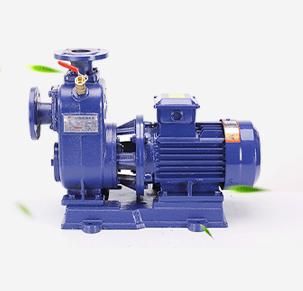
idb35 slurry pump Technical Performance Analysis
The idb35 slurry pump is a heavy-duty, single-stage centrifugal pump specifically engineered for the transport of high-density abrasive slurries, tailings, and mineral concentrates. Positioned as a critical asset in the mid-stream of the mining and mineral processing industry chain, the idb35 is designed to balance high volumetric flow rates with significant head pressure while mitigating the destructive effects of erosive wear. Its technical architecture focuses on the management of fluid dynamics involving non-Newtonian fluids, where the concentration of solid particles significantly alters viscosity and turbulence. The core performance of the idb35 is defined by its ability to maintain a stable Net Positive Suction Head (NPSH) under fluctuating slurry densities, ensuring that cavitation is minimized even when handling particles with high specific gravities. By integrating advanced hydraulic design with wear-resistant metallurgy, the idb35 provides a robust solution for demanding industrial environments such as gold, copper, and iron ore processing plants.
Material Science & Manufacturing
The operational longevity of the idb35 slurry pump is fundamentally dependent on the material science applied to its wetted parts. Given the extreme abrasive nature of slurry, the pump employs high-chrome white irons (ASTM A532) and natural rubber liners. High-chrome alloys, typically containing 25% to 28% chromium, form hard M7C3 carbides within a martensitic matrix, providing the necessary hardness (HRC 60-65) to resist micro-cutting and plowing by abrasive quartz or pyrite particles. For applications involving finer particles but higher velocities, polyurethane or natural rubber liners are utilized; these materials leverage elastomeric deformation to absorb the kinetic energy of impacting particles, thereby preventing the brittle fracture associated with metallic components.
Manufacturing the idb35 involves precision investment casting for the impeller and volute to ensure minimal surface roughness, which reduces turbulence and localized erosion. The impeller is subjected to dynamic balancing according to ISO 1940-1 standards to eliminate vibrational stress on the bearings and mechanical seals. A critical manufacturing parameter is the control of the "wear allowance" or clearance between the impeller and the suction liner; these are calibrated to microns to prevent internal recirculation (leakage), which would otherwise accelerate wear through high-velocity vortexes. The shaft is typically forged from 42CrMo alloy steel, heat-treated to achieve a high yield strength and fatigue limit, ensuring it can withstand the radial and axial loads imposed by unbalanced slurry distribution within the casing.
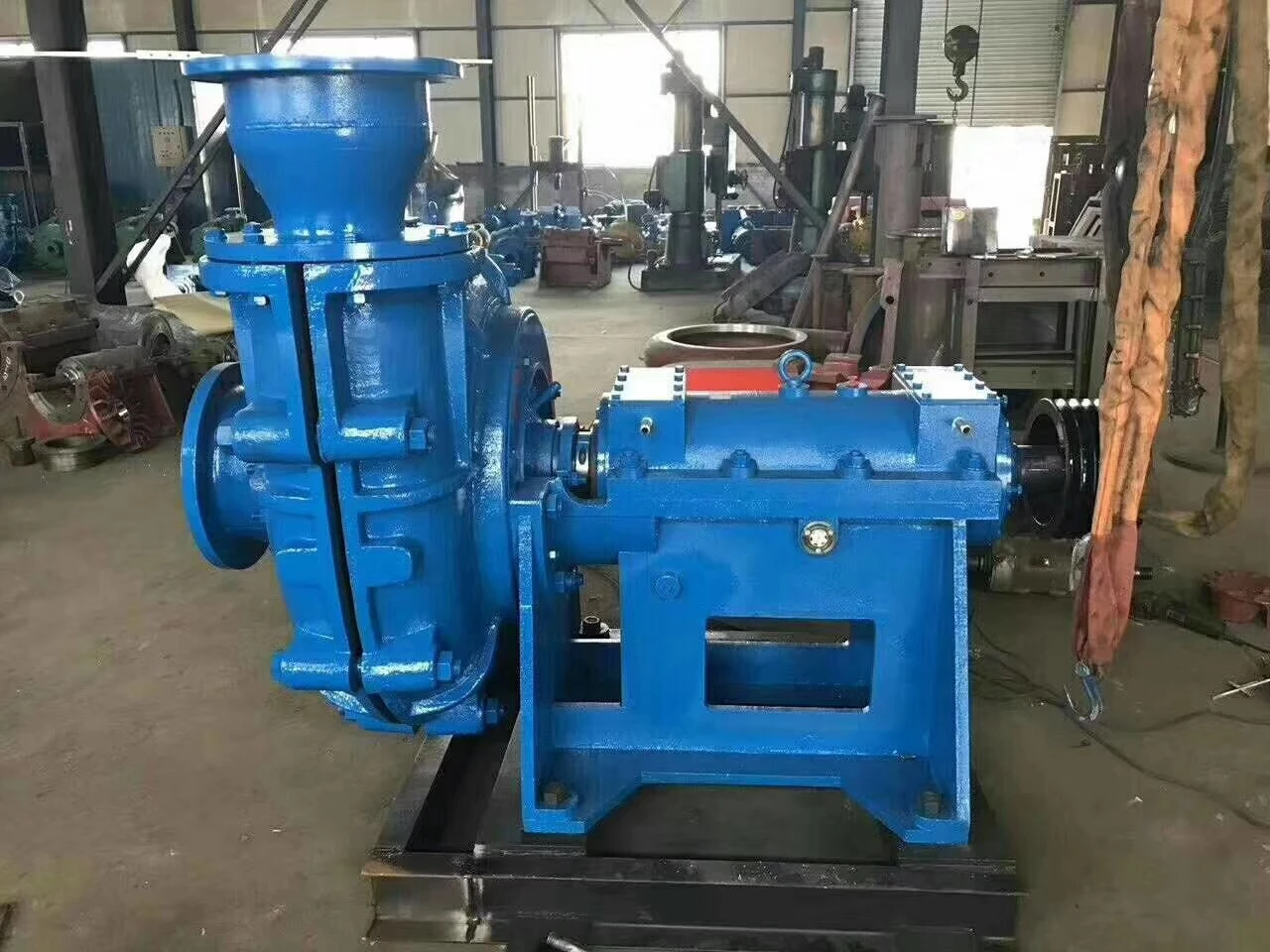
Performance & Engineering
Engineering the idb35 requires a deep understanding of slurry rheology and force analysis. The pump operates on the principle of centrifugal force, where the kinetic energy imparted by the impeller is converted into pressure energy in the volute. A primary engineering challenge is the "critical settling velocity"; if the flow velocity drops below a certain threshold, solid particles precipitate, leading to blockages and asymmetric loading on the impeller. To counter this, the idb35 utilizes a wide-channel impeller design that minimizes shear stress and maintains a homogenous suspension of solids.
Environmental resistance is achieved through a modular sealing system. The idb35 typically employs a gland packing system or a mechanical seal with an external flushing arrangement (API Plan 32 or 54) to prevent slurry ingress into the bearing housing. From a compliance perspective, the pump is designed to meet the rigorous demands of continuous 24/7 operation. The force analysis considers the hydraulic thrust and the impact of "slugging"—the sudden arrival of high-density material—which can cause momentary torque spikes. The motor and drive coupling are sized with a service factor of 1.2 to 1.5 to accommodate these transient loads without triggering thermal overloads or mechanical failure. Furthermore, the pump's efficiency is optimized through CFD (Computational Fluid Dynamics) modeling to reduce the "recirculation zones" where abrasive wear is typically concentrated.
Technical Specifications
| Parameter Dimension | Standard Specification | High-Wear Configuration | Operational Tolerance |
|---|---|---|---|
| Nominal Diameter | 350 mm | 350 mm (Reinforced) | ± 0.5 mm |
| Max Flow Rate | 1200 m³/h | 1000 m³/h | ± 5% |
| Max Discharge Head | 65 m | 55 m | ± 2 m |
| Impeller Material | High-Chrome Alloy (27% Cr) | Ceramic Insert Composite | HRC 62-66 |
| Max Solid Particle Size | 80 mm | 60 mm | Variable |
| Shaft Power Requirement | 250 kW - 400 kW | 300 kW - 450 kW | η ≥ 72% |
Failure Mode & Maintenance
Failure analysis of the idb35 slurry pump generally reveals three primary modes: abrasive erosion, cavitation-induced pitting, and fatigue cracking of the shaft. Abrasive erosion typically manifests as "wall thinning" in the volute and "trailing edge wear" on the impeller vanes. This occurs when the relative velocity between the slurry and the metal surface exceeds the critical erosion threshold. Maintenance protocols require the use of ultrasonic thickness gauging to monitor liner wear, allowing for scheduled replacements before the pressure boundary is compromised.
Cavitation occurs when the NPSH available falls below the NPSH required, typically due to clogged suction strainers or excessive slurry viscosity. This creates vapor bubbles that collapse violently against the impeller surface, causing localized pitting that looks like "sponge" damage. To mitigate this, engineers must ensure the pump is primed and the suction lift is minimized. Fatigue cracking in the shaft is often a result of misalignment or severe vibration caused by an unbalanced impeller. Maintenance involves quarterly laser alignment of the pump-motor assembly and vibration analysis using FFT (Fast Fourier Transform) to detect bearing degradation or shaft eccentricity before catastrophic failure occurs. Lubrication systems must be monitored for contaminant ingress, as slurry particles in the bearing oil act as a grinding paste, rapidly destroying the rolling elements.
Industry FAQ
Q: How does the idb35 handle fluctuations in slurry concentration (percent solids by weight)?
A: The idb35 is designed with a wide hydraulic margin. However, as the percentage of solids increases, the fluid viscosity rises, which increases the friction loss and decreases the pump's head capacity. We recommend utilizing a Variable Frequency Drive (VFD) to adjust the pump speed in real-time to maintain the required volumetric flow rate during concentration spikes.
Q: What is the recommended replacement cycle for the high-chrome liners?
A: The cycle is entirely dependent on the "abrasiveness index" of the material. For soft tailings, liners may last 6-12 months. For hard-rock mining (e.g., quartzite), replacement may be necessary every 2-4 months. We advise implementing a thickness monitoring schedule every 30 days to prevent casing penetration.
Q: Can the idb35 be used for pumping acidic or alkaline chemical slurries?
A: While the high-chrome alloys provide excellent erosion resistance, they are susceptible to chemical corrosion. For acidic environments, we recommend substituting high-chrome components with duplex stainless steel or high-nickel alloys, and replacing natural rubber liners with acid-resistant elastomers like EPDM or Viton.
Q: What causes premature failure of the mechanical seals in idb35 applications?
A: The primary cause is "dry running" or the ingress of abrasive particles into the seal faces. This is usually due to a failure in the external flushing system. Ensuring a constant, clean water supply at a pressure 1-2 bar higher than the pump discharge pressure is critical to maintaining a hydraulic barrier.
Q: How do I determine if the pump is operating under cavitation?
A: Cavitation is typically identified by a distinct "marbles in the pump" sound and erratic discharge pressure readings. From an engineering standpoint, if the NPSHa (Available) is not at least 0.5m to 1.0m above the NPSHr (Required), cavitation is likely occurring. Check for suction line restrictions or increase the feed tank level.
Conclusion
The idb35 slurry pump represents a sophisticated synthesis of material science and hydraulic engineering, specifically optimized for the most aggressive abrasive environments. By integrating high-chrome metallurgy with precise geometric tolerances and robust sealing mechanisms, the pump effectively manages the inherent conflict between volumetric efficiency and wear resistance. Its ability to maintain operational stability under varying slurry densities makes it a cornerstone of modern mineral processing infrastructure.
To maximize the operational lifecycle of the idb35, operators must transition from reactive to predictive maintenance, utilizing vibration analysis and ultrasonic wear monitoring. As the industry moves toward higher concentration tailings for water recovery, the continued evolution of liner materials and VFD integration will be essential in reducing the Total Cost of Ownership (TCO) and increasing the reliability of slurry transport systems.
-
Comprehensive Guide to Waterproof ORings for Optimal Sealing Solutions
News2026-06-09
-
heavy duty submersible pump Performance Analysis
News2026-06-25
-
best submersible pump for septic tank Performance Analysis
News2026-06-25
-
basement sewer ejector pump Performance Analysis
News2026-06-25
-
basement pumps ejector pumps Performance Analysis
News2026-06-25
-
basement lift pump Performance and Engineering
News2026-06-25
-
basement bathroom pump systems Performance Analysis
News2026-06-24
-
basement bathroom ejector pump system Performance Engineering
News2026-06-24
-
2 hp sewage pump Performance Engineering
News2026-06-24
-
1 hp septic pump Performance Engineering
News2026-06-24
-
submersible effluent pump Performance Analysis
News2026-06-24
-
submergable pump Material Science
News2026-06-23
-
sewer injection pump Performance Engineering
News2026-06-23
-
Sewer Ejector Pump System Performance Analysis
News2026-06-23
-
septic tank pump for sale Performance Engineering
News2026-06-23




