English
- Afrikaans
- Albanian
- Amharic
- Arabic
- Armenian
- Azerbaijani
- Basque
- Belarusian
- Bengali
- Bosnian
- Bulgarian
- Catalan
- Cebuano
- Corsican
- Croatian
- Czech
- Danish
- Dutch
- English
- Esperanto
- Estonian
- Finnish
- French
- Frisian
- Galician
- Georgian
- German
- Greek
- Gujarati
- Haitian Creole
- hausa
- hawaiian
- Hebrew
- Hindi
- Miao
- Hungarian
- Icelandic
- igbo
- Indonesian
- irish
- Italian
- Japanese
- Javanese
- Kannada
- kazakh
- Khmer
- Rwandese
- Korean
- Kurdish
- Kyrgyz
- Lao
- Latin
- Latvian
- Lithuanian
- Luxembourgish
- Macedonian
- Malgashi
- Malay
- Malayalam
- Maltese
- Maori
- Marathi
- Mongolian
- Myanmar
- Nepali
- Norwegian
- Norwegian
- Occitan
- Pashto
- Persian
- Polish
- Portuguese
- Punjabi
- Romanian
- Russian
- Samoan
- Scottish Gaelic
- Serbian
- Sesotho
- Shona
- Sindhi
- Sinhala
- Slovak
- Slovenian
- Somali
- Spanish
- Sundanese
- Swahili
- Swedish
- Tagalog
- Tajik
- Tamil
- Tatar
- Telugu
- Thai
- Turkish
- Turkmen
- Ukrainian
- Urdu
- Uighur
- Uzbek
- Vietnamese
- Welsh
- Bantu
- Yiddish
- Yoruba
- Zulu

Telephone: +86 13120555503
Email: frank@cypump.com


Apr . 01, 2024 17:55 Back to list
hydraulic submersible slurry pump Performance and Engineering
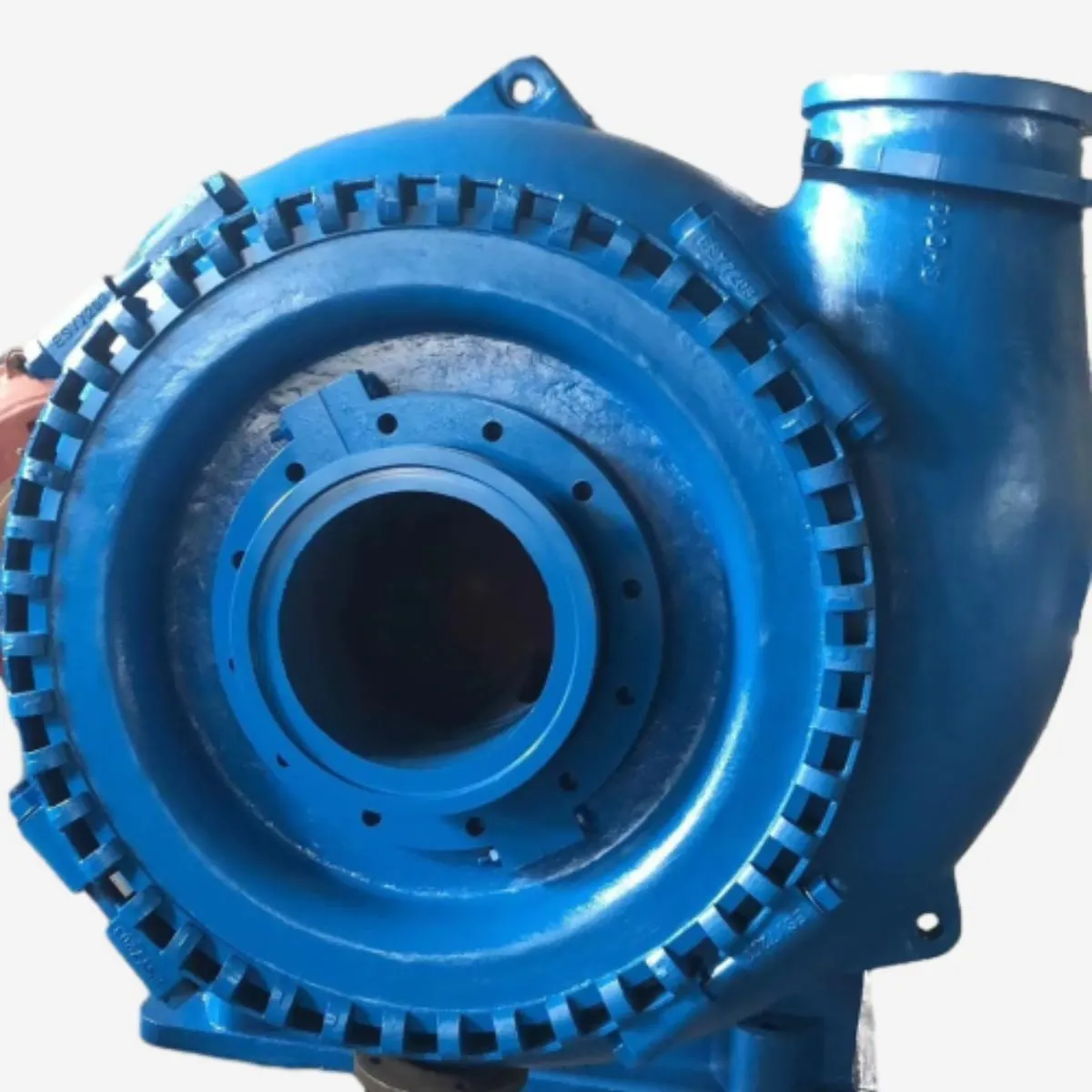
Introduction
Hydraulic submersible slurry pumps are positive displacement pumps designed for the efficient transfer of abrasive and highly concentrated slurries in submerged applications. Distinct from centrifugal pumps, they utilize hydraulic power transmitted through a hose to drive the pump’s piston or diaphragm, eliminating the need for a motor directly coupled to the pump. This configuration offers several advantages in challenging environments, notably in mining, dredging, industrial wastewater treatment, and construction, where electric motors are vulnerable to damage or pose safety risks. Their ability to handle solids-laden fluids with high specific gravity and varying viscosity places them as a critical component within the broader solids handling and dewatering infrastructure. Core performance characteristics include flow rate (typically measured in gallons per minute or cubic meters per hour), differential pressure (psi or bar), solids handling capability (maximum particle size and concentration), and overall pump efficiency. The selection of a hydraulic submersible slurry pump necessitates careful consideration of the slurry’s properties, the total dynamic head, and the operational environment.
Material Science & Manufacturing
The manufacturing of hydraulic submersible slurry pumps relies on materials selected for their abrasion resistance, corrosion resistance, and structural integrity. Pump casings are frequently constructed from high-chrome cast iron alloys (typically containing 13-30% chromium) to withstand the erosive effects of abrasive particles. Wetted components, such as pistons, diaphragms, and valve seats, often utilize elastomers like nitrile rubber (NBR), ethylene propylene diene monomer (EPDM), or polyurethane, chosen for their flexibility, chemical compatibility with the slurry, and resistance to wear. Hydraulic hoses are commonly reinforced with multiple layers of high-tensile steel wire braided within a synthetic rubber matrix to handle high pressures. Manufacturing processes involve several critical stages. Casting forms the initial pump housing, followed by machining to achieve precise dimensions and smooth surface finishes. Elastomeric components are typically manufactured via compression molding or injection molding, demanding precise temperature and pressure control to ensure consistent material properties. Hose assembly is a crucial process requiring careful layering of materials and secure crimping of fittings to prevent leakage under high hydraulic pressure. Welding processes, such as shielded metal arc welding (SMAW) or gas tungsten arc welding (GTAW), are used for joining metallic components, and require strict adherence to welding procedures and quality control standards to ensure weld integrity and prevent cracking. Parameter control during manufacturing is paramount, particularly regarding material composition, heat treatment processes (for cast iron), and dimensional tolerances.
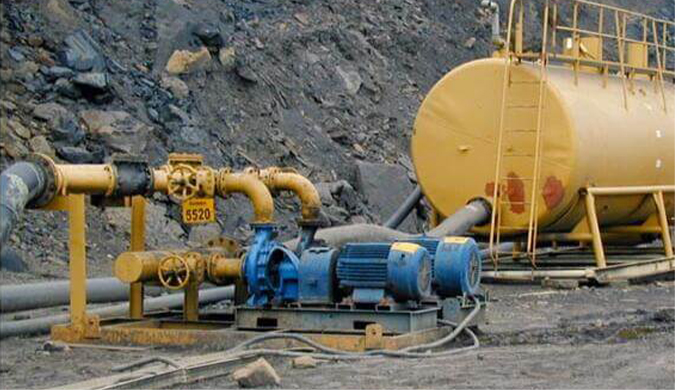
Performance & Engineering
The performance of hydraulic submersible slurry pumps is heavily influenced by hydraulic principles and fluid mechanics. Force analysis considers the pressure generated by the hydraulic fluid, the cross-sectional area of the piston/diaphragm, and the resulting force applied to the slurry. The pump’s flow rate is directly proportional to the stroke length and frequency of the piston/diaphragm. The total dynamic head (TDH), which includes static head, friction losses in the discharge hose, and velocity head, dictates the pump’s operating pressure. Environmental resistance is a key engineering consideration. Submersible pumps are exposed to potentially corrosive fluids and varying temperatures. Material selection must account for these factors to prevent corrosion and degradation. The pump’s seal design is critical to prevent water ingress and maintain hydraulic efficiency. Compliance requirements are stringent, particularly concerning safety standards and environmental regulations. Pumps destined for use in potentially explosive environments must comply with ATEX or IECEx certifications. Furthermore, pumps handling wastewater must meet discharge regulations related to solids content and pollutant levels. The design of the suction inlet is crucial to prevent cavitation, which can reduce pump efficiency and damage internal components. Computational Fluid Dynamics (CFD) simulations are increasingly used to optimize pump geometry and minimize hydraulic losses.
Technical Specifications
| Parameter | Unit | Typical Value (Range) | Testing Standard |
|---|---|---|---|
| Maximum Flow Rate | GPM (US) | 50 – 500 | ISO 9906 |
| Maximum Discharge Pressure | psi | 500 – 2000 | API 674 |
| Maximum Solids Handling Size | inches | Up to 4 | Internal Testing |
| Maximum Slurry Concentration (by weight) | % | Up to 70 | Internal Testing |
| Hydraulic Hose Working Pressure | psi | 3000 – 5000 | SAE J517 |
| Pump Casing Material | - | High-Chrome Cast Iron (15-28% Cr) | ASTM A532 |
Failure Mode & Maintenance
Hydraulic submersible slurry pumps are subject to various failure modes during operation. Fatigue cracking in the pump casing, particularly around stress concentration points, can occur due to cyclical loading and exposure to abrasive slurries. Erosion of wetted components (pistons, diaphragms, valve seats) is a common failure mechanism, leading to reduced pump efficiency and eventual pump failure. Chemical attack and corrosion, particularly in aggressive slurry environments, can degrade pump materials. Seal failures, resulting in water ingress or hydraulic fluid leakage, are frequent. Diaphragm rupture can occur due to overpressure or material degradation. Abrasive wear within the pump’s internal clearances can lead to reduced volumetric efficiency. Preventative maintenance is critical. Regular inspection of hoses for wear and tear, leaks, and proper crimping is essential. Periodic replacement of wear parts (diaphragms, pistons, valve seats) based on operating hours and slurry abrasiveness. Monitoring hydraulic fluid levels and condition (viscosity, contamination) is vital. Lubrication of moving parts according to manufacturer's recommendations. Regular cleaning of the pump exterior to prevent buildup of slurry deposits. Failure analysis, including metallurgical examination of failed components, can identify root causes and inform material selection or design modifications. Vibration analysis can detect early signs of bearing wear or imbalance.
Industry FAQ
Q: What are the primary advantages of a hydraulic submersible pump over a traditional electrically driven centrifugal slurry pump?
A: The key advantages include increased safety in potentially hazardous environments (eliminating electrical spark risks), the ability to operate in confined spaces without requiring power cabling, and generally higher efficiency when handling very abrasive slurries or high solids content fluids. The hydraulic drive allows for precise speed control and stall-resistant operation.
Q: How does the slurry’s particle size distribution impact pump selection and performance?
A: Particle size dictates the pump’s required solids handling capability. Larger particle sizes necessitate wider flow passages and more robust impeller designs. A high concentration of fines can accelerate abrasive wear. The pump’s performance curve (flow rate vs. head) is affected by the slurry’s solids loading; increased solids concentration typically reduces flow rate and increases head.
Q: What considerations should be made when selecting the hydraulic hose material and length?
A: The hose material must be compatible with the hydraulic fluid and the surrounding environment (temperature, chemicals). Hose length is limited by pressure drop; longer hoses increase friction losses, reducing pump efficiency. The hose must be reinforced adequately to withstand the operating pressure and surge pressures. Consider ease of handling and replacement.
Q: What types of seals are typically used in these pumps, and what are their limitations?
A: Common seal types include nitrile rubber (NBR), Viton (FKM), and polyurethane. NBR offers good general-purpose resistance but has limited temperature and chemical compatibility. Viton provides excellent resistance to high temperatures and aggressive chemicals but is more expensive. Polyurethane offers good abrasion resistance. Seal limitations include wear, chemical degradation, and susceptibility to damage from large or sharp particles in the slurry.
Q: What are the typical maintenance intervals for a hydraulic submersible slurry pump operating continuously in a demanding application?
A: Maintenance intervals vary depending on the slurry abrasiveness and operating conditions. Generally, diaphragms and pistons should be inspected and replaced every 500-1000 operating hours. Hoses should be inspected monthly for wear and leaks. Hydraulic fluid should be analyzed and replaced annually. A complete pump overhaul, including bearing inspection and seal replacement, is recommended every 2-3 years.
Conclusion
Hydraulic submersible slurry pumps represent a robust and reliable solution for challenging slurry handling applications. Their unique design characteristics, emphasizing safety, efficiency, and adaptability to harsh environments, distinguish them from traditional pumping technologies. The critical selection of appropriate materials, coupled with meticulous manufacturing processes and a commitment to preventative maintenance, are essential for maximizing pump longevity and minimizing downtime.
Future advancements in this field will likely focus on developing more abrasion-resistant materials, optimizing pump geometries through advanced CFD modeling, and incorporating real-time monitoring systems for predictive maintenance. Continued innovation will further solidify the role of hydraulic submersible slurry pumps as indispensable components in diverse industrial sectors.
-
Precision at the Pump: How Better Machining Protects Flow and Uptime
News2026-11-20
-
Why Pump Reliability Begins Before the First Drop of Fluid
News2026-11-20
-
Beyond the Pump: Designing Safer Access Around Critical Water Infrastructure
News2026-11-20
-
Why Pumping Stations Depend on the Infrastructure Beneath the Pumps
News2026-11-20
-
Beyond the Pump Room: How Smarter Loading Protects Industrial Equipment
News2026-11-19
-
When Pumps Stop: Designing More Resilient Power for Critical Pumping Systems
News2026-11-19
-
The Hidden Role of Dust and Gas Monitoring in Reliable Pump Operations
News2026-11-19
-
The Hidden Role of Mineral Compounds in Extending Industrial Pump Lifespan
News2026-10-12
-
Why Pump System Reliability Depends on Precision Hose Assembly Methods
News2026-09-15
-
How Advanced Imaging Films Are Transforming Pump Component Quality Control
News2026-08-25
-
How Advanced Filtration Protects Pump Systems from Premature Wear and Costly Downtime
News2026-08-25
-
How Steel Material Selection Drives Pump Reliability in Heavy-Duty Systems
News2026-08-25
-
Ensuring Pump System Efficiency: The Role of High-Quality Pipe Fittings and Tubing
News2026-08-24
-
Optimizing Fluid Dynamics and Material Consistency in Industrial Processing
News2026-08-18
-
Innovations and Challenges in Hydraulic Systems for Heavy Machinery
News2026-08-13




