English
- Afrikaans
- Albanian
- Amharic
- Arabic
- Armenian
- Azerbaijani
- Basque
- Belarusian
- Bengali
- Bosnian
- Bulgarian
- Catalan
- Cebuano
- Corsican
- Croatian
- Czech
- Danish
- Dutch
- English
- Esperanto
- Estonian
- Finnish
- French
- Frisian
- Galician
- Georgian
- German
- Greek
- Gujarati
- Haitian Creole
- hausa
- hawaiian
- Hebrew
- Hindi
- Miao
- Hungarian
- Icelandic
- igbo
- Indonesian
- irish
- Italian
- Japanese
- Javanese
- Kannada
- kazakh
- Khmer
- Rwandese
- Korean
- Kurdish
- Kyrgyz
- Lao
- Latin
- Latvian
- Lithuanian
- Luxembourgish
- Macedonian
- Malgashi
- Malay
- Malayalam
- Maltese
- Maori
- Marathi
- Mongolian
- Myanmar
- Nepali
- Norwegian
- Norwegian
- Occitan
- Pashto
- Persian
- Polish
- Portuguese
- Punjabi
- Romanian
- Russian
- Samoan
- Scottish Gaelic
- Serbian
- Sesotho
- Shona
- Sindhi
- Sinhala
- Slovak
- Slovenian
- Somali
- Spanish
- Sundanese
- Swahili
- Swedish
- Tagalog
- Tajik
- Tamil
- Tatar
- Telugu
- Thai
- Turkish
- Turkmen
- Ukrainian
- Urdu
- Uighur
- Uzbek
- Vietnamese
- Welsh
- Bantu
- Yiddish
- Yoruba
- Zulu

Telephone: +86 13120555503
Email: frank@cypump.com


Apr . 01, 2024 17:55 Back to list
hs1 slurry pump parts Performance Analysis
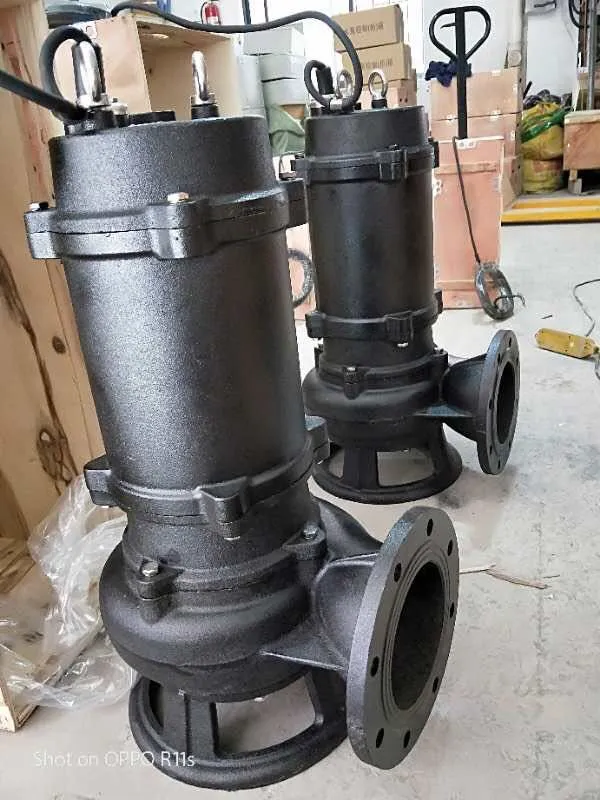
Introduction
The HS1 slurry pump is a centrifugal pump specifically engineered for the handling of abrasive, erosive, and corrosive slurries encountered in a wide range of industrial applications. These applications include mining, mineral processing, wastewater treatment, chemical processing, and dredging. HS1 pump parts represent a critical component in maintaining the reliability and efficiency of these systems. This guide provides a comprehensive technical overview of HS1 slurry pump parts, covering material science, manufacturing processes, performance characteristics, failure modes, and relevant industry standards. The performance of HS1 pump parts directly impacts overall system uptime and operational costs, making a detailed understanding of these components essential for engineers, procurement managers, and maintenance personnel. Core performance characteristics revolve around wear resistance, hydraulic efficiency, and chemical compatibility with the transported slurry.
Material Science & Manufacturing
HS1 slurry pump parts are commonly manufactured from high-chromium cast irons (typically 27-30% chromium content), stainless steels (304, 316, duplex stainless steel), and elastomer-lined materials (natural rubber, synthetic rubber). The selection of material is dictated by the slurry’s composition, particle size, velocity, and operating temperature. High-chromium cast irons offer excellent wear resistance due to the formation of hard chromium carbides, effectively resisting abrasive wear. However, they are susceptible to corrosion in highly acidic or alkaline environments. Stainless steels provide superior corrosion resistance, but generally exhibit lower wear resistance than high-chromium irons. Elastomer linings provide a compromise, offering both abrasion and corrosion resistance, particularly effective with aggressive slurries. The impeller, casing, and volute liner are frequently manufactured using these materials.
Manufacturing processes vary based on the component and material. Casings and volute liners are typically produced using sand casting, investment casting, or centrifugal casting. Investment casting allows for more complex geometries and tighter tolerances, while centrifugal casting is ideal for producing robust, wear-resistant liners. Impellers are often produced via investment casting or lost foam casting. Shafts are typically forged from alloy steel and subsequently hardened and tempered. Elastomer linings are applied using a vulcanization process, bonding the rubber to the metal substrate. Key parameter control during manufacturing includes chemical composition verification, hardness testing (Brinell, Rockwell), radiographic inspection for internal flaws, and dimensional accuracy checks. Improper heat treatment of steel components can lead to premature failure through cracking or reduced fatigue strength. Casting defects such as porosity or inclusions can drastically reduce wear resistance.
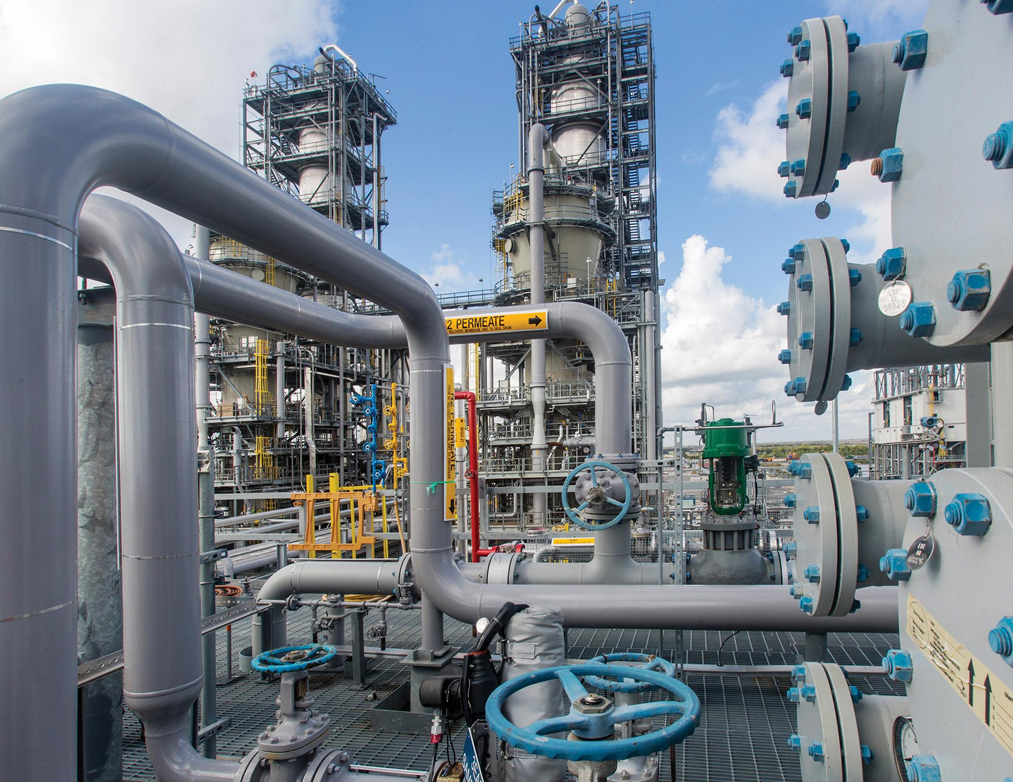
Performance & Engineering
The performance of HS1 slurry pump parts is governed by hydraulic principles and material properties. Key engineering considerations include cavitation resistance, erosion velocity limits, and stress analysis. Cavitation occurs when the absolute pressure at the impeller inlet drops below the vapor pressure of the slurry, forming vapor bubbles that collapse violently, causing pitting and damage. Proper impeller design and pump staging are crucial to mitigating cavitation. Erosion velocity limits define the maximum slurry velocity that a material can withstand without significant wear. These limits are dependent on the slurry’s particle size, hardness, and impact angle. Finite Element Analysis (FEA) is commonly employed to analyze stress distribution within pump components, identifying areas prone to fatigue cracking or yielding. Furthermore, bearing design and lubrication are critical for ensuring smooth shaft rotation and minimizing wear. Seal design (mechanical seals, packing glands) prevents leakage of the slurry and contamination of the surrounding environment. Compliance requirements dictate the need for adherence to industry standards related to pump efficiency, safety, and environmental protection. The pump’s Net Positive Suction Head Required (NPSHr) must be carefully matched to the available NPSHa in the system to avoid cavitation.
Technical Specifications
| Component | Material Options | Hardness (BHN) | Typical Applications |
|---|---|---|---|
| Impeller | High-Chromium Cast Iron, Stainless Steel (304/316), Rubber-lined | 550-650 (High-Chromium Iron), 180-250 (Stainless Steel) | Mining, Dredging, Wastewater Treatment |
| Casing | High-Chromium Cast Iron, Stainless Steel (Duplex), Rubber-lined | 500-600 (High-Chromium Iron), 200-300 (Stainless Steel) | Mineral Processing, Chemical Handling |
| Volute Liner | High-Chromium Cast Iron, Rubber-lined | 580-680 (High-Chromium Iron) | Abrasive Slurry Applications |
| Shaft | Alloy Steel (4140, 4340) | 250-350 (Heat Treated) | All HS1 Pump Models |
| Seals | Mechanical Seals (Various Materials), Packing Glands | N/A | Leakage Prevention |
| Bearing Housings | Cast Iron, Steel | 150-250 | Shaft Support and Alignment |
Failure Mode & Maintenance
Common failure modes in HS1 slurry pump parts include abrasive wear, erosion, corrosion, fatigue cracking, and seal failure. Abrasive wear is the most prevalent, particularly in high-solids-content slurries. This results in gradual material loss, leading to reduced pump efficiency and ultimately component failure. Erosion occurs due to the impact of solid particles at high velocities, causing localized material removal. Corrosion, especially in acidic or alkaline environments, weakens the material structure and accelerates wear. Fatigue cracking can occur in shafts, impellers, and casings due to cyclic loading and stress concentrations. Seal failures lead to leakage and potential contamination.
Preventative maintenance is crucial for extending the lifespan of HS1 pump parts. This includes regular visual inspections for wear and corrosion, monitoring bearing temperatures and vibration levels, and periodic replacement of worn components. Impeller and casing wear can be monitored by tracking pump performance parameters such as head and flow rate. Lubrication of bearings should be performed according to the manufacturer’s recommendations. When replacing parts, it is essential to use materials compatible with the slurry composition. Proper alignment of the pump and motor is critical for minimizing vibration and bearing wear. For elastomer-lined components, regular inspections for delamination and cracking are essential. Failure analysis should be conducted on failed parts to identify the root cause of the failure and implement corrective actions.
Industry FAQ
Q: What is the primary difference between using a high-chromium iron impeller versus a stainless steel impeller in an HS1 pump handling a mildly abrasive slurry with moderate chloride content?
A: While high-chromium iron offers superior abrasion resistance, its corrosion resistance is limited, particularly in the presence of chlorides. A stainless steel impeller, such as 316, would provide better corrosion resistance, even though its abrasion resistance is lower. The choice depends on the slurry’s composition; if corrosion is a significant concern, stainless steel is preferable. However, if abrasion dominates, and corrosion is minimal, high-chromium iron will have a longer service life.
Q: How does the impeller diameter affect the pump’s performance and wear rate?
A: Increasing the impeller diameter generally increases the pump’s head and flow rate capabilities. However, a larger impeller also results in higher tip speeds, which can exacerbate erosion, particularly with abrasive slurries. A larger impeller also increases the power requirement. Careful consideration must be given to the slurry characteristics and operating conditions when selecting an impeller diameter to balance performance and wear rate.
Q: What are the common causes of premature seal failure in HS1 pumps handling slurries?
A: Premature seal failure is often caused by abrasive particles scoring the seal faces, incorrect seal selection for the slurry composition, or improper installation. Abrasive slurries require seals with hardened faces and potentially flushing systems to prevent particle buildup. Chemical compatibility between the seal material and the slurry is also critical. Finally, ensuring proper alignment and lubrication is essential for maintaining seal integrity.
Q: What are the benefits of using rubber lining on the casing of an HS1 pump?
A: Rubber lining provides excellent abrasion and corrosion resistance, particularly for handling highly aggressive slurries. It dampens noise and vibration, extending the pump’s lifespan and reducing maintenance requirements. However, rubber linings have a limited temperature range and can be susceptible to damage from certain chemicals.
Q: How often should the wear liners in an HS1 pump casing be inspected and replaced?
A: Inspection frequency depends on the abrasiveness of the slurry. For highly abrasive slurries, liners should be inspected every 3-6 months. Inspections involve measuring liner thickness and checking for signs of wear or cracking. Replacement should occur when the liner thickness reaches a predetermined minimum value, typically defined by the pump manufacturer. Ignoring liner wear can lead to reduced pump efficiency and eventual casing damage.
Conclusion
HS1 slurry pump parts are vital for the reliable operation of slurry handling systems across diverse industries. Understanding the interplay between material science, manufacturing processes, and hydraulic principles is crucial for optimizing performance and minimizing downtime. The selection of appropriate materials, diligent preventative maintenance, and proactive failure analysis are essential practices for maximizing the lifespan of these components and reducing overall operational costs. The inherent complexities of slurry handling necessitate a thorough approach to component selection and maintenance.
Looking ahead, advancements in materials science, such as the development of more wear-resistant alloys and advanced elastomer formulations, will continue to improve the performance and longevity of HS1 slurry pump parts. Furthermore, the integration of condition monitoring technologies, such as vibration analysis and wear sensors, will enable more predictive maintenance strategies, further reducing downtime and optimizing operational efficiency. The continued focus on sustainable practices will drive the development of more energy-efficient pump designs and environmentally friendly materials.
-
Comprehensive Guide to Waterproof ORings for Optimal Sealing Solutions
News2026-06-09
-
best sewage ejector pump Performance Engineering
News2026-06-11
-
aerobic septic system pump Performance Analysis
News2026-06-11
-
Sumergible Pump Performance Analysis
News2026-06-11
-
ejector pump for basement Performance Engineering
News2026-06-11
-
sewer lift pump Performance Engineering
News2026-06-11
-
Septic Pump Replacement Performance Analysis
News2026-06-10
-
Septic Pump Price Performance Analysis
News2026-06-10
-
pumps for septic systems Material Science Manufacturing
News2026-06-10
-
ejector pumps for basement bathrooms Performance Analysis
News2026-06-10
-
Ejector Pump Cost Analysis
News2026-06-10
-
drainage pumps Performance and Engineering
News2026-06-09
-
basement bathroom ejector pump Material Science
News2026-06-09
-
Sewer Ejector Pump Cost Performance Analysis
News2026-06-09
-
Septic Tank Pump Replacement Performance Analysis
News2026-06-09




