English
- Afrikaans
- Albanian
- Amharic
- Arabic
- Armenian
- Azerbaijani
- Basque
- Belarusian
- Bengali
- Bosnian
- Bulgarian
- Catalan
- Cebuano
- Corsican
- Croatian
- Czech
- Danish
- Dutch
- English
- Esperanto
- Estonian
- Finnish
- French
- Frisian
- Galician
- Georgian
- German
- Greek
- Gujarati
- Haitian Creole
- hausa
- hawaiian
- Hebrew
- Hindi
- Miao
- Hungarian
- Icelandic
- igbo
- Indonesian
- irish
- Italian
- Japanese
- Javanese
- Kannada
- kazakh
- Khmer
- Rwandese
- Korean
- Kurdish
- Kyrgyz
- Lao
- Latin
- Latvian
- Lithuanian
- Luxembourgish
- Macedonian
- Malgashi
- Malay
- Malayalam
- Maltese
- Maori
- Marathi
- Mongolian
- Myanmar
- Nepali
- Norwegian
- Norwegian
- Occitan
- Pashto
- Persian
- Polish
- Portuguese
- Punjabi
- Romanian
- Russian
- Samoan
- Scottish Gaelic
- Serbian
- Sesotho
- Shona
- Sindhi
- Sinhala
- Slovak
- Slovenian
- Somali
- Spanish
- Sundanese
- Swahili
- Swedish
- Tagalog
- Tajik
- Tamil
- Tatar
- Telugu
- Thai
- Turkish
- Turkmen
- Ukrainian
- Urdu
- Uighur
- Uzbek
- Vietnamese
- Welsh
- Bantu
- Yiddish
- Yoruba
- Zulu

Telephone: +86 13120555503
Email: frank@cypump.com


Apr . 01, 2024 17:55 Back to list
hot sale chemical circulating pump Material Compatibility
Introduction
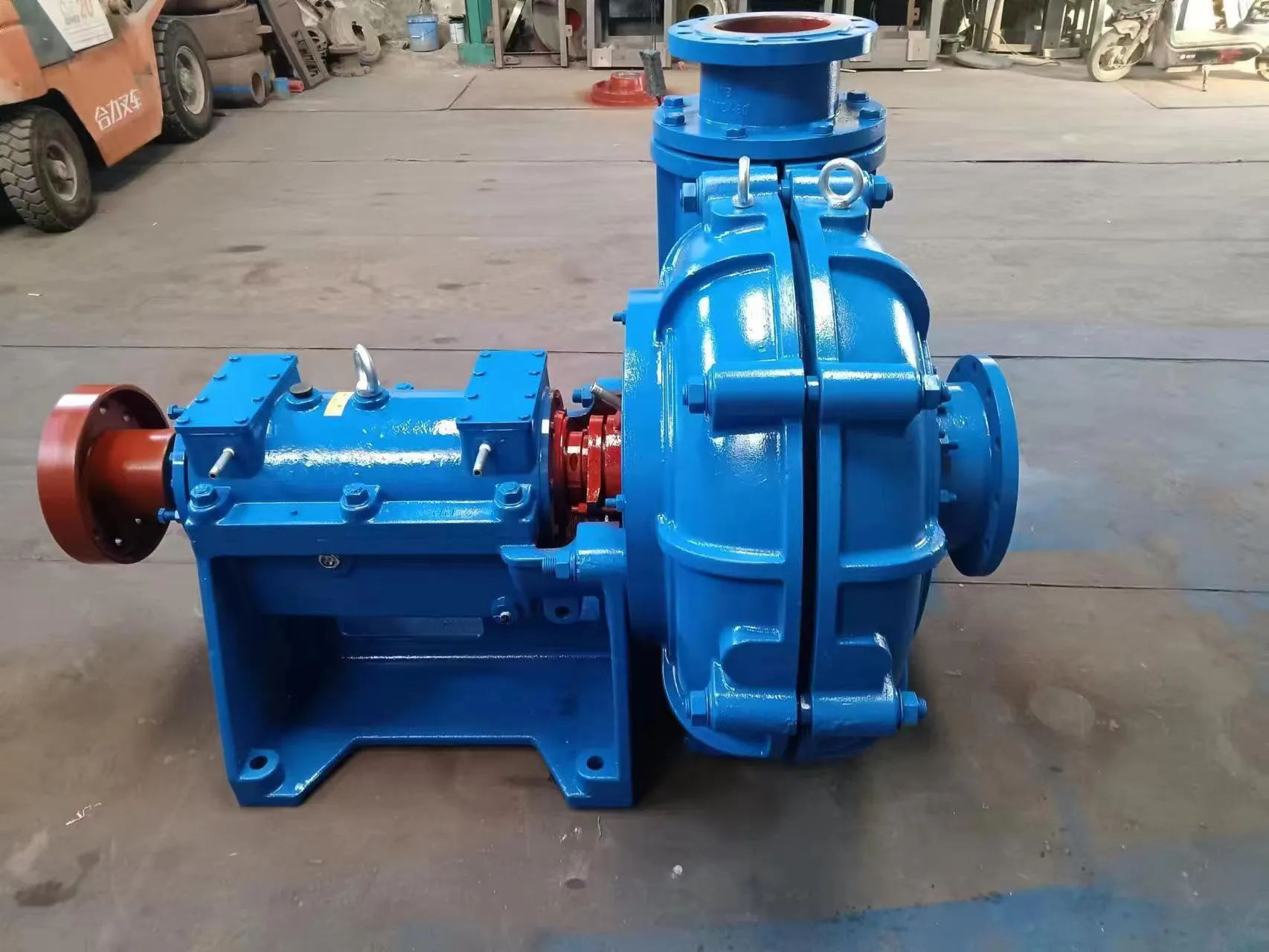
Chemical circulating pumps are engineered to provide reliable fluid transfer in demanding industrial applications involving corrosive and hazardous chemicals. Positioned within the chemical processing industry's fluid handling chain, these pumps are critical components in processes ranging from chemical synthesis and reaction to wastewater treatment and transfer between storage tanks. Unlike general-purpose centrifugal pumps, chemical circulating pumps are specifically designed with materials and sealing systems to withstand prolonged exposure to aggressive chemical environments. Core performance characteristics include flow rate, head pressure, material compatibility, leak-free operation, and resistance to chemical degradation. The selection of an appropriate chemical circulating pump is dictated by the specific chemical being handled, its concentration, temperature, viscosity, and the system's overall operational parameters. Failure to choose the correct pump can lead to material failure, leakage, downtime, and potentially hazardous situations.
Material Science & Manufacturing
The construction of chemical circulating pumps heavily relies on specialized materials to ensure longevity and safe operation. Pump housings, impellers, and shafts are commonly fabricated from polymeric materials such as Polypropylene (PP), Polyvinylidene Fluoride (PVDF), Ethylene Chlorotrifluoroethylene (ECTFE – Halar), and Fluorinated Ethylene Propylene (FEP), offering excellent chemical resistance. For more demanding applications involving higher temperatures or aggressive chemicals, metallic materials like Stainless Steel 316, Alloy 20, Hastelloy B & C, and Titanium are employed. These alloys provide superior corrosion resistance but are generally more expensive.
Manufacturing processes vary depending on the material. Polymeric components are typically produced through injection molding. Precise mold design and temperature control are crucial to minimize residual stress and ensure dimensional accuracy. Metallic components are often cast or forged, followed by machining to achieve the required tolerances. Welding, where required, must be performed by certified welders using appropriate welding procedures to maintain material integrity and prevent corrosion in the weld zones. Seals are a critical element; PTFE (Teflon) bellows seals, or mechanically sealed systems utilizing silicon carbide or ceramic faces, are prevalent due to their chemical inertness and ability to prevent leakage. The manufacturing process includes rigorous quality control checks including hydrostatic testing, material certification, and non-destructive testing (NDT) like dye penetrant inspection to verify the integrity of the pump components. Parameter control during injection molding, welding, and machining are paramount to achieving required performance specifications.
Performance & Engineering
The performance of a chemical circulating pump is governed by fundamental principles of fluid dynamics. Key engineering considerations include Net Positive Suction Head Required (NPSHr), which dictates the minimum inlet pressure needed to prevent cavitation; pump efficiency, which determines the energy consumption; and hydraulic power, calculated from flow rate and head pressure. Cavitation, the formation and collapse of vapor bubbles, can severely damage the impeller and reduce pump performance.
Environmental resistance is another crucial aspect. Pumps operating in hazardous areas must comply with ATEX directives (Europe) or NEC/CEC standards (North America) requiring explosion-proof motors and grounding systems. The pump’s mechanical design must account for thermal expansion and contraction of materials due to temperature fluctuations, and vibration analysis is essential to prevent fatigue failure. Compliance requirements include adherence to relevant chemical handling regulations, such as those issued by OSHA (US), REACH (Europe), and local environmental protection agencies. The fluid’s viscosity significantly impacts pump performance; higher viscosity fluids require pumps with greater torque and potentially larger impeller diameters. Force analysis ensures that the pump housing and support structure can withstand the hydraulic forces generated during operation. The selection of appropriate bearings is critical to handle radial and axial loads imposed by the impeller and fluid flow.
Technical Specifications
| Parameter | Unit | Typical Range | Material Options |
|---|---|---|---|
| Flow Rate | GPM (US) / LPM | 10 - 200 / 38 - 757 | PP, PVDF, SS316, Hastelloy C |
| Head Pressure | ft / m | 20 - 100 / 6 - 30 | PP, PVDF, SS316, Hastelloy C |
| Temperature Range | °F / °C | 20 - 250 / -7 - 121 | PP, PVDF, ECTFE, SS316, Titanium |
| Viscosity Range | cP | 1 - 1000 | All Materials |
| Seal Type | - | Mechanical Seal, PTFE Bellows Seal | SiC/SiC, PTFE |
| Motor Power | HP / kW | 0.5 - 10 / 0.37 - 7.5 | TEFC, Explosion Proof |
Failure Mode & Maintenance
Common failure modes in chemical circulating pumps include impeller cavitation (leading to erosion), seal failure (resulting in leakage), bearing failure (causing vibration and eventual pump seizure), and material degradation due to prolonged chemical exposure. Fatigue cracking can occur in metallic components subjected to cyclical stress. Delamination can affect polymeric housings if the material is incompatible with the chemical being pumped. Oxidation and corrosion are prevalent issues, particularly with metallic components in oxidizing environments.
Preventative maintenance is crucial. Regular inspection of seals, bearings, and pump housing for signs of wear, corrosion, or damage is vital. Lubrication of bearings according to manufacturer’s recommendations is essential. Periodic performance monitoring, including flow rate and pressure measurements, can identify deviations indicating potential issues. In case of leakage, the seal should be inspected and replaced. If cavitation is suspected, the NPSH available should be verified and the pump installation adjusted if necessary. Routine flushing of the pump with a compatible solvent can remove accumulated deposits and prevent clogging. When replacing components, always use OEM parts or equivalent, ensuring material compatibility with the chemical being handled.
Industry FAQ
Q: What is the primary consideration when selecting a chemical circulating pump for sulfuric acid service?
A: The primary consideration is material compatibility. Sulfuric acid is highly corrosive, especially at elevated temperatures and concentrations. Materials like PTFE, PVDF, Alloy 20, and Hastelloy B are generally recommended. The concentration and temperature of the sulfuric acid will dictate the specific alloy or polymer required. The seal material must also be resistant to sulfuric acid permeation.
Q: How does fluid viscosity impact the pump’s required motor horsepower?
A: Increased fluid viscosity dramatically increases the pump’s required horsepower. Viscous fluids require more energy to move due to increased internal friction. A higher viscosity fluid will necessitate a larger impeller, slower pump speed, and ultimately a more powerful motor to achieve the desired flow rate and head pressure.
Q: What are the signs of impending mechanical seal failure?
A: Common signs include visible leakage around the pump seal, increased pump noise, and increased vibration. A drop in pump performance (flow rate or pressure) can also indicate seal wear. Regular visual inspections are crucial for early detection.
Q: What is NPSHr and why is it important for chemical pumps?
A: NPSHr (Net Positive Suction Head Required) is the minimum absolute pressure required at the pump suction to prevent cavitation. Cavitation can severely damage the impeller and reduce pump performance. Ensuring the NPSHa (Net Positive Suction Head Available) in the system is greater than the NPSHr is critical for reliable pump operation.
Q: What certifications should I look for in a chemical circulating pump for use in a classified hazardous area?
A: For use in classified hazardous areas, the pump should be certified to relevant standards, such as ATEX (Europe) or NEC/CEC (North America). The motor must be explosion-proof, and the pump should be properly grounded to prevent static electricity buildup. Documentation confirming the certification should be available from the manufacturer.
Conclusion
The selection and operation of chemical circulating pumps require a thorough understanding of material science, fluid dynamics, and relevant industry standards. Choosing a pump constructed from materials compatible with the specific chemical being handled, and ensuring proper installation and maintenance, are paramount to achieving reliable, leak-free, and safe operation. Neglecting these considerations can result in costly downtime, environmental hazards, and potential safety risks.
Future advancements in chemical pump technology will likely focus on the development of more chemically resistant materials, improved seal designs to further minimize leakage, and integration of smart monitoring systems for predictive maintenance. These improvements will contribute to increased efficiency, reduced operating costs, and enhanced safety within the chemical processing industry.
-
Precision at the Pump: How Better Machining Protects Flow and Uptime
News2026-11-20
-
Why Pump Reliability Begins Before the First Drop of Fluid
News2026-11-20
-
Beyond the Pump: Designing Safer Access Around Critical Water Infrastructure
News2026-11-20
-
Why Pumping Stations Depend on the Infrastructure Beneath the Pumps
News2026-11-20
-
Beyond the Pump Room: How Smarter Loading Protects Industrial Equipment
News2026-11-19
-
When Pumps Stop: Designing More Resilient Power for Critical Pumping Systems
News2026-11-19
-
The Hidden Role of Dust and Gas Monitoring in Reliable Pump Operations
News2026-11-19
-
The Hidden Role of Mineral Compounds in Extending Industrial Pump Lifespan
News2026-10-12
-
Why Pump System Reliability Depends on Precision Hose Assembly Methods
News2026-09-15
-
How Advanced Imaging Films Are Transforming Pump Component Quality Control
News2026-08-25
-
How Advanced Filtration Protects Pump Systems from Premature Wear and Costly Downtime
News2026-08-25
-
How Steel Material Selection Drives Pump Reliability in Heavy-Duty Systems
News2026-08-25
-
Ensuring Pump System Efficiency: The Role of High-Quality Pipe Fittings and Tubing
News2026-08-24
-
Optimizing Fluid Dynamics and Material Consistency in Industrial Processing
News2026-08-18
-
Innovations and Challenges in Hydraulic Systems for Heavy Machinery
News2026-08-13




