English
- Afrikaans
- Albanian
- Amharic
- Arabic
- Armenian
- Azerbaijani
- Basque
- Belarusian
- Bengali
- Bosnian
- Bulgarian
- Catalan
- Cebuano
- Corsican
- Croatian
- Czech
- Danish
- Dutch
- English
- Esperanto
- Estonian
- Finnish
- French
- Frisian
- Galician
- Georgian
- German
- Greek
- Gujarati
- Haitian Creole
- hausa
- hawaiian
- Hebrew
- Hindi
- Miao
- Hungarian
- Icelandic
- igbo
- Indonesian
- irish
- Italian
- Japanese
- Javanese
- Kannada
- kazakh
- Khmer
- Rwandese
- Korean
- Kurdish
- Kyrgyz
- Lao
- Latin
- Latvian
- Lithuanian
- Luxembourgish
- Macedonian
- Malgashi
- Malay
- Malayalam
- Maltese
- Maori
- Marathi
- Mongolian
- Myanmar
- Nepali
- Norwegian
- Norwegian
- Occitan
- Pashto
- Persian
- Polish
- Portuguese
- Punjabi
- Romanian
- Russian
- Samoan
- Scottish Gaelic
- Serbian
- Sesotho
- Shona
- Sindhi
- Sinhala
- Slovak
- Slovenian
- Somali
- Spanish
- Sundanese
- Swahili
- Swedish
- Tagalog
- Tajik
- Tamil
- Tatar
- Telugu
- Thai
- Turkish
- Turkmen
- Ukrainian
- Urdu
- Uighur
- Uzbek
- Vietnamese
- Welsh
- Bantu
- Yiddish
- Yoruba
- Zulu

Telephone: +86 13120555503
Email: frank@cypump.com


Apr . 01, 2024 17:55 Back to list
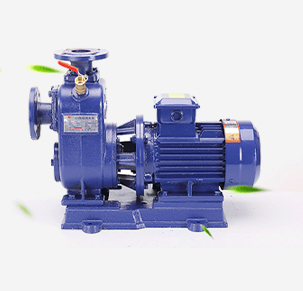
hot sale centrifugal chemical pump Material Science
Introduction
Centrifugal chemical pumps are a crucial component in numerous industrial processes, designed for the reliable and efficient transfer of corrosive and aggressive fluids. Positioned within the fluid handling segment of the broader chemical processing equipment industry, these pumps serve as the workhorse for applications ranging from chemical manufacturing and water treatment to pharmaceutical production and mining. Unlike general-purpose centrifugal pumps, chemical pumps are specifically engineered with materials and designs to withstand the inherent challenges posed by chemically reactive substances. Core performance characteristics include flow rate, head (pressure generated), materials compatibility, seal integrity, and the ability to handle varying fluid viscosities and temperatures. The primary industry pain point centers around ensuring long-term reliability and preventing catastrophic failure due to material degradation, seal leakage, and process contamination, leading to costly downtime and potential safety hazards. This guide provides an in-depth technical overview of centrifugal chemical pumps, covering material science, manufacturing processes, performance parameters, failure modes, and relevant industry standards.
Material Science & Manufacturing
The selection of materials is paramount in centrifugal chemical pump construction. Common wetted parts are constructed from polymers (PTFE, PVDF, polypropylene), alloys (316 Stainless Steel, Hastelloy, Alloy 20), and ceramics. PTFE (Polytetrafluoroethylene) offers excellent chemical resistance but limited mechanical strength and temperature range. PVDF (Polyvinylidene Fluoride) exhibits improved mechanical properties and temperature resistance compared to PTFE, making it suitable for more demanding applications. 316 Stainless Steel provides good corrosion resistance in many environments, but is susceptible to chloride stress corrosion cracking. Hastelloy alloys, containing nickel, molybdenum, and chromium, deliver superior resistance to a broader range of aggressive chemicals, including strong acids and oxidizing agents, at a higher cost. Ceramics, such as silicon carbide, offer exceptional hardness and chemical inertness but are brittle and sensitive to thermal shock. Manufacturing processes vary depending on the component. Pump casings are typically cast using sand casting or investment casting, followed by machining and surface finishing. Impellers can be manufactured through investment casting, machining from solid bar stock, or utilizing fiber-reinforced polymer composites. Shafts are generally machined from alloy steel, with critical dimensions tightly controlled for concentricity and straightness. Seal faces are lapped to achieve a mirror finish, ensuring proper sealing. Key parameter control during manufacturing includes material traceability, dimensional accuracy, surface roughness, and weld quality (if applicable). Non-destructive testing methods, such as radiographic inspection and liquid penetrant testing, are employed to detect defects and ensure structural integrity.
Performance & Engineering
The performance of a centrifugal chemical pump is governed by fundamental principles of fluid dynamics. The pump's head (pressure) is proportional to the square of the impeller's rotational speed. Flow rate is directly proportional to the impeller diameter and speed. Force analysis focuses on hydraulic forces acting on the impeller, radial loads on the bearings, and axial thrust generated by the fluid pressure distribution. Environmental resistance is a critical consideration, particularly in corrosive environments. Proper material selection and coating application are crucial for preventing corrosion and extending pump life. Compliance requirements vary depending on the application and geographic location. For example, pumps handling food-grade chemicals must comply with FDA regulations. Pumps used in explosive atmospheres must be ATEX or IECEx certified. Functional implementation involves careful selection of pump size, impeller type (open, semi-open, or closed), and sealing arrangement (mechanical seal, magnetic drive, or packing gland) to match the specific process requirements. Mechanical seals are the most common choice, offering superior sealing performance and reliability. Magnetic drive pumps eliminate the need for a shaft seal, providing leak-free operation but with limitations in terms of pressure and temperature. Net Positive Suction Head Required (NPSHr) is a critical parameter that must be carefully considered to prevent cavitation, which can damage the impeller and reduce pump performance.
Technical Specifications
| Parameter | Unit | Typical Range (Polypropylene Pump) | Typical Range (Hastelloy Pump) |
|---|---|---|---|
| Maximum Flow Rate | m³/h | 0-60 | 0-150 |
| Maximum Head | m | 0-40 | 0-80 |
| Maximum Operating Pressure | bar | 3 | 10 |
| Maximum Operating Temperature | °C | 80 | 200 |
| Sealing Material | - | PTFE/Viton | PTFE/Kalrez |
| Connection Type | - | Flanged, Threaded | Flanged, DIN |
Failure Mode & Maintenance
Centrifugal chemical pumps are susceptible to several failure modes. Fatigue cracking can occur in the pump casing and impeller due to cyclic loading and stress concentration. Delamination can occur in polymer-lined components due to poor adhesion or thermal stress. Degradation of elastomers (seals, O-rings) is common due to chemical attack and aging. Oxidation of metal components can lead to corrosion and reduced strength. Cavitation, caused by insufficient NPSH, results in impeller erosion and reduced pump performance. Seal failure is a frequent issue, often attributed to abrasive particles, chemical incompatibility, or improper installation. Maintenance strategies include regular visual inspections for leaks, monitoring vibration levels, periodic bearing lubrication, and seal replacement. Preventive maintenance schedules should be tailored to the specific application and operating conditions. Failure analysis techniques, such as metallographic examination and chemical analysis, can help identify the root cause of failures and prevent recurrence. Regular flushing of the pump with a compatible solvent can remove deposits and prevent clogging. When replacing components, it is crucial to use original equipment manufacturer (OEM) parts or approved equivalents to ensure compatibility and performance.
Industry FAQ
Q: What is the primary difference between a chemical pump and a standard centrifugal pump?
A: The core difference lies in materials of construction and sealing systems. Chemical pumps utilize materials resistant to corrosive fluids (e.g., Hastelloy, PVDF) and employ specialized seals (e.g., double mechanical seals) to prevent leakage and ensure containment. Standard centrifugal pumps are typically constructed from cast iron or stainless steel and may not withstand aggressive chemicals.
Q: How do I determine the appropriate pump material for a specific chemical?
A: Material selection requires a thorough understanding of the chemical's properties, including pH, concentration, temperature, and potential for oxidation. Chemical compatibility charts and material testing are essential resources. Consulting with a pump manufacturer's materials engineering team is highly recommended.
Q: What are the signs of cavitation in a centrifugal chemical pump?
A: Common signs of cavitation include a rattling or knocking noise, reduced pump performance (flow rate and head), increased vibration, and pitting or erosion on the impeller. Addressing cavitation requires increasing NPSH, reducing fluid viscosity, or throttling the pump.
Q: What is the purpose of a double mechanical seal?
A: A double mechanical seal provides an additional barrier against leakage. It consists of two sets of seals with a barrier fluid (typically a clean, compatible liquid) injected between them. This arrangement minimizes the risk of process fluid escaping into the environment and protects the inboard seal from premature failure.
Q: What maintenance procedures are critical for extending the life of a chemical pump?
A: Regular inspection of seals for leaks, monitoring bearing temperatures and vibration levels, periodic lubrication of bearings, flushing the pump to remove deposits, and adhering to a preventive maintenance schedule are crucial for maximizing pump lifespan.
Conclusion
Centrifugal chemical pumps represent a sophisticated engineering solution for fluid transfer in demanding chemical processing applications. The selection process necessitates a meticulous evaluation of material compatibility, performance requirements, and regulatory compliance. A robust understanding of potential failure modes and proactive maintenance strategies are essential for ensuring reliable operation and minimizing lifecycle costs. Careful consideration of these factors, combined with collaboration with experienced pump manufacturers, will lead to optimal pump selection and long-term operational success.
Looking ahead, advancements in materials science and sealing technologies will continue to improve the performance and reliability of centrifugal chemical pumps. The integration of smart sensors and predictive maintenance algorithms will enable condition-based monitoring and proactive maintenance, further reducing downtime and optimizing operational efficiency. The increasing emphasis on sustainability and environmental protection will drive demand for leak-free pump designs and energy-efficient operation.
-
Precision at the Pump: How Better Machining Protects Flow and Uptime
News2026-11-20
-
Why Pump Reliability Begins Before the First Drop of Fluid
News2026-11-20
-
Beyond the Pump: Designing Safer Access Around Critical Water Infrastructure
News2026-11-20
-
Why Pumping Stations Depend on the Infrastructure Beneath the Pumps
News2026-11-20
-
Beyond the Pump Room: How Smarter Loading Protects Industrial Equipment
News2026-11-19
-
When Pumps Stop: Designing More Resilient Power for Critical Pumping Systems
News2026-11-19
-
The Hidden Role of Dust and Gas Monitoring in Reliable Pump Operations
News2026-11-19
-
The Hidden Role of Mineral Compounds in Extending Industrial Pump Lifespan
News2026-10-12
-
Why Pump System Reliability Depends on Precision Hose Assembly Methods
News2026-09-15
-
How Advanced Imaging Films Are Transforming Pump Component Quality Control
News2026-08-25
-
How Advanced Filtration Protects Pump Systems from Premature Wear and Costly Downtime
News2026-08-25
-
How Steel Material Selection Drives Pump Reliability in Heavy-Duty Systems
News2026-08-25
-
Ensuring Pump System Efficiency: The Role of High-Quality Pipe Fittings and Tubing
News2026-08-24
-
Optimizing Fluid Dynamics and Material Consistency in Industrial Processing
News2026-08-18
-
Innovations and Challenges in Hydraulic Systems for Heavy Machinery
News2026-08-13




