English
- Afrikaans
- Albanian
- Amharic
- Arabic
- Armenian
- Azerbaijani
- Basque
- Belarusian
- Bengali
- Bosnian
- Bulgarian
- Catalan
- Cebuano
- Corsican
- Croatian
- Czech
- Danish
- Dutch
- English
- Esperanto
- Estonian
- Finnish
- French
- Frisian
- Galician
- Georgian
- German
- Greek
- Gujarati
- Haitian Creole
- hausa
- hawaiian
- Hebrew
- Hindi
- Miao
- Hungarian
- Icelandic
- igbo
- Indonesian
- irish
- Italian
- Japanese
- Javanese
- Kannada
- kazakh
- Khmer
- Rwandese
- Korean
- Kurdish
- Kyrgyz
- Lao
- Latin
- Latvian
- Lithuanian
- Luxembourgish
- Macedonian
- Malgashi
- Malay
- Malayalam
- Maltese
- Maori
- Marathi
- Mongolian
- Myanmar
- Nepali
- Norwegian
- Norwegian
- Occitan
- Pashto
- Persian
- Polish
- Portuguese
- Punjabi
- Romanian
- Russian
- Samoan
- Scottish Gaelic
- Serbian
- Sesotho
- Shona
- Sindhi
- Sinhala
- Slovak
- Slovenian
- Somali
- Spanish
- Sundanese
- Swahili
- Swedish
- Tagalog
- Tajik
- Tamil
- Tatar
- Telugu
- Thai
- Turkish
- Turkmen
- Ukrainian
- Urdu
- Uighur
- Uzbek
- Vietnamese
- Welsh
- Bantu
- Yiddish
- Yoruba
- Zulu

Telephone: +86 13120555503
Email: frank@cypump.com


Apr . 01, 2024 17:55 Back to list
horizontal slurry pumps Material Science Manufacturing
Introduction
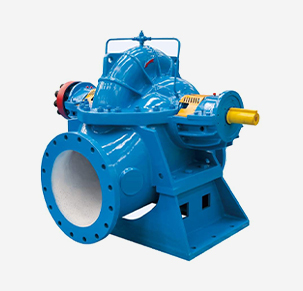
Horizontal slurry pumps are centrifugal pumps specifically designed for the transportation of abrasive and erosive fluids – commonly known as slurries. Positioned critically within the mining, wastewater treatment, chemical processing, and dredging industries, these pumps bridge the gap between raw material processing and subsequent refinement or disposal. Unlike standard centrifugal pumps, horizontal slurry pumps incorporate robust construction, specialized impeller designs, and wear-resistant materials to withstand the damaging effects of suspended solids. Core performance characteristics center on volumetric flow rate (typically measured in gallons per minute or cubic meters per hour), differential head (expressed in feet or meters), and solids handling capability (defined by particle size and concentration). The selection criteria depend heavily on the slurry’s composition, abrasiveness, and the overall system’s head loss calculations. A primary industry pain point revolves around balancing pump longevity with operational efficiency; frequent maintenance cycles due to wear and tear significantly impact productivity and increase operational costs.
Material Science & Manufacturing
The performance and lifespan of a horizontal slurry pump are fundamentally dictated by the materials used in its construction. Pump casings are commonly manufactured from high-chromium cast iron (typically 26-28% Cr) for excellent abrasion resistance, or alternatively from ductile iron with rubber or ceramic linings for highly abrasive slurries. Impellers are often constructed from similar high-chromium alloys or utilize specialized materials like polyurethane elastomers for improved erosion resistance. Shafts are typically made from alloy steels (e.g., 4140, 4340) hardened and tempered to withstand torsional stress and bending loads. Seals are crucial, and options include mechanical seals with various face materials (silicon carbide, tungsten carbide) and elastomers (Viton, EPDM) selected based on fluid compatibility.
Manufacturing processes involve several key steps. Casings are typically produced using sand casting, followed by heat treatment and surface finishing. Impellers are often investment cast for complex geometries and tight tolerances. Welding plays a significant role in assembling pump components; submerged arc welding (SAW) is frequently used for casing fabrication due to its high deposition rate and weld quality. Critical parameters include weld penetration, heat input, and post-weld heat treatment to minimize distortion and cracking. Rubber linings are applied using vulcanization processes, ensuring a strong bond and consistent thickness. Quality control involves non-destructive testing (NDT) such as radiographic inspection (RT) and ultrasonic testing (UT) to detect internal flaws in castings and welds. Precise machining of impeller vanes and casing volutes is essential for achieving optimal hydraulic performance. Parameter control throughout the manufacturing process—including alloy composition verification, heat treatment cycles, and dimensional accuracy—is paramount for ensuring reliability.
Performance & Engineering
The performance of a horizontal slurry pump is governed by fundamental principles of fluid dynamics and mechanical engineering. Force analysis involves evaluating hydraulic forces exerted on the impeller, radial loads on the shaft, and thrust loads generated by pressure differentials. Proper bearing selection and shaft design are critical for mitigating these forces and preventing premature failure. Environmental resistance is another significant consideration. Pumps operating in corrosive environments require careful material selection and protective coatings to prevent chemical attack. Temperature extremes can affect material properties and seal performance, necessitating appropriate design modifications. The pump’s net positive suction head required (NPSHr) must be carefully matched to the available NPSH in the system to avoid cavitation, a phenomenon that causes erosion and reduces pump efficiency.
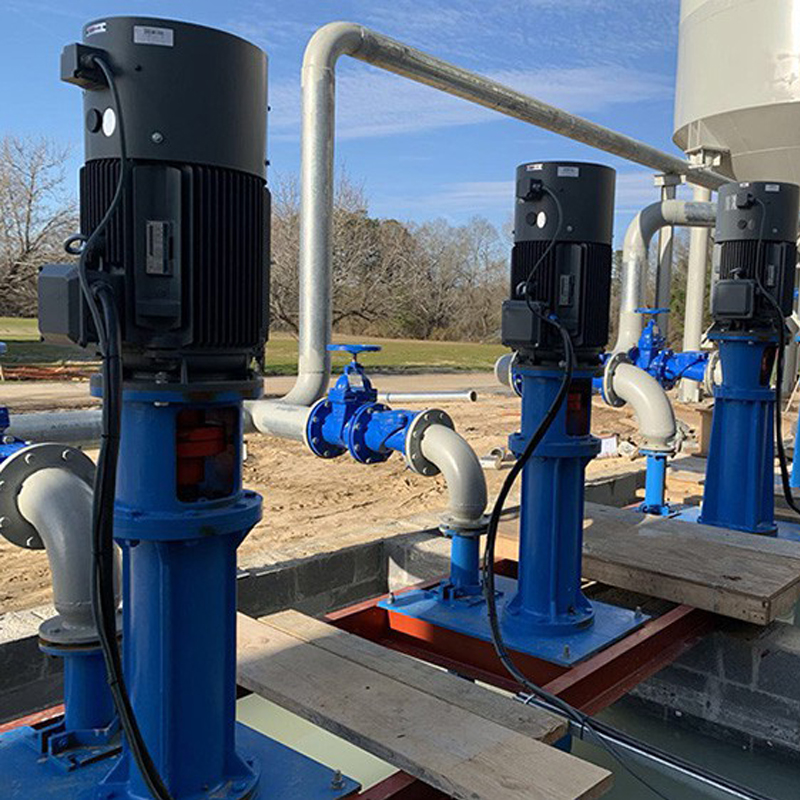
Compliance requirements vary depending on the application and region. In the mining industry, pumps must often comply with MSHA (Mine Safety and Health Administration) standards. Wastewater treatment applications may necessitate compliance with EPA (Environmental Protection Agency) regulations regarding pump efficiency and leakage. For pumps handling hazardous materials, compliance with ATEX (Atmosphères Explosibles) directives is essential. Functional implementation often requires careful consideration of system hydraulics. Proper piping layout, valve selection, and strainer design can minimize head loss and ensure optimal pump performance. Variable frequency drives (VFDs) are frequently employed to control pump speed and flow rate, optimizing energy consumption and providing process control flexibility.
Technical Specifications
| Parameter | Unit | Typical Range (Small Pump) | Typical Range (Large Pump) |
|---|---|---|---|
| Flow Rate | GPM (US) | 50-250 | 500-5000 |
| Head | ft | 20-80 | 100-300 |
| Solids Handling | in | Up to 1 | Up to 6 |
| Slurry Concentration | % by weight | Up to 30 | Up to 70 |
| Pump Speed | RPM | 500-1800 | 500-1500 |
| Power | HP | 5-25 | 50-250 |
Failure Mode & Maintenance
Horizontal slurry pumps are susceptible to several failure modes. Erosion is a primary concern, particularly in areas of high fluid velocity, such as impeller vanes and casing volutes. Fatigue cracking can occur in shafts and impellers due to cyclic loading. Corrosion can lead to material degradation, especially when handling aggressive slurries. Mechanical seal failures are common, often caused by abrasive particles or chemical incompatibility. Cavitation, resulting from insufficient NPSH, causes rapid erosion and reduces pump efficiency. Bearing failures can occur due to inadequate lubrication or excessive loads.
Preventive maintenance is crucial for maximizing pump lifespan. Regular inspections should be conducted to identify signs of wear or corrosion. Impeller and casing replacements are inevitable, with the frequency depending on the abrasiveness of the slurry. Seal replacements should be performed proactively to prevent leakage and potential damage to other components. Bearing lubrication schedules must be strictly adhered to. Vibration analysis can detect early signs of imbalance or misalignment. Failure analysis is essential for determining the root cause of failures and implementing corrective actions. This often involves metallurgical examination of failed components to identify wear mechanisms and material defects. Implementing a robust maintenance program – including regular monitoring, scheduled replacements, and thorough failure analysis – is critical for minimizing downtime and optimizing operational costs.
Industry FAQ
Q: What material selection considerations are most important when pumping highly abrasive silica slurries?
A: For silica slurries, high-chromium cast iron is a common choice, but its erosion rate can still be significant. Consider utilizing polyurethane elastomer liners or ceramic coatings in areas of high wear, such as the impeller and casing. The hardness of the silica particles is crucial; higher hardness necessitates more wear-resistant materials. Careful attention to slurry velocity is also essential; lower velocities reduce erosion rates.
Q: How can I minimize cavitation damage in my slurry pump system?
A: Ensure sufficient NPSH is available by minimizing suction lift, increasing tank pressure, or reducing fluid temperature. Verify that the pump’s NPSHr is lower than the available NPSH in the system. Properly size the suction piping to reduce friction losses. Inspect the impeller for wear or damage, as this can alter its hydraulic characteristics and increase the risk of cavitation.
Q: What is the role of the impeller design in a horizontal slurry pump?
A: The impeller design is critical for handling solids and maximizing pump efficiency. Impellers for slurry pumps typically have open or semi-open designs to prevent clogging. Vane geometry is optimized to minimize erosion and maximize hydraulic performance. Impeller diameter and rotational speed are key factors in determining flow rate and head.
Q: What are the advantages and disadvantages of using mechanical seals versus packing in slurry pump applications?
A: Mechanical seals offer lower leakage rates and reduced maintenance requirements compared to packing, but they are more susceptible to damage from abrasive particles. Packing is more tolerant of solids but requires more frequent adjustment and replacement. The choice depends on the slurry’s abrasiveness, the fluid’s pressure and temperature, and the desired level of reliability.
Q: How does the slurry’s specific gravity affect pump selection and performance?
A: Higher specific gravity slurries require more power to pump and generate higher forces on pump components. Pump curves must be adjusted to account for the slurry’s density. Bearing and shaft designs may need to be strengthened to handle the increased loads. The pump's overall head requirements will also increase with higher slurry density.
Conclusion
Horizontal slurry pumps represent a crucial component in numerous industrial processes, demanding robust design and meticulous material selection to address the unique challenges posed by abrasive and erosive fluids. Understanding the interplay between material science, manufacturing processes, and hydraulic principles is paramount for optimizing pump performance and minimizing downtime. Selecting the appropriate pump for a specific application necessitates a comprehensive evaluation of slurry characteristics – including particle size, concentration, and chemical composition – alongside a thorough assessment of system requirements such as flow rate, head, and NPSH availability.
Future trends in horizontal slurry pump technology will likely focus on enhancing wear resistance through advanced materials and coatings, optimizing hydraulic efficiency through computational fluid dynamics (CFD) modeling, and integrating intelligent monitoring systems for predictive maintenance. The continued development of these technologies will be instrumental in improving pump reliability, reducing operational costs, and enhancing the overall sustainability of industrial processes. The integration of sensor technology and data analytics will enable proactive identification of potential failures, facilitating timely maintenance interventions and maximizing pump uptime.
-
Precision at the Pump: How Better Machining Protects Flow and Uptime
News2026-11-20
-
Why Pump Reliability Begins Before the First Drop of Fluid
News2026-11-20
-
Beyond the Pump: Designing Safer Access Around Critical Water Infrastructure
News2026-11-20
-
Why Pumping Stations Depend on the Infrastructure Beneath the Pumps
News2026-11-20
-
Beyond the Pump Room: How Smarter Loading Protects Industrial Equipment
News2026-11-19
-
When Pumps Stop: Designing More Resilient Power for Critical Pumping Systems
News2026-11-19
-
The Hidden Role of Dust and Gas Monitoring in Reliable Pump Operations
News2026-11-19
-
The Hidden Role of Mineral Compounds in Extending Industrial Pump Lifespan
News2026-10-12
-
Why Pump System Reliability Depends on Precision Hose Assembly Methods
News2026-09-15
-
How Advanced Imaging Films Are Transforming Pump Component Quality Control
News2026-08-25
-
How Advanced Filtration Protects Pump Systems from Premature Wear and Costly Downtime
News2026-08-25
-
How Steel Material Selection Drives Pump Reliability in Heavy-Duty Systems
News2026-08-25
-
Ensuring Pump System Efficiency: The Role of High-Quality Pipe Fittings and Tubing
News2026-08-24
-
Optimizing Fluid Dynamics and Material Consistency in Industrial Processing
News2026-08-18
-
Innovations and Challenges in Hydraulic Systems for Heavy Machinery
News2026-08-13




