English
- Afrikaans
- Albanian
- Amharic
- Arabic
- Armenian
- Azerbaijani
- Basque
- Belarusian
- Bengali
- Bosnian
- Bulgarian
- Catalan
- Cebuano
- Corsican
- Croatian
- Czech
- Danish
- Dutch
- English
- Esperanto
- Estonian
- Finnish
- French
- Frisian
- Galician
- Georgian
- German
- Greek
- Gujarati
- Haitian Creole
- hausa
- hawaiian
- Hebrew
- Hindi
- Miao
- Hungarian
- Icelandic
- igbo
- Indonesian
- irish
- Italian
- Japanese
- Javanese
- Kannada
- kazakh
- Khmer
- Rwandese
- Korean
- Kurdish
- Kyrgyz
- Lao
- Latin
- Latvian
- Lithuanian
- Luxembourgish
- Macedonian
- Malgashi
- Malay
- Malayalam
- Maltese
- Maori
- Marathi
- Mongolian
- Myanmar
- Nepali
- Norwegian
- Norwegian
- Occitan
- Pashto
- Persian
- Polish
- Portuguese
- Punjabi
- Romanian
- Russian
- Samoan
- Scottish Gaelic
- Serbian
- Sesotho
- Shona
- Sindhi
- Sinhala
- Slovak
- Slovenian
- Somali
- Spanish
- Sundanese
- Swahili
- Swedish
- Tagalog
- Tajik
- Tamil
- Tatar
- Telugu
- Thai
- Turkish
- Turkmen
- Ukrainian
- Urdu
- Uighur
- Uzbek
- Vietnamese
- Welsh
- Bantu
- Yiddish
- Yoruba
- Zulu

Telephone: +86 13120555503
Email: frank@cypump.com


Apr . 01, 2024 17:55 Back to list
horizontal slurry pump peristaltic pump Performance Analysis
Introduction
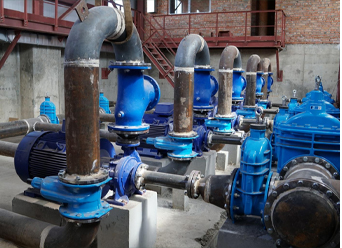
Horizontal slurry pump peristaltic pumps represent a significant advancement in fluid transfer technology, particularly within abrasive and corrosive industrial applications. Unlike traditional positive displacement pumps, peristaltic pumps operate by progressively compressing a flexible tube with rollers, creating a cavity that moves fluid along its length. This design minimizes contact between the fluid and pump components, making them ideally suited for handling aggressive slurries commonly found in mining, wastewater treatment, chemical processing, and other demanding sectors. Their inherent seal-less design eliminates the risk of leakage and contamination, crucial for maintaining process integrity and environmental compliance. The horizontal configuration further enhances accessibility for maintenance and reduces the overall footprint, simplifying integration into existing plant layouts. Core performance metrics revolve around flow rate, pressure head, and the pump’s ability to maintain prime even with variable fluid viscosities and solids content. This guide will delve into the material science, manufacturing processes, performance characteristics, potential failure modes, and industry standards relevant to horizontal slurry pump peristaltic pumps.
Material Science & Manufacturing
The performance and longevity of a horizontal slurry pump peristaltic pump are intrinsically linked to the material selection for both the pump housing and, critically, the peristaltic tube. Pump housings are commonly constructed from cast iron (ASTM A48 Class 30) for its robustness and cost-effectiveness, or stainless steel (316L, conforming to ASTM A240) for enhanced corrosion resistance in aggressive chemical environments. The roller assembly, responsible for compressing the tube, typically utilizes hardened tool steel (e.g., 440C stainless steel) to withstand continuous abrasion. However, the peristaltic tube material dictates the pump's compatibility with specific slurries. Common materials include: Natural Rubber (NBR) offering good abrasion resistance for less aggressive slurries; EPDM rubber providing excellent resistance to acids, alkalis, and solvents, but with limited abrasion resistance; Viton (FKM) exhibiting superior chemical resistance and temperature stability but at a higher cost; and thermoplastic elastomers (TPE) like Santoprene, which balance abrasion resistance, chemical compatibility, and flexibility. Manufacturing processes for the pump housing involve casting (for iron) followed by machining and surface treatment (epoxy coating for corrosion protection). The peristaltic tube is typically manufactured through extrusion, ensuring dimensional accuracy and consistent wall thickness. The tube is then bonded to the pump head using adhesives specifically formulated for the chosen tube material, creating a leak-proof seal. Critical parameter control during manufacturing includes ensuring precise roller alignment, consistent tube compression, and adherence to strict tolerances for all components to guarantee optimal pumping performance and minimize tube wear. Welding processes (SMAW or GTAW) employed in steel housing fabrication must adhere to AWS D1.1 standards to ensure structural integrity.
Performance & Engineering
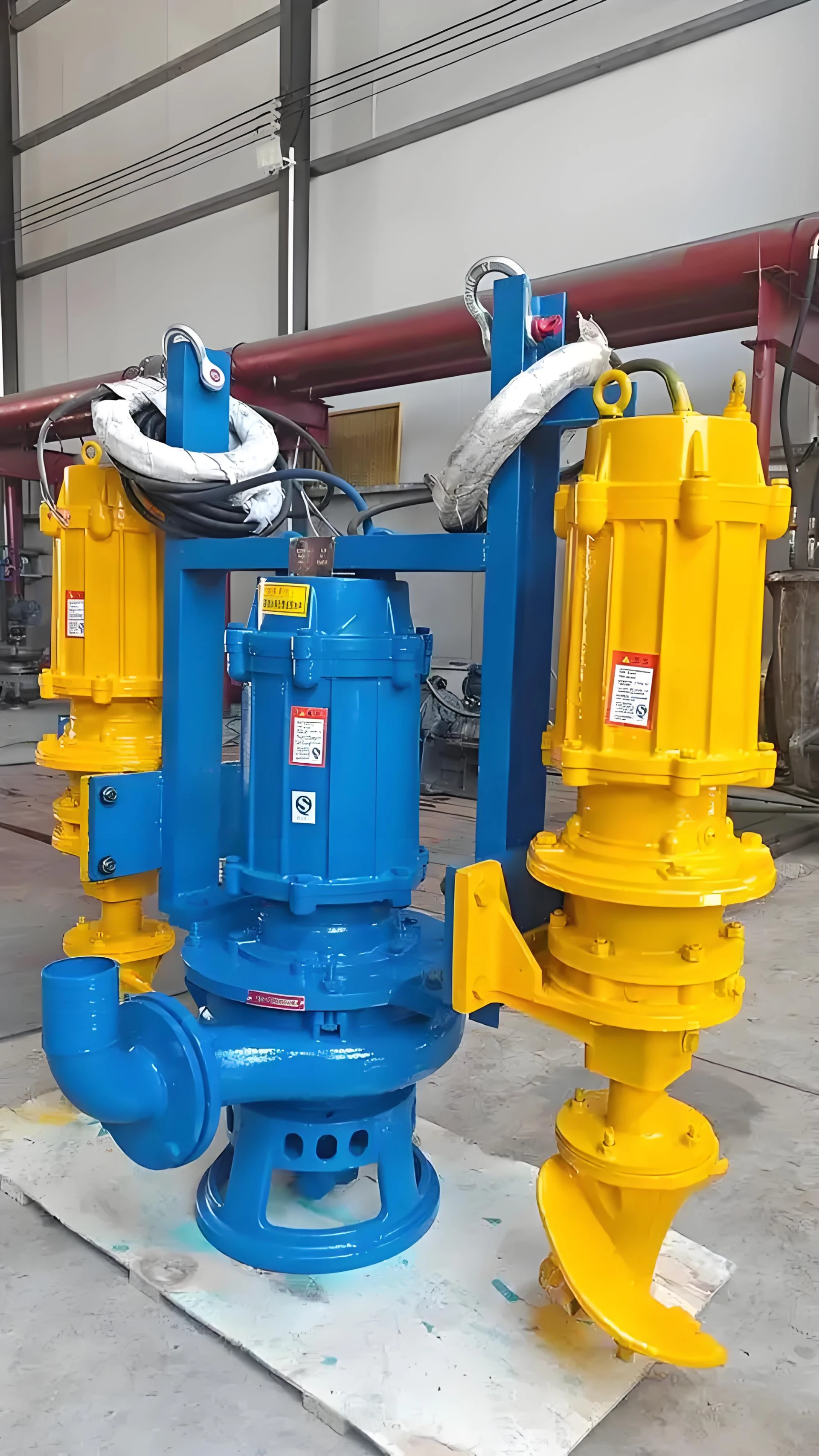
The performance of a horizontal slurry pump peristaltic pump is governed by several key engineering principles. Flow rate is directly proportional to the tube diameter, pump head speed (RPM), and tube compression. Pressure head, the maximum height the pump can lift the slurry, is limited by the tube material’s tensile strength and the pump’s mechanical design. Force analysis is crucial in determining the optimal roller geometry and compression force to maximize pumping efficiency while minimizing tube fatigue. Environmental resistance is paramount, particularly in demanding applications. Extreme temperatures can degrade tube elasticity, leading to reduced performance and premature failure. UV exposure can similarly affect certain tube materials. The pump's design must account for these factors, potentially incorporating protective shielding or selecting UV-resistant tube compounds. Compliance requirements are stringent, especially in industries dealing with hazardous materials. Pumps used in these applications must conform to standards like ATEX (for explosive atmospheres) and EHEDG (for hygienic applications). The pump's fluid path must be designed to minimize dead legs and facilitate complete drainage to prevent residual material buildup. Cavitation, though less common in peristaltic pumps compared to centrifugal pumps, can occur if the suction conditions are unfavorable. Maintaining a positive suction head and avoiding excessive pumping speeds can mitigate this risk. Furthermore, the pump's ability to handle solids depends on the particle size and concentration. Exceeding the pump’s solids handling capability can lead to tube blockage and pump failure.
Technical Specifications
| Parameter | Unit | Typical Value (Range) | Industry Standard/Test Method |
|---|---|---|---|
| Maximum Flow Rate | LPM (Gallons per Minute) | 0.1 – 150 (0.026 – 39.6) | ISO 10431 |
| Maximum Discharge Pressure | Bar (PSI) | 1 – 5 (14.5 – 72.5) | DIN EN ISO 4413 |
| Tube Material | - | NBR, EPDM, Viton, Santoprene | ASTM D2000 |
| Pump Housing Material | - | Cast Iron, Stainless Steel 316L | ASTM A48 / ASTM A240 |
| Solids Handling Capability | mm (inches) | Up to 25 (1) | Dependent on tube ID |
| Operating Temperature Range | °C (°F) | -30 to 120 (-22 to 248) (dependent on tube material) | ASTM D395 |
Failure Mode & Maintenance
Horizontal slurry pump peristaltic pumps, while robust, are susceptible to specific failure modes. The most common is tube failure, manifesting as cracking, swelling, or delamination. This is primarily caused by exceeding the tube’s pressure limits, chemical incompatibility, or abrasion from aggressive solids. Fatigue cracking can occur due to continuous flexing of the tube, exacerbated by improper roller alignment or excessive pumping speeds. Pump housing failures, although less frequent, can result from corrosion (particularly in cast iron housings) or mechanical stress. Roller bearing failure is also a potential issue, leading to reduced pumping efficiency and increased noise. Preventive maintenance is crucial. Regular inspection of the peristaltic tube for signs of wear or damage is essential. Tube replacement should be performed according to the manufacturer’s recommendations and based on the severity of the application. Lubrication of roller bearings should be carried out at scheduled intervals. Periodic cleaning of the pump housing and surrounding area prevents buildup of slurry deposits. For corrosion prevention, applying a protective coating (e.g., epoxy) to the cast iron housing can significantly extend its lifespan. Troubleshooting typically involves checking for blockages in the tube, verifying proper roller alignment, and ensuring the pump is operating within its specified pressure and flow rate limits. Detailed failure analysis, including microscopic examination of the failed tube, can identify the root cause of the failure and inform preventative measures.
Industry FAQ
Q: What is the impact of slurry particle size on peristaltic pump tube life?
A: Larger and more abrasive particle sizes significantly reduce peristaltic tube life. The abrasive action accelerates wear on the inner tube surface, leading to premature failure. Selecting a tube material with high abrasion resistance (e.g., a reinforced TPE) and minimizing particle size through pre-screening or settling can mitigate this issue. Maintaining a lower pumping speed also reduces the impact force of the particles.
Q: How does chemical compatibility affect the choice of peristaltic tube material?
A: Chemical incompatibility can cause the tube material to swell, soften, or degrade, leading to loss of elasticity and eventual failure. A thorough chemical compatibility chart should be consulted before selecting a tube material. Factors to consider include the type of chemicals, their concentration, temperature, and exposure duration.
Q: What are the advantages of a horizontal configuration compared to a vertical peristaltic pump?
A: Horizontal configurations offer easier access for maintenance and repair, reducing downtime. They also generally have a smaller footprint, simplifying integration into existing plant layouts. Vertical pumps are often preferred for self-priming applications, but horizontal pumps are more common for continuous slurry transfer.
Q: How do I determine the appropriate pump speed to maximize tube life and flow rate?
A: Pump speed is a trade-off between flow rate and tube life. Higher speeds deliver higher flow rates but accelerate tube wear. The optimal speed depends on the slurry’s properties, tube material, and desired flow rate. Starting with a lower speed and gradually increasing it while monitoring tube wear is recommended.
Q: What safety considerations are important when handling abrasive slurries with peristaltic pumps?
A: Abrasive slurries can generate significant wear and potentially lead to pump component failure. Implementing regular inspection and maintenance schedules is critical. Using appropriate personal protective equipment (PPE) during maintenance is essential. Ensure the pump is properly grounded to prevent static electricity buildup, especially when handling flammable slurries. Consider installing pressure relief valves to prevent over-pressurization.
Conclusion
Horizontal slurry pump peristaltic pumps represent a robust and reliable solution for transferring abrasive and corrosive fluids in a wide range of industrial applications. Their seal-less design, coupled with the flexibility in tube material selection, provides exceptional compatibility and minimizes the risk of contamination. However, careful consideration must be given to material selection, operating parameters, and preventative maintenance to ensure optimal performance and longevity.
Future developments are likely to focus on advanced tube materials with enhanced abrasion resistance and chemical compatibility, as well as intelligent pump control systems that automatically adjust pumping speed and pressure to optimize tube life and energy efficiency. Ongoing research into predictive maintenance techniques, utilizing sensor data to monitor tube wear and predict failure, will further enhance the reliability and cost-effectiveness of these pumps.
-
Precision at the Pump: How Better Machining Protects Flow and Uptime
News2026-11-20
-
Why Pump Reliability Begins Before the First Drop of Fluid
News2026-11-20
-
Beyond the Pump: Designing Safer Access Around Critical Water Infrastructure
News2026-11-20
-
Why Pumping Stations Depend on the Infrastructure Beneath the Pumps
News2026-11-20
-
Beyond the Pump Room: How Smarter Loading Protects Industrial Equipment
News2026-11-19
-
When Pumps Stop: Designing More Resilient Power for Critical Pumping Systems
News2026-11-19
-
The Hidden Role of Dust and Gas Monitoring in Reliable Pump Operations
News2026-11-19
-
The Hidden Role of Mineral Compounds in Extending Industrial Pump Lifespan
News2026-10-12
-
Why Pump System Reliability Depends on Precision Hose Assembly Methods
News2026-09-15
-
How Advanced Imaging Films Are Transforming Pump Component Quality Control
News2026-08-25
-
How Advanced Filtration Protects Pump Systems from Premature Wear and Costly Downtime
News2026-08-25
-
How Steel Material Selection Drives Pump Reliability in Heavy-Duty Systems
News2026-08-25
-
Ensuring Pump System Efficiency: The Role of High-Quality Pipe Fittings and Tubing
News2026-08-24
-
Optimizing Fluid Dynamics and Material Consistency in Industrial Processing
News2026-08-18
-
Innovations and Challenges in Hydraulic Systems for Heavy Machinery
News2026-08-13




