English
- Afrikaans
- Albanian
- Amharic
- Arabic
- Armenian
- Azerbaijani
- Basque
- Belarusian
- Bengali
- Bosnian
- Bulgarian
- Catalan
- Cebuano
- Corsican
- Croatian
- Czech
- Danish
- Dutch
- English
- Esperanto
- Estonian
- Finnish
- French
- Frisian
- Galician
- Georgian
- German
- Greek
- Gujarati
- Haitian Creole
- hausa
- hawaiian
- Hebrew
- Hindi
- Miao
- Hungarian
- Icelandic
- igbo
- Indonesian
- irish
- Italian
- Japanese
- Javanese
- Kannada
- kazakh
- Khmer
- Rwandese
- Korean
- Kurdish
- Kyrgyz
- Lao
- Latin
- Latvian
- Lithuanian
- Luxembourgish
- Macedonian
- Malgashi
- Malay
- Malayalam
- Maltese
- Maori
- Marathi
- Mongolian
- Myanmar
- Nepali
- Norwegian
- Norwegian
- Occitan
- Pashto
- Persian
- Polish
- Portuguese
- Punjabi
- Romanian
- Russian
- Samoan
- Scottish Gaelic
- Serbian
- Sesotho
- Shona
- Sindhi
- Sinhala
- Slovak
- Slovenian
- Somali
- Spanish
- Sundanese
- Swahili
- Swedish
- Tagalog
- Tajik
- Tamil
- Tatar
- Telugu
- Thai
- Turkish
- Turkmen
- Ukrainian
- Urdu
- Uighur
- Uzbek
- Vietnamese
- Welsh
- Bantu
- Yiddish
- Yoruba
- Zulu

Telephone: +86 13120555503
Email: frank@cypump.com


Apr . 01, 2024 17:55 Back to list
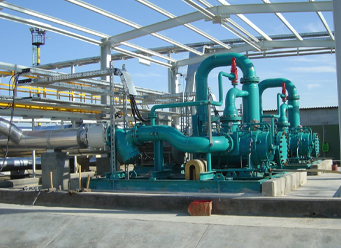
horizontal chemical pipeline centrifugal pump Performance Analysis
Introduction
Horizontal chemical pipeline centrifugal pumps are integral components in numerous industrial processes involving the transfer of corrosive and abrasive fluids. These pumps, positioned within the broader centrifugal pump family, are specifically engineered for handling chemical solutions across diverse sectors including chemical processing, wastewater treatment, pharmaceutical manufacturing, and mining. Their horizontal configuration offers ease of maintenance and accessibility. Core performance characteristics center around achieving consistent flow rates and pressures while maintaining fluid integrity and preventing leakage. A critical pain point in the industry is ensuring material compatibility to avoid corrosion and subsequent equipment failure, coupled with maintaining pump efficiency over extended operational periods under varying chemical concentrations and temperatures. This guide will provide a detailed technical overview of horizontal chemical pipeline centrifugal pumps, covering material science, manufacturing processes, performance parameters, failure modes, and relevant industry standards.
Material Science & Manufacturing
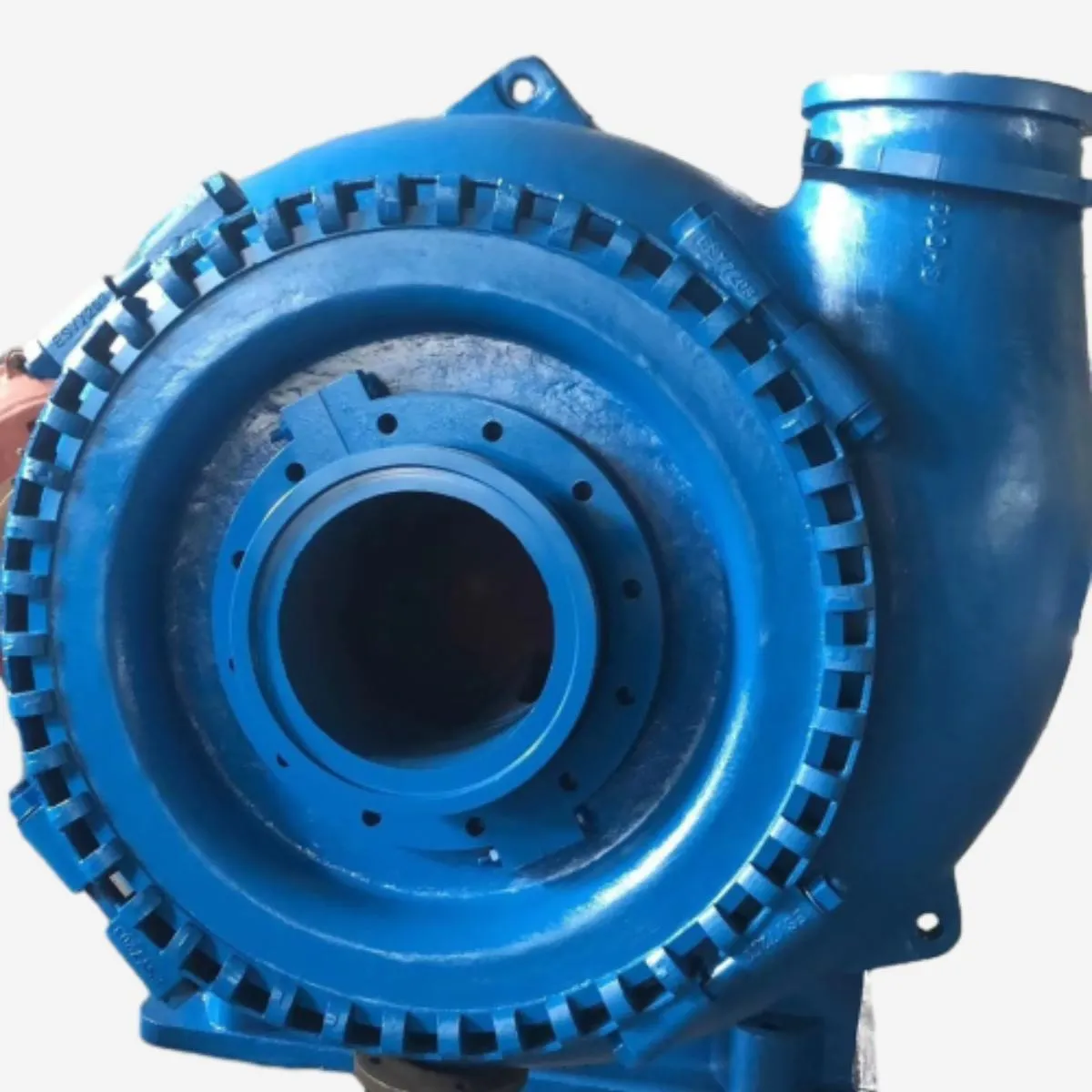
The performance and longevity of a horizontal chemical pipeline centrifugal pump are fundamentally dependent on the materials used in its construction. Pump casings are frequently fabricated from ductile iron (ASTM A536 65-45-12), stainless steel (316/316L, conforming to ASTM A743), or specialized alloys like Hastelloy (B-3, C-276) and Alloy 20. The selection hinges on the chemical resistance required for the specific fluid being pumped. Impellers, the rotating component responsible for imparting kinetic energy to the fluid, typically utilize similar materials to the casing, often with additional surface treatments or coatings (e.g., PTFE lining) to enhance corrosion resistance. Shafts are commonly made from high-strength stainless steel (410 or 17-4 PH) capable of withstanding torsional stress. Seals represent a critical point; mechanical seals, employing materials like silicon carbide (SiC) against carbon or ceramic, are preferred for their superior sealing capabilities and resistance to chemical attack. Manufacturing processes involve casting (for casings and impellers), forging (for shafts), and precision machining. Welding, when employed, necessitates stringent quality control, including radiographic inspection (ASTM E709) and dye penetrant testing (ASTM E165), to ensure structural integrity and prevent corrosion initiation at weld joints. Parameter control during casting is critical for achieving desired impeller hydraulic profiles. Surface finishing, such as electropolishing, is often applied to stainless steel components to reduce surface roughness and enhance corrosion resistance. The selection of elastomers (e.g., Viton, EPDM) for O-rings and gaskets requires meticulous consideration of chemical compatibility and temperature range.
Performance & Engineering
The performance of a horizontal chemical pipeline centrifugal pump is governed by several key engineering principles. Pump head (expressed in meters or feet) is directly related to impeller diameter and rotational speed. Flow rate (expressed in m³/hr or gpm) is influenced by impeller design, pump speed, and fluid viscosity. Net Positive Suction Head Required (NPSHr) is a critical parameter, dictating the minimum pressure required at the pump inlet to prevent cavitation – a phenomenon where vapor bubbles form and collapse, causing noise, vibration, and impeller damage. Cavitation can be mitigated by increasing suction pressure or reducing pump speed. Pump efficiency (expressed as a percentage) is affected by hydraulic losses within the impeller and volute, as well as mechanical losses due to bearing friction and seal leakage. Force analysis considers radial and axial thrust forces exerted on the shaft by the impeller. Axial thrust is particularly relevant in pumps with imbalanced impeller designs. These forces are addressed through bearing selection and, in some cases, the incorporation of thrust bearings. Environmental resistance is paramount; pumps must be capable of operating reliably within specified temperature ranges and humidity levels. Compliance requirements, such as those outlined in API 610 (Centrifugal Pumps), dictate safety standards, material traceability, and performance testing protocols. Furthermore, hydraulic institute standards define performance testing requirements. Proper pump selection involves matching pump curves (head vs. flow rate) to the system's resistance curve to achieve optimal operating points.
Technical Specifications
| Parameter | Unit | Typical Value (Range) | Industry Standard/Testing Method |
|---|---|---|---|
| Flow Rate | m³/hr | 10-500 | ISO 9906:2012 (Grade 2) |
| Head | m | 20-150 | ISO 9906:2012 (Grade 2) |
| Pump Speed | RPM | 1450-3600 | Dependent on motor and impeller design |
| NPSHr | m | 1.5-5.0 | Calculated per ISO 10441 |
| Fluid Temperature Range | °C | -20 to 180 | Dependent on seal and material selection |
| Maximum Solid Handling Size | mm | 0-10 (depending on impeller design) | Manufacturer Specification |
Failure Mode & Maintenance
Horizontal chemical pipeline centrifugal pumps are susceptible to various failure modes. Fatigue cracking in the pump casing and impeller can occur due to cyclical loading and stress corrosion cracking (SCC), particularly in corrosive environments. Delamination of coatings (e.g., PTFE) can lead to localized corrosion and reduced pump efficiency. Degradation of elastomers (seals, O-rings) due to chemical attack or thermal aging results in leakage. Oxidation and erosion of impeller vanes cause a reduction in head and flow rate. Bearing failure, evidenced by increased noise and vibration, can stem from inadequate lubrication or excessive load. Abrasive wear, prevalent when pumping fluids containing solids, leads to impeller and casing erosion. Preventive maintenance is crucial. This includes regular inspection of seals, bearings, and coatings; vibration analysis to detect bearing wear or imbalance; and monitoring of pump performance parameters (flow rate, head, pressure) to identify deviations from baseline values. Flushing mechanical seals with a clean buffer fluid prolongs seal life. Proper lubrication of bearings with compatible greases is essential. Periodic impeller cleaning removes deposits and restores hydraulic efficiency. When replacing components, strict adherence to material specifications is paramount to ensure chemical compatibility. Scheduled shutdowns for comprehensive inspections and overhauls are necessary to prevent catastrophic failures.
Industry FAQ
Q: What material selection considerations are most important when pumping highly concentrated sulfuric acid?
A: When handling highly concentrated sulfuric acid, the primary concern is corrosion resistance. Stainless steels, while generally good, are susceptible to attack at high concentrations and temperatures. Hastelloy alloys (specifically B-3 or C-276) and Alloy 20 are the preferred choices due to their superior resistance to sulfuric acid corrosion. The concentration, temperature, and flow velocity of the acid must be carefully considered when selecting the optimal material. Additionally, the mechanical seal materials must be compatible with sulfuric acid, typically utilizing silicon carbide and PTFE components.
Q: How does pump efficiency change with varying fluid viscosity?
A: Pump efficiency generally decreases with increasing fluid viscosity. Higher viscosity fluids create greater frictional losses within the pump, reducing hydraulic efficiency. The power required to pump a viscous fluid also increases. Pump curves are typically provided for water-like fluids; corrections must be applied when pumping viscous fluids using established correlations or manufacturer-provided data. In some cases, it may be necessary to select a larger pump or modify the impeller design to maintain acceptable efficiency.
Q: What are the critical steps in preventing cavitation?
A: Preventing cavitation involves ensuring adequate Net Positive Suction Head Available (NPSHa) exceeds the pump's NPSHr. This can be achieved by increasing suction line diameter, reducing suction line length, lowering pump elevation relative to the fluid source, increasing suction tank pressure, or reducing pump speed. Monitoring pump inlet pressure is crucial. Regular inspection of the impeller for signs of cavitation damage (pitting, erosion) is also recommended.
Q: What are the key advantages of using a mechanical seal over a packing gland in a chemical pump?
A: Mechanical seals offer significantly better sealing performance than packing glands, resulting in reduced leakage and environmental impact. They also require less maintenance, as they do not require regular tightening like packing glands. Mechanical seals are better suited for handling abrasive or corrosive fluids and can operate at higher pressures and temperatures. While initially more expensive, the long-term cost of ownership is often lower due to reduced maintenance and downtime.
Q: How often should the pump alignment be checked and corrected?
A: Pump alignment should be checked at least annually, and more frequently (e.g., every 6 months) in harsh operating environments or if excessive vibration is observed. Misalignment can lead to bearing failure, shaft damage, and increased energy consumption. Laser alignment tools provide the most accurate results. Re-alignment should be performed whenever the pump is disassembled or reassembled.
Conclusion
Horizontal chemical pipeline centrifugal pumps represent a critical technology in numerous industrial applications. Selecting the appropriate pump involves careful consideration of fluid characteristics, material compatibility, performance requirements, and potential failure modes. The selection of materials, particularly for the casing, impeller, and seals, dictates the pump’s resistance to corrosion and degradation. Strict adherence to industry standards and best practices in manufacturing, installation, and maintenance is essential for ensuring reliable and efficient operation.
Future trends in this field will likely focus on the development of more advanced materials, improved pump designs for enhanced efficiency, and the integration of predictive maintenance technologies (e.g., vibration analysis, condition monitoring) to minimize downtime and optimize operational costs. The increasing emphasis on sustainability will also drive demand for pumps with lower energy consumption and reduced leakage.
-
Precision at the Pump: How Better Machining Protects Flow and Uptime
News2026-11-20
-
Why Pump Reliability Begins Before the First Drop of Fluid
News2026-11-20
-
Beyond the Pump: Designing Safer Access Around Critical Water Infrastructure
News2026-11-20
-
Why Pumping Stations Depend on the Infrastructure Beneath the Pumps
News2026-11-20
-
Beyond the Pump Room: How Smarter Loading Protects Industrial Equipment
News2026-11-19
-
When Pumps Stop: Designing More Resilient Power for Critical Pumping Systems
News2026-11-19
-
The Hidden Role of Dust and Gas Monitoring in Reliable Pump Operations
News2026-11-19
-
The Hidden Role of Mineral Compounds in Extending Industrial Pump Lifespan
News2026-10-12
-
Why Pump System Reliability Depends on Precision Hose Assembly Methods
News2026-09-15
-
How Advanced Imaging Films Are Transforming Pump Component Quality Control
News2026-08-25
-
How Advanced Filtration Protects Pump Systems from Premature Wear and Costly Downtime
News2026-08-25
-
How Steel Material Selection Drives Pump Reliability in Heavy-Duty Systems
News2026-08-25
-
Ensuring Pump System Efficiency: The Role of High-Quality Pipe Fittings and Tubing
News2026-08-24
-
Optimizing Fluid Dynamics and Material Consistency in Industrial Processing
News2026-08-18
-
Innovations and Challenges in Hydraulic Systems for Heavy Machinery
News2026-08-13




