English
- Afrikaans
- Albanian
- Amharic
- Arabic
- Armenian
- Azerbaijani
- Basque
- Belarusian
- Bengali
- Bosnian
- Bulgarian
- Catalan
- Cebuano
- Corsican
- Croatian
- Czech
- Danish
- Dutch
- English
- Esperanto
- Estonian
- Finnish
- French
- Frisian
- Galician
- Georgian
- German
- Greek
- Gujarati
- Haitian Creole
- hausa
- hawaiian
- Hebrew
- Hindi
- Miao
- Hungarian
- Icelandic
- igbo
- Indonesian
- irish
- Italian
- Japanese
- Javanese
- Kannada
- kazakh
- Khmer
- Rwandese
- Korean
- Kurdish
- Kyrgyz
- Lao
- Latin
- Latvian
- Lithuanian
- Luxembourgish
- Macedonian
- Malgashi
- Malay
- Malayalam
- Maltese
- Maori
- Marathi
- Mongolian
- Myanmar
- Nepali
- Norwegian
- Norwegian
- Occitan
- Pashto
- Persian
- Polish
- Portuguese
- Punjabi
- Romanian
- Russian
- Samoan
- Scottish Gaelic
- Serbian
- Sesotho
- Shona
- Sindhi
- Sinhala
- Slovak
- Slovenian
- Somali
- Spanish
- Sundanese
- Swahili
- Swedish
- Tagalog
- Tajik
- Tamil
- Tatar
- Telugu
- Thai
- Turkish
- Turkmen
- Ukrainian
- Urdu
- Uighur
- Uzbek
- Vietnamese
- Welsh
- Bantu
- Yiddish
- Yoruba
- Zulu

Telephone: +86 13120555503
Email: frank@cypump.com


Apr . 01, 2024 17:55 Back to list
horizontal centrifugal oil pump/chemical pumps Performance Analysis
Introduction
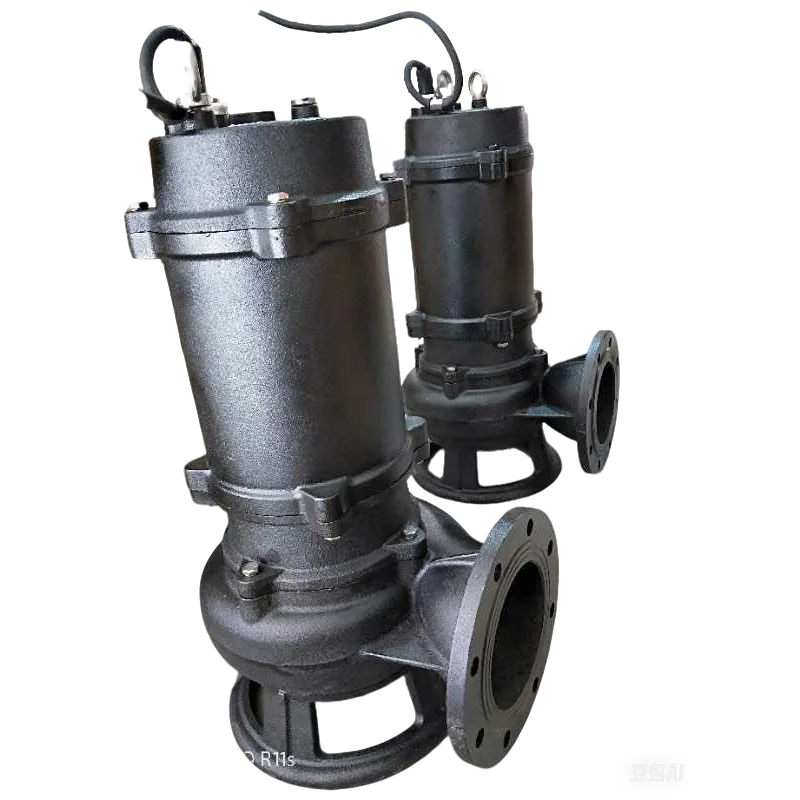
Horizontal centrifugal oil pumps and chemical pumps are rotodynamic pumps utilizing a rotating impeller to impart velocity to a fluid, subsequently converting this kinetic energy into pressure. They represent a foundational component within numerous industrial processes, serving primarily for the transfer of liquids in applications ranging from crude oil conveyance and petrochemical processing to water treatment and chemical manufacturing. Their horizontal configuration simplifies maintenance access, and the centrifugal design provides efficient and reliable fluid handling capabilities for a wide array of fluid viscosities and specific gravities. A key performance indicator is their ability to consistently achieve desired flow rates and discharge pressures, dictated by impeller design, rotational speed, and pump casing geometry. The selection of appropriate materials is critical given the often-corrosive or abrasive nature of the pumped media, presenting a major challenge for engineers and procurement specialists.
Material Science & Manufacturing
The construction of horizontal centrifugal pumps demands careful material selection based on fluid compatibility and operating conditions. Pump casings are frequently fabricated from cast iron (ASTM A48 Class 30 or higher for general service), ductile iron (ASTM A536 65-45-12 for improved strength and ductility), or stainless steel (304, 316, or duplex grades for corrosive environments). Impellers can be made from cast iron, bronze (ASTM B584), stainless steel, or polymer materials like polypropylene or PVDF for highly corrosive fluids. Shafts typically utilize alloy steels (4140, 4340) which undergo heat treatment to achieve optimal tensile strength and wear resistance. Seals are critical components and are often constructed from materials like PTFE, Viton (fluorocarbon rubber), or mechanical seals incorporating silicon carbide or tungsten carbide faces. Manufacturing processes include sand casting for casings and impellers, CNC machining for precision components like shafts and wear rings, and investment casting for complex impeller geometries. Welding processes, such as shielded metal arc welding (SMAW) and gas tungsten arc welding (GTAW), are utilized for joining casing sections. Critical parameter control during manufacturing focuses on dimensional accuracy, surface finish (to minimize friction and cavitation risk), and material hardness. Non-destructive testing (NDT) methods, including liquid penetrant inspection and ultrasonic testing, are implemented to identify defects and ensure structural integrity.
Performance & Engineering
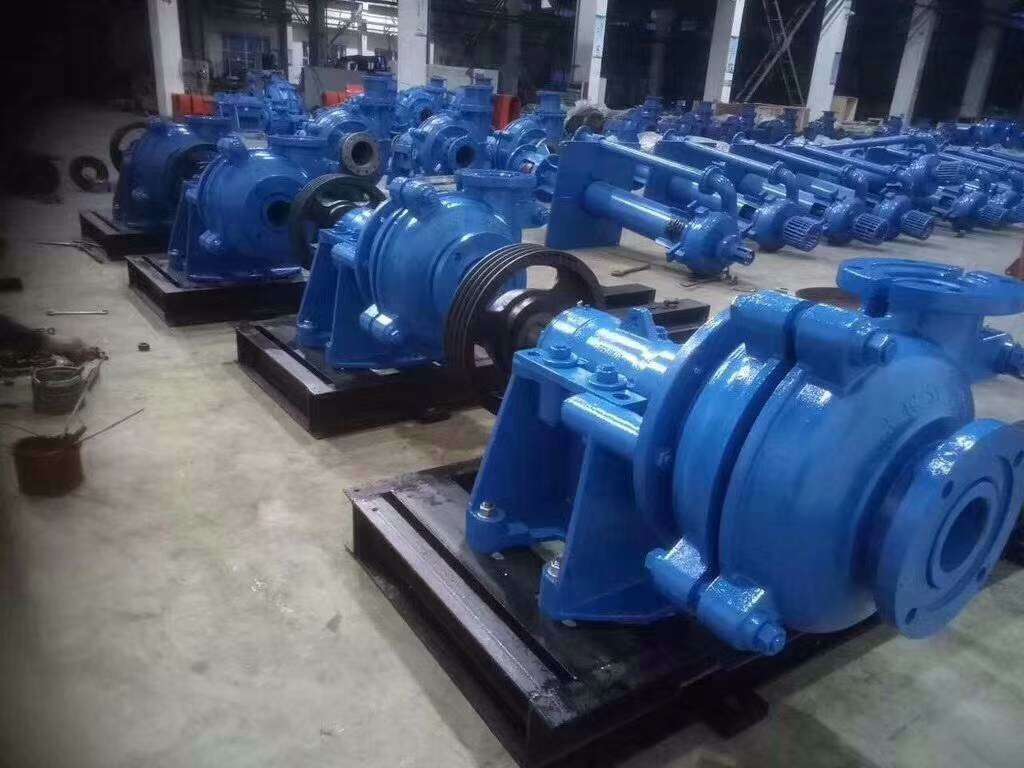
The performance of horizontal centrifugal pumps is fundamentally governed by the principles of fluid dynamics and the pump's affinity laws. Key engineering considerations include Net Positive Suction Head Required (NPSHr), which is the minimum absolute pressure required at the pump suction to prevent cavitation. Cavitation, the formation and collapse of vapor bubbles, can lead to impeller erosion and reduced pump efficiency. Pump curves, generated through hydraulic testing, depict the relationship between flow rate, head (pressure), and efficiency. Force analysis is essential, particularly concerning radial loads induced by impeller imbalance and axial thrust resulting from pressure differentials. Bearing selection is critical for supporting these loads and ensuring long-term reliability. Environmental resistance is addressed through appropriate material selection and protective coatings. For example, pumps operating in corrosive atmospheres may require epoxy or fluoropolymer coatings. Compliance requirements are dictated by industry standards such as API 610 (Centrifugal Pumps – Refinery Service) and ISO 13709 (Petroleum and natural gas industries — Pumps for surface applications), which specify design, testing, and documentation requirements. Furthermore, hydraulic institute standards (HI) provide guidelines for pump performance testing and interpretation of results. Proper pump alignment with the driver (typically an electric motor) is essential to minimize vibration and bearing wear.
Technical Specifications
| Parameter | Unit | Typical Range (Oil Pump) | Typical Range (Chemical Pump) |
|---|---|---|---|
| Flow Rate | m³/h | 10 – 500 | 1 – 200 |
| Discharge Head | m | 20 – 150 | 5 – 80 |
| Suction Pressure | MPa | -0.1 – 0.5 | -0.5 – 1.0 |
| Fluid Temperature | °C | -20 – 120 | -40 – 180 |
| Maximum Solids Content | % by weight | 0 – 5 | 0 – 20 |
| Pump Material (Casing) | - | Cast Iron, Ductile Iron | Stainless Steel (316, Duplex), PP, PVDF |
Failure Mode & Maintenance
Horizontal centrifugal pumps are susceptible to several failure modes. Cavitation, as previously mentioned, leads to impeller erosion. Mechanical seal failure is a common occurrence, often resulting from abrasion, chemical attack, or improper installation. Bearing failure can occur due to inadequate lubrication, misalignment, or excessive loading. Corrosion and erosion of pump components are prevalent in aggressive fluid applications. Fatigue cracking can develop in casings and impellers under cyclic loading. Pump misalignment induces vibration, leading to accelerated wear of bearings and seals. Preventive maintenance strategies include regular visual inspections for leaks and corrosion, vibration analysis to detect bearing issues, oil analysis to assess lubricant condition, and seal flushing to remove abrasive particles. Impeller balancing is crucial to minimize vibration. Periodic inspection and replacement of wear rings are necessary to maintain pump efficiency. Scheduled overhaul and replacement of seals and bearings based on operating hours and fluid conditions are also essential. Root cause failure analysis (RCFA) should be performed on catastrophic failures to identify underlying issues and prevent recurrence.
Industry FAQ
Q: What is the impact of fluid viscosity on pump performance?
A: Increased fluid viscosity results in reduced pump flow rate and increased discharge head. Higher viscosity fluids require more power to pump and can lead to increased friction losses within the pump. Pump curves are typically generated using water, and corrections must be applied to account for viscosity when pumping more viscous fluids. Selection of a pump designed for viscous fluids or a speed adjustment may be required.
Q: How do I determine the appropriate NPSHr for my application?
A: NPSHr is typically provided by the pump manufacturer. It's crucial to ensure that the Net Positive Suction Head Available (NPSHa) in your system exceeds the NPSHr by a sufficient margin (typically at least 0.5-1 meter) to prevent cavitation. NPSHa is calculated based on system pressure, fluid vapor pressure, and elevation differences. Improper calculation or insufficient NPSHa will lead to pump damage.
Q: What are the benefits of using a mechanical seal versus a packing gland?
A: Mechanical seals offer lower leakage rates and reduced maintenance requirements compared to packing glands. They provide a more reliable seal, especially for hazardous or environmentally sensitive fluids. However, mechanical seals are generally more expensive and can be more susceptible to damage from abrasive particles or dry running.
Q: What is the role of a strainer or filter in a centrifugal pump system?
A: Strainers and filters are essential for protecting the pump and downstream equipment from damage caused by solids in the fluid. They remove particulate matter that could erode impellers, wear seals, or clog pipelines. Regular cleaning or replacement of the filter element is critical for maintaining pump performance.
Q: How does impeller trim affect pump performance?
A: Trimming the impeller diameter reduces both the flow rate and head of the pump. It’s a common practice for fine-tuning pump performance to match specific system requirements. However, excessive trimming can significantly reduce pump efficiency and increase the risk of cavitation. Always consult the pump manufacturer’s guidelines before trimming an impeller.
Conclusion
Horizontal centrifugal oil and chemical pumps remain a cornerstone of fluid transfer operations across diverse industrial sectors. Their selection and implementation necessitate a comprehensive understanding of fluid properties, material compatibility, and performance characteristics. Effective maintenance practices, focused on preventative measures and proactive failure analysis, are paramount to ensuring long-term reliability and minimizing downtime. Addressing the core pain points related to cavitation, seal failures, and corrosion requires careful engineering design, precise manufacturing control, and diligent operational oversight.
Future trends will likely focus on enhancing pump efficiency through improved impeller designs and advanced materials. The integration of condition monitoring systems, utilizing sensors and data analytics, will enable predictive maintenance and optimize pump performance. Furthermore, the development of more robust and corrosion-resistant materials will extend pump lifespan in challenging applications, reducing lifecycle costs and environmental impact. The ongoing evolution of industry standards, coupled with advancements in pump technology, will continue to drive improvements in this vital area of industrial engineering.
-
Precision at the Pump: How Better Machining Protects Flow and Uptime
News2026-11-20
-
Why Pump Reliability Begins Before the First Drop of Fluid
News2026-11-20
-
Beyond the Pump: Designing Safer Access Around Critical Water Infrastructure
News2026-11-20
-
Why Pumping Stations Depend on the Infrastructure Beneath the Pumps
News2026-11-20
-
Beyond the Pump Room: How Smarter Loading Protects Industrial Equipment
News2026-11-19
-
When Pumps Stop: Designing More Resilient Power for Critical Pumping Systems
News2026-11-19
-
The Hidden Role of Dust and Gas Monitoring in Reliable Pump Operations
News2026-11-19
-
The Hidden Role of Mineral Compounds in Extending Industrial Pump Lifespan
News2026-10-12
-
Why Pump System Reliability Depends on Precision Hose Assembly Methods
News2026-09-15
-
How Advanced Imaging Films Are Transforming Pump Component Quality Control
News2026-08-25
-
How Advanced Filtration Protects Pump Systems from Premature Wear and Costly Downtime
News2026-08-25
-
How Steel Material Selection Drives Pump Reliability in Heavy-Duty Systems
News2026-08-25
-
Ensuring Pump System Efficiency: The Role of High-Quality Pipe Fittings and Tubing
News2026-08-24
-
Optimizing Fluid Dynamics and Material Consistency in Industrial Processing
News2026-08-18
-
Innovations and Challenges in Hydraulic Systems for Heavy Machinery
News2026-08-13




