English
- Afrikaans
- Albanian
- Amharic
- Arabic
- Armenian
- Azerbaijani
- Basque
- Belarusian
- Bengali
- Bosnian
- Bulgarian
- Catalan
- Cebuano
- Corsican
- Croatian
- Czech
- Danish
- Dutch
- English
- Esperanto
- Estonian
- Finnish
- French
- Frisian
- Galician
- Georgian
- German
- Greek
- Gujarati
- Haitian Creole
- hausa
- hawaiian
- Hebrew
- Hindi
- Miao
- Hungarian
- Icelandic
- igbo
- Indonesian
- irish
- Italian
- Japanese
- Javanese
- Kannada
- kazakh
- Khmer
- Rwandese
- Korean
- Kurdish
- Kyrgyz
- Lao
- Latin
- Latvian
- Lithuanian
- Luxembourgish
- Macedonian
- Malgashi
- Malay
- Malayalam
- Maltese
- Maori
- Marathi
- Mongolian
- Myanmar
- Nepali
- Norwegian
- Norwegian
- Occitan
- Pashto
- Persian
- Polish
- Portuguese
- Punjabi
- Romanian
- Russian
- Samoan
- Scottish Gaelic
- Serbian
- Sesotho
- Shona
- Sindhi
- Sinhala
- Slovak
- Slovenian
- Somali
- Spanish
- Sundanese
- Swahili
- Swedish
- Tagalog
- Tajik
- Tamil
- Tatar
- Telugu
- Thai
- Turkish
- Turkmen
- Ukrainian
- Urdu
- Uighur
- Uzbek
- Vietnamese
- Welsh
- Bantu
- Yiddish
- Yoruba
- Zulu

Telephone: +86 13120555503
Email: frank@cypump.com


Apr . 01, 2024 17:55 Back to list
high quality wholesale rubber lined slurry pump Performance Analysis
Introduction
Rubber lined slurry pumps are critical components in numerous industrial processes involving abrasive or corrosive fluids. These pumps are designed to handle mixtures of liquids and solids, commonly found in mining, wastewater treatment, chemical processing, and dredging applications. The core function of a rubber-lined slurry pump is to efficiently transfer these slurries while mitigating the erosive and corrosive effects of the transported media. The rubber lining serves as a sacrificial layer, protecting the pump casing and impeller from damage, thereby extending the pump's operational life and reducing maintenance costs. This guide provides an in-depth examination of rubber-lined slurry pumps, covering material science, manufacturing processes, performance characteristics, failure modes, and relevant industry standards. The selection of an appropriate rubber lining and pump design is paramount to achieving optimal performance and reliability in demanding industrial environments. Understanding the specific requirements of the application, including slurry composition, flow rate, and pressure, is fundamental to ensuring long-term operational efficiency and minimizing total cost of ownership.
Material Science & Manufacturing
The performance and longevity of a rubber-lined slurry pump are intrinsically linked to the materials used in its construction and the precision of the manufacturing process. The pump casing is typically constructed from cast iron or steel, providing structural integrity. The critical component is the rubber lining itself, most commonly composed of natural rubber, synthetic rubbers like EPDM (Ethylene Propylene Diene Monomer), chloroprene (Neoprene), or nitrile rubber (NBR), and polyurethane. Natural rubber offers excellent resilience and abrasion resistance, making it suitable for handling moderately abrasive slurries. EPDM excels in resistance to chemicals and weathering, ideal for aggressive chemical environments. Chloroprene provides good resistance to oils and ozone, while nitrile rubber demonstrates superior resistance to fuels and solvents. Polyurethane delivers exceptional abrasion resistance, but can be more susceptible to hydrolysis. The manufacturing process begins with surface preparation of the metal casing; this includes grit blasting to create a suitable anchor profile for adhesion. The rubber lining is then applied using several methods: cold vulcanization, hot vulcanization, or molding. Cold vulcanization involves applying a rubber compound with a curing agent at room temperature, while hot vulcanization utilizes heat and pressure to accelerate the curing process, resulting in a stronger bond. Molding is employed for complex shapes and high-volume production, offering precise dimensional control. Key parameters controlled during manufacturing include rubber compound formulation, layer thickness, curing temperature and pressure, and adhesion strength. Inadequate surface preparation or improper curing can lead to delamination and premature failure.
Performance & Engineering
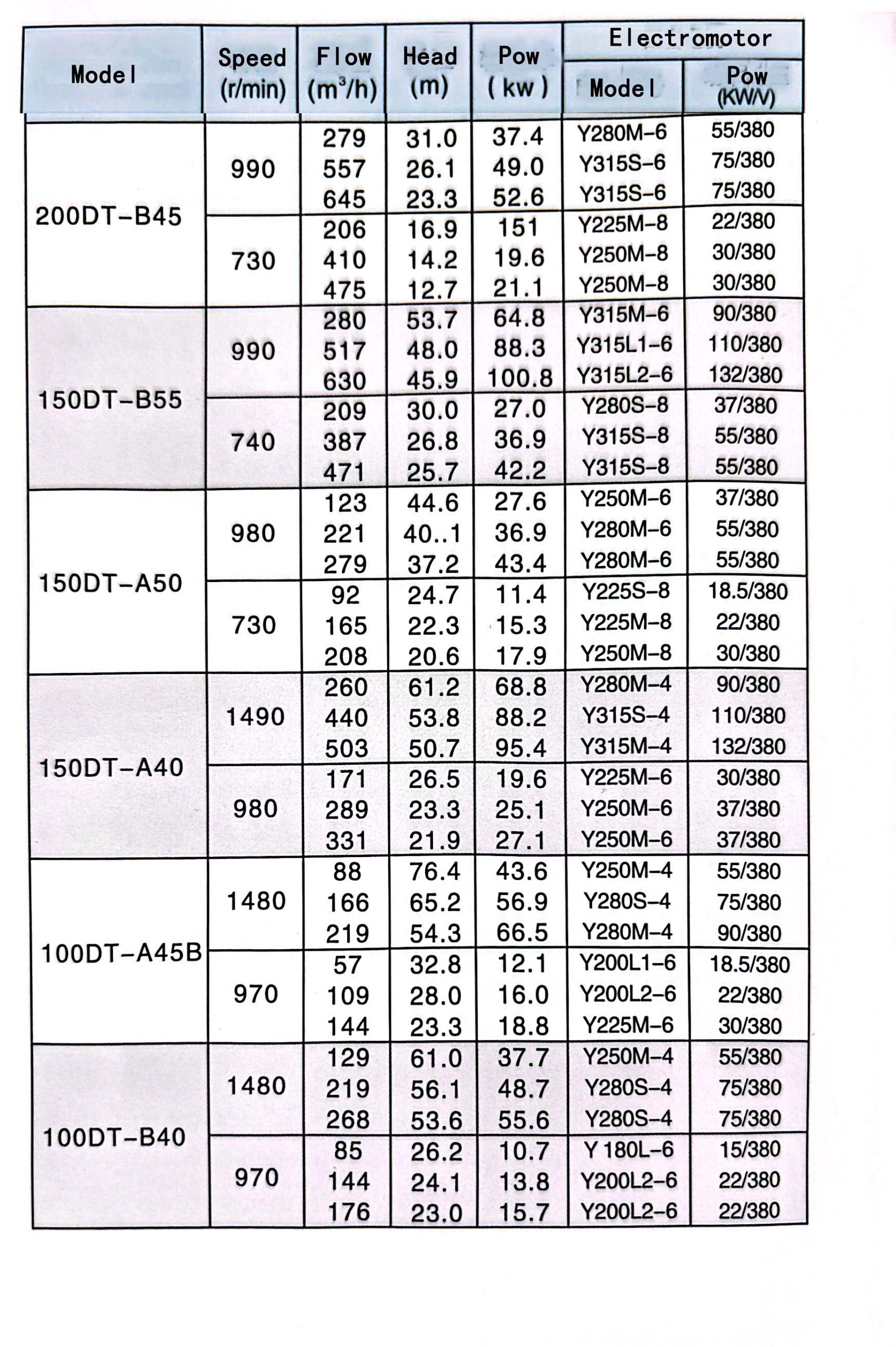
The performance of a rubber-lined slurry pump is dictated by several engineering principles. Hydraulic design is paramount, focusing on impeller geometry, casing volute shape, and flow passages to maximize efficiency and minimize head loss. Impeller designs vary, including closed, semi-open, and open impellers, each suited to different slurry characteristics. Closed impellers are efficient for low-solids slurries, while open impellers are preferred for high-solids, abrasive slurries, minimizing clogging. Force analysis is crucial in understanding the stresses imposed on the pump components by the slurry flow. Centrifugal forces, hydraulic pressure, and the impact of solid particles contribute to wear and tear. Environmental resistance is a key consideration. The pump must withstand operating temperatures, pH levels, and potential exposure to corrosive agents. Rubber lining selection plays a vital role in mitigating corrosion and erosion. Compliance requirements, such as those stipulated by API 610 (Centrifugal Pumps) and ISO 2813 (Petroleum and natural gas industries – Design and operation of offshore structures), must be met. Furthermore, proper pump alignment, bearing lubrication, and seal maintenance are essential for reliable operation. Cavitation, a phenomenon caused by low pressure at the impeller inlet, is a common concern and can lead to impeller erosion. Net Positive Suction Head Required (NPSHr) must be carefully calculated and maintained to prevent cavitation. The selection of appropriate materials and adherence to sound engineering principles are critical for optimizing pump performance and extending its service life.
Technical Specifications
| Parameter | Unit | Typical Range | Material Specification |
|---|---|---|---|
| Flow Rate | m³/h | 10 - 1000 | According to application requirements |
| Head | m | 5 - 100 | Dependent on system design |
| Slurry Concentration (by weight) | % | Up to 70 | Varies with rubber lining type |
| Operating Temperature | °C | -40 to 120 | Rubber compound limits |
| pH Range | - | 2 – 12 | Chemical compatibility of rubber |
| Rubber Lining Thickness | mm | 6 – 25 | Application and slurry abrasiveness |
Failure Mode & Maintenance
Rubber-lined slurry pumps are susceptible to several failure modes. Erosion is a primary concern, particularly in highly abrasive slurries, leading to gradual material loss from the impeller and casing. Corrosion occurs when the slurry contains corrosive chemicals, causing degradation of the rubber lining and metal components. Fatigue cracking can develop due to cyclic loading and stress concentration, especially around welds and geometric discontinuities. Delamination, the separation of the rubber lining from the metal substrate, is a common failure mode resulting from inadequate adhesion or improper curing. Oxidation and chemical degradation can also compromise the rubber lining's integrity over time, reducing its protective capabilities. To mitigate these failures, regular maintenance is crucial. Visual inspections should be conducted to identify signs of erosion, corrosion, or cracking. Rubber lining thickness should be monitored periodically using ultrasonic testing to assess remaining service life. Pump alignment should be checked and corrected as needed. Bearing lubrication should be maintained according to manufacturer's recommendations. Seals should be inspected and replaced to prevent leakage. In the event of delamination, the affected area should be repaired by applying a new layer of rubber lining following proper surface preparation and curing procedures. Preventative maintenance, including periodic flushing to remove accumulated solids, can significantly extend the pump's operational life and reduce the risk of catastrophic failure. Understanding the specific failure modes and implementing a proactive maintenance program are essential for maximizing pump reliability and minimizing downtime.
Industry FAQ
Q: What is the optimal rubber lining material for a slurry containing high concentrations of silica?
A: For slurries with high silica content, polyurethane is generally the most suitable rubber lining material. Polyurethane exhibits exceptional abrasion resistance, making it highly effective in resisting the erosive wear caused by hard silica particles. However, consider the slurry's temperature and pH, as polyurethane can be susceptible to hydrolysis at elevated temperatures and certain pH levels. A blend of polyurethane and natural rubber may provide a compromise between abrasion resistance and chemical compatibility.
Q: How does the operating temperature affect the performance of a rubber-lined slurry pump?
A: Operating temperature significantly impacts the rubber lining's properties. High temperatures can reduce the rubber's tensile strength, elasticity, and abrasion resistance, accelerating degradation. Conversely, low temperatures can cause the rubber to become brittle and prone to cracking. The rubber compound must be specifically selected to withstand the anticipated operating temperature range. Consider temperature derating factors when specifying the pump's performance.
Q: What are the key considerations when specifying the pump casing material?
A: The pump casing material should be chosen based on the slurry's corrosivity and the operating pressure. Cast iron is suitable for mildly corrosive slurries and lower pressures. For highly corrosive slurries, stainless steel or duplex stainless steel alloys are preferred. The casing material must also be compatible with the rubber lining adhesive to ensure proper bonding.
Q: What are the common causes of delamination and how can they be prevented?
A: Common causes of delamination include inadequate surface preparation, improper curing, contamination between the rubber and metal surfaces, and high shear stresses. Prevention involves thorough grit blasting to create a suitable anchor profile, using a compatible adhesive, ensuring proper curing temperature and pressure, and avoiding contamination during application. Regular inspections for early signs of delamination are also crucial.
Q: How does NPSHr affect the pump’s performance and longevity?
A: Insufficient NPSHr leads to cavitation. Cavitation creates imploding bubbles which cause pitting, erosion, and ultimately, pump failure. Maintaining NPSHr above the required level is crucial for preventing damage to the impeller and extending the pump’s lifespan. System design must ensure adequate suction head and minimize pressure drop in the suction piping.
Conclusion
Rubber-lined slurry pumps are indispensable assets in a wide array of industrial applications. Their effectiveness hinges upon a meticulous understanding of material science, manufacturing precision, and operational parameters. The rubber lining serves as the primary defense against the corrosive and abrasive nature of the slurries they handle, and its selection must be carefully aligned with the specific application’s requirements. Regular maintenance, coupled with proactive failure mode analysis, is paramount to ensuring sustained operational reliability and minimizing lifecycle costs.
Looking ahead, advancements in rubber compound technology and pump design will continue to enhance the performance and longevity of these critical machines. The development of more chemically resistant and abrasion-resistant rubber formulations, alongside optimized impeller geometries and casing designs, will drive increased efficiency and reduced maintenance demands. Furthermore, the integration of predictive maintenance techniques, leveraging sensor data and machine learning algorithms, will enable proactive interventions, minimizing downtime and maximizing return on investment.
-
Comprehensive Guide to Waterproof ORings for Optimal Sealing Solutions
News2026-06-09
-
best sewage ejector pump Performance Engineering
News2026-06-11
-
aerobic septic system pump Performance Analysis
News2026-06-11
-
Sumergible Pump Performance Analysis
News2026-06-11
-
ejector pump for basement Performance Engineering
News2026-06-11
-
sewer lift pump Performance Engineering
News2026-06-11
-
Septic Pump Replacement Performance Analysis
News2026-06-10
-
Septic Pump Price Performance Analysis
News2026-06-10
-
pumps for septic systems Material Science Manufacturing
News2026-06-10
-
ejector pumps for basement bathrooms Performance Analysis
News2026-06-10
-
Ejector Pump Cost Analysis
News2026-06-10
-
drainage pumps Performance and Engineering
News2026-06-09
-
basement bathroom ejector pump Material Science
News2026-06-09
-
Sewer Ejector Pump Cost Performance Analysis
News2026-06-09
-
Septic Tank Pump Replacement Performance Analysis
News2026-06-09




