English
- Afrikaans
- Albanian
- Amharic
- Arabic
- Armenian
- Azerbaijani
- Basque
- Belarusian
- Bengali
- Bosnian
- Bulgarian
- Catalan
- Cebuano
- Corsican
- Croatian
- Czech
- Danish
- Dutch
- English
- Esperanto
- Estonian
- Finnish
- French
- Frisian
- Galician
- Georgian
- German
- Greek
- Gujarati
- Haitian Creole
- hausa
- hawaiian
- Hebrew
- Hindi
- Miao
- Hungarian
- Icelandic
- igbo
- Indonesian
- irish
- Italian
- Japanese
- Javanese
- Kannada
- kazakh
- Khmer
- Rwandese
- Korean
- Kurdish
- Kyrgyz
- Lao
- Latin
- Latvian
- Lithuanian
- Luxembourgish
- Macedonian
- Malgashi
- Malay
- Malayalam
- Maltese
- Maori
- Marathi
- Mongolian
- Myanmar
- Nepali
- Norwegian
- Norwegian
- Occitan
- Pashto
- Persian
- Polish
- Portuguese
- Punjabi
- Romanian
- Russian
- Samoan
- Scottish Gaelic
- Serbian
- Sesotho
- Shona
- Sindhi
- Sinhala
- Slovak
- Slovenian
- Somali
- Spanish
- Sundanese
- Swahili
- Swedish
- Tagalog
- Tajik
- Tamil
- Tatar
- Telugu
- Thai
- Turkish
- Turkmen
- Ukrainian
- Urdu
- Uighur
- Uzbek
- Vietnamese
- Welsh
- Bantu
- Yiddish
- Yoruba
- Zulu

Telephone: +86 13120555503
Email: frank@cypump.com


Apr . 01, 2024 17:55 Back to list
high quality warman horizontal slurry pump factory Performance Analysis
Introduction
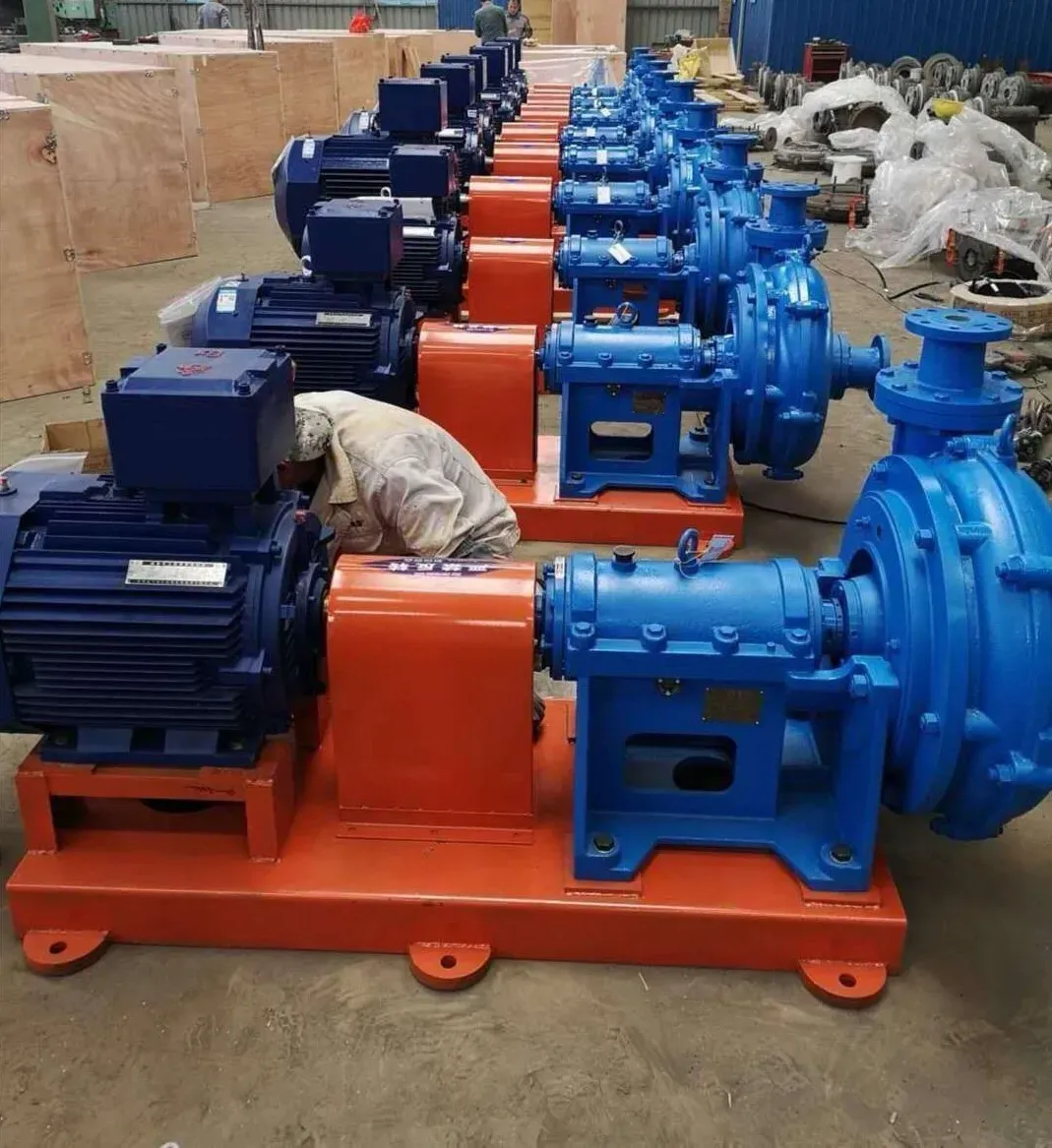
The Warman horizontal slurry pump is a critical component in numerous industrial processes involving the transport of abrasive or erosive fluids. Typically employed in mining, dredging, heavy industry, and wastewater treatment, these pumps are designed to withstand harsh conditions and maintain consistent performance. This guide provides an in-depth technical overview of high-quality Warman horizontal slurry pump manufacturing, encompassing material science, production processes, performance characteristics, failure analysis, and relevant industry standards. A key differentiating factor for these pumps is their robust construction, specifically tailored to manage the high solids content and aggressive chemical properties of slurries, minimizing downtime and maximizing operational efficiency. The pumps’ performance is directly linked to impeller design, casing metallurgy, and proper seal selection to prevent leakage and ensure longevity. The increasing demand for resource extraction and efficient waste management drives the need for increasingly durable and reliable slurry pumps, making quality assurance in manufacturing paramount.
Material Science & Manufacturing
The core materials for a high-quality Warman horizontal slurry pump comprise high-chrome cast iron, stainless steel (various grades – 304, 316, duplex), and elastomers. High-chrome cast iron (typically 27% Cr) provides exceptional abrasion resistance, crucial for handling solids-laden slurries. Stainless steels are utilized for components exposed to corrosive environments, preventing chemical attack and extending service life. Elastomers, such as natural rubber, EPDM, and polyurethane, are implemented in liners and seals to offer resilience and protection against abrasive wear. The manufacturing process begins with patternmaking for the casing and impeller, followed by casting using silica sand molds. Rigorous quality control checks are implemented at each stage, including radiographic inspection for casting defects and chemical analysis to verify material composition. Impellers are often manufactured using a lost-wax casting process to achieve complex geometries and ensure precise hydrodynamic profiling. Welding procedures, typically employing shielded metal arc welding (SMAW) or gas tungsten arc welding (GTAW), are critical for joining casing halves and piping. All welds undergo non-destructive testing (NDT) including liquid penetrant inspection (LPI) and ultrasonic testing (UT) to ensure structural integrity. Surface hardening techniques, like heat treatment, are often employed to enhance the wear resistance of critical components like the impeller vanes and casing walls. Parameter control during casting is vital; factors like pouring temperature, cooling rate, and sand composition directly impact the microstructure and hardness of the castings.
Performance & Engineering
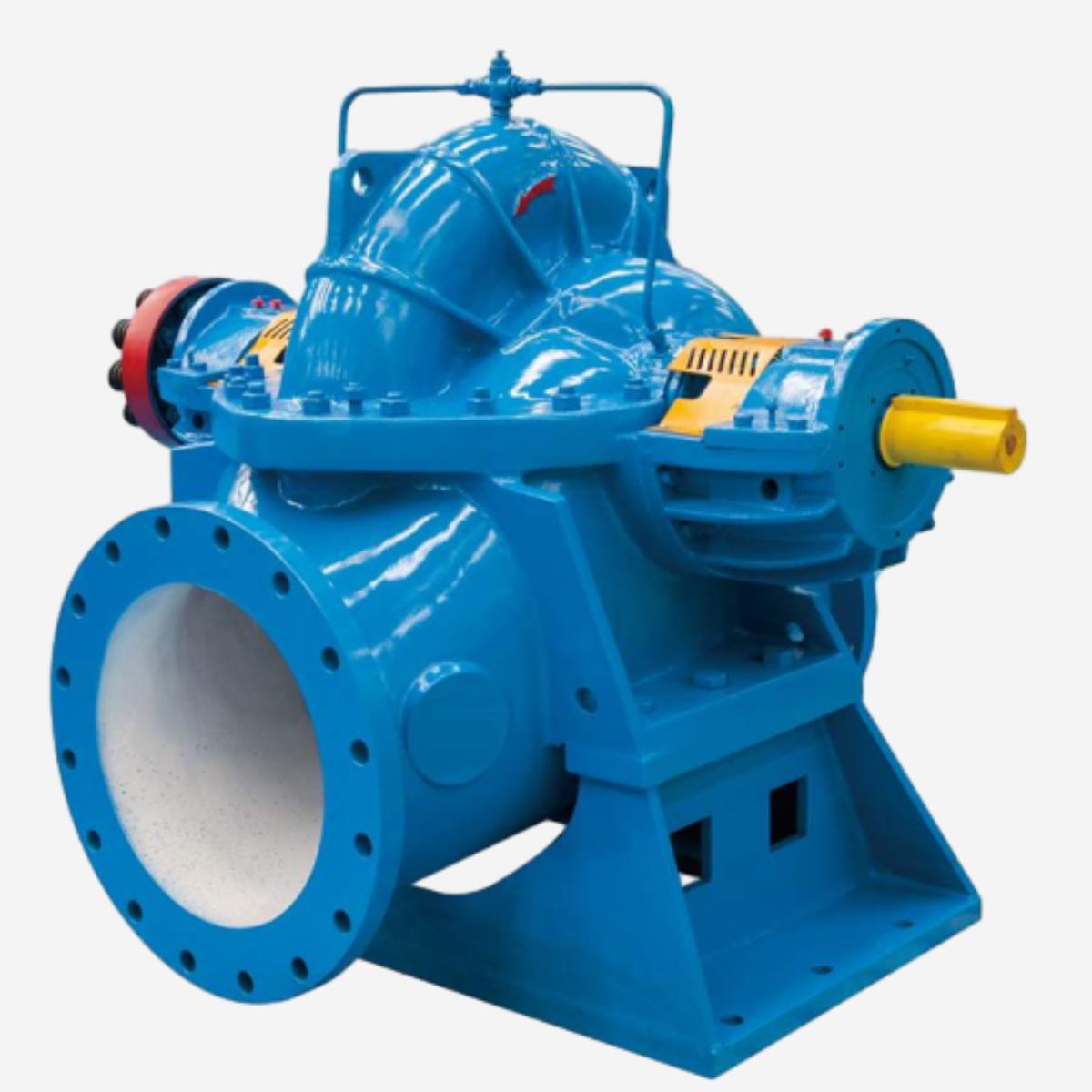
The performance of a Warman horizontal slurry pump is dictated by a complex interplay of hydraulic forces, material properties, and geometric design. Force analysis focuses on static and dynamic stresses experienced by the impeller, casing, shaft, and bearings. Centrifugal force generated by the impeller imparts kinetic energy to the slurry, converting it into pressure energy. Engineering considerations include Net Positive Suction Head Required (NPSHr), which must be carefully matched to the Net Positive Suction Head Available (NPSHa) to prevent cavitation. Cavitation, the formation and collapse of vapor bubbles, leads to significant erosion and pump damage. The pump’s efficiency is also profoundly affected by impeller geometry (vane angle, blade width) and casing volute design. Environmental resistance is a critical factor; pumps operating in corrosive environments require materials specifically selected for chemical compatibility. Compliance requirements are stringent, often governed by API 610 standards for centrifugal pumps, ensuring safety and reliability. Proper selection of mechanical seals (single, double, cartridge) is crucial to prevent leakage and environmental contamination. Bearing arrangements (deep groove ball bearings, cylindrical roller bearings) must be designed to withstand radial and axial loads imposed by the slurry and impeller. The selection of the appropriate pump size and configuration (e.g., drive arrangement – direct drive, belt drive, gearbox) is determined by flow rate, head pressure, and slurry characteristics (solids concentration, particle size distribution).
Technical Specifications
| Parameter | Unit | Typical Value (8x6 Heavy Duty Model) | Tolerance |
|---|---|---|---|
| Discharge Size | inch | 8 | ±0.125 |
| Maximum Head | meters | 60 | ±5% |
| Maximum Flow Rate | m³/hr | 450 | ±10% |
| Maximum Solids Size | mm | 75 | - |
| Maximum Specific Gravity | - | 1.5 | - |
| Pump Speed | RPM | 900-1450 (Variable) | ±25 |
Failure Mode & Maintenance
Common failure modes in Warman horizontal slurry pumps include impeller wear, casing erosion, seal failure, bearing failure, and shaft bending. Impeller wear is primarily caused by abrasive particles impacting the vane surfaces, leading to material loss and reduced pump efficiency. Casing erosion occurs due to the high velocity of the slurry, particularly at the inlet and discharge. Seal failure results from abrasive particles lodging between the seal faces, causing leakage. Bearing failure is typically linked to inadequate lubrication, contamination, or excessive loads. Shaft bending can occur due to hydraulic imbalances or mechanical stresses. Failure analysis techniques include visual inspection, metallurgical analysis, and wear pattern identification. Preventative maintenance is critical and includes regular inspection of wear liners, seals, and bearings; lubrication according to manufacturer specifications; and monitoring pump vibration levels. The use of wear-resistant materials, such as hardened alloys and ceramic coatings, can significantly extend component life. For elastomer liners, monitoring for swelling or cracking is essential. Proper alignment of the pump and motor is crucial to minimize bearing stress. Regular performance monitoring (flow rate, head pressure, power consumption) can detect early signs of deterioration and prevent catastrophic failures. Implementing a condition-based maintenance program, utilizing sensors and data analytics, can optimize maintenance schedules and reduce downtime.
Industry FAQ
Q: What is the impact of slurry composition (solids concentration and particle size) on pump selection and maintenance intervals?
A: Slurry composition has a profound impact. Higher solids concentrations and larger particle sizes significantly increase abrasive wear, necessitating the selection of pumps constructed from more wear-resistant materials (e.g., higher chrome content in the impeller). Maintenance intervals must be shortened to accommodate increased wear rates, focusing on impeller and liner replacement. Incorrect pump selection for a specific slurry can lead to premature failure and costly downtime.
Q: How do different impeller designs (e.g., closed, open, semi-open) affect pump performance and suitability for different slurry types?
A: Closed impellers are more efficient for clean liquids but are prone to clogging with solids-laden slurries. Open impellers handle solids better but have lower efficiency. Semi-open impellers represent a compromise, offering reasonable efficiency and solids handling capability. The choice depends on the slurry’s solids content, particle size, and abrasiveness. For highly abrasive slurries, a semi-open or open impeller is generally preferred.
Q: What are the key considerations when selecting mechanical seals for abrasive slurries?
A: Mechanical seals are critical for preventing leakage. For abrasive slurries, double mechanical seals with a barrier fluid are recommended to provide enhanced protection. The seal faces should be constructed from wear-resistant materials like silicon carbide or tungsten carbide. Seal flushing is crucial to remove abrasive particles from the seal chamber. Proper seal installation and alignment are paramount to ensure reliable operation.
Q: What are the benefits of utilizing a variable frequency drive (VFD) with a Warman slurry pump?
A: A VFD allows for precise control of pump speed, optimizing performance and reducing energy consumption. By adjusting the speed, the pump can be tailored to match varying flow rate requirements. VFDs also reduce mechanical stress on the pump, extending its lifespan and minimizing maintenance costs. They are particularly beneficial in applications with fluctuating process demands.
Q: How does the pump casing material affect the pump's resistance to corrosion and erosion?
A: The casing material is critical for chemical resistance. High-chrome cast iron offers excellent abrasion resistance but limited corrosion resistance. Stainless steels (304, 316, duplex) provide superior corrosion resistance but may be less resistant to abrasion. Specialty alloys (e.g., Hastelloy) are used for highly corrosive applications. Liners made of elastomers can provide additional protection against both corrosion and erosion.
Conclusion
The selection, operation, and maintenance of high-quality Warman horizontal slurry pumps require a thorough understanding of material science, hydraulic principles, and failure mechanisms. Optimizing pump performance necessitates careful consideration of slurry characteristics, appropriate material selection, and preventative maintenance practices. The long-term reliability and efficiency of these pumps are directly tied to the quality of manufacturing processes and adherence to relevant industry standards.
Looking ahead, advancements in materials science – such as the development of new wear-resistant alloys and ceramic coatings – will further enhance the durability and performance of slurry pumps. The integration of digital technologies, including predictive maintenance systems based on sensor data and machine learning algorithms, will optimize maintenance schedules and minimize downtime. Continued focus on energy efficiency and environmental sustainability will drive innovation in pump design and control strategies.
-
Precision at the Pump: How Better Machining Protects Flow and Uptime
News2026-11-20
-
Why Pump Reliability Begins Before the First Drop of Fluid
News2026-11-20
-
Beyond the Pump: Designing Safer Access Around Critical Water Infrastructure
News2026-11-20
-
Why Pumping Stations Depend on the Infrastructure Beneath the Pumps
News2026-11-20
-
Beyond the Pump Room: How Smarter Loading Protects Industrial Equipment
News2026-11-19
-
When Pumps Stop: Designing More Resilient Power for Critical Pumping Systems
News2026-11-19
-
The Hidden Role of Dust and Gas Monitoring in Reliable Pump Operations
News2026-11-19
-
The Hidden Role of Mineral Compounds in Extending Industrial Pump Lifespan
News2026-10-12
-
Why Pump System Reliability Depends on Precision Hose Assembly Methods
News2026-09-15
-
How Advanced Imaging Films Are Transforming Pump Component Quality Control
News2026-08-25
-
How Advanced Filtration Protects Pump Systems from Premature Wear and Costly Downtime
News2026-08-25
-
How Steel Material Selection Drives Pump Reliability in Heavy-Duty Systems
News2026-08-25
-
Ensuring Pump System Efficiency: The Role of High-Quality Pipe Fittings and Tubing
News2026-08-24
-
Optimizing Fluid Dynamics and Material Consistency in Industrial Processing
News2026-08-18
-
Innovations and Challenges in Hydraulic Systems for Heavy Machinery
News2026-08-13




