English
- Afrikaans
- Albanian
- Amharic
- Arabic
- Armenian
- Azerbaijani
- Basque
- Belarusian
- Bengali
- Bosnian
- Bulgarian
- Catalan
- Cebuano
- Corsican
- Croatian
- Czech
- Danish
- Dutch
- English
- Esperanto
- Estonian
- Finnish
- French
- Frisian
- Galician
- Georgian
- German
- Greek
- Gujarati
- Haitian Creole
- hausa
- hawaiian
- Hebrew
- Hindi
- Miao
- Hungarian
- Icelandic
- igbo
- Indonesian
- irish
- Italian
- Japanese
- Javanese
- Kannada
- kazakh
- Khmer
- Rwandese
- Korean
- Kurdish
- Kyrgyz
- Lao
- Latin
- Latvian
- Lithuanian
- Luxembourgish
- Macedonian
- Malgashi
- Malay
- Malayalam
- Maltese
- Maori
- Marathi
- Mongolian
- Myanmar
- Nepali
- Norwegian
- Norwegian
- Occitan
- Pashto
- Persian
- Polish
- Portuguese
- Punjabi
- Romanian
- Russian
- Samoan
- Scottish Gaelic
- Serbian
- Sesotho
- Shona
- Sindhi
- Sinhala
- Slovak
- Slovenian
- Somali
- Spanish
- Sundanese
- Swahili
- Swedish
- Tagalog
- Tajik
- Tamil
- Tatar
- Telugu
- Thai
- Turkish
- Turkmen
- Ukrainian
- Urdu
- Uighur
- Uzbek
- Vietnamese
- Welsh
- Bantu
- Yiddish
- Yoruba
- Zulu

Telephone: +86 13120555503
Email: frank@cypump.com


Apr . 01, 2024 17:55 Back to list
high quality vertical slurry sump pump rubber parts Performance Analysis
Introduction
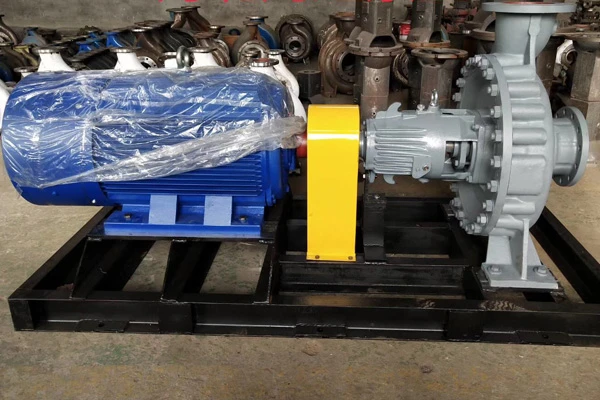
High quality vertical slurry sump pump rubber parts are critical components in the reliable operation of vertical slurry pumps, serving diverse industrial sectors including mining, wastewater treatment, chemical processing, and aggregate production. These parts, typically including impellers, liners, diffusers, and seals, are engineered to withstand abrasive and corrosive environments while maximizing pump efficiency and longevity. Their technical position within the industry chain is directly upstream of pump performance; failures in these components cascade into reduced flow rates, increased energy consumption, and ultimately, costly downtime. Core performance characteristics center around abrasion resistance, tensile strength, elongation at break, hardness (Shore A), and resistance to chemical attack from the pumped slurry. The selection of appropriate rubber compounds and precise manufacturing are paramount to achieving optimal performance and minimizing life-cycle costs. The increasing demand for more sustainable and efficient pumping solutions drives ongoing innovation in rubber formulations and part design, focusing on extending service life and reducing maintenance frequency.
Material Science & Manufacturing
The primary materials utilized in high quality vertical slurry sump pump rubber parts are specialized elastomers, most commonly natural rubber, synthetic rubbers like EPDM, nitrile rubber (NBR), chloroprene rubber (CR, Neoprene), and polyurethane. Natural rubber offers excellent resilience and tear strength but limited resistance to oil and chemicals. NBR provides superior oil resistance, crucial for handling petroleum-based slurries. EPDM exhibits excellent resistance to weathering, ozone, and a broad range of chemicals. CR offers a balance of properties, including resistance to abrasion, ozone, and heat. Polyurethane provides the highest abrasion resistance and tensile strength, making it ideal for severely abrasive slurries but can be more brittle. Each rubber compound’s physical properties are carefully tailored through the addition of fillers (e.g., silica, carbon black), plasticizers, curing agents, and antioxidants.
Manufacturing processes typically involve compression molding, injection molding, and, less frequently, rotational molding. Compression molding is favored for larger parts like pump liners due to its cost-effectiveness and ability to produce complex geometries. Injection molding is suitable for high-volume production of smaller, precision parts like seals and wear rings. The process parameters – mold temperature, pressure, curing time, and cooling rate – are critically controlled to ensure consistent material properties and dimensional accuracy. Post-molding operations include trimming, deflashing, and potentially surface treatments like coating or bonding metallic inserts for enhanced wear resistance. Quality control measures include rigorous testing of material hardness, tensile strength, elongation, and chemical resistance, adhering to standards like ASTM D2000 for rubber classification and ASTM D412 for tensile properties. Precise mixing of rubber compounds, controlled by automated systems, is vital for achieving consistent performance characteristics across all manufactured parts.
Performance & Engineering
The performance of rubber components in slurry pumps is fundamentally dictated by the forces exerted by the slurry and the operating environment. Force analysis considers hydrodynamic forces (impeller rotation), impact forces (abrasive particles), and static pressure. These forces induce stresses within the rubber material, leading to wear, fatigue, and eventual failure. Engineering design focuses on optimizing part geometry to minimize stress concentration and maximize wear resistance. Finite Element Analysis (FEA) is routinely employed to simulate stress distributions and predict component life under various operating conditions.
Environmental resistance is critical. Slurries often contain corrosive chemicals (acids, alkalis, salts) which can degrade the rubber matrix, leading to swelling, cracking, and loss of mechanical properties. Temperature extremes also affect rubber performance; elevated temperatures accelerate degradation, while low temperatures can induce brittleness. Compliance requirements vary by industry and region. For example, in potable water applications, rubber parts must comply with NSF/ANSI Standard 61 for drinking water system components. In food processing, compliance with FDA regulations is essential. The selection of rubber compound must be matched to the specific slurry composition, temperature range, and regulatory requirements. Furthermore, the correct durometer (hardness) is essential; softer materials conform better to surface irregularities but wear faster, while harder materials resist abrasion better but may lack the necessary sealing capabilities.
Technical Specifications
| Material Type | Hardness (Shore A) | Tensile Strength (MPa) | Elongation at Break (%) | Abrasion Resistance (Taber Abrasion Index) | Temperature Range (°C) |
|---|---|---|---|---|---|
| Natural Rubber | 60-70 | 15-25 | 400-600 | 150-200 | -40 to +80 |
| NBR (Nitrile Rubber) | 60-90 | 20-35 | 300-500 | 180-250 | -30 to +120 |
| EPDM | 60-75 | 12-20 | 500-800 | 200-300 | -50 to +150 |
| Chloroprene (CR) | 65-85 | 18-30 | 350-550 | 190-280 | -40 to +100 |
| Polyurethane | 70-95 | 40-70 | 100-300 | 300-500 | -30 to +80 |
| Silicone Rubber | 40-80 | 8-15 | 200-700 | 100-150 | -60 to +200 |
Failure Mode & Maintenance
Common failure modes in vertical slurry sump pump rubber parts include abrasive wear, erosion, fatigue cracking, chemical degradation, and seal failure. Abrasive wear occurs due to the impact of solid particles in the slurry, leading to material removal. Erosion is a similar process but is typically caused by high-velocity fluid flow. Fatigue cracking develops due to cyclic stresses induced by pump operation and slurry turbulence. Chemical degradation arises from the attack of corrosive chemicals in the slurry, causing swelling, softening, or cracking. Seal failure can result from abrasion, chemical attack, or improper installation.
Preventative maintenance is crucial for extending component life. Regular inspections should be conducted to identify signs of wear, cracking, or chemical attack. Slurry analysis should be performed to determine the particle size distribution and chemical composition, enabling the selection of appropriate rubber compounds. Proper pump alignment and bearing lubrication are essential to minimize vibration and stress on rubber parts. When replacing rubber components, ensure correct fit and proper installation techniques. Storage of rubber parts should be in a cool, dry, and dark environment to prevent degradation. Implement a planned maintenance schedule based on pump operating hours and slurry characteristics. Regular monitoring of pump performance (flow rate, pressure, power consumption) can provide early warning signs of component degradation. Failure analysis of removed parts can help identify root causes of failure and optimize future component selection and maintenance practices.
Industry FAQ
Q: What is the primary difference between using natural rubber versus polyurethane for impeller applications in highly abrasive slurries?
A: While natural rubber offers excellent resilience and tear strength, polyurethane significantly outperforms it in abrasion resistance. In highly abrasive slurries, polyurethane impellers will exhibit a substantially longer service life, despite being potentially more brittle. The higher hardness and inherent resistance to particle impact make polyurethane the preferred choice for demanding applications, justifying the higher initial cost through reduced downtime and replacement frequency.
Q: How does temperature affect the performance and lifespan of EPDM liners?
A: EPDM exhibits good temperature resistance, but extreme temperatures can compromise its performance. Prolonged exposure to temperatures exceeding 150°C can accelerate degradation, leading to loss of elasticity and increased susceptibility to cracking. Conversely, very low temperatures can induce brittleness, making the liner more prone to impact damage. Maintaining the slurry temperature within the EPDM's recommended operating range is crucial for maximizing lifespan.
Q: What considerations are important when selecting a rubber compound for a slurry containing strong acids?
A: Strong acids can aggressively degrade many common rubber compounds. For acidic slurries, materials like Viton (fluoroelastomer) or chemically resistant grades of chloroprene rubber (CR) are often necessary. Compatibility testing is crucial – the rubber compound must demonstrate resistance to swelling, cracking, and loss of mechanical properties when immersed in the specific acid concentration and temperature. Regular monitoring for signs of chemical attack is essential.
Q: What role does durometer play in the selection of rubber seals for a vertical slurry pump?
A: Durometer, measured on the Shore A scale, indicates the rubber's hardness. Lower durometer seals (softer) conform better to irregular surfaces, creating a tighter seal, but they wear faster and are less resistant to extrusion. Higher durometer seals (harder) offer improved wear resistance and extrusion resistance but may not seal as effectively on imperfect surfaces. The optimal durometer depends on the pump’s operating pressure, slurry abrasiveness, and the surface finish of the sealing surfaces.
Q: How can I accurately assess the remaining useful life of a pump liner without disassembling the pump?
A: Non-destructive testing (NDT) methods can provide insights into liner condition without disassembly. Ultrasonic thickness gauging can measure liner wear, while visual inspection with borescopes can detect cracks or erosion. Analyzing pump performance parameters – flow rate, pressure, power consumption – for trends indicative of increased wear can also provide valuable information. Establishing baseline performance data during initial operation allows for effective monitoring of degradation over time.
Conclusion
High quality vertical slurry sump pump rubber parts are indispensable for the efficient and reliable operation of slurry pumping systems. The selection of the appropriate rubber compound and precise manufacturing are dictated by the slurry characteristics, operating conditions, and regulatory requirements. Understanding the material science principles governing rubber performance, the potential failure modes, and implementing a proactive maintenance program are critical for maximizing component lifespan and minimizing life-cycle costs.
Ongoing advancements in rubber technology, including the development of novel elastomers and composite materials, promise further improvements in abrasion resistance, chemical compatibility, and overall performance. Furthermore, the integration of predictive maintenance strategies, leveraging sensor data and machine learning algorithms, will enable more precise monitoring of component condition and optimized maintenance scheduling. A holistic approach encompassing material selection, manufacturing quality, engineering design, and proactive maintenance is essential for ensuring the long-term reliability and cost-effectiveness of vertical slurry sump pump systems.
-
Precision at the Pump: How Better Machining Protects Flow and Uptime
News2026-11-20
-
Why Pump Reliability Begins Before the First Drop of Fluid
News2026-11-20
-
Beyond the Pump: Designing Safer Access Around Critical Water Infrastructure
News2026-11-20
-
Why Pumping Stations Depend on the Infrastructure Beneath the Pumps
News2026-11-20
-
Beyond the Pump Room: How Smarter Loading Protects Industrial Equipment
News2026-11-19
-
When Pumps Stop: Designing More Resilient Power for Critical Pumping Systems
News2026-11-19
-
The Hidden Role of Dust and Gas Monitoring in Reliable Pump Operations
News2026-11-19
-
The Hidden Role of Mineral Compounds in Extending Industrial Pump Lifespan
News2026-10-12
-
Why Pump System Reliability Depends on Precision Hose Assembly Methods
News2026-09-15
-
How Advanced Imaging Films Are Transforming Pump Component Quality Control
News2026-08-25
-
How Advanced Filtration Protects Pump Systems from Premature Wear and Costly Downtime
News2026-08-25
-
How Steel Material Selection Drives Pump Reliability in Heavy-Duty Systems
News2026-08-25
-
Ensuring Pump System Efficiency: The Role of High-Quality Pipe Fittings and Tubing
News2026-08-24
-
Optimizing Fluid Dynamics and Material Consistency in Industrial Processing
News2026-08-18
-
Innovations and Challenges in Hydraulic Systems for Heavy Machinery
News2026-08-13




