English
- Afrikaans
- Albanian
- Amharic
- Arabic
- Armenian
- Azerbaijani
- Basque
- Belarusian
- Bengali
- Bosnian
- Bulgarian
- Catalan
- Cebuano
- Corsican
- Croatian
- Czech
- Danish
- Dutch
- English
- Esperanto
- Estonian
- Finnish
- French
- Frisian
- Galician
- Georgian
- German
- Greek
- Gujarati
- Haitian Creole
- hausa
- hawaiian
- Hebrew
- Hindi
- Miao
- Hungarian
- Icelandic
- igbo
- Indonesian
- irish
- Italian
- Japanese
- Javanese
- Kannada
- kazakh
- Khmer
- Rwandese
- Korean
- Kurdish
- Kyrgyz
- Lao
- Latin
- Latvian
- Lithuanian
- Luxembourgish
- Macedonian
- Malgashi
- Malay
- Malayalam
- Maltese
- Maori
- Marathi
- Mongolian
- Myanmar
- Nepali
- Norwegian
- Norwegian
- Occitan
- Pashto
- Persian
- Polish
- Portuguese
- Punjabi
- Romanian
- Russian
- Samoan
- Scottish Gaelic
- Serbian
- Sesotho
- Shona
- Sindhi
- Sinhala
- Slovak
- Slovenian
- Somali
- Spanish
- Sundanese
- Swahili
- Swedish
- Tagalog
- Tajik
- Tamil
- Tatar
- Telugu
- Thai
- Turkish
- Turkmen
- Ukrainian
- Urdu
- Uighur
- Uzbek
- Vietnamese
- Welsh
- Bantu
- Yiddish
- Yoruba
- Zulu

Telephone: +86 13120555503
Email: frank@cypump.com


Apr . 01, 2024 17:55 Back to list
high quality oem slurry pump engineering Performance Analysis
Introduction
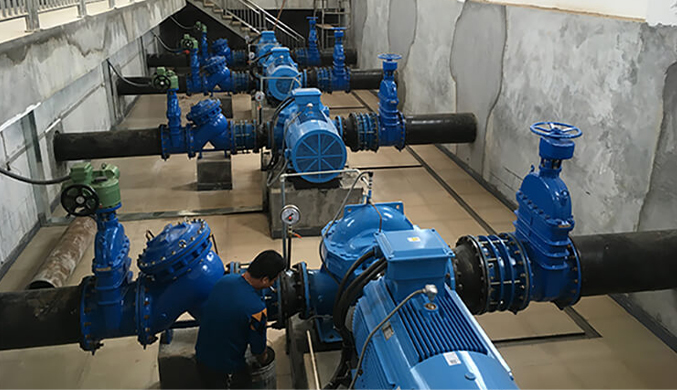
OEM slurry pumps represent a critical component in numerous industrial processes, facilitating the transport of abrasive, corrosive, and high-solids-content fluids. Their application spans diverse sectors including mining, wastewater treatment, dredging, and chemical processing. This guide provides an in-depth technical analysis of high-quality OEM slurry pump engineering, covering material science, manufacturing techniques, performance characteristics, failure modes, and relevant industry standards. The core performance criteria for slurry pumps center around wear resistance, hydraulic efficiency, and operational reliability, all dictated by the specific slurry composition and application demands. A key industry pain point is balancing pump longevity with capital expenditure, often necessitating customized solutions tailored to specific slurry characteristics. Furthermore, ensuring compliance with environmental regulations regarding leakage and material discharge is a growing concern.
Material Science & Manufacturing
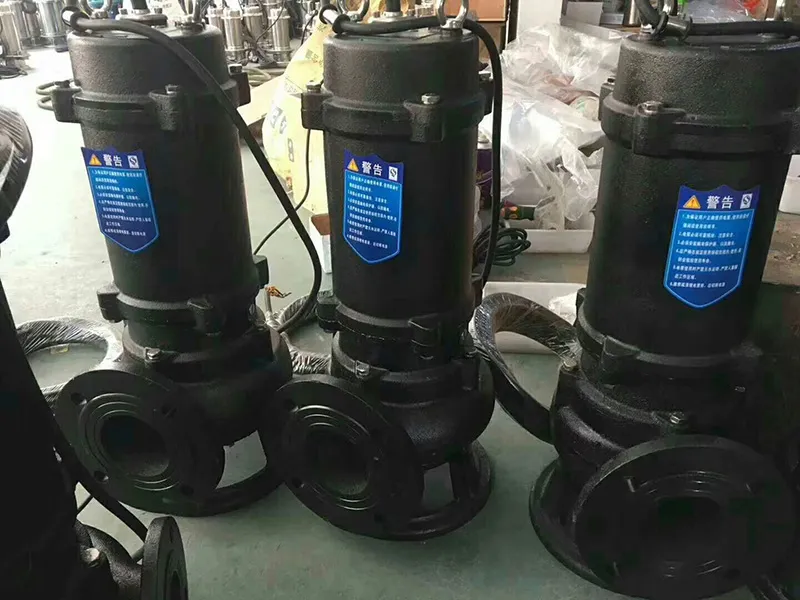
The selection of materials is paramount in slurry pump construction, directly influencing its resistance to abrasion, corrosion, and erosion. Common materials include high-chrome cast iron (for abrasion resistance), stainless steel (SS316, duplex stainless steel for corrosion resistance), and specialized polymers like polyurethane and rubber linings (for handling highly abrasive or corrosive slurries). The manufacturing process often begins with sand casting or investment casting for pump housings and impellers. Critical parameters during casting include controlling cooling rates to minimize residual stresses and ensuring proper alloy composition. Impellers are frequently manufactured using centrifugal casting to enhance density and wear resistance. Pump shafts are typically forged from alloy steels, undergoing heat treatment (quenching and tempering) to achieve optimal tensile strength and fatigue resistance. Welding processes, particularly submerged arc welding (SAW) and gas tungsten arc welding (GTAW), are employed for joining components. Post-weld heat treatment (PWHT) is crucial to relieve stress and prevent cracking. For rubber-lined pumps, vulcanization processes must be precisely controlled to ensure a strong bond between the rubber liner and the metal substrate. Surface hardness testing (Brinell, Vickers) and chemical composition analysis (spectrometry) are integral quality control measures.
Performance & Engineering
Slurry pump performance is dictated by several key engineering principles. Hydraulic design focuses on minimizing turbulence and energy losses to maximize efficiency. Impeller geometry (vane angle, blade thickness) is optimized based on the slurry’s specific gravity, viscosity, and particle size distribution. Force analysis, including centrifugal force, fluid dynamic forces, and impact forces from solid particles, is essential for designing robust components. The Net Positive Suction Head Required (NPSHr) is a critical parameter to prevent cavitation, which can lead to impeller damage. Pump curves, illustrating the relationship between flow rate, head, and power consumption, are generated through rigorous testing. Environmental resistance is addressed through material selection and coating applications. Pumps operating in harsh environments (e.g., offshore applications) require corrosion-resistant alloys and protective coatings. Compliance requirements, such as those stipulated by API 610 and ISO 13709, mandate specific design and testing protocols to ensure safety and reliability. Proper pump alignment and vibration analysis are essential for preventing premature bearing failure and ensuring optimal performance. Furthermore, considering the slurry’s erosive velocity is crucial; exceeding critical velocity leads to accelerated wear of pump components.
Technical Specifications
| Parameter | Unit | Typical Range (OEM Quality) | Industry Standard (Minimum) |
|---|---|---|---|
| Flow Rate | m³/h | 5 – 2000 | 5 – 1000 |
| Total Dynamic Head | m | 5 – 150 | 5 – 80 |
| Slurry Concentration (by weight) | % | Up to 70 | Up to 60 |
| Particle Size | mm | Up to 100 | Up to 75 |
| Pump Material (Casing) | - | High Chrome Alloy, SS316 | Cast Iron |
| Pump Material (Impeller) | - | High Chrome Alloy, Rubber Lined | Cast Iron |
Failure Mode & Maintenance
Slurry pumps are susceptible to various failure modes. Abrasion is a primary concern, leading to impeller wear, liner erosion, and reduced pump efficiency. Corrosion, especially in acidic or alkaline slurries, can cause pitting and material loss. Erosion, caused by high-velocity particle impact, accelerates wear, particularly at the impeller outlet and casing inlet. Fatigue cracking can occur in pump shafts and impellers due to cyclic loading and stress concentration. Cavitation, resulting from insufficient NPSH, leads to impeller damage and noise. Failure analysis techniques, including visual inspection, metallographic analysis, and non-destructive testing (NDT) such as ultrasonic testing (UT) and radiographic testing (RT), are employed to determine the root cause of failures. Preventive maintenance is crucial. This includes regular impeller and liner inspection, bearing lubrication, seal replacement, and alignment checks. Implementing a condition monitoring program, utilizing vibration analysis and oil analysis, can detect early signs of wear and prevent catastrophic failures. Periodic replacement of wear parts based on operating hours and slurry characteristics is essential. Proper strainer installation upstream of the pump is crucial to prevent large particles from entering and causing damage.
Industry FAQ
Q: What is the impact of slurry particle size distribution on pump selection?
A: Particle size distribution significantly influences pump selection. Larger particle sizes necessitate pumps with larger internal clearances and more robust impeller designs to prevent clogging and wear. Finer particles contribute to increased abrasion. Pumps designed for handling larger particles may be inefficient when handling predominantly fine particles, and vice-versa. Detailed particle size analysis is critical for optimal pump selection.
Q: How does the slurry's viscosity affect pump performance?
A: Increased slurry viscosity leads to higher frictional losses within the pump, reducing flow rate and increasing power consumption. Pumps handling highly viscous slurries require larger motors and may necessitate modifications to impeller geometry to maintain acceptable performance. Consideration must also be given to the potential for solids settling in low-flow regions.
Q: What are the key considerations when selecting a pump material for corrosive slurries?
A: The slurry’s pH, chemical composition, and temperature are critical factors. Stainless steels (SS316, duplex stainless steel) offer good corrosion resistance in many applications, but specific alloys may be required for highly corrosive environments. Polymer linings (rubber, polyurethane) provide excellent chemical resistance but may be susceptible to abrasion. Thorough chemical compatibility testing is essential.
Q: What is the importance of NPSH in slurry pump operation?
A: Net Positive Suction Head (NPSH) is crucial to prevent cavitation. Insufficient NPSH causes vapor bubbles to form within the pump, leading to impeller damage, noise, and reduced performance. The pump's NPSHr must be lower than the NPSHa (available) to ensure stable operation. Adjusting pump installation height and increasing suction pipe diameter can improve NPSHa.
Q: How can I extend the lifespan of my slurry pump?
A: Implement a robust preventive maintenance program including regular inspections, lubrication, and wear part replacements. Monitor pump performance through vibration analysis and oil analysis. Ensure proper alignment and avoid operating the pump outside its design parameters. Implement a strainer upstream to protect against oversized particles. Choose the correct pump materials for the specific slurry composition.
Conclusion
High-quality OEM slurry pump engineering demands a holistic approach, encompassing meticulous material selection, precise manufacturing processes, and a deep understanding of slurry characteristics. Optimizing pump performance and extending lifespan hinges on carefully balancing hydraulic efficiency with wear resistance and corrosion protection. Addressing industry pain points related to cost and regulatory compliance requires tailored solutions that consider the specific application and operating environment.
Future trends in slurry pump technology focus on advanced materials, improved impeller designs for enhanced efficiency, and the integration of smart sensors for predictive maintenance. Further research into abrasion-resistant coatings and novel pump geometries will continue to improve the reliability and longevity of these critical industrial components. Prioritizing data-driven maintenance strategies will become increasingly important for minimizing downtime and optimizing overall operational costs.
-
Comprehensive Guide to Waterproof ORings for Optimal Sealing Solutions
News2026-06-09
-
Septic Pump Replacement Performance Analysis
News2026-06-10
-
Septic Pump Price Performance Analysis
News2026-06-10
-
pumps for septic systems Material Science Manufacturing
News2026-06-10
-
ejector pumps for basement bathrooms Performance Analysis
News2026-06-10
-
Ejector Pump Cost Analysis
News2026-06-10
-
drainage pumps Performance and Engineering
News2026-06-09
-
basement bathroom ejector pump Material Science
News2026-06-09
-
Sewer Ejector Pump Cost Performance Analysis
News2026-06-09
-
Septic Tank Pump Replacement Performance Analysis
News2026-06-09
-
septic sump pump Performance and Engineering
News2026-06-09
-
Septic Pump System Performance Analysis
News2026-06-08
-
pump for septic Material Science
News2026-06-08
-
basement sewer pump Performance Analysis
News2026-06-08
-
submerged pump Performance Engineering
News2026-06-08




