English
- Afrikaans
- Albanian
- Amharic
- Arabic
- Armenian
- Azerbaijani
- Basque
- Belarusian
- Bengali
- Bosnian
- Bulgarian
- Catalan
- Cebuano
- Corsican
- Croatian
- Czech
- Danish
- Dutch
- English
- Esperanto
- Estonian
- Finnish
- French
- Frisian
- Galician
- Georgian
- German
- Greek
- Gujarati
- Haitian Creole
- hausa
- hawaiian
- Hebrew
- Hindi
- Miao
- Hungarian
- Icelandic
- igbo
- Indonesian
- irish
- Italian
- Japanese
- Javanese
- Kannada
- kazakh
- Khmer
- Rwandese
- Korean
- Kurdish
- Kyrgyz
- Lao
- Latin
- Latvian
- Lithuanian
- Luxembourgish
- Macedonian
- Malgashi
- Malay
- Malayalam
- Maltese
- Maori
- Marathi
- Mongolian
- Myanmar
- Nepali
- Norwegian
- Norwegian
- Occitan
- Pashto
- Persian
- Polish
- Portuguese
- Punjabi
- Romanian
- Russian
- Samoan
- Scottish Gaelic
- Serbian
- Sesotho
- Shona
- Sindhi
- Sinhala
- Slovak
- Slovenian
- Somali
- Spanish
- Sundanese
- Swahili
- Swedish
- Tagalog
- Tajik
- Tamil
- Tatar
- Telugu
- Thai
- Turkish
- Turkmen
- Ukrainian
- Urdu
- Uighur
- Uzbek
- Vietnamese
- Welsh
- Bantu
- Yiddish
- Yoruba
- Zulu

Telephone: +86 13120555503
Email: frank@cypump.com


Apr . 01, 2024 17:55 Back to list
high quality oem metal lined slurry pump Performance Analysis
Introduction
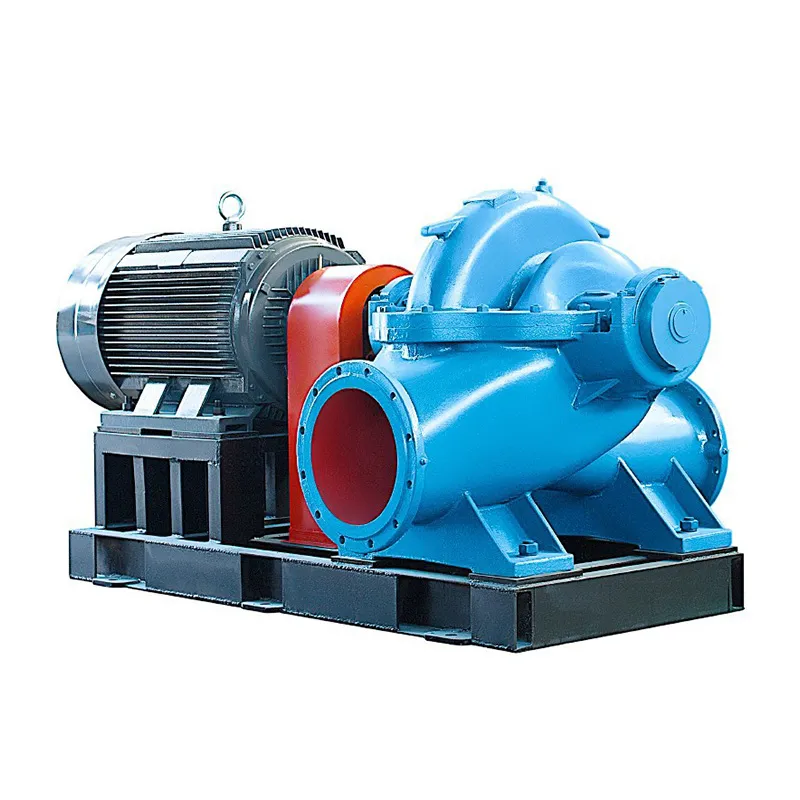
Metal lined slurry pumps are critical components in numerous industrial processes involving the abrasive or corrosive transport of fluids. These pumps, characterized by a metallic lining within the pump casing, volute, and impeller, represent a sophisticated engineering solution designed to extend operational lifespan and reduce maintenance costs in demanding applications. Positioned within the fluid handling segment of the industrial supply chain, these pumps serve industries including mining, mineral processing, chemical processing, wastewater treatment, and power generation. Core performance metrics center around flow rate (typically measured in gallons per minute or cubic meters per hour), head (pressure developed, in feet or meters), solids handling capability (percentage by weight or diameter of particles), and materials compatibility with the pumped slurry. The OEM (Original Equipment Manufacturer) designation highlights the pump’s design and construction directly by the producing company, ensuring quality control and traceability, differentiating them from aftermarket or re-built units. A key industry pain point is premature pump failure due to erosion, corrosion, and wear, leading to unscheduled downtime and high replacement costs. This guide will detail the material science, manufacturing techniques, performance characteristics, failure modes, and maintenance strategies relevant to high quality OEM metal lined slurry pumps.
Material Science & Manufacturing
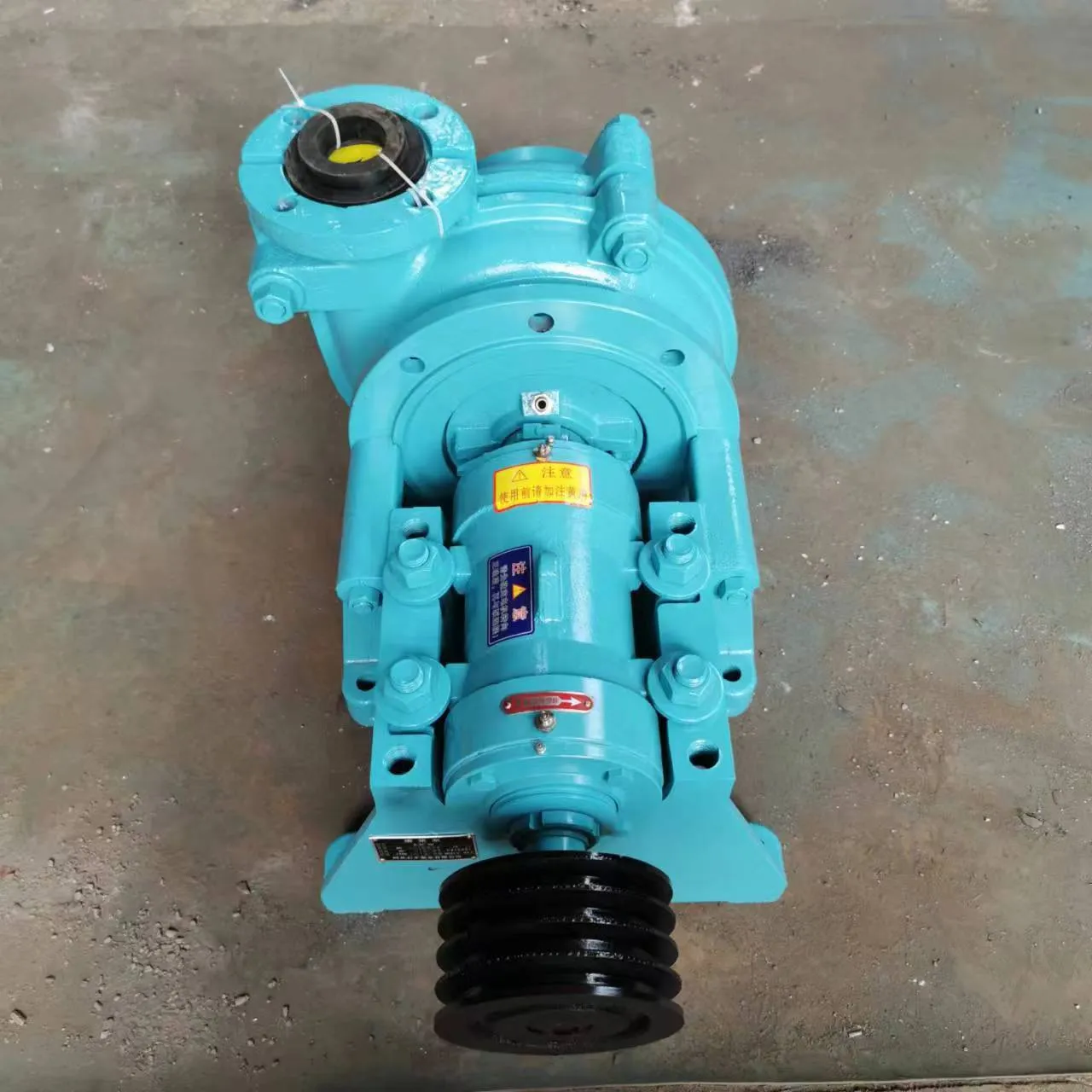
The effectiveness of a metal lined slurry pump is intrinsically linked to the selection of materials and the precision of its manufacturing. The outer casing is frequently constructed from carbon steel, providing structural rigidity. However, the internal surfaces exposed to the slurry are lined with abrasion and corrosion-resistant alloys. Common lining materials include high-chromium cast iron (typically 27-30% Cr), duplex stainless steels (e.g., 2205, 2507), and specialized alloys like Hastelloy or Inconel for highly corrosive environments. The selection depends heavily on the slurry’s composition (pH, solids content, particle size, and chemical properties). High-chromium cast iron exhibits exceptional wear resistance due to the formation of hard chromium carbides during operation. Duplex stainless steels offer superior corrosion resistance, particularly to chlorides, while maintaining good strength. Manufacturing processes begin with the casting or forging of the pump casing. The lining is then applied using several methods: shell lining, full lining, or partial lining. Shell lining involves welding pre-formed segments of the lining material onto the casing, offering a cost-effective solution for moderate abrasion. Full lining, where the entire internal surface is clad with the protective alloy, provides maximum protection but is more expensive. Key manufacturing parameter control includes maintaining precise welding procedures (shielding gas composition, welding speed, and current) to minimize heat-affected zones and prevent cracking. Post-weld heat treatment is often employed to relieve stresses and optimize the alloy’s microstructure. Impellers are typically manufactured through investment casting or centrifugal casting, ensuring dimensional accuracy and smooth surface finish to minimize turbulence and erosion. Dimensional inspection utilizing Coordinate Measuring Machines (CMM) is crucial to guarantee adherence to design tolerances. Furthermore, non-destructive testing (NDT) methods like radiography and ultrasonic testing are implemented to detect internal flaws within the castings and welds.
Performance & Engineering
The performance of a metal lined slurry pump is governed by hydraulic principles and material properties. Pump curves, generated through rigorous testing, depict the relationship between flow rate, head, and efficiency. Understanding the pump’s Net Positive Suction Head Required (NPSHr) is paramount to prevent cavitation, a phenomenon where vapor bubbles form and collapse within the pump, causing damage to the impeller and lining. Force analysis considers the impact of solid particles on the pump’s internal components. The angle of impact, particle velocity, and material hardness influence the erosion rate. Engineering designs incorporate features to mitigate erosion, such as optimized impeller vane geometry and widened flow passages. Environmental resistance is also critical. Temperature extremes can affect material strength and corrosion rates. Pumps operating in cold climates require materials that maintain ductility at low temperatures. Chemical compatibility dictates the selection of lining materials resistant to the specific chemicals present in the slurry. Compliance requirements vary by region. For example, pumps used in potable water applications must meet NSF/ANSI 61 standards for lead content and material safety. In the European Union, pumps must comply with the Ecodesign Directive, focusing on energy efficiency. Hydraulic Institute standards (HI) provide guidelines for pump testing and performance evaluation. Furthermore, understanding the slurry’s rheological properties (viscosity, yield stress, and thixotropy) is crucial for accurate pump selection. Non-Newtonian fluids, such as those containing high concentrations of solids, require pumps specifically designed to handle their complex flow behavior. Cavitation damage is a leading cause of failure; therefore, maintaining adequate suction lift and minimizing frictional losses in the suction piping are vital.
Technical Specifications
| Parameter | Unit | Typical Range (High Chromium Iron Lined) | Typical Range (Duplex Stainless Steel Lined) |
|---|---|---|---|
| Maximum Flow Rate | GPM (US) | 50-500 | 100-800 |
| Maximum Head | ft | 50-250 | 100-400 |
| Maximum Solids Size | in | 1-4 | 1-6 |
| Maximum Solids Concentration (by weight) | % | 30-60 | 50-70 |
| Operating Temperature | °F | -20 to 300 | -20 to 450 |
| Casing Material | Carbon Steel | Carbon Steel |
Failure Mode & Maintenance
Metal lined slurry pumps are susceptible to several failure modes. Erosion, caused by the abrasive impact of solid particles, is a primary concern, particularly in high-velocity areas like the impeller vanes and volute tongue. Corrosion, driven by the chemical reactivity of the slurry, can lead to material degradation and pitting. Fatigue cracking can occur due to cyclic loading and stress concentrations, especially in welds. Delamination, the separation of the lining from the casing, can result from poor adhesion or thermal stresses. Oxidation, at elevated temperatures, can weaken the lining material. Regular inspections are critical for identifying early signs of failure. Visual inspections should focus on areas prone to erosion and corrosion. Non-destructive testing (NDT) methods, such as ultrasonic thickness testing, can measure lining wear. Vibration analysis can detect imbalances or bearing failures. Maintenance strategies include regular lubrication of bearings, tightening of bolts, and replacement of worn components. The lining should be periodically inspected for wear and replaced when necessary. Proper slurry management, including controlling particle size and concentration, can minimize erosion. Chemical inhibitors can reduce corrosion rates. When replacing components, it’s vital to use OEM-specified parts to ensure compatibility and performance. Furthermore, maintaining accurate records of pump performance, maintenance activities, and failure events is crucial for optimizing maintenance schedules and preventing future failures. A proactive maintenance program, based on condition monitoring and predictive analysis, can significantly extend pump lifespan and reduce overall operating costs.
Industry FAQ
Q: What is the optimal lining material for a slurry containing 70% silica sand and a pH of 2?
A: For a highly abrasive silica sand slurry with a low pH of 2, a high-chromium cast iron lining is generally recommended. The high chromium content provides excellent abrasion resistance, while the cast iron matrix can withstand the acidic environment better than many other alloys. However, consider a duplex stainless steel lining if corrosion is the dominant degradation mechanism and abrasion is moderate. A materials compatibility test is crucial for definitive confirmation.
Q: How can I minimize cavitation damage in my slurry pump?
A: Minimizing cavitation requires ensuring adequate Net Positive Suction Head Available (NPSHa) exceeds the pump’s NPSHr. Reduce suction lift, minimize pipe friction on the suction side, and maintain a consistent flow rate. Properly sized suction piping is also essential. Regular inspection for impeller damage caused by cavitation is recommended.
Q: What is the typical lifespan of a high-chromium iron lined slurry pump in a coal slurry application?
A: The lifespan of a high-chromium iron lined slurry pump in a coal slurry application varies greatly depending on the coal’s abrasive characteristics, slurry velocity, and operating conditions. Typically, a well-maintained pump can operate for 2-5 years before requiring lining replacement. Regular inspections and adjustments to operating parameters can extend this lifespan.
Q: What are the advantages of using a duplex stainless steel lining over high-chromium iron?
A: Duplex stainless steel linings offer superior corrosion resistance, particularly in chloride-rich environments, compared to high-chromium iron. They also exhibit higher tensile strength and toughness. However, they generally have lower abrasion resistance than high-chromium iron and are more expensive.
Q: What preventative maintenance checks should be performed monthly on a metal lined slurry pump?
A: Monthly preventative maintenance checks should include visual inspection for leaks, bearing lubrication, vibration analysis, measurement of packing gland pressure, and a review of pump performance data (flow, head, and power consumption). Documentation of all checks and findings is essential.
Conclusion
High quality OEM metal lined slurry pumps represent a robust and reliable solution for handling abrasive and corrosive slurries across diverse industries. Their performance hinges on a carefully engineered combination of material science, precise manufacturing, and diligent maintenance. The selection of appropriate lining materials, coupled with adherence to industry standards and best practices, is crucial for maximizing pump lifespan and minimizing downtime.
The ongoing development of advanced materials and predictive maintenance techniques promises to further enhance the efficiency and reliability of these critical components. Investing in comprehensive pump monitoring systems and proactive maintenance programs will remain essential for optimizing operational costs and ensuring long-term process stability. Furthermore, collaboration between pump manufacturers, end-users, and research institutions will drive innovation in slurry pump technology, addressing the evolving challenges of demanding industrial applications.
-
Comprehensive Guide to Waterproof ORings for Optimal Sealing Solutions
News2026-06-09
-
Septic Pump Replacement Performance Analysis
News2026-06-10
-
Septic Pump Price Performance Analysis
News2026-06-10
-
pumps for septic systems Material Science Manufacturing
News2026-06-10
-
ejector pumps for basement bathrooms Performance Analysis
News2026-06-10
-
Ejector Pump Cost Analysis
News2026-06-10
-
drainage pumps Performance and Engineering
News2026-06-09
-
basement bathroom ejector pump Material Science
News2026-06-09
-
Sewer Ejector Pump Cost Performance Analysis
News2026-06-09
-
Septic Tank Pump Replacement Performance Analysis
News2026-06-09
-
septic sump pump Performance and Engineering
News2026-06-09
-
Septic Pump System Performance Analysis
News2026-06-08
-
pump for septic Material Science
News2026-06-08
-
basement sewer pump Performance Analysis
News2026-06-08
-
submerged pump Performance Engineering
News2026-06-08




