English
- Afrikaans
- Albanian
- Amharic
- Arabic
- Armenian
- Azerbaijani
- Basque
- Belarusian
- Bengali
- Bosnian
- Bulgarian
- Catalan
- Cebuano
- Corsican
- Croatian
- Czech
- Danish
- Dutch
- English
- Esperanto
- Estonian
- Finnish
- French
- Frisian
- Galician
- Georgian
- German
- Greek
- Gujarati
- Haitian Creole
- hausa
- hawaiian
- Hebrew
- Hindi
- Miao
- Hungarian
- Icelandic
- igbo
- Indonesian
- irish
- Italian
- Japanese
- Javanese
- Kannada
- kazakh
- Khmer
- Rwandese
- Korean
- Kurdish
- Kyrgyz
- Lao
- Latin
- Latvian
- Lithuanian
- Luxembourgish
- Macedonian
- Malgashi
- Malay
- Malayalam
- Maltese
- Maori
- Marathi
- Mongolian
- Myanmar
- Nepali
- Norwegian
- Norwegian
- Occitan
- Pashto
- Persian
- Polish
- Portuguese
- Punjabi
- Romanian
- Russian
- Samoan
- Scottish Gaelic
- Serbian
- Sesotho
- Shona
- Sindhi
- Sinhala
- Slovak
- Slovenian
- Somali
- Spanish
- Sundanese
- Swahili
- Swedish
- Tagalog
- Tajik
- Tamil
- Tatar
- Telugu
- Thai
- Turkish
- Turkmen
- Ukrainian
- Urdu
- Uighur
- Uzbek
- Vietnamese
- Welsh
- Bantu
- Yiddish
- Yoruba
- Zulu

Telephone: +86 13120555503
Email: frank@cypump.com


Apr . 01, 2024 17:55 Back to list
high quality oem heavy duty slurry pump Performance Analysis
Introduction
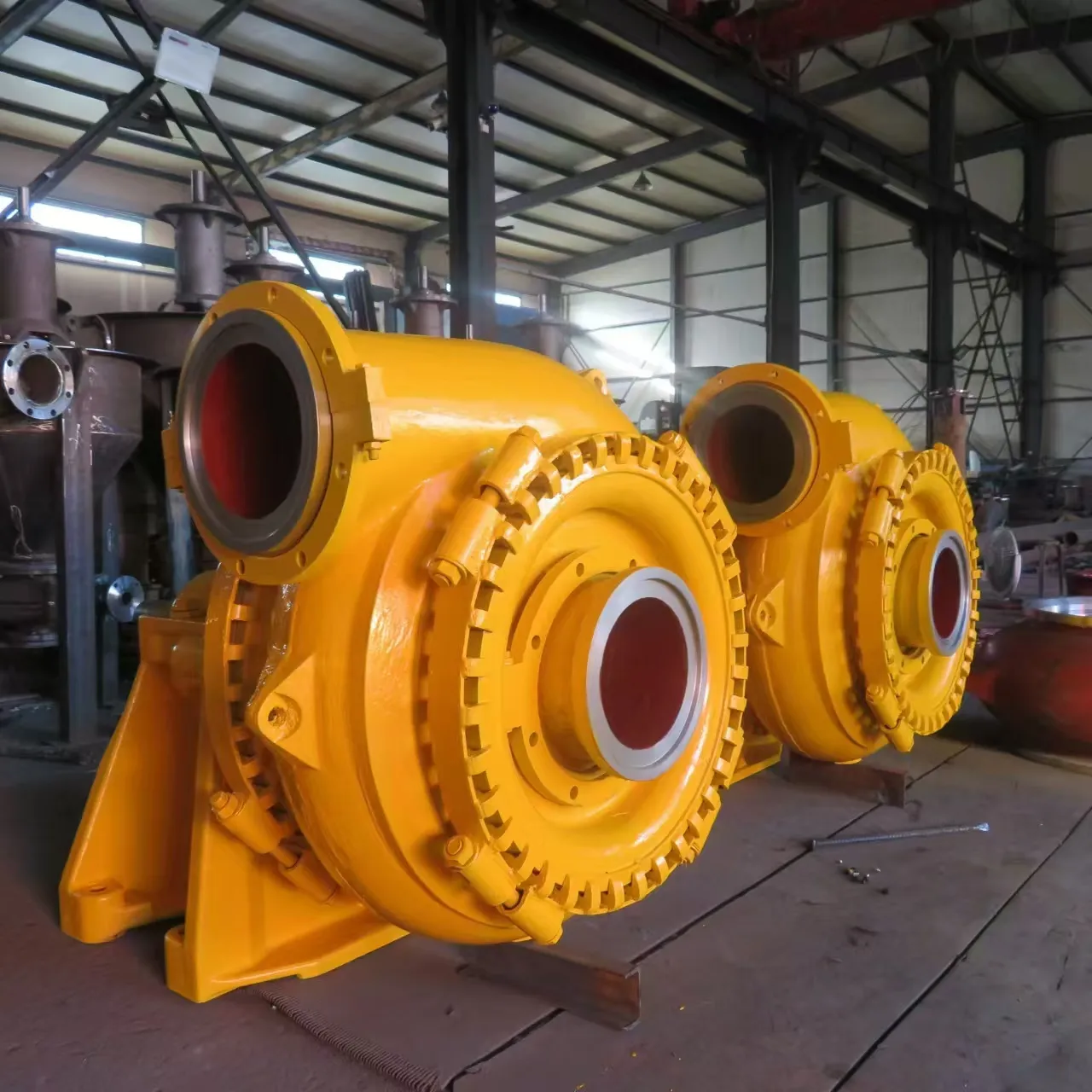
High quality OEM heavy duty slurry pumps are centrifugal pumps specifically designed for the arduous task of transporting abrasive, erosive, and corrosive slurries. They represent a critical component in numerous industrial processes, including mining, dredging, wastewater treatment, chemical processing, and power generation. Positioned downstream of initial material processing or extraction, these pumps facilitate the movement of solids-laden fluids, often over significant distances and elevations. Their core performance characteristics are defined by flow rate, head pressure, solids handling capability, and resistance to abrasive wear. The increasing demand for these pumps is driven by intensified resource extraction, stricter environmental regulations requiring efficient waste management, and the need for robust solutions in challenging industrial environments. The OEM designation signifies original equipment manufacturer production, ensuring compliance with specific design parameters and quality control measures, typically exceeding those of generic or aftermarket pumps. A key pain point in this sector is balancing pumping efficiency with longevity – achieving high flow rates without sacrificing component life due to abrasive damage.
Material Science & Manufacturing
The construction of a heavy duty slurry pump necessitates careful material selection to withstand the inherent challenges of slurry handling. Pump casings are commonly manufactured from high-chrome cast iron (typically 27% chrome content) due to its exceptional resistance to abrasive wear. This alloy forms hard carbides during solidification, providing a robust surface against erosion. Impellers, subject to the highest wear rates, may utilize similar high-chrome alloys, or, for severely abrasive slurries, specialized materials like white cast iron (containing a high percentage of cementite) or even hardened stainless steels (e.g., duplex stainless steel) are employed. Shafts are typically forged from alloy steel (e.g., 4140, 4340) and undergo heat treatment to achieve high tensile strength and torsional rigidity. Seals are often mechanical seals constructed from materials like silicon carbide, tungsten carbide, or ceramic, selected based on the slurry's chemical compatibility and abrasive particle size. Liners, often rubber or polyurethane, are incorporated into the casing and volute to provide additional protection against corrosion and impact.
Manufacturing processes involve several critical steps. Casing production utilizes sand casting, requiring precise mold creation and controlled cooling rates to minimize internal stresses. Impeller blades are typically cast using investment casting (lost wax process) for complex geometries and high dimensional accuracy. Welding processes, particularly submerged arc welding (SAW), are used to join components, requiring qualified welders and stringent quality control to ensure structural integrity. The pump shaft is machined to tight tolerances to ensure proper alignment and bearing functionality. Impellers are dynamically balanced to minimize vibration and extend bearing life. Critical parameters during manufacturing include alloy composition verification, hardness testing (Brinell, Rockwell), non-destructive testing (NDT) such as radiography and ultrasonic testing, and dimensional inspection using coordinate measuring machines (CMM).
Performance & Engineering
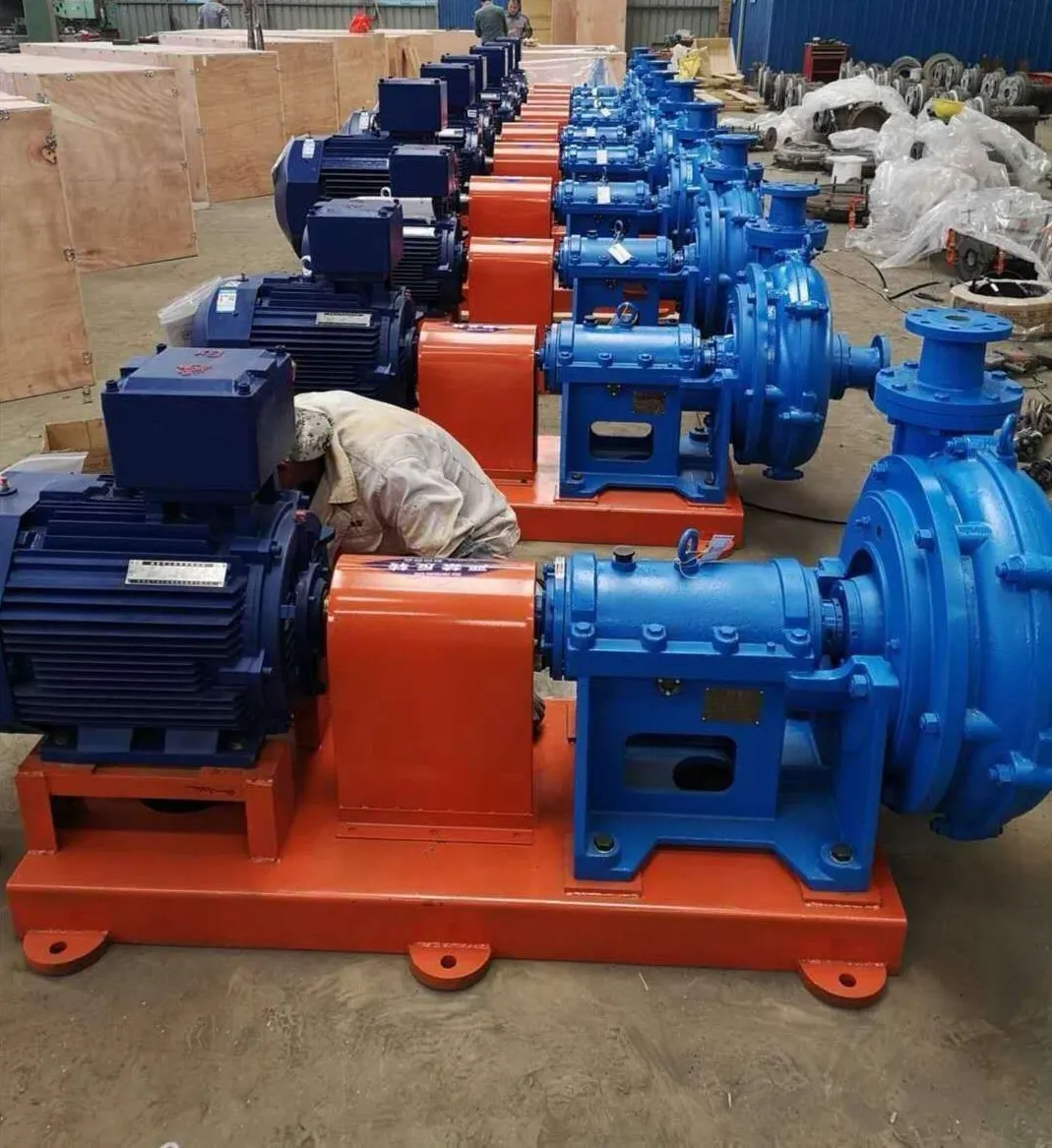
The performance of a slurry pump is governed by several key engineering principles. The pump's hydraulic design focuses on maximizing efficiency while minimizing wear. Impeller geometry, including vane angle and impeller diameter, directly influences flow rate and head pressure. Pump performance curves are generated through hydraulic testing, demonstrating the relationship between flow rate, head, power consumption, and efficiency for various slurry densities and solid concentrations. Force analysis is crucial in determining stresses on critical components, particularly the impeller and shaft. Finite element analysis (FEA) is frequently used to simulate stress distribution and optimize component design. Environmental resistance is addressed through material selection and protective coatings. For corrosive slurries, rubber or polymer linings provide a barrier against chemical attack. For abrasive slurries, hardfacing techniques or ceramic coatings enhance wear resistance. Compliance requirements vary by industry and region, encompassing standards related to electrical safety (IEC, UL), mechanical safety (ISO 13709), and environmental protection (EPA regulations). The selection of appropriate pump curves based on system resistance is vital to avoid cavitation and ensure operational stability.
Technical Specifications
| Parameter | Unit | Typical Range (Heavy Duty Slurry Pump) | Notes |
|---|---|---|---|
| Flow Rate | m³/h | 50 – 1500 | Dependent on impeller diameter and speed. |
| Head | m | 10 – 100 | Determines the vertical lift and pressure overcome. |
| Solids Handling Size | mm | Up to 200 | Maximum particle size the pump can effectively pass. |
| Slurry Concentration (Solids by Weight) | % | Up to 70 | Higher concentrations require more robust pumps. |
| Pump Material (Casing) | - | High-Chrome Cast Iron (27% Cr) | Alternative materials available for specific slurries. |
| Pump Material (Impeller) | - | High-Chrome Cast Iron (27% Cr) / White Cast Iron | Material selected based on abrasion levels. |
Failure Mode & Maintenance
Slurry pumps are susceptible to several failure modes. Abrasive wear is the most common, leading to impeller erosion, casing wall thinning, and liner degradation. Cavitation, caused by vapor bubble formation and collapse, can erode impeller vanes and casing surfaces. Corrosion, particularly in acidic or alkaline slurries, can weaken pump components. Fatigue cracking can occur in the shaft or casing due to cyclic loading. Bearing failure is often a consequence of improper lubrication, misalignment, or excessive load. Seal failure can result in leakage and pump inefficiency.
Preventative maintenance is crucial to extend pump life. Regular inspections should identify signs of wear, corrosion, and leakage. Lubrication schedules must be strictly adhered to. Impeller and casing wear rates should be monitored and documented. Bearings should be inspected for play and lubricated as needed. Seals should be replaced proactively to prevent leakage. Proper slurry pre-treatment, such as screening or classification, can reduce abrasive wear. Vibration analysis can detect bearing faults and impeller imbalance. Scheduled shutdowns for component replacement, such as liners and impellers, are essential. For corrosion-resistant pumps, regular monitoring of coating integrity is necessary. Failure analysis, utilizing techniques like metallography and fracture surface examination, can identify root causes and prevent recurrence.
Industry FAQ
Q: What is the primary difference between a high-chrome and a white cast iron impeller in terms of abrasion resistance?
A: High-chrome cast iron excels in resisting fine particle abrasion due to its hard carbide structure which work-hardens with use. White cast iron, however, is better suited for impact abrasion from larger, angular particles. It's more brittle and wears quickly when subjected to fine, sustained abrasion. The slurry characteristics dictate which material is best suited.
Q: How does the selection of a mechanical seal material impact the overall pump reliability?
A: The mechanical seal is a critical wear component. Choosing a material incompatible with the slurry's chemistry will lead to rapid seal failure. Silicon carbide is generally a good all-around choice, but tungsten carbide is more abrasion resistant, and ceramics are used for highly corrosive environments. Correct material selection prevents leakage and maintains pump efficiency.
Q: What are the key indicators of cavitation in a slurry pump, and how can it be mitigated?
A: Audible noise resembling gravel passing through the pump, reduced flow rate, and impeller erosion are key indicators. Cavitation is typically caused by insufficient Net Positive Suction Head Available (NPSHA). Mitigation involves increasing suction pressure, reducing pump speed, or selecting a pump with a lower NPSH requirement.
Q: What is the role of dynamic balancing in extending the life of a slurry pump?
A: Dynamic balancing ensures that the impeller rotates smoothly without excessive vibration. Vibration leads to bearing wear, shaft fatigue, and ultimately, pump failure. A properly balanced impeller reduces stress on all rotating components, significantly extending pump life and reducing maintenance costs.
Q: How does the slurry’s solid particle size distribution affect pump selection and performance?
A: Particle size distribution directly influences the pump's wear rate and the potential for clogging. Larger particles require pumps with wider clearances and more robust impellers. A broad particle size distribution necessitates a pump designed to handle the largest particles without being inefficient with smaller ones. Proper screening upstream of the pump is crucial for managing particle size distribution.
Conclusion
High quality OEM heavy duty slurry pumps are essential components in numerous industrial applications demanding reliable fluid transfer of abrasive and erosive materials. Their longevity and performance are intricately linked to material selection, meticulous manufacturing processes, and proactive maintenance strategies. Understanding the failure modes specific to these pumps—abrasive wear, cavitation, corrosion, and fatigue—is paramount for optimizing operational efficiency and minimizing downtime.
Looking forward, advancements in materials science, such as the development of new ceramic composites and abrasion-resistant coatings, will further enhance pump durability. The integration of predictive maintenance techniques, leveraging sensor data and machine learning algorithms, will enable proactive component replacement and minimize unscheduled outages. The continued focus on energy efficiency and environmental sustainability will drive the development of more efficient pump designs and optimized control systems.
-
Comprehensive Guide to Waterproof ORings for Optimal Sealing Solutions
News2026-06-09
-
Septic Pump Replacement Performance Analysis
News2026-06-10
-
Septic Pump Price Performance Analysis
News2026-06-10
-
pumps for septic systems Material Science Manufacturing
News2026-06-10
-
ejector pumps for basement bathrooms Performance Analysis
News2026-06-10
-
Ejector Pump Cost Analysis
News2026-06-10
-
drainage pumps Performance and Engineering
News2026-06-09
-
basement bathroom ejector pump Material Science
News2026-06-09
-
Sewer Ejector Pump Cost Performance Analysis
News2026-06-09
-
Septic Tank Pump Replacement Performance Analysis
News2026-06-09
-
septic sump pump Performance and Engineering
News2026-06-09
-
Septic Pump System Performance Analysis
News2026-06-08
-
pump for septic Material Science
News2026-06-08
-
basement sewer pump Performance Analysis
News2026-06-08
-
submerged pump Performance Engineering
News2026-06-08




