English
- Afrikaans
- Albanian
- Amharic
- Arabic
- Armenian
- Azerbaijani
- Basque
- Belarusian
- Bengali
- Bosnian
- Bulgarian
- Catalan
- Cebuano
- Corsican
- Croatian
- Czech
- Danish
- Dutch
- English
- Esperanto
- Estonian
- Finnish
- French
- Frisian
- Galician
- Georgian
- German
- Greek
- Gujarati
- Haitian Creole
- hausa
- hawaiian
- Hebrew
- Hindi
- Miao
- Hungarian
- Icelandic
- igbo
- Indonesian
- irish
- Italian
- Japanese
- Javanese
- Kannada
- kazakh
- Khmer
- Rwandese
- Korean
- Kurdish
- Kyrgyz
- Lao
- Latin
- Latvian
- Lithuanian
- Luxembourgish
- Macedonian
- Malgashi
- Malay
- Malayalam
- Maltese
- Maori
- Marathi
- Mongolian
- Myanmar
- Nepali
- Norwegian
- Norwegian
- Occitan
- Pashto
- Persian
- Polish
- Portuguese
- Punjabi
- Romanian
- Russian
- Samoan
- Scottish Gaelic
- Serbian
- Sesotho
- Shona
- Sindhi
- Sinhala
- Slovak
- Slovenian
- Somali
- Spanish
- Sundanese
- Swahili
- Swedish
- Tagalog
- Tajik
- Tamil
- Tatar
- Telugu
- Thai
- Turkish
- Turkmen
- Ukrainian
- Urdu
- Uighur
- Uzbek
- Vietnamese
- Welsh
- Bantu
- Yiddish
- Yoruba
- Zulu

Telephone: +86 13120555503
Email: frank@cypump.com


Apr . 01, 2024 17:55 Back to list
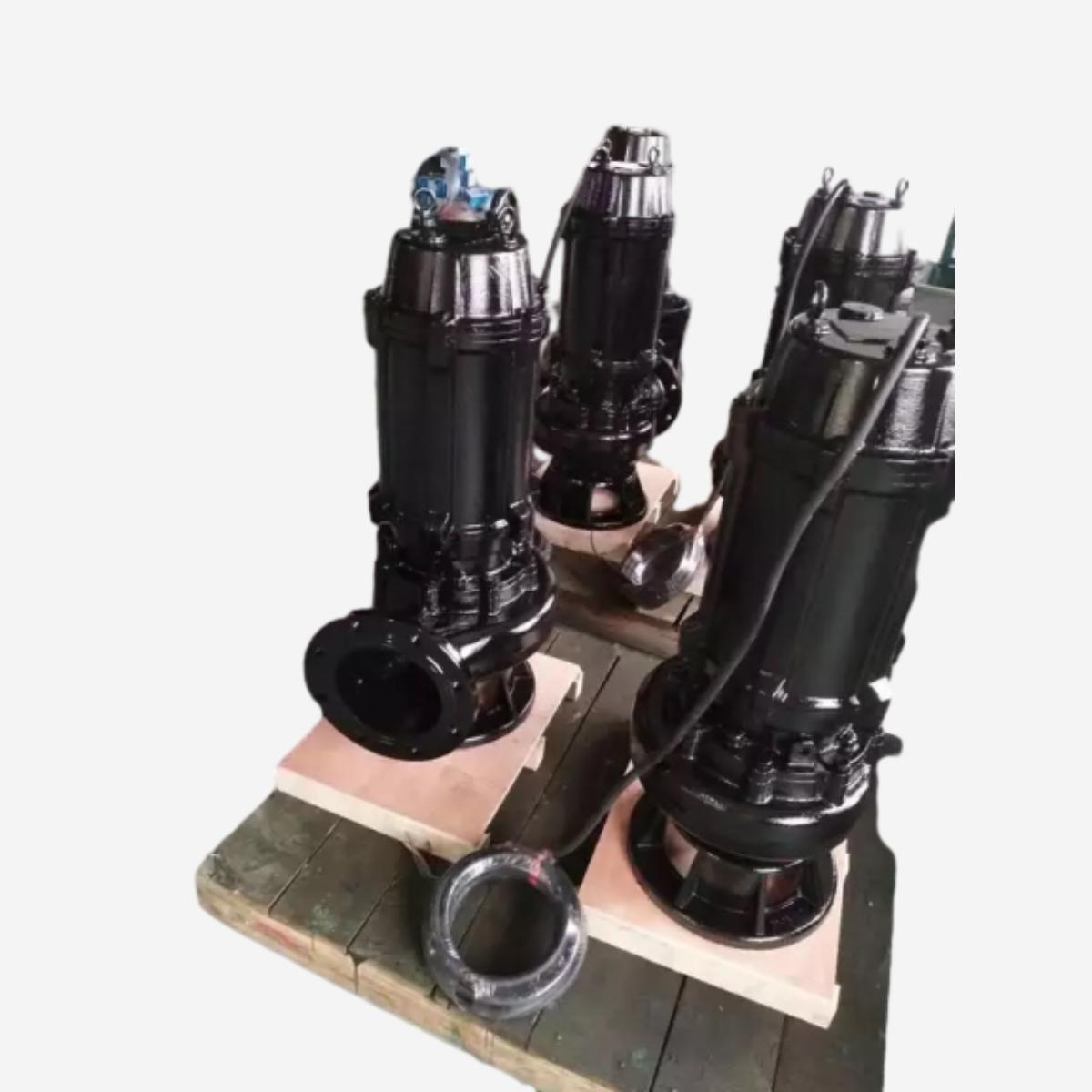
high quality impeller slurry pump Performance and Engineering
Introduction
High quality impeller slurry pumps are positive displacement pumps designed for the transportation of abrasive or corrosive slurries. Positioned within the mining, wastewater treatment, chemical processing, and dredging industries, these pumps represent a critical component in material handling systems. Unlike centrifugal pumps which struggle with high solids content and abrasive particles, slurry pumps are engineered to withstand these conditions. Core performance characteristics are defined by flow rate (typically measured in gallons per minute or cubic meters per hour), head (pressure developed, measured in feet or meters), solids handling capability (diameter and concentration), and abrasion resistance, all directly impacting operational efficiency and lifespan. A primary industry pain point is premature wear and failure of pump components due to the aggressive nature of the slurries, leading to costly downtime and maintenance. The selection of appropriate materials and robust design are therefore paramount.
Material Science & Manufacturing
The construction of high-quality impeller slurry pumps relies on carefully selected materials to counteract the effects of abrasion, corrosion, and impact. Impeller and volute casings are frequently constructed from high-chrome cast iron (typically 27% Cr) owing to its exceptional hardness and wear resistance. Alternative materials include specialized alloys like duplex stainless steels (e.g., 2205, 2507) for highly corrosive environments, and ceramic materials (alumina, silicon carbide) for extreme abrasion resistance in applications like handling diamond-laden slurries. Rubber linings, often utilizing natural rubber or synthetic elastomers, are employed to protect casings from corrosion and provide noise dampening. Shafts are commonly manufactured from alloy steels (e.g., 4140, 4340) subjected to heat treatment to enhance tensile strength and fatigue resistance.
Manufacturing processes vary depending on component complexity. Casting is used for complex shapes like impellers and volute casings, followed by machining to precise tolerances. Investment casting is often preferred for intricate impeller designs, minimizing material waste and improving surface finish. Welding, typically using shielded metal arc welding (SMAW) or gas tungsten arc welding (GTAW) processes, joins various pump components. Critical welds undergo non-destructive testing (NDT) methods, such as radiographic testing (RT) and ultrasonic testing (UT), to ensure structural integrity. Rubber lining is applied through vulcanization processes, bonding the rubber to the metal substrate. Parameter control during manufacturing is essential: precise alloy composition control during casting, dimensional accuracy during machining (held to IT7 or better tolerances), and proper heat treatment cycles are all vital for ensuring consistent performance and longevity. Surface hardening techniques, like induction hardening, are used on shaft surfaces to increase wear resistance.
Performance & Engineering
The performance of an impeller slurry pump is dictated by several key engineering principles. Hydraulic design is critical; impeller geometry (blade angle, number of blades, impeller diameter) directly influences flow rate, head, and efficiency. Computational Fluid Dynamics (CFD) modeling is extensively used to optimize impeller designs, minimizing hydraulic losses and maximizing solids handling capability. Force analysis considers the impact forces exerted by slurry particles on the impeller and casing. These forces induce stresses, requiring robust mechanical design to prevent fatigue failure. The pump's Net Positive Suction Head Required (NPSHr) must be carefully considered to prevent cavitation, a phenomenon where vapor bubbles form within the pump, leading to erosion and performance degradation.
Environmental resistance is crucial. Pumps operating in corrosive environments require materials resistant to chemical attack. The operating temperature also affects material selection and pump performance. Compliance requirements vary depending on the application. For example, pumps used in the food and beverage industry must comply with 3-A Sanitary Standards. Pumps used in hazardous locations must meet ATEX or IECEx certifications for explosion protection. Mechanical seals are critical for preventing leakage, with various seal types (e.g., single mechanical seals, double mechanical seals with barrier fluid) chosen based on slurry composition and operating pressure. The pump’s efficiency is influenced by hydraulic losses, friction losses, and the impeller’s volumetric efficiency. Periodic performance testing and monitoring are vital for detecting performance degradation and identifying potential maintenance needs.
Technical Specifications
| Parameter | Unit | Typical Range (Small Pump) | Typical Range (Large Pump) |
|---|---|---|---|
| Flow Rate | GPM (US) | 50 - 200 | 500 - 2000 |
| Head | ft | 20 - 80 | 100 - 300 |
| Solids Handling Size | in | 0.5 - 2 | 2 - 6 |
| Slurry Concentration (by weight) | % | 10 - 30 | 30 - 70 |
| Pump Speed | RPM | 500 - 1500 | 500 - 1800 |
| Casing Material | - | High Chrome Iron | Duplex Stainless Steel / High Chrome Iron |
Failure Mode & Maintenance
Common failure modes in high quality impeller slurry pumps include impeller wear (caused by abrasive particles), casing erosion (especially in high-velocity areas), seal failure (leading to leakage), and bearing failure (due to excessive loading or contamination). Fatigue cracking can occur in impellers and shafts due to cyclical stress. Delamination of rubber linings is another potential issue, particularly in corrosive environments. Oxidation and corrosion can weaken pump components over time, leading to structural failure. Failure analysis, utilizing techniques like metallography and fracture surface examination, is crucial for identifying the root cause of failures and implementing corrective actions.
Preventative maintenance is essential for maximizing pump lifespan. Regular inspections should include visual checks for wear, leaks, and corrosion. Lubrication of bearings is critical, using appropriate greases compatible with the operating environment. Mechanical seals should be inspected and replaced at recommended intervals. Impeller and casing wear should be monitored, and components replaced when wear reaches critical limits. Regular monitoring of pump performance (flow rate, head, power consumption) can detect early signs of degradation. Proper slurry management (screening out oversized particles, controlling slurry concentration) can significantly reduce pump wear. Vibration analysis can identify bearing issues and misalignment. Periodic flushing of pump lines can prevent solids buildup and maintain optimal flow.
Industry FAQ
Q: What is the primary difference between a slurry pump and a centrifugal pump in terms of solids handling?
A: Centrifugal pumps are designed for relatively clean fluids and struggle with high solids content. Their efficiency drops dramatically, and they are prone to impeller clogging and wear. Slurry pumps, conversely, are specifically designed with larger internal clearances and robust impeller designs to handle abrasive particles without significant performance degradation. Their hydraulic design allows for the suspension and transport of solids.
Q: How does impeller material selection affect the life of a slurry pump when handling highly abrasive slurries?
A: Impeller material is a critical factor. High-chrome cast iron provides excellent abrasion resistance and is a common choice. However, for extremely abrasive slurries (e.g., those containing hard minerals), ceramic materials like alumina or silicon carbide offer superior wear resistance, albeit at a higher cost. The trade-off is between initial cost and extended lifespan.
Q: What are the key considerations when selecting a mechanical seal for a slurry pump?
A: The slurry composition, particle size, pressure, and temperature are all critical considerations. Single mechanical seals are suitable for less demanding applications, while double mechanical seals with a barrier fluid are recommended for highly abrasive or corrosive slurries. The seal face material must be compatible with the slurry to prevent wear and corrosion.
Q: What is NPSHr and why is it important for slurry pump operation?
A: NPSHr (Net Positive Suction Head Required) is the minimum pressure required at the pump suction to prevent cavitation. Insufficient NPSH can lead to vapor bubble formation, causing impeller erosion and performance loss. Proper system design and pump placement are crucial to ensure adequate NPSH available.
Q: How can I minimize the risk of impeller wear in a slurry pump?
A: Several strategies can minimize impeller wear. These include screening the slurry to remove oversized particles, controlling the slurry concentration, selecting the appropriate impeller material, minimizing pump speed, and implementing a robust preventative maintenance program that includes regular inspections and component replacements.
Conclusion
High quality impeller slurry pumps represent a sophisticated engineering solution for the demanding task of slurry transportation. Their performance and longevity are inextricably linked to careful material selection, precise manufacturing processes, and a deep understanding of hydraulic principles. Addressing the inherent challenges of abrasion, corrosion, and solids handling requires a holistic approach that considers the entire system, from slurry characteristics to pump maintenance.
Future trends in slurry pump technology focus on advancements in materials science (e.g., novel alloys and ceramics), improved impeller designs optimized through CFD modeling, and the integration of smart sensors for real-time performance monitoring and predictive maintenance. These innovations will further enhance the efficiency, reliability, and cost-effectiveness of slurry pumping operations, ultimately contributing to increased productivity and reduced downtime across diverse industrial sectors.
-
Comprehensive Guide to Waterproof ORings for Optimal Sealing Solutions
News2026-06-09
-
Septic Pump Replacement Performance Analysis
News2026-06-10
-
Septic Pump Price Performance Analysis
News2026-06-10
-
pumps for septic systems Material Science Manufacturing
News2026-06-10
-
ejector pumps for basement bathrooms Performance Analysis
News2026-06-10
-
Ejector Pump Cost Analysis
News2026-06-10
-
drainage pumps Performance and Engineering
News2026-06-09
-
basement bathroom ejector pump Material Science
News2026-06-09
-
Sewer Ejector Pump Cost Performance Analysis
News2026-06-09
-
Septic Tank Pump Replacement Performance Analysis
News2026-06-09
-
septic sump pump Performance and Engineering
News2026-06-09
-
Septic Pump System Performance Analysis
News2026-06-08
-
pump for septic Material Science
News2026-06-08
-
basement sewer pump Performance Analysis
News2026-06-08
-
submerged pump Performance Engineering
News2026-06-08




