English
- Afrikaans
- Albanian
- Amharic
- Arabic
- Armenian
- Azerbaijani
- Basque
- Belarusian
- Bengali
- Bosnian
- Bulgarian
- Catalan
- Cebuano
- Corsican
- Croatian
- Czech
- Danish
- Dutch
- English
- Esperanto
- Estonian
- Finnish
- French
- Frisian
- Galician
- Georgian
- German
- Greek
- Gujarati
- Haitian Creole
- hausa
- hawaiian
- Hebrew
- Hindi
- Miao
- Hungarian
- Icelandic
- igbo
- Indonesian
- irish
- Italian
- Japanese
- Javanese
- Kannada
- kazakh
- Khmer
- Rwandese
- Korean
- Kurdish
- Kyrgyz
- Lao
- Latin
- Latvian
- Lithuanian
- Luxembourgish
- Macedonian
- Malgashi
- Malay
- Malayalam
- Maltese
- Maori
- Marathi
- Mongolian
- Myanmar
- Nepali
- Norwegian
- Norwegian
- Occitan
- Pashto
- Persian
- Polish
- Portuguese
- Punjabi
- Romanian
- Russian
- Samoan
- Scottish Gaelic
- Serbian
- Sesotho
- Shona
- Sindhi
- Sinhala
- Slovak
- Slovenian
- Somali
- Spanish
- Sundanese
- Swahili
- Swedish
- Tagalog
- Tajik
- Tamil
- Tatar
- Telugu
- Thai
- Turkish
- Turkmen
- Ukrainian
- Urdu
- Uighur
- Uzbek
- Vietnamese
- Welsh
- Bantu
- Yiddish
- Yoruba
- Zulu

Telephone: +86 13120555503
Email: frank@cypump.com


Apr . 01, 2024 17:55 Back to list
high quality ch warman slurry pump supplier Performance Engineering
Introduction
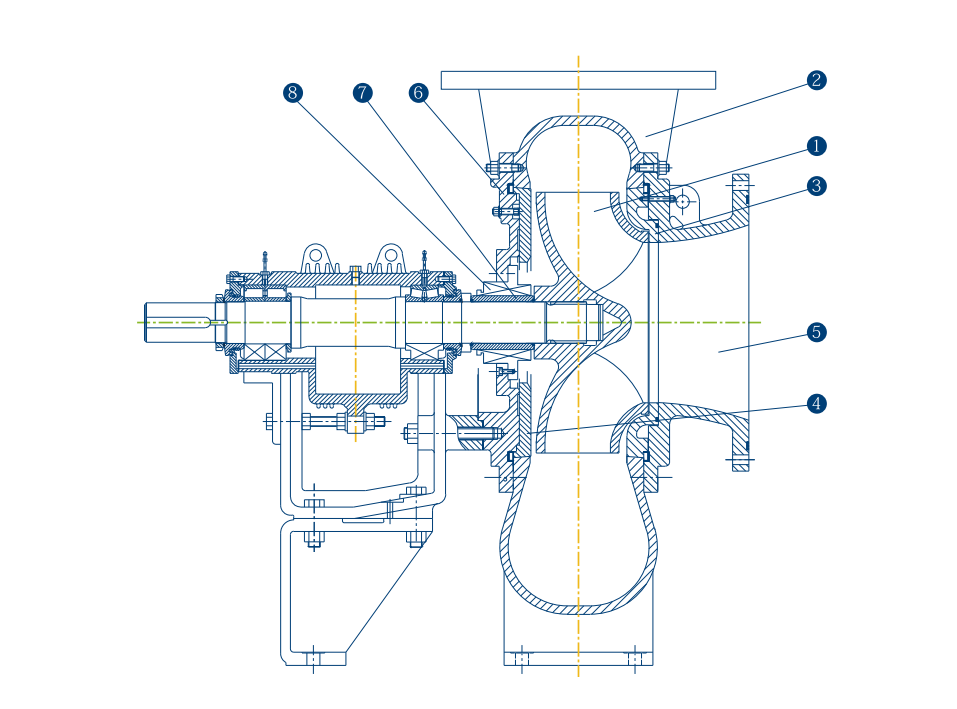
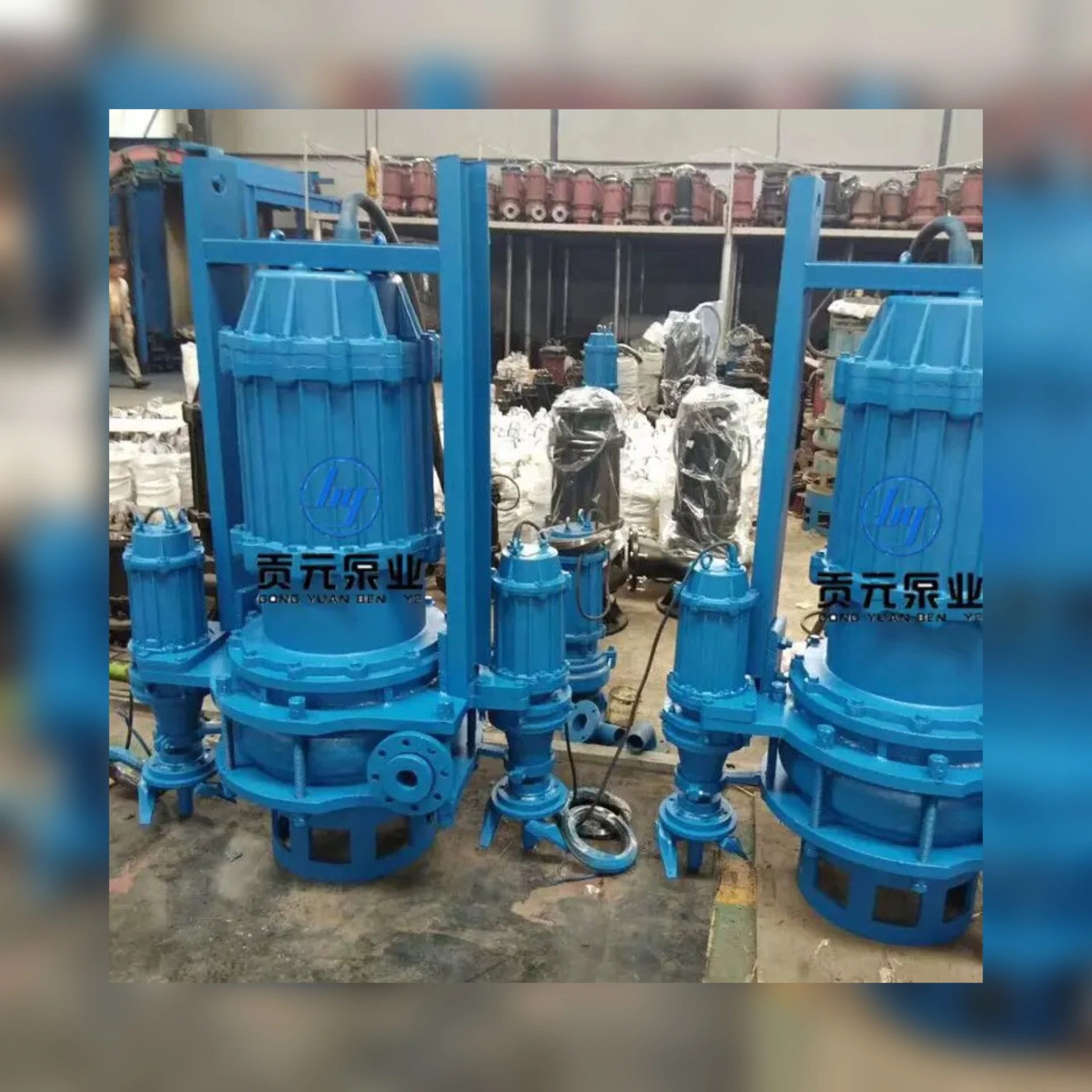
The CH Warman slurry pump, a horizontal, centrifugal pump designed for heavy-duty applications, represents a cornerstone in industrial fluid handling. Its primary function is the transport of abrasive, corrosive, and erosive slurries commonly found in mining, mineral processing, chemical processing, wastewater treatment, and dredging operations. Positioned within the industrial chain as a critical component of processing plants, the pump's efficiency and reliability directly impact overall operational costs and throughput. Core performance characteristics revolve around maximizing solids handling capacity, minimizing wear rates, and maintaining consistent hydraulic performance even with fluctuating slurry conditions. The selection of appropriate materials and impeller design are paramount to extending pump life and reducing maintenance downtime. Understanding the intricacies of slurry pump operation is essential for engineers and procurement managers seeking optimized solutions for challenging fluid handling requirements. A high quality CH Warman slurry pump supplier provides not just the pump itself, but also expert application engineering, component availability, and comprehensive after-sales support.
Material Science & Manufacturing
The construction of a high quality CH Warman slurry pump relies on a carefully selected array of materials engineered to withstand the aggressive nature of slurries. Pump casings are typically manufactured from high-chromium cast iron (typically 27-30% Cr) offering exceptional abrasion resistance. Impellers, subject to the highest erosive forces, may utilize white iron alloys, ceramic materials (alumina, zirconia), or high-chromium cast iron depending on the slurry composition and severity. Shafts are commonly forged from alloy steel, heat-treated for enhanced strength and toughness. Elastomeric liners, often made from natural rubber or synthetic polymers like polyurethane, are utilized in the casing and impeller to provide cushioning and further mitigate wear. Manufacturing processes are critical. Casing production involves sand casting, followed by rigorous quality control including radiographic inspection to detect internal flaws. Impeller casting utilizes similar techniques, with stringent dimensional accuracy requirements. Shaft forging is followed by machining to precise tolerances, and balancing to minimize vibration. Welding, where applicable (e.g., for repairs or modifications), must adhere to strict welding procedures (SMAW, GMAW) and be performed by certified welders. Parameter control during casting—cooling rates, metal composition—directly affects the microstructure and resulting wear properties of the castings. Liners are typically vulcanized or bonded to the metal casing using adhesives resistant to the process fluid. The chemical compatibility of all materials with the specific slurry must be carefully assessed to prevent corrosion and degradation.
Performance & Engineering
The performance of a CH Warman slurry pump is fundamentally governed by hydraulic principles, specifically centrifugal force and fluid dynamics. Force analysis involves evaluating stresses induced by slurry flow, impeller loading, and pressure differentials. Cavitation, a significant concern, occurs when vapor bubbles form due to low pressure, leading to impeller erosion and reduced pump efficiency. Net Positive Suction Head Required (NPSHr) is a critical parameter to ensure adequate pressure at the pump inlet, preventing cavitation. Pump curves (head-capacity curves) define the relationship between flow rate and discharge head, providing essential data for system design. Environmental resistance is crucial; pumps operating outdoors are susceptible to corrosion, temperature fluctuations, and freeze-thaw cycles. Appropriate coatings and materials selection are essential for mitigating these effects. Compliance requirements vary by region. North America follows Hydraulic Institute standards, while Europe adheres to EN ISO standards for pump testing and performance. Functional implementation requires careful consideration of the slurry's characteristics – solids concentration, particle size distribution, specific gravity, viscosity, and corrosivity. Impeller design (radial, vortex, or mixed flow) is tailored to the specific slurry. Mechanical seals are selected based on the fluid’s abrasiveness and chemical properties. Proper pump alignment and pipe support are critical to minimize vibration and bearing wear. Variable Frequency Drives (VFDs) can be implemented to optimize energy consumption and control flow rate.
Technical Specifications
| Parameter | Unit | Typical Value (8x6 Warman Pump) | Tolerance |
|---|---|---|---|
| Discharge Head | m | 25-50 | ±5% |
| Capacity | m³/h | 100-250 | ±10% |
| Maximum Solids Size | mm | 65 | N/A |
| Power | kW | 15-30 | ±5% |
| Impeller Diameter | mm | 250 | ±2 mm |
| Casing Material | - | High Chromium Cast Iron (27% Cr) | Per ASTM A532 |
Failure Mode & Maintenance
Slurry pumps are prone to specific failure modes due to the nature of their operating environment. Fatigue cracking in the impeller and casing is common, induced by cyclic loading and stress concentrations. Erosion, particularly on the impeller vanes and casing volute, leads to dimensional losses and reduced pump performance. Delamination of rubber liners occurs when the bonding fails, exposing the underlying metal to abrasive attack. Corrosion, especially in acidic or alkaline slurries, degrades metal components. Oxidation and wear of the shaft and bearings reduce efficiency and lead to potential seizure. Mechanical seal failure is frequent, often caused by abrasive particles or chemical incompatibility. Preventative maintenance is crucial. Regular inspections should identify wear patterns and potential cracks. Impeller and liner replacement are routine maintenance tasks. Bearing lubrication and monitoring are essential for preventing bearing failure. Seal replacement should be scheduled based on operating hours and seal condition. Vibration analysis can detect early signs of mechanical issues. Proper pump alignment should be verified periodically. Slurry analysis is important for understanding the abrasive characteristics of the fluid and selecting appropriate materials. Implementing a robust maintenance schedule, including regular inspections, component replacements, and performance monitoring, significantly extends pump life and minimizes downtime. Failure analysis, involving metallurgical examination of failed components, helps identify root causes and prevent recurrence.
Industry FAQ
Q: What is the optimal impeller material for a highly abrasive slurry containing 80% silica sand?
A: For a slurry with 80% silica sand, a white iron impeller is generally the most suitable choice. White iron possesses exceptional abrasion resistance due to its high hardness and unique microstructure. While it may be more susceptible to impact damage than high-chromium cast iron, the abrasive wear rate is significantly lower in silica-rich slurries. Consider a ceramic impeller if impact is a major concern and the cost is justified.
Q: How does the pump’s efficiency change with increasing solids concentration?
A: As solids concentration increases, pump efficiency typically decreases. The increased density and viscosity of the slurry require more power to pump the same volume, leading to higher energy consumption and lower hydraulic efficiency. Additionally, higher solids concentrations can exacerbate wear rates, further reducing performance over time.
Q: What is the significance of NPSHr, and how do I ensure adequate NPSHa?
A: NPSHr (Net Positive Suction Head Required) is the minimum pressure required at the pump inlet to prevent cavitation. NPSHa (Net Positive Suction Head Available) is the actual pressure available in the system. To ensure adequate performance, NPSHa must always be greater than NPSHr, with a sufficient safety margin. Increasing suction pipe diameter, lowering the pump, or increasing the liquid level in the suction tank can increase NPSHa.
Q: How often should the elastomeric liners be replaced in a corrosive environment?
A: The lifespan of elastomeric liners in a corrosive environment depends heavily on the specific chemical composition of the slurry. Regular inspections (e.g., every 6 months) are crucial to assess liner condition. Signs of degradation, such as swelling, cracking, or loss of elasticity, indicate the need for replacement. In highly corrosive applications, liners may need to be replaced annually or even more frequently.
Q: What are the key considerations when selecting a mechanical seal for a slurry pump?
A: Key considerations include the slurry's abrasiveness, chemical compatibility, temperature, and pressure. For abrasive slurries, select seals with hard faces (e.g., silicon carbide or tungsten carbide) and robust flushing systems to remove abrasive particles from the seal faces. Chemical compatibility is paramount – the seal material must resist degradation by the slurry. Double mechanical seals with a barrier fluid are recommended for highly abrasive or toxic slurries.
Conclusion
The CH Warman slurry pump remains an indispensable asset in numerous industrial applications, effectively managing the challenging task of transporting abrasive and corrosive slurries. The pump’s enduring performance stems from a combination of robust material selection, meticulous manufacturing processes, and diligent adherence to hydraulic engineering principles. Optimizing pump life and operational efficiency necessitates a comprehensive understanding of potential failure modes and the implementation of a proactive maintenance strategy.
Looking forward, advancements in materials science – including the development of new ceramic composites and polymer formulations – will further enhance the wear resistance and chemical compatibility of slurry pump components. Integration of real-time monitoring systems, utilizing sensors to track vibration, temperature, and flow rate, will enable predictive maintenance and minimize unscheduled downtime. The continued focus on energy efficiency, through optimized impeller designs and variable frequency drives, will contribute to reduced operating costs and a smaller environmental footprint.
-
Comprehensive Guide to Waterproof ORings for Optimal Sealing Solutions
News2026-06-09
-
Septic Pump Replacement Performance Analysis
News2026-06-10
-
Septic Pump Price Performance Analysis
News2026-06-10
-
pumps for septic systems Material Science Manufacturing
News2026-06-10
-
ejector pumps for basement bathrooms Performance Analysis
News2026-06-10
-
Ejector Pump Cost Analysis
News2026-06-10
-
drainage pumps Performance and Engineering
News2026-06-09
-
basement bathroom ejector pump Material Science
News2026-06-09
-
Sewer Ejector Pump Cost Performance Analysis
News2026-06-09
-
Septic Tank Pump Replacement Performance Analysis
News2026-06-09
-
septic sump pump Performance and Engineering
News2026-06-09
-
Septic Pump System Performance Analysis
News2026-06-08
-
pump for septic Material Science
News2026-06-08
-
basement sewer pump Performance Analysis
News2026-06-08
-
submerged pump Performance Engineering
News2026-06-08




