English
- Afrikaans
- Albanian
- Amharic
- Arabic
- Armenian
- Azerbaijani
- Basque
- Belarusian
- Bengali
- Bosnian
- Bulgarian
- Catalan
- Cebuano
- Corsican
- Croatian
- Czech
- Danish
- Dutch
- English
- Esperanto
- Estonian
- Finnish
- French
- Frisian
- Galician
- Georgian
- German
- Greek
- Gujarati
- Haitian Creole
- hausa
- hawaiian
- Hebrew
- Hindi
- Miao
- Hungarian
- Icelandic
- igbo
- Indonesian
- irish
- Italian
- Japanese
- Javanese
- Kannada
- kazakh
- Khmer
- Rwandese
- Korean
- Kurdish
- Kyrgyz
- Lao
- Latin
- Latvian
- Lithuanian
- Luxembourgish
- Macedonian
- Malgashi
- Malay
- Malayalam
- Maltese
- Maori
- Marathi
- Mongolian
- Myanmar
- Nepali
- Norwegian
- Norwegian
- Occitan
- Pashto
- Persian
- Polish
- Portuguese
- Punjabi
- Romanian
- Russian
- Samoan
- Scottish Gaelic
- Serbian
- Sesotho
- Shona
- Sindhi
- Sinhala
- Slovak
- Slovenian
- Somali
- Spanish
- Sundanese
- Swahili
- Swedish
- Tagalog
- Tajik
- Tamil
- Tatar
- Telugu
- Thai
- Turkish
- Turkmen
- Ukrainian
- Urdu
- Uighur
- Uzbek
- Vietnamese
- Welsh
- Bantu
- Yiddish
- Yoruba
- Zulu

Telephone: +86 13120555503
Email: frank@cypump.com


Apr . 01, 2024 17:55 Back to list
high quality ch warman slurry pump Performance Analysis
Introduction
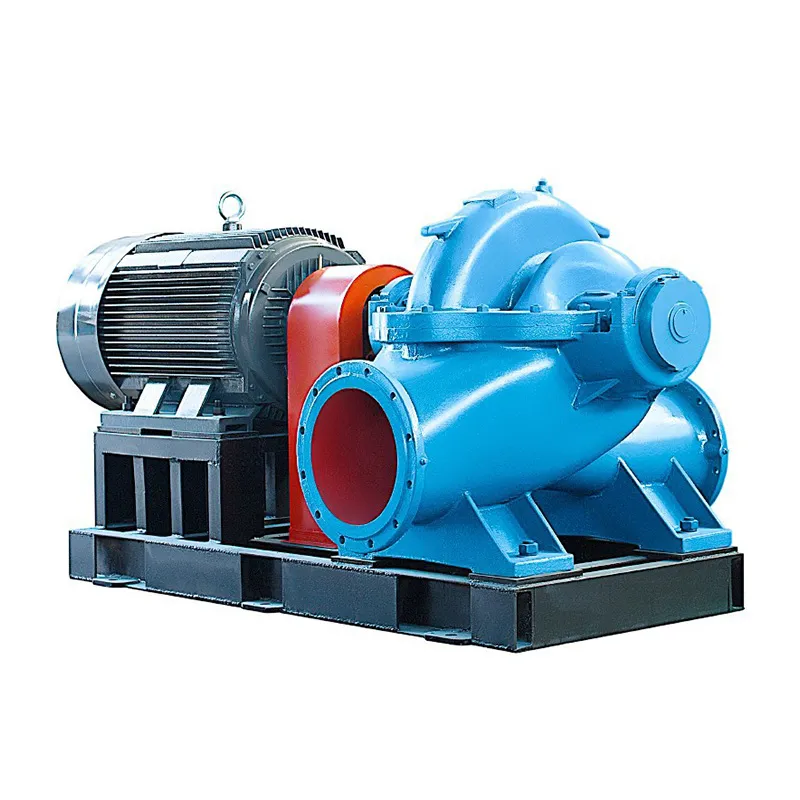
The CH Warman slurry pump is a centrifugal pump specifically designed for handling abrasive, erosive, and corrosive slurries. Its position within the mining, mineral processing, chemical processing, and wastewater treatment industries is critical, serving as a primary material transport component. This pump is distinguished by its robust construction, utilizing high-chrome alloys and specialized impeller designs optimized for extended service life in demanding applications. Core performance characteristics include high head and flow rates, even with significant solids content, resistance to wear, and reliable operation in continuous service. The increasing complexity of slurry compositions – often involving highly abrasive media and aggressive chemical constituents – drives the demand for pumps like the CH Warman model, necessitating a deep understanding of material science, hydraulic performance, and failure mechanisms. A key pain point in the industry is managing the total cost of ownership, encompassing not only the initial pump price but also maintenance frequency, downtime, and replacement costs.
Material Science & Manufacturing
The CH Warman slurry pump leverages several key materials to withstand the harsh environments in which it operates. The pump casing is commonly constructed from high-chrome cast iron (typically 27% Cr), exhibiting exceptional abrasion resistance due to the formation of hard chromium carbides. Impellers are also frequently manufactured from high-chrome iron, but alternative materials like Ni-Hard (a nickel-hardened white iron) are employed for even more severe abrasive conditions. Shaft materials generally consist of alloy steels, such as 4140 or 4340, heat-treated for high tensile strength and torsional rigidity. Sealing components utilize elastomers like Viton or EPDM, selected for their chemical compatibility with the specific slurry being pumped. Manufacturing processes include sand casting for the casing and impeller, followed by machining to precise tolerances. Welding is extensively used for joining components, requiring qualified welders and stringent quality control to prevent defects like porosity or incomplete fusion. Critical parameters during manufacturing include the control of chromium carbide distribution in the cast iron (through optimized cooling rates), achieving precise impeller geometry for optimal hydraulic efficiency, and ensuring proper weld quality through non-destructive testing (NDT) methods like radiography and ultrasonic testing. The selection of the correct material composition and heat treatment is essential to prevent brittle fracture and premature wear.
Performance & Engineering
The performance of a CH Warman slurry pump is heavily influenced by hydraulic design and operating parameters. Force analysis focuses on the radial loads imparted by the impeller, leading to stresses on the bearings and shaft. Axial thrust, generated by pressure imbalances, must also be carefully managed through impeller balancing and thrust bearing design. Environmental resistance is achieved through material selection and protective coatings. For corrosive slurries, rubber liners or epoxy coatings are applied to the casing and impeller to prevent chemical attack. Cavitation is a significant concern, particularly with slurries containing gases or operating at high suction lifts. Pump selection must consider Net Positive Suction Head Required (NPSHr) to avoid cavitation damage, which leads to impeller erosion and reduced pump efficiency. Compliance requirements vary depending on the application, but often include adherence to API 610 standards for centrifugal pumps and specific environmental regulations related to emissions and waste discharge. The pump's volute casing design is optimized to convert kinetic energy from the impeller into pressure energy, maximizing hydraulic efficiency. The impeller geometry (blade angle, vane number, and diameter) is tailored to the specific slurry characteristics and flow requirements. Proper pump sizing is crucial; an undersized pump will experience excessive wear, while an oversized pump will operate inefficiently and may lead to sedimentation.
Technical Specifications
| Model Number | Maximum Flow Rate (m³/hr) | Maximum Head (m) | Maximum Solids Content (% by weight) |
|---|---|---|---|
| CH80 | 250 | 60 | 30 |
| CH100 | 400 | 80 | 40 |
| CH150 | 700 | 110 | 50 |
| CH200 | 1000 | 140 | 60 |
| CH250 | 1400 | 170 | 65 |
| CH300 | 2000 | 200 | 70 |
Failure Mode & Maintenance
Common failure modes in CH Warman slurry pumps include impeller wear, casing erosion, seal failure, and bearing degradation. Impeller wear is primarily caused by abrasion from solid particles in the slurry, leading to reduced pump performance and increased energy consumption. Casing erosion occurs due to the high velocity of the slurry, particularly at the inlet and discharge points. Seal failures often result from abrasive particles damaging the seal faces or chemical attack on the seal material. Bearing degradation can occur due to improper lubrication, excessive loads, or contamination. Fatigue cracking in the shaft is a less frequent but critical failure mode, potentially leading to catastrophic pump failure. Preventive maintenance is crucial for extending pump life and minimizing downtime. This includes regular inspection of the impeller and casing for wear, replacement of worn liners and seals, proper lubrication of bearings, and monitoring of vibration levels. Failure analysis, employing techniques like metallography and fracture surface examination, is essential for identifying the root cause of failures and implementing corrective actions. Proper pump alignment is critical to minimize bearing loads and prevent shaft fatigue. Periodic performance testing (measuring flow rate, head, and power consumption) can identify performance degradation and allow for timely intervention. Consideration should also be given to slurry characteristics; optimizing slurry composition (e.g., reducing particle size) can significantly reduce pump wear.
Industry FAQ
Q: What is the optimal chrome content for the impeller in a highly abrasive slurry application?
A: While higher chrome content (27-30%) generally provides superior abrasion resistance, the optimal content depends on the specific slurry composition and particle size distribution. For extremely abrasive slurries containing sharp, angular particles, a higher chrome content is beneficial. However, increasing chrome content beyond a certain point can reduce toughness and increase susceptibility to cracking. A thorough slurry analysis is essential to determine the appropriate material selection.
Q: How can cavitation be minimized when pumping a slurry with a high gas content?
A: Minimizing cavitation involves maintaining sufficient Net Positive Suction Head Available (NPSHa) above the NPSHr of the pump. This can be achieved by lowering the pump suction lift, increasing the suction pipe diameter, or reducing the slurry temperature. De-aeration techniques, such as installing a vortex separator upstream of the pump, can also reduce the gas content of the slurry.
Q: What is the expected lifespan of a CH Warman pump liner in a typical mining application?
A: Liner lifespan varies significantly depending on slurry abrasiveness, flow velocity, and operating hours. In a typical hard rock mining application, a high-chrome liner might last between 6 to 18 months. However, in highly abrasive applications, such as processing gravel or sand, liner life could be as short as 3 months. Regular inspections are vital for monitoring liner wear and predicting replacement intervals.
Q: What type of seal is recommended for a slurry containing corrosive chemicals?
A: For corrosive slurries, mechanical seals with chemical-resistant barrier fluids and seal face materials (e.g., silicon carbide, tungsten carbide) are recommended. The barrier fluid prevents the slurry from contacting the seal faces and provides lubrication. The choice of elastomer (e.g., Viton, EPDM, PTFE) for the seal components should be based on its compatibility with the specific chemicals present in the slurry.
Q: How does impeller trim affect pump performance and efficiency?
A: Trimming the impeller reduces the pump's head and flow rate. While it allows for fine-tuning the pump's performance to match specific operating conditions, excessive trimming can significantly reduce pump efficiency. It’s essential to consult pump performance curves and avoid trimming the impeller beyond the manufacturer's recommended limits, as this can lead to increased wear and reduced hydraulic efficiency.
Conclusion
The CH Warman slurry pump remains a cornerstone of slurry handling across a diverse range of industries, owing to its robust design, adaptability to various slurry compositions, and proven reliability. Successful implementation hinges on a comprehensive understanding of material science principles, hydraulic performance characteristics, and potential failure mechanisms. Proactive maintenance strategies, coupled with thorough failure analysis, are crucial for maximizing pump lifespan and minimizing total cost of ownership.
Future advancements in slurry pump technology are likely to focus on optimizing impeller designs for improved hydraulic efficiency, developing more wear-resistant materials, and incorporating smart sensors for real-time monitoring of pump performance and condition. The integration of predictive maintenance algorithms will further enhance pump reliability and reduce unplanned downtime, solidifying the CH Warman pump’s position as a critical component in the efficient and sustainable operation of industrial processes.
-
Comprehensive Guide to Waterproof ORings for Optimal Sealing Solutions
News2026-06-09
-
Septic Pump Replacement Performance Analysis
News2026-06-10
-
Septic Pump Price Performance Analysis
News2026-06-10
-
pumps for septic systems Material Science Manufacturing
News2026-06-10
-
ejector pumps for basement bathrooms Performance Analysis
News2026-06-10
-
Ejector Pump Cost Analysis
News2026-06-10
-
drainage pumps Performance and Engineering
News2026-06-09
-
basement bathroom ejector pump Material Science
News2026-06-09
-
Sewer Ejector Pump Cost Performance Analysis
News2026-06-09
-
Septic Tank Pump Replacement Performance Analysis
News2026-06-09
-
septic sump pump Performance and Engineering
News2026-06-09
-
Septic Pump System Performance Analysis
News2026-06-08
-
pump for septic Material Science
News2026-06-08
-
basement sewer pump Performance Analysis
News2026-06-08
-
submerged pump Performance Engineering
News2026-06-08




