English
- Afrikaans
- Albanian
- Amharic
- Arabic
- Armenian
- Azerbaijani
- Basque
- Belarusian
- Bengali
- Bosnian
- Bulgarian
- Catalan
- Cebuano
- Corsican
- Croatian
- Czech
- Danish
- Dutch
- English
- Esperanto
- Estonian
- Finnish
- French
- Frisian
- Galician
- Georgian
- German
- Greek
- Gujarati
- Haitian Creole
- hausa
- hawaiian
- Hebrew
- Hindi
- Miao
- Hungarian
- Icelandic
- igbo
- Indonesian
- irish
- Italian
- Japanese
- Javanese
- Kannada
- kazakh
- Khmer
- Rwandese
- Korean
- Kurdish
- Kyrgyz
- Lao
- Latin
- Latvian
- Lithuanian
- Luxembourgish
- Macedonian
- Malgashi
- Malay
- Malayalam
- Maltese
- Maori
- Marathi
- Mongolian
- Myanmar
- Nepali
- Norwegian
- Norwegian
- Occitan
- Pashto
- Persian
- Polish
- Portuguese
- Punjabi
- Romanian
- Russian
- Samoan
- Scottish Gaelic
- Serbian
- Sesotho
- Shona
- Sindhi
- Sinhala
- Slovak
- Slovenian
- Somali
- Spanish
- Sundanese
- Swahili
- Swedish
- Tagalog
- Tajik
- Tamil
- Tatar
- Telugu
- Thai
- Turkish
- Turkmen
- Ukrainian
- Urdu
- Uighur
- Uzbek
- Vietnamese
- Welsh
- Bantu
- Yiddish
- Yoruba
- Zulu

Telephone: +86 13120555503
Email: frank@cypump.com


Apr . 01, 2024 17:55 Back to list
high quality ch warman slurry pump factory Performance Analysis

Introduction
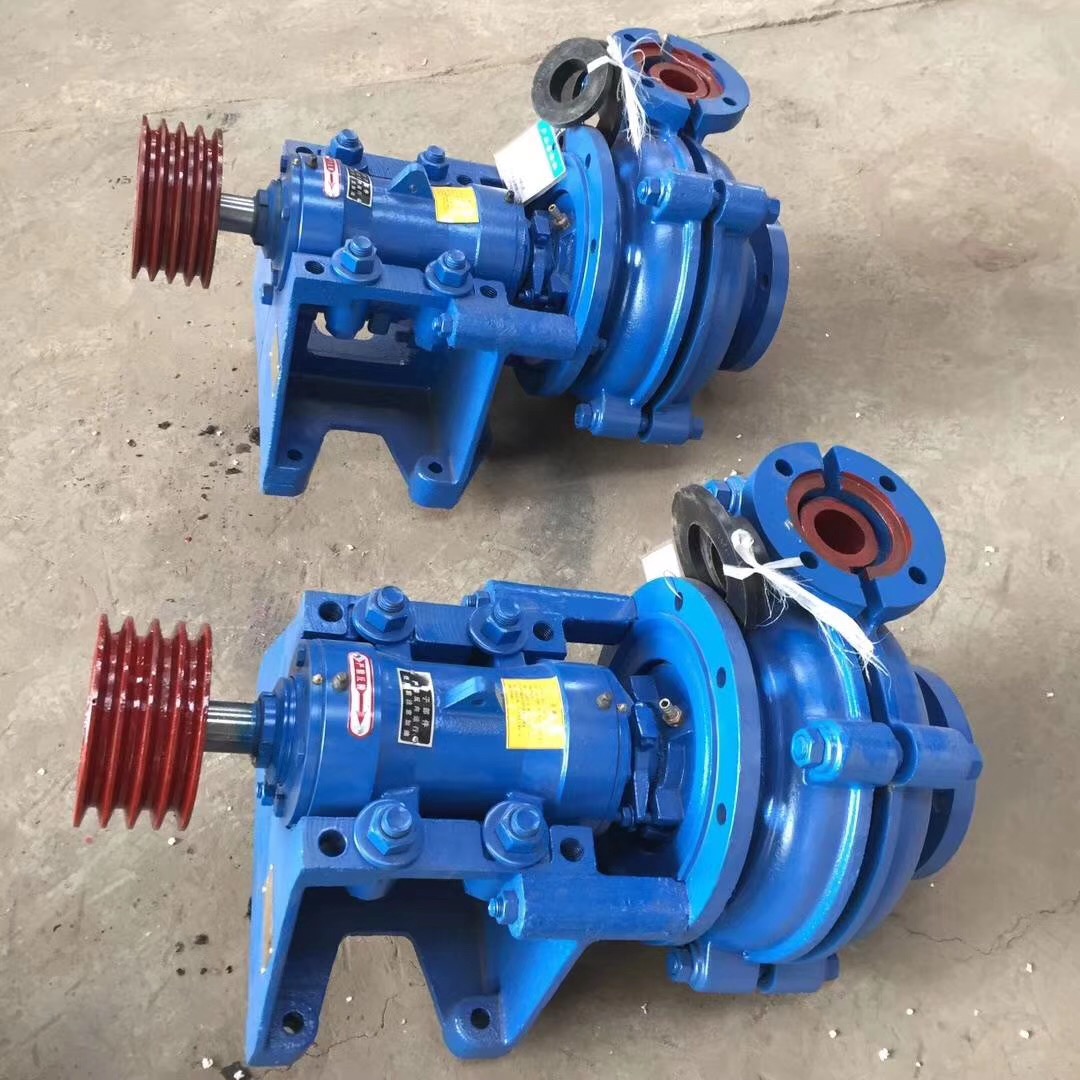
The CH Warman slurry pump, manufactured by leading factories, represents a cornerstone of fluid handling in abrasive and erosive applications across numerous industries. This guide provides a comprehensive technical overview of these pumps, focusing on design principles, material science, performance characteristics, failure modes, and maintenance protocols. Warman pumps are horizontally configured centrifugal pumps specifically designed for handling high-solids slurries, often found in mining, wastewater treatment, dredging, and chemical processing. Their robust construction and adaptability make them vital for efficient operation in harsh environments. Core performance metrics include flow rate (typically measured in m³/hr or GPM), head (expressed in meters or feet), and solids handling capability (percentage by weight or particle size). Understanding these parameters, and the engineering principles behind them, is crucial for optimal pump selection and longevity.
Material Science & Manufacturing
The performance and lifespan of a CH Warman slurry pump are inextricably linked to the material selection and manufacturing processes employed. Pump casings are commonly constructed from high-chrome iron alloys (typically 27% Cr) for exceptional abrasion resistance, vital when handling abrasive slurries containing sand, gravel, or mineral particles. Impellers are similarly often manufactured from high-chrome iron, although alternative materials like ceramic alloys or specialized polymers are used for highly corrosive or specifically abrasive applications. Shafts are usually forged from alloy steel, heat-treated to achieve high tensile strength and torsional rigidity. Liners, replaceable wear components within the casing, utilize rubber, polyurethane, or high-chrome iron depending on the slurry’s composition and aggressiveness. Manufacturing processes include sand casting for casings and impellers, followed by precision machining to ensure tight tolerances and optimal hydraulic efficiency. Welding processes, often employing shielded metal arc welding (SMAW) or gas metal arc welding (GMAW) are used for repair and fabrication. Critical parameters include weld penetration, heat input, and post-weld heat treatment to minimize stress concentrations and prevent cracking. Rubber liners are manufactured via molding processes under controlled temperature and pressure. Chemical compatibility between liner material and the processed slurry is paramount, dictating liner selection and preventing premature degradation.
Performance & Engineering
The hydraulic performance of a CH Warman slurry pump is governed by several key engineering principles. The pump's affinity laws dictate the relationships between flow rate, head, and power consumption. As flow rate increases, head decreases and power consumption increases, and vice-versa. The pump's characteristic curve, determined through hydraulic testing, illustrates these relationships. Force analysis is critical in the design of pump components, particularly the impeller and shaft, to withstand hydraulic forces, radial loads from the slurry, and torsional stresses. Cavitation, a phenomenon where vapor bubbles form and collapse within the pump due to low pressure, is a significant concern, especially when handling volatile slurries or operating at high speeds. Net Positive Suction Head Required (NPSHr) is a critical parameter, representing the minimum pressure required at the pump suction to prevent cavitation. Environmental resistance is achieved through appropriate materials selection and protective coatings. For example, epoxy coatings provide corrosion resistance in chemically aggressive environments. Compliance with industry standards, such as API 610 (Centrifugal Pumps), ensures safety and reliability. Proper pump selection involves matching the pump’s characteristic curve to the system’s requirements, considering factors like slurry density, viscosity, particle size distribution, and flow rate.
Technical Specifications
| Parameter | Unit | Typical Value (CH 8/6 Warman) | Tolerance |
|---|---|---|---|
| Flow Rate | m³/hr | 240 | ±10% |
| Head | m | 30 | ±5% |
| Solids Handling | % by Weight | 65 | ±2% |
| Maximum Particle Size | mm | 75 | N/A |
| Power Consumption | kW | 15 | ±5% |
| Impeller Diameter | mm | 300 | ±2mm |
Failure Mode & Maintenance
CH Warman slurry pumps, despite their robust design, are susceptible to several failure modes. Fatigue cracking, particularly in the impeller and shaft, can occur due to cyclic loading and stress concentrations. Erosion-corrosion, a synergistic effect where abrasion accelerates corrosion, is common in highly corrosive slurries. Wear of the casing and impeller liners is inevitable, reducing pump efficiency and capacity over time. Mechanical seal failure, leading to leakage, is often caused by abrasive particles or improper installation. Bearing failure can result from inadequate lubrication, misalignment, or excessive loading. Preventive maintenance is crucial to mitigate these failures. Regular inspections should include visual checks for wear, leakage, and abnormal noise. Lubrication schedules must be strictly adhered to. Impeller and liner replacements should be performed proactively based on wear measurements. Mechanical seals should be inspected and replaced as needed. Vibration analysis can detect bearing wear or misalignment. Failure analysis should be conducted on failed components to identify root causes and prevent recurrence. Correct impeller trim can restore performance as liners wear. Maintaining accurate operational logs facilitates predictive maintenance and optimizes pump lifespan.
Industry FAQ
Q: What is the optimal impeller material for handling a highly abrasive slurry containing 80% silica sand?
A: For a slurry containing 80% silica sand, a high-chrome iron impeller (typically 27% Cr) is generally recommended. The high chromium content imparts exceptional abrasion resistance, crucial for minimizing wear from the silica particles. However, for extremely aggressive applications, ceramic alloys or tungsten carbide coatings can provide even longer service life, albeit at a higher cost.
Q: How does pump speed affect the lifespan of the liners in a CH Warman pump?
A: Higher pump speeds generally lead to increased liner wear. The impact energy of the slurry particles on the liner surface increases proportionally with velocity. Reducing pump speed, if feasible within process constraints, can significantly extend liner life. Variable Frequency Drives (VFDs) can provide precise speed control and optimize performance.
Q: What are the primary causes of cavitation in a Warman slurry pump, and how can it be prevented?
A: Cavitation is primarily caused by insufficient Net Positive Suction Head Available (NPSHa) at the pump suction. This can be due to low suction pressure, high liquid temperature, or restrictions in the suction piping. Prevention involves ensuring adequate NPSHa by optimizing suction piping design, reducing liquid temperature, or increasing suction pressure. Proper impeller design also minimizes the potential for cavitation.
Q: How do I determine the appropriate liner material for a slurry with a pH of 2?
A: A pH of 2 indicates a highly acidic slurry. Standard rubber liners will likely degrade rapidly in such an environment. Polyurethane liners offer improved acid resistance, but specialized polymer liners (e.g., Viton) or ceramic liners are generally required for prolonged service life. A chemical compatibility test is recommended to confirm the suitability of the chosen liner material.
Q: What is the recommended maintenance interval for mechanical seals in a CH Warman pump handling a slurry with a high solids content?
A: Mechanical seals handling high-solids slurries typically require more frequent inspection and replacement compared to clean liquid applications. A recommended interval is every 3-6 months, or after 500-1000 hours of operation, depending on slurry abrasiveness and operating conditions. Regular monitoring for leakage is essential.
Conclusion
The CH Warman slurry pump stands as a robust and versatile solution for demanding fluid handling applications. Its effectiveness hinges on careful consideration of material selection, precise manufacturing processes, and diligent maintenance. Understanding the interplay between hydraulic performance, material properties, and potential failure modes is essential for optimizing pump lifespan and minimizing downtime. The correct selection and operation of these pumps are critical to maintaining efficient and cost-effective operations in numerous industries.
Future developments in slurry pump technology focus on improving abrasion resistance through novel materials like silicon carbide, enhancing hydraulic efficiency with advanced impeller designs, and incorporating condition monitoring systems for predictive maintenance. These advancements will further solidify the CH Warman pump’s position as a cornerstone of fluid handling in challenging environments and contribute to a more sustainable and reliable industrial landscape.
-
Comprehensive Guide to Waterproof ORings for Optimal Sealing Solutions
News2026-06-09
-
Septic Pump Replacement Performance Analysis
News2026-06-10
-
Septic Pump Price Performance Analysis
News2026-06-10
-
pumps for septic systems Material Science Manufacturing
News2026-06-10
-
ejector pumps for basement bathrooms Performance Analysis
News2026-06-10
-
Ejector Pump Cost Analysis
News2026-06-10
-
drainage pumps Performance and Engineering
News2026-06-09
-
basement bathroom ejector pump Material Science
News2026-06-09
-
Sewer Ejector Pump Cost Performance Analysis
News2026-06-09
-
Septic Tank Pump Replacement Performance Analysis
News2026-06-09
-
septic sump pump Performance and Engineering
News2026-06-09
-
Septic Pump System Performance Analysis
News2026-06-08
-
pump for septic Material Science
News2026-06-08
-
basement sewer pump Performance Analysis
News2026-06-08
-
submerged pump Performance Engineering
News2026-06-08




