English
- Afrikaans
- Albanian
- Amharic
- Arabic
- Armenian
- Azerbaijani
- Basque
- Belarusian
- Bengali
- Bosnian
- Bulgarian
- Catalan
- Cebuano
- Corsican
- Croatian
- Czech
- Danish
- Dutch
- English
- Esperanto
- Estonian
- Finnish
- French
- Frisian
- Galician
- Georgian
- German
- Greek
- Gujarati
- Haitian Creole
- hausa
- hawaiian
- Hebrew
- Hindi
- Miao
- Hungarian
- Icelandic
- igbo
- Indonesian
- irish
- Italian
- Japanese
- Javanese
- Kannada
- kazakh
- Khmer
- Rwandese
- Korean
- Kurdish
- Kyrgyz
- Lao
- Latin
- Latvian
- Lithuanian
- Luxembourgish
- Macedonian
- Malgashi
- Malay
- Malayalam
- Maltese
- Maori
- Marathi
- Mongolian
- Myanmar
- Nepali
- Norwegian
- Norwegian
- Occitan
- Pashto
- Persian
- Polish
- Portuguese
- Punjabi
- Romanian
- Russian
- Samoan
- Scottish Gaelic
- Serbian
- Sesotho
- Shona
- Sindhi
- Sinhala
- Slovak
- Slovenian
- Somali
- Spanish
- Sundanese
- Swahili
- Swedish
- Tagalog
- Tajik
- Tamil
- Tatar
- Telugu
- Thai
- Turkish
- Turkmen
- Ukrainian
- Urdu
- Uighur
- Uzbek
- Vietnamese
- Welsh
- Bantu
- Yiddish
- Yoruba
- Zulu

Telephone: +86 13120555503
Email: frank@cypump.com


Apr . 01, 2024 17:55 Back to list
high quality centrifugal slurry pump warman Performance Analysis
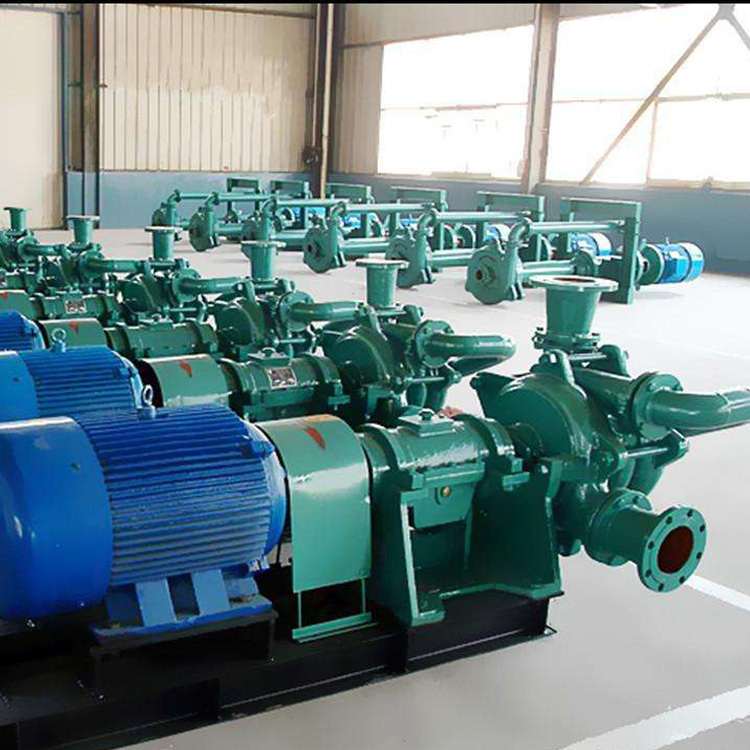
Introduction
High quality centrifugal slurry pumps, specifically those modeled after the Warman design, represent a critical component in numerous industrial processes involving abrasive or erosive materials. These pumps are designed for continuous handling of slurries – mixtures of liquids and solid particles – across diverse applications including mining, dredging, industrial waste treatment, and heavy chemical processing. Unlike standard centrifugal pumps, Warman-style pumps incorporate specific design features to mitigate wear and maintain efficiency when processing high-solids content fluids. Their technical position in the industrial chain is primarily as a core processing aid, enabling the transport of materials vital to upstream and downstream operations. Core performance metrics center on flow rate (typically measured in gallons per minute or cubic meters per hour), head (pressure generated, measured in feet or meters), solids handling capability (percentage by weight or volume), and wear life (measured in operating hours before component replacement).
Material Science & Manufacturing
The robustness of a high quality centrifugal slurry pump Warman hinges on the careful selection and processing of constituent materials. Key components are typically constructed from high-chromium cast irons (typically 27-30% Cr) offering excellent abrasion resistance, essential for handling aggressive slurries. The impeller and volute are the primary wear surfaces and are often manufactured using specialized alloys tailored to the slurry composition. Manufacturing processes begin with alloy selection and melt preparation. The casting process utilizes techniques like sand casting or investment casting to achieve the complex geometries required for efficient slurry flow. Following casting, components undergo rigorous heat treatment to optimize hardness and toughness. Impellers are often individually balanced to minimize vibration and extend bearing life. Welding is employed for joining pump casing sections; low-hydrogen welding processes are crucial to prevent porosity and ensure weld integrity. Surface hardening techniques, such as ceramic coatings or tungsten carbide overlays, can be applied to critical wear areas to further enhance service life. Parameter control during the casting process, specifically cooling rates and alloy composition, directly impacts the microstructure and therefore the wear resistance of the final component. The choice of elastomer liners (rubber or polyurethane) for casing protection is also critical, based on chemical compatibility with the slurry and desired level of abrasion resistance. Careful material selection considers factors like corrosion resistance (pH of the slurry), impact resistance (size and velocity of solids), and erosion resistance (abrasiveness of the solids).
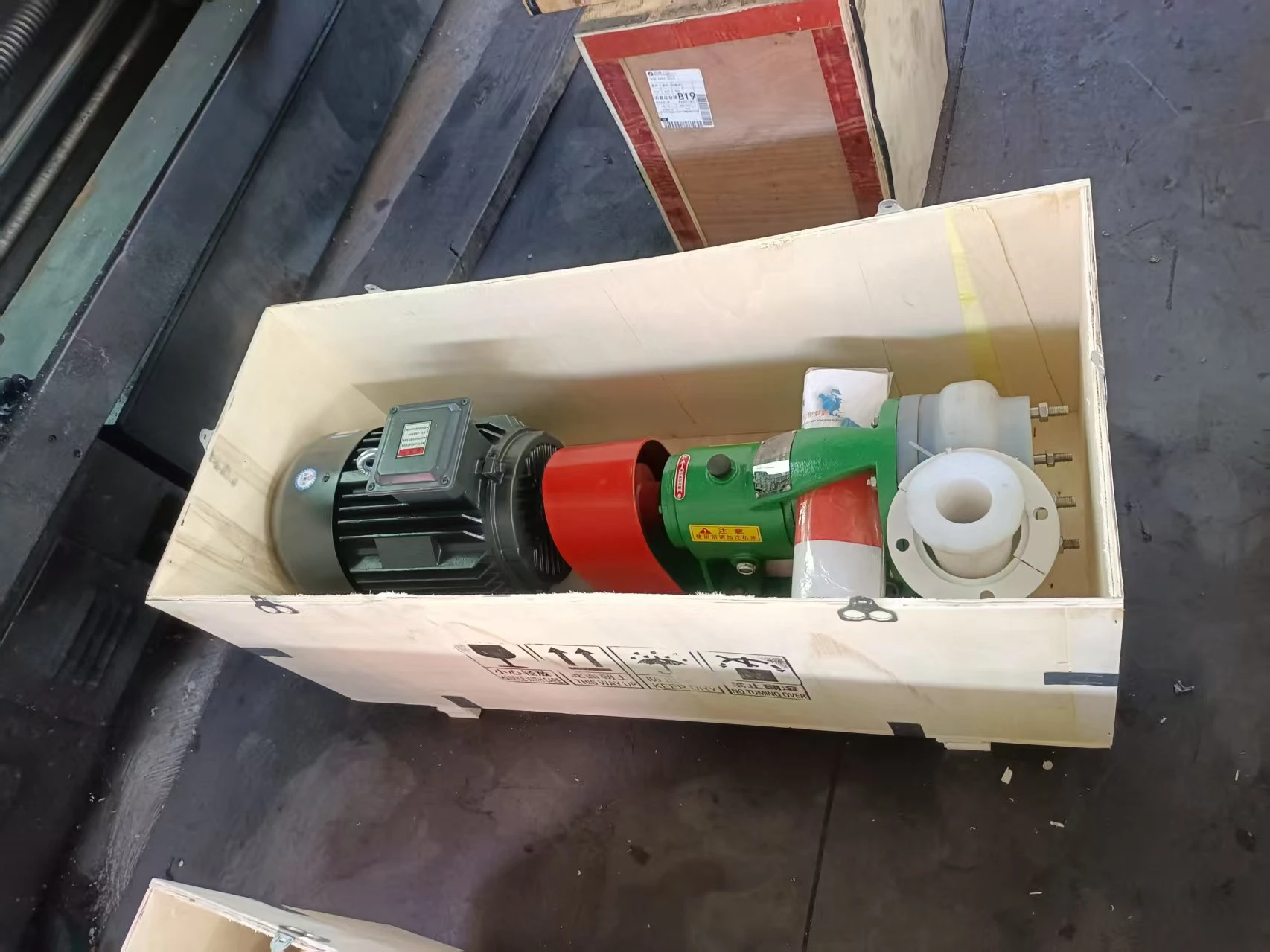
Performance & Engineering
The performance of a centrifugal slurry pump is dictated by a complex interplay of hydraulic principles and mechanical engineering considerations. Force analysis focuses on radial and axial loads generated by the impeller and fluid flow. These loads are transferred to the bearings, necessitating robust bearing housing design and appropriate lubrication systems. Cavitation, a phenomenon where vapor bubbles form and collapse within the pump, is a significant concern when handling low-Net Positive Suction Head Available (NPSHA) slurries. Pump design mitigates cavitation risk through impeller geometry optimization and careful selection of operating speeds. Environmental resistance is paramount; pumps operating in harsh climates require features like corrosion-resistant coatings, sealed bearings, and effective cooling systems. Compliance requirements vary based on the application and geographic location. Mining operations often necessitate compliance with safety standards set by organizations like the Mine Safety and Health Administration (MSHA). Slurry pump design must adhere to hydraulic efficiency standards, minimizing energy consumption. The pump curve, a graphical representation of head versus flow rate, is a critical engineering document used for system matching and performance prediction. Pump selection considers not only the required flow and head but also the slurry’s specific gravity, viscosity, and solids concentration. Proper impeller design (open, semi-open, or closed) is vital for optimal slurry handling. Mechanical seals are engineered for slurry service, employing robust seal faces and flushing systems to prevent abrasive particle ingress.
Technical Specifications
| Parameter | Typical Range (Warman M-Series) | Unit | Testing Standard |
|---|---|---|---|
| Flow Rate | 100 - 1500 | GPM (Gallons per Minute) | HI 1.6 |
| Discharge Head | 50 - 300 | ft (Feet) | HI 1.3 |
| Maximum Solids Size | Up to 6 | inches | Internal Testing |
| Maximum Solids Concentration (by weight) | Up to 70 | % | Customer Specification |
| Impeller Material | High Chromium Cast Iron (27-30% Cr) | - | ASTM A532 Grade III Class 30 |
| Casing Material | High Chromium Cast Iron / Rubber Lined | - | ASTM A532 / Customer Specification |
Failure Mode & Maintenance
Centrifugal slurry pumps Warman are susceptible to various failure modes, primarily related to wear and corrosion. Fatigue cracking in the impeller and casing can occur due to cyclical loading and stress concentrations. Delamination of rubber liners is a common failure, often caused by improper bonding or chemical attack. Erosion and abrasion lead to gradual material loss at the impeller, volute, and diffuser. Oxidation can affect metallic components, particularly in environments with elevated temperatures or corrosive atmospheres. Cavitation damage manifests as pitting on the impeller surface, reducing pump efficiency. Failure analysis often involves metallographic examination to identify the root cause of cracking or wear. Preventative maintenance is crucial. This includes regular inspection of wear liners, impeller condition monitoring (visual inspection, vibration analysis), bearing lubrication checks, and seal replacement. Scheduled shutdowns for component replacement based on operating hours are recommended. Maintaining proper suction head and avoiding operation outside the pump’s performance curve can prevent cavitation damage. For rubber-lined pumps, verifying chemical compatibility between the slurry and liner material is essential. Correct alignment of the pump and motor prevents excessive bearing wear. Use of genuine replacement parts ensures compatibility and optimal performance.
Industry FAQ
Q: What is the impact of slurry composition on pump selection?
A: Slurry composition dictates material selection and pump design. Highly abrasive slurries necessitate high-chromium cast irons or ceramic liners. Corrosive slurries require corrosion-resistant alloys (e.g., stainless steel, duplex stainless steel) or rubber-lined components. Solids concentration affects pump capacity and impeller type – higher solids concentrations typically require larger impellers and open impeller designs.
Q: How do I mitigate cavitation in a slurry pump?
A: Cavitation is mitigated by ensuring sufficient NPSHA. This involves optimizing suction piping layout (reducing pipe length and bends), increasing suction tank pressure, and lowering pump operating speed. Selecting an impeller designed for low-NPSH service is also critical.
Q: What is the expected lifespan of a typical Warman-style pump impeller?
A: Impeller lifespan varies significantly based on slurry abrasiveness, solids concentration, and operating conditions. Typical lifespans range from 6 months to 2 years, but can be longer with proper material selection and maintenance.
Q: What are the key considerations for selecting a mechanical seal for slurry service?
A: Mechanical seals for slurry pumps must be designed to resist abrasive particle ingress. Features like hardened seal faces, flushing systems, and robust gland designs are essential. The seal material must also be chemically compatible with the slurry.
Q: How important is pump alignment, and what are the consequences of misalignment?
A: Pump alignment is critically important. Misalignment causes excessive bearing wear, vibration, and potential pump failure. Regular alignment checks using laser alignment tools are recommended.
Conclusion
The selection, operation, and maintenance of high quality centrifugal slurry pumps Warman are complex endeavors requiring a thorough understanding of materials science, hydraulic principles, and industry-specific operational demands. Optimizing pump performance necessitates careful consideration of slurry characteristics, accurate system design, and a proactive preventative maintenance program. Choosing the appropriate materials, particularly for impeller and casing construction, is paramount to maximizing pump longevity and minimizing downtime.
Future developments in slurry pump technology will likely focus on advanced materials (e.g., silicon carbide, tungsten carbide composites), improved impeller designs for enhanced hydraulic efficiency and solids handling capability, and the integration of sensor-based monitoring systems for predictive maintenance. Continued refinement of elastomer formulations will also contribute to enhanced wear resistance and chemical compatibility. Successful implementation of these advancements requires ongoing collaboration between pump manufacturers, end-users, and research institutions.
-
Comprehensive Guide to Waterproof ORings for Optimal Sealing Solutions
News2026-06-09
-
drainage pumps Performance and Engineering
News2026-06-09
-
basement bathroom ejector pump Material Science
News2026-06-09
-
Sewer Ejector Pump Cost Performance Analysis
News2026-06-09
-
Septic Tank Pump Replacement Performance Analysis
News2026-06-09
-
septic sump pump Performance and Engineering
News2026-06-09
-
Septic Pump System Performance Analysis
News2026-06-08
-
pump for septic Material Science
News2026-06-08
-
basement sewer pump Performance Analysis
News2026-06-08
-
submerged pump Performance Engineering
News2026-06-08
-
Septic System Pumps Performance Analysis
News2026-06-08
-
septic system pump Material Science and Manufacturing
News2026-06-07
-
pump for septic tank Material Science Manufacturing
News2026-06-07
-
submersible sewage pump Material Science
News2026-06-07
-
Sewage Ejector Material Science and Manufacturing
News2026-06-07




