English
- Afrikaans
- Albanian
- Amharic
- Arabic
- Armenian
- Azerbaijani
- Basque
- Belarusian
- Bengali
- Bosnian
- Bulgarian
- Catalan
- Cebuano
- Corsican
- Croatian
- Czech
- Danish
- Dutch
- English
- Esperanto
- Estonian
- Finnish
- French
- Frisian
- Galician
- Georgian
- German
- Greek
- Gujarati
- Haitian Creole
- hausa
- hawaiian
- Hebrew
- Hindi
- Miao
- Hungarian
- Icelandic
- igbo
- Indonesian
- irish
- Italian
- Japanese
- Javanese
- Kannada
- kazakh
- Khmer
- Rwandese
- Korean
- Kurdish
- Kyrgyz
- Lao
- Latin
- Latvian
- Lithuanian
- Luxembourgish
- Macedonian
- Malgashi
- Malay
- Malayalam
- Maltese
- Maori
- Marathi
- Mongolian
- Myanmar
- Nepali
- Norwegian
- Norwegian
- Occitan
- Pashto
- Persian
- Polish
- Portuguese
- Punjabi
- Romanian
- Russian
- Samoan
- Scottish Gaelic
- Serbian
- Sesotho
- Shona
- Sindhi
- Sinhala
- Slovak
- Slovenian
- Somali
- Spanish
- Sundanese
- Swahili
- Swedish
- Tagalog
- Tajik
- Tamil
- Tatar
- Telugu
- Thai
- Turkish
- Turkmen
- Ukrainian
- Urdu
- Uighur
- Uzbek
- Vietnamese
- Welsh
- Bantu
- Yiddish
- Yoruba
- Zulu

Telephone: +86 13120555503
Email: frank@cypump.com


Apr . 01, 2024 17:55 Back to list
high quality ahr rubber slurry pump Performance Analysis
Introduction
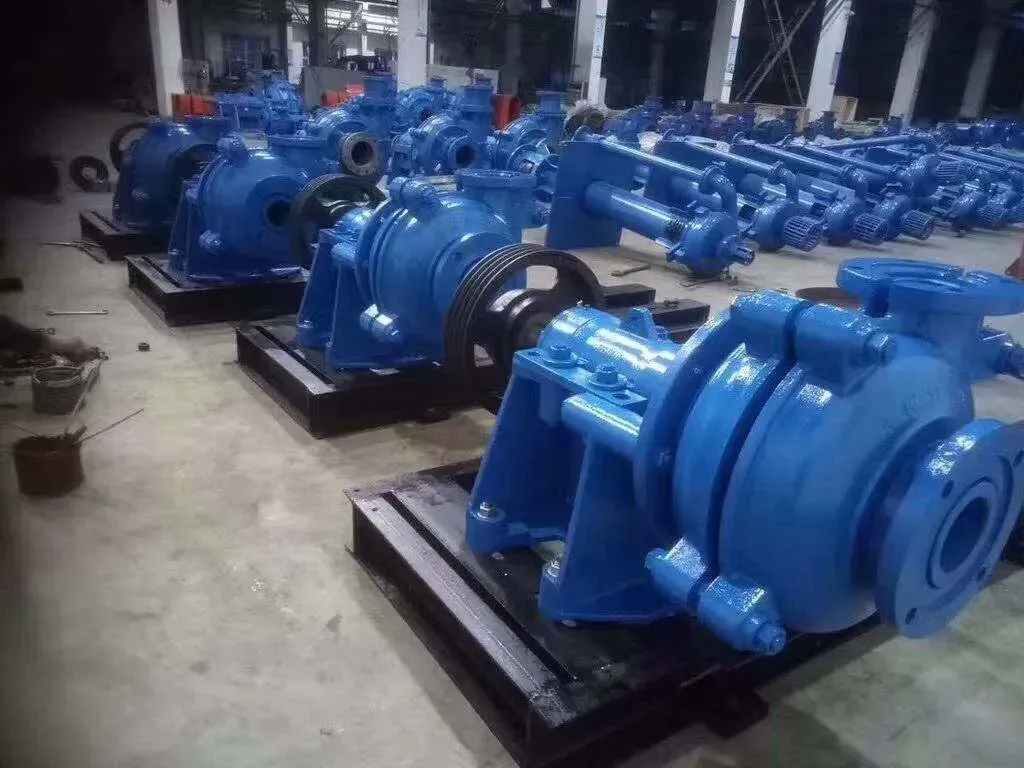
High quality AHR (Abrasion-resistant Rubber) slurry pumps are critical components in numerous industrial processes involving the transport of abrasive and corrosive fluids. Positioned within the fluid handling segment of the broader industrial pump market, these pumps distinguish themselves through their robust construction, specifically designed to manage slurries containing solids – a challenge traditional centrifugal pumps often struggle with. Their core performance characteristics revolve around maintaining flow rate and head pressure while minimizing wear and ensuring long-term operational reliability. AHR slurry pumps are predominantly employed in industries such as mining, mineral processing, wastewater treatment, chemical processing, and power generation. The pumps’ design mitigates the effects of abrasive particles on internal components, extending service life and reducing maintenance costs – key pain points for operators managing challenging slurry applications. This technical guide provides an in-depth exploration of AHR slurry pump technology, encompassing material science, manufacturing processes, performance engineering, failure modes, and relevant industry standards.
Material Science & Manufacturing
The core of an AHR slurry pump’s durability lies in its material selection. The housing is typically constructed from high-chromium cast iron (e.g., 27% Cr) offering exceptional abrasion resistance. However, for extremely corrosive environments, alternative materials like stainless steel (316, duplex stainless steel), or specialized alloys such as Hastelloy may be employed. The impeller and volute liner, directly exposed to the slurry’s erosive forces, are almost exclusively manufactured from high-natural rubber compounds. These rubber formulations incorporate fillers like silica and alumina to enhance hardness and abrasion resistance. Specific rubber hardness (measured in Shore A) is tailored to the slurry's characteristics – harder rubbers are preferred for highly abrasive, low-impact slurries, while softer rubbers better absorb impact energy from larger particles.
Manufacturing begins with the casting of the pump housing. Critical parameters during casting include sand composition, mold temperature, and cooling rate, which directly impact the microstructure and ultimately the abrasion resistance of the casting. The impeller is typically produced through rubber injection molding. This process necessitates precise temperature and pressure control to ensure uniform rubber density and adhesion to any metal inserts (typically used for impeller attachment). Volute liners are often molded separately and then bonded to the pump casing using high-strength adhesives. A key manufacturing parameter is surface preparation prior to bonding – thorough cleaning and roughening of surfaces are vital for optimal adhesion. Quality control includes radiographic inspection of castings for porosity, hardness testing of rubber components, and dimensional verification to ensure adherence to stringent tolerances. Finally, the entire assembly undergoes hydrostatic testing to confirm leak-tightness and structural integrity.
Performance & Engineering
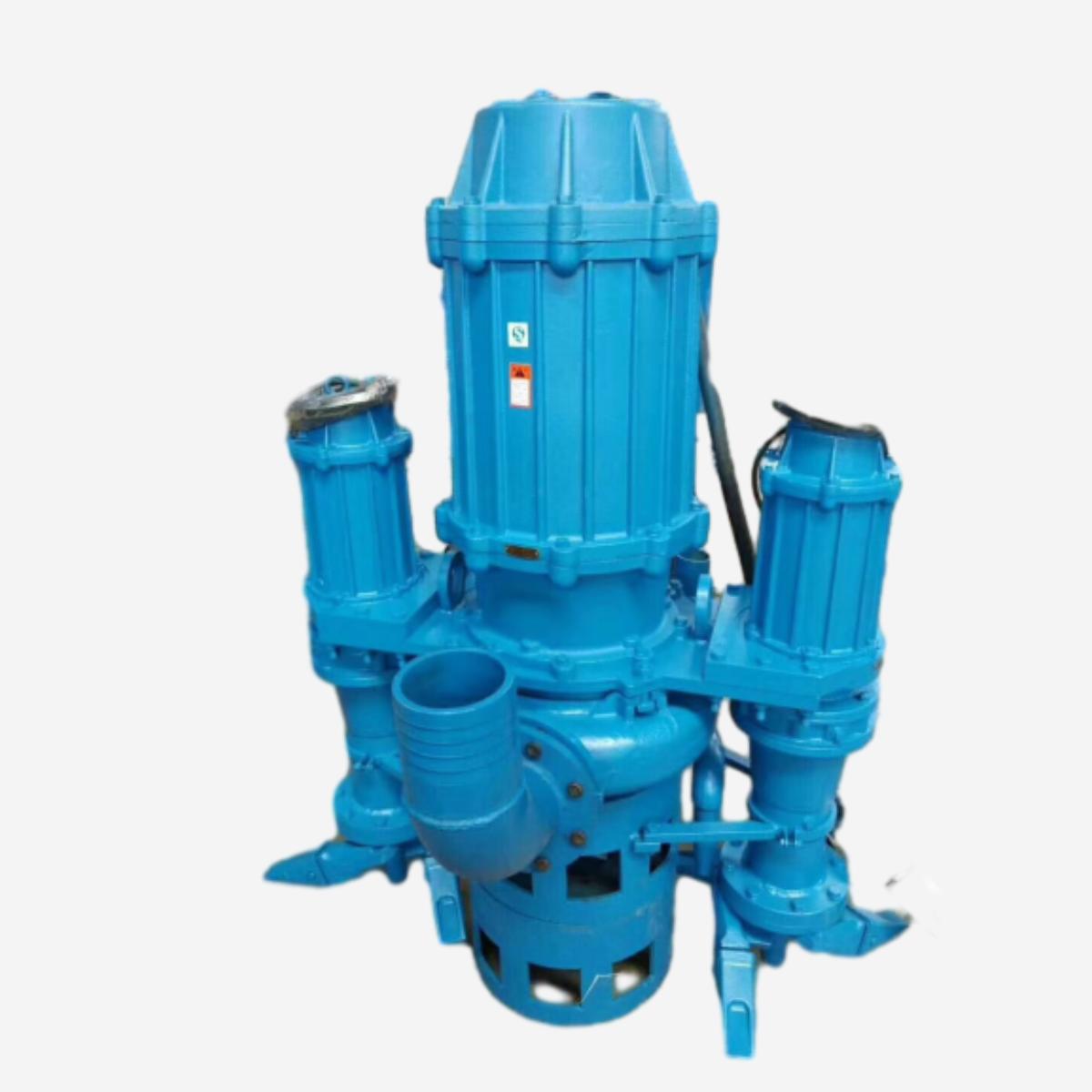
AHR slurry pump performance is governed by several key engineering principles. The pump's hydraulic design focuses on minimizing erosion-induced wear while maintaining acceptable efficiency. This is achieved through wider flow passages, reduced flow velocities (where possible), and the use of replaceable wear plates and liners. Force analysis is crucial; the impeller experiences both centrifugal forces from rotation and impact forces from the slurry. The impeller's mechanical integrity is assessed through finite element analysis (FEA) to predict stress concentrations and ensure structural stability. Environmental resistance is also paramount. AHR rubber compounds can degrade under prolonged exposure to UV radiation, ozone, and certain chemicals. Therefore, material selection must consider the operating environment. Compliance requirements vary by region, but typically include adherence to safety standards (e.g., ATEX for potentially explosive atmospheres) and environmental regulations pertaining to fluid leakage and noise emissions. Pump curves, detailing flow rate vs. head pressure, are generated through rigorous testing and serve as the basis for system design and performance prediction. Cavitation, though less common in slurry applications compared to clean-liquid pumping, remains a potential concern, especially with volatile slurries, and is mitigated through proper impeller design and suction-side NPSH (Net Positive Suction Head) calculations.
Technical Specifications
| Parameter | Unit | Typical Range (AHR Slurry Pump) | Notes |
|---|---|---|---|
| Flow Rate | m³/h | 10 – 1000 | Dependent on pump size and impeller diameter |
| Discharge Head | m | 10 – 70 | Influenced by slurry density and viscosity |
| Slurry Concentration (Solid/Liquid by Weight) | % | Up to 70 | Higher concentrations require more robust impeller designs |
| Maximum Particle Size | mm | Up to 75 | Larger particle sizes necessitate wider passage clearances |
| Pump Casing Material | - | High Chromium Cast Iron, Stainless Steel | Material selection based on slurry corrosivity |
| Impeller Material | - | Natural Rubber (various hardnesses) | Hardness adjusted for abrasion and impact resistance |
Failure Mode & Maintenance
AHR slurry pumps, despite their robust design, are susceptible to several failure modes. The most common is abrasion-induced wear of the impeller, volute liner, and pump casing. This manifests as a gradual reduction in pump performance (flow rate and head) and increased power consumption. Fatigue cracking can occur in the impeller or shaft due to cyclic loading, particularly if the pump is subjected to significant vibration. Delamination of the rubber liner from the metal casing can result from improper bonding or exposure to aggressive chemicals. Chemical degradation of the rubber components can lead to embrittlement and reduced abrasion resistance. Oxidation of metal components, especially in high-temperature applications, can also contribute to pump failure.
Preventive maintenance is crucial for maximizing pump life. Regular inspections should include visual checks for wear, leakage, and vibration. Impeller and liner replacement should be scheduled based on wear rate monitoring (e.g., by measuring pump performance periodically). Lubrication of bearings is essential to prevent premature failure. Periodic cleaning of the pump casing and impeller helps remove accumulated solids. A comprehensive maintenance program should also include vibration analysis to detect early signs of bearing wear or misalignment. If the pump is used in a corrosive environment, the rubber components should be inspected for signs of chemical attack and replaced as needed. Proper storage of spare parts is also vital, ensuring that they are protected from environmental factors that could degrade their performance.
Industry FAQ
Q: What is the primary advantage of using an AHR slurry pump over a standard centrifugal pump for abrasive slurries?
A: The primary advantage lies in the AHR pump’s ability to withstand the erosive action of abrasive particles. Standard centrifugal pumps experience rapid wear when handling slurries, leading to decreased efficiency and frequent replacements. AHR pumps utilize abrasion-resistant materials like high-chromium cast iron and specialized rubber compounds, significantly extending service life and reducing maintenance costs in abrasive applications.
Q: How does the hardness of the rubber liner affect pump performance?
A: Rubber hardness is a critical parameter. Softer rubber liners (lower Shore A durometer) are better at absorbing the impact energy of larger particles, making them suitable for slurries with infrequent, high-impact events. Harder rubber liners provide superior abrasion resistance against continuous exposure to fine, abrasive particles. Selecting the appropriate hardness is a trade-off between impact resistance and abrasion resistance, tailored to the specific slurry characteristics.
Q: What considerations should be made regarding slurry composition when selecting an AHR slurry pump?
A: Slurry composition significantly impacts pump selection. The concentration of solids, particle size distribution, and chemical properties (pH, corrosivity) all influence material selection and pump design. Highly corrosive slurries necessitate stainless steel or alloy components, while slurries with large particle sizes require wider passage clearances. The slurry’s density and viscosity also affect pump performance and power requirements.
Q: What are the common causes of rubber liner delamination and how can they be prevented?
A: Common causes include inadequate surface preparation before bonding, improper adhesive selection, exposure to aggressive chemicals that weaken the adhesive bond, and mechanical stress. Prevention involves thorough cleaning and roughening of bonding surfaces, using a high-strength adhesive specifically designed for rubber-to-metal bonding, selecting chemically resistant adhesives, and avoiding excessive mechanical shock or vibration.
Q: What maintenance practices are most effective for maximizing the lifespan of an AHR slurry pump?
A: The most effective practices include regular visual inspections for wear and leakage, periodic performance monitoring (flow rate, head, power consumption) to detect degradation, scheduled replacement of worn components (impeller, liners), proper lubrication of bearings, and vibration analysis to identify potential mechanical issues. A well-documented maintenance schedule is crucial for preventing catastrophic failures.
Conclusion
High quality AHR slurry pumps represent a specialized and essential technology for managing challenging fluid handling applications. Their design, centered around abrasion-resistant materials and hydraulic principles that minimize wear, ensures reliable performance and extended service life in abrasive and corrosive environments. Understanding the interplay between material science, manufacturing processes, and performance engineering is critical for selecting the optimal pump for a specific application and implementing a proactive maintenance strategy.
Future development in AHR slurry pump technology will likely focus on advanced materials with enhanced abrasion and corrosion resistance, improved impeller designs for increased efficiency, and the integration of smart sensors for real-time performance monitoring and predictive maintenance. Continued innovation in these areas will further reduce operating costs and improve the reliability of slurry handling systems across various industries.
-
Comprehensive Guide to Waterproof ORings for Optimal Sealing Solutions
News2026-06-09
-
drainage pumps Performance and Engineering
News2026-06-09
-
basement bathroom ejector pump Material Science
News2026-06-09
-
Sewer Ejector Pump Cost Performance Analysis
News2026-06-09
-
Septic Tank Pump Replacement Performance Analysis
News2026-06-09
-
septic sump pump Performance and Engineering
News2026-06-09
-
Septic Pump System Performance Analysis
News2026-06-08
-
pump for septic Material Science
News2026-06-08
-
basement sewer pump Performance Analysis
News2026-06-08
-
submerged pump Performance Engineering
News2026-06-08
-
Septic System Pumps Performance Analysis
News2026-06-08
-
septic system pump Material Science and Manufacturing
News2026-06-07
-
pump for septic tank Material Science Manufacturing
News2026-06-07
-
submersible sewage pump Material Science
News2026-06-07
-
Sewage Ejector Material Science and Manufacturing
News2026-06-07




