English
- Afrikaans
- Albanian
- Amharic
- Arabic
- Armenian
- Azerbaijani
- Basque
- Belarusian
- Bengali
- Bosnian
- Bulgarian
- Catalan
- Cebuano
- Corsican
- Croatian
- Czech
- Danish
- Dutch
- English
- Esperanto
- Estonian
- Finnish
- French
- Frisian
- Galician
- Georgian
- German
- Greek
- Gujarati
- Haitian Creole
- hausa
- hawaiian
- Hebrew
- Hindi
- Miao
- Hungarian
- Icelandic
- igbo
- Indonesian
- irish
- Italian
- Japanese
- Javanese
- Kannada
- kazakh
- Khmer
- Rwandese
- Korean
- Kurdish
- Kyrgyz
- Lao
- Latin
- Latvian
- Lithuanian
- Luxembourgish
- Macedonian
- Malgashi
- Malay
- Malayalam
- Maltese
- Maori
- Marathi
- Mongolian
- Myanmar
- Nepali
- Norwegian
- Norwegian
- Occitan
- Pashto
- Persian
- Polish
- Portuguese
- Punjabi
- Romanian
- Russian
- Samoan
- Scottish Gaelic
- Serbian
- Sesotho
- Shona
- Sindhi
- Sinhala
- Slovak
- Slovenian
- Somali
- Spanish
- Sundanese
- Swahili
- Swedish
- Tagalog
- Tajik
- Tamil
- Tatar
- Telugu
- Thai
- Turkish
- Turkmen
- Ukrainian
- Urdu
- Uighur
- Uzbek
- Vietnamese
- Welsh
- Bantu
- Yiddish
- Yoruba
- Zulu

Telephone: +86 13120555503
Email: frank@cypump.com


Apr . 01, 2024 17:55 Back to list
high pressure slurry pumps Performance Engineering
Introduction
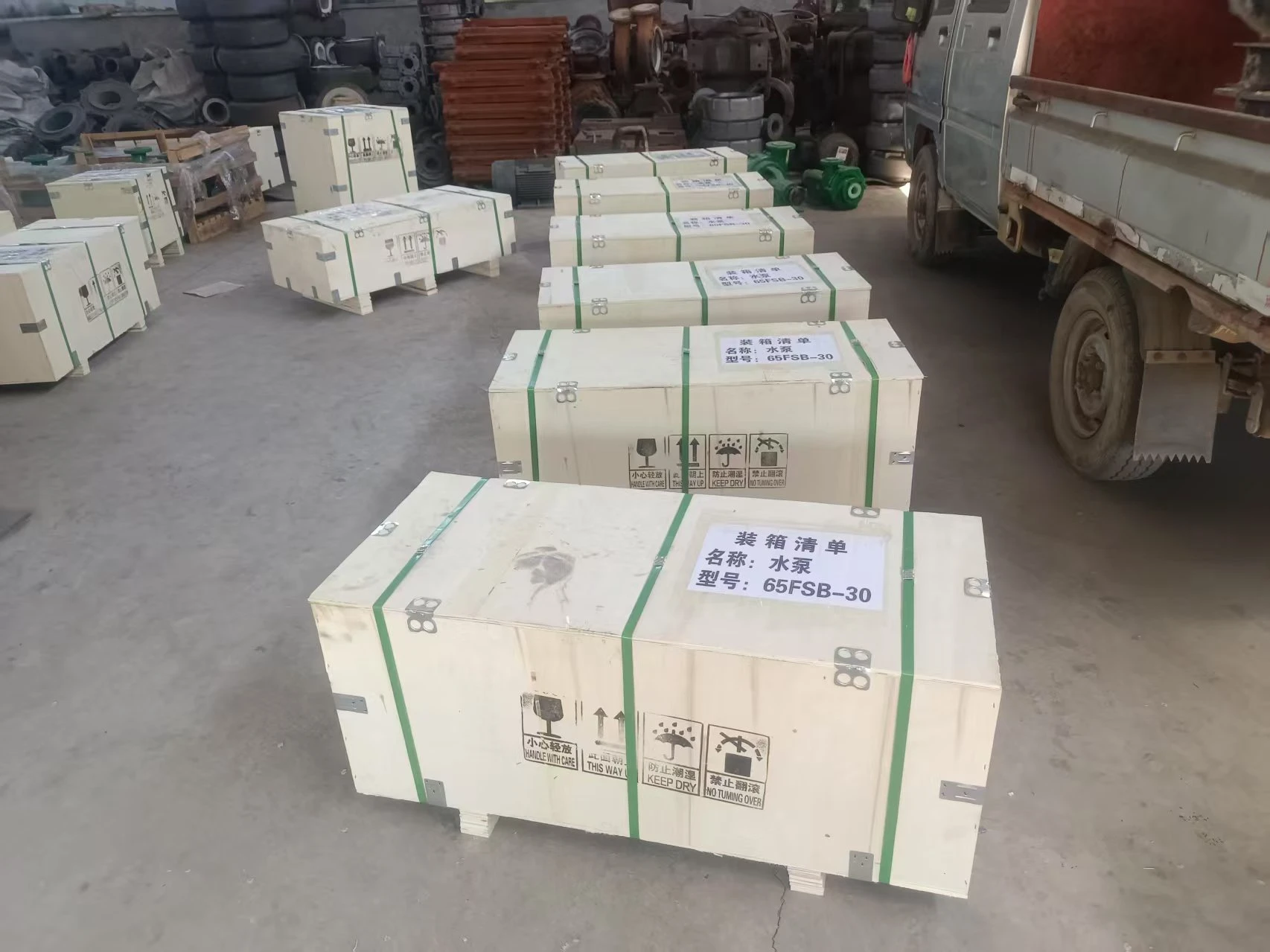
High pressure slurry pumps are critical components in numerous industrial processes, specifically designed for the transport of abrasive, corrosive, and high-solids-content fluids. Positioned within the fluid handling segment of the broader materials processing industry, these pumps serve as the workhorse for applications spanning mining, dredging, wastewater treatment, power generation (ash handling), and chemical processing. Unlike centrifugal pumps optimized for clean fluids, high-pressure slurry pumps necessitate robust construction and specialized hydraulic design to withstand the erosive and abrasive forces inherent in slurry transport. Core performance characteristics – flow rate, head pressure, and solids handling capability – dictate their suitability for specific applications. A key industry pain point revolves around minimizing downtime and maintenance costs associated with rapid wear and component failure in aggressive slurry environments. This guide provides an in-depth technical overview of high-pressure slurry pump technology, covering material science, manufacturing processes, performance engineering, failure analysis, and relevant industry standards.
Material Science & Manufacturing
The performance and longevity of high-pressure slurry pumps are fundamentally dependent on the materials employed in their construction. Casing materials commonly include high-chrome cast iron (typically 27-30% chromium) selected for its exceptional abrasion resistance, though alternative alloys like white iron and nickel-hard iron are utilized for severely abrasive slurries. Impeller materials mirror the casing selections, with high-chrome iron being prevalent, but polyurethane elastomers and ceramic composites are increasingly favored for their combined abrasion and corrosion resistance. Shafts are typically forged from alloy steels (e.g., 4140, 4340) subjected to heat treatment to achieve high tensile strength and torsional rigidity. Seals are often constructed from materials like Viton, EPDM, or PTFE, depending on the chemical compatibility requirements of the slurry.
Manufacturing processes vary depending on component complexity. Casings are often produced via sand casting, followed by heat treatment and machining to achieve precise dimensions and surface finish. Impellers can be cast, but complex geometries frequently necessitate investment casting or centrifugal casting to minimize porosity and improve material homogeneity. Shaft forging is followed by precision machining, polishing, and balancing to ensure smooth operation and minimize vibration. Critical parameters controlled during manufacturing include material composition verification (spectroscopic analysis), hardness testing (Brinell or Vickers), dimensional accuracy (coordinate measuring machines – CMM), and non-destructive testing (NDT) such as radiographic inspection and ultrasonic testing to detect internal flaws. Welding processes, if employed, adhere to stringent standards (e.g., ASME Section IX) and require qualified welders utilizing appropriate filler metals to maintain corrosion resistance and structural integrity. Surface treatments, such as hardfacing with tungsten carbide, are frequently applied to wear-prone areas of the impeller and casing to extend service life.
Performance & Engineering
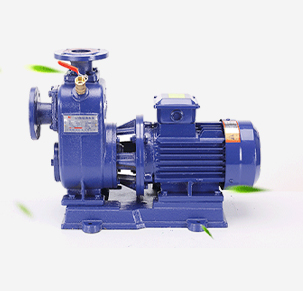
The performance of a high-pressure slurry pump is governed by a complex interplay of hydraulic and mechanical forces. Force analysis focuses on managing the impact forces exerted by solid particles within the slurry on the impeller and casing. Cavitation, a common concern, arises from pressure drops within the pump and can lead to impeller damage. Pump design incorporates optimized impeller geometry (e.g., increased impeller eye diameter, reduced blade angles) and sufficient suction head to mitigate cavitation risk. Environmental resistance is paramount, considering temperature extremes, corrosive environments, and potentially explosive atmospheres. Material selection plays a vital role, but coatings (e.g., epoxy, rubber linings) are often applied to further enhance corrosion resistance. Compliance requirements are stringent, particularly in industries like oil & gas and nuclear power. Pumps must meet relevant safety standards (e.g., ATEX for explosion-proof designs) and environmental regulations concerning emissions and waste disposal.
Functional implementation requires careful consideration of the slurry characteristics – solids concentration, particle size distribution, particle shape, and slurry viscosity. These properties influence pump selection and operating parameters. System head curves must be accurately calculated, accounting for static head, friction losses in piping, and the required delivery pressure. Variable Frequency Drives (VFDs) are frequently employed to control pump speed and flow rate, optimizing energy consumption and minimizing wear. Regular monitoring of pump performance parameters – discharge pressure, flow rate, power consumption, and vibration levels – is crucial for early detection of potential issues and proactive maintenance.
Technical Specifications
| Parameter | Typical Range (Centrifugal Slurry Pump) | Typical Range (Positive Displacement Slurry Pump) | Units |
|---|---|---|---|
| Maximum Discharge Pressure | 150-300 | 500-1000 | psi |
| Flow Rate | 50-500 | 10-200 | GPM |
| Maximum Solids Concentration | 30-60 | Up to 80 | % by Weight |
| Maximum Particle Size | 1-3 | Up to 6 | Inches |
| Pump Efficiency | 60-75 | 70-85 | % |
| Power Consumption | 5-100 | 10-200 | HP |
Failure Mode & Maintenance
High-pressure slurry pumps are susceptible to several failure modes. Erosion is the most prevalent, particularly affecting the impeller and casing, leading to gradual material loss and reduced pump performance. Corrosion, induced by aggressive slurry chemistries, can result in pitting, crevice corrosion, and ultimately, structural failure. Mechanical failures include bearing failures (due to inadequate lubrication or excessive loading), shaft fatigue cracking (caused by cyclic stress), and seal failures (resulting from wear, chemical incompatibility, or improper installation). Delamination of protective coatings can expose underlying metal to corrosive attack. Oxidation at high temperatures can degrade material properties.
Preventative maintenance is crucial. Regular inspection of wear components (impeller, casing, liners) is essential. Vibration analysis can detect bearing wear or impeller imbalance. Lubrication schedules must be strictly adhered to. Slurry composition monitoring can identify potential corrosion risks. Impeller trimming or replacement is common as wear progresses. Shaft alignment should be verified periodically. Seal replacement is typically performed on a scheduled basis, depending on slurry characteristics and operating conditions. For critical applications, consider implementing a condition monitoring system with real-time data acquisition and analysis to predict potential failures and optimize maintenance intervals. Thorough flushing of the pump after use, particularly when handling settling slurries, can prevent clogging and corrosion.
Industry FAQ
Q: What are the key differences between centrifugal and positive displacement pumps for slurry applications?
A: Centrifugal pumps excel at handling high flow rates and lower pressure applications, and are generally more cost-effective. However, their performance is significantly affected by changes in slurry viscosity and solids concentration. Positive displacement pumps (e.g., progressing cavity, diaphragm) maintain a relatively constant flow rate regardless of viscosity or solids content, making them ideal for high-pressure, low-flow applications, and handling highly viscous slurries. They are typically more expensive but offer superior performance in challenging slurry environments.
Q: How does particle size distribution affect pump selection?
A: Larger particle sizes generally require pumps with larger impeller passages to prevent clogging and reduce abrasion. A wide particle size distribution necessitates a pump design that can effectively handle both fine and coarse particles without compromising performance. The pump’s maximum particle size capability should always exceed the largest particle size in the slurry.
Q: What is the role of hardfacing in extending pump life?
A: Hardfacing involves applying a wear-resistant alloy (e.g., tungsten carbide) to critical wear surfaces, such as the impeller vanes and casing liner. This dramatically increases abrasion resistance, significantly extending the component's service life, particularly when handling highly abrasive slurries. Proper application and periodic inspection are crucial for maximizing the benefits of hardfacing.
Q: What considerations are important when selecting seal materials for corrosive slurries?
A: Chemical compatibility is paramount. The seal material must be resistant to the specific chemicals present in the slurry. Common choices include Viton (for moderate chemical resistance), EPDM (for excellent resistance to acids and alkalis), and PTFE (for broad chemical compatibility). Seal design (e.g., double mechanical seals with barrier fluid) can further enhance reliability in corrosive environments.
Q: How can I minimize cavitation damage in a high-pressure slurry pump?
A: Ensure adequate suction head to prevent pressure drops below the slurry’s vapor pressure. Optimize impeller design to reduce flow velocities and minimize pressure differentials. Control slurry flow rate to avoid exceeding the pump’s rated capacity. Regularly inspect the impeller for signs of cavitation damage (pitting, erosion) and replace it if necessary.
Conclusion
High-pressure slurry pumps represent a vital technology for industries handling abrasive and corrosive fluids. The selection, operation, and maintenance of these pumps require a comprehensive understanding of material science, hydraulic principles, and failure mechanisms. Utilizing robust materials, employing optimized manufacturing processes, and implementing proactive maintenance strategies are critical for maximizing pump reliability, minimizing downtime, and reducing overall operating costs. The increasing adoption of advanced monitoring technologies and innovative materials promises further improvements in pump performance and longevity.
Looking forward, advancements in computational fluid dynamics (CFD) will enable more precise pump design optimization for specific slurry characteristics. Development of new wear-resistant alloys and coatings will continue to extend component life and reduce maintenance requirements. The integration of predictive maintenance algorithms with real-time sensor data will further enhance operational efficiency and minimize unplanned downtime, ensuring the continued reliable performance of high-pressure slurry pumps in demanding industrial applications.
-
Comprehensive Guide to Waterproof ORings for Optimal Sealing Solutions
News2026-06-09
-
Septic Pump Replacement Performance Analysis
News2026-06-10
-
Septic Pump Price Performance Analysis
News2026-06-10
-
pumps for septic systems Material Science Manufacturing
News2026-06-10
-
ejector pumps for basement bathrooms Performance Analysis
News2026-06-10
-
Ejector Pump Cost Analysis
News2026-06-10
-
drainage pumps Performance and Engineering
News2026-06-09
-
basement bathroom ejector pump Material Science
News2026-06-09
-
Sewer Ejector Pump Cost Performance Analysis
News2026-06-09
-
Septic Tank Pump Replacement Performance Analysis
News2026-06-09
-
septic sump pump Performance and Engineering
News2026-06-09
-
Septic Pump System Performance Analysis
News2026-06-08
-
pump for septic Material Science
News2026-06-08
-
basement sewer pump Performance Analysis
News2026-06-08
-
submerged pump Performance Engineering
News2026-06-08




