English
- Afrikaans
- Albanian
- Amharic
- Arabic
- Armenian
- Azerbaijani
- Basque
- Belarusian
- Bengali
- Bosnian
- Bulgarian
- Catalan
- Cebuano
- Corsican
- Croatian
- Czech
- Danish
- Dutch
- English
- Esperanto
- Estonian
- Finnish
- French
- Frisian
- Galician
- Georgian
- German
- Greek
- Gujarati
- Haitian Creole
- hausa
- hawaiian
- Hebrew
- Hindi
- Miao
- Hungarian
- Icelandic
- igbo
- Indonesian
- irish
- Italian
- Japanese
- Javanese
- Kannada
- kazakh
- Khmer
- Rwandese
- Korean
- Kurdish
- Kyrgyz
- Lao
- Latin
- Latvian
- Lithuanian
- Luxembourgish
- Macedonian
- Malgashi
- Malay
- Malayalam
- Maltese
- Maori
- Marathi
- Mongolian
- Myanmar
- Nepali
- Norwegian
- Norwegian
- Occitan
- Pashto
- Persian
- Polish
- Portuguese
- Punjabi
- Romanian
- Russian
- Samoan
- Scottish Gaelic
- Serbian
- Sesotho
- Shona
- Sindhi
- Sinhala
- Slovak
- Slovenian
- Somali
- Spanish
- Sundanese
- Swahili
- Swedish
- Tagalog
- Tajik
- Tamil
- Tatar
- Telugu
- Thai
- Turkish
- Turkmen
- Ukrainian
- Urdu
- Uighur
- Uzbek
- Vietnamese
- Welsh
- Bantu
- Yiddish
- Yoruba
- Zulu

Telephone: +86 13120555503
Email: frank@cypump.com


Apr . 01, 2024 17:55 Back to list
high pressure pump for detergent slurry supplier Performance Analysis
Introduction
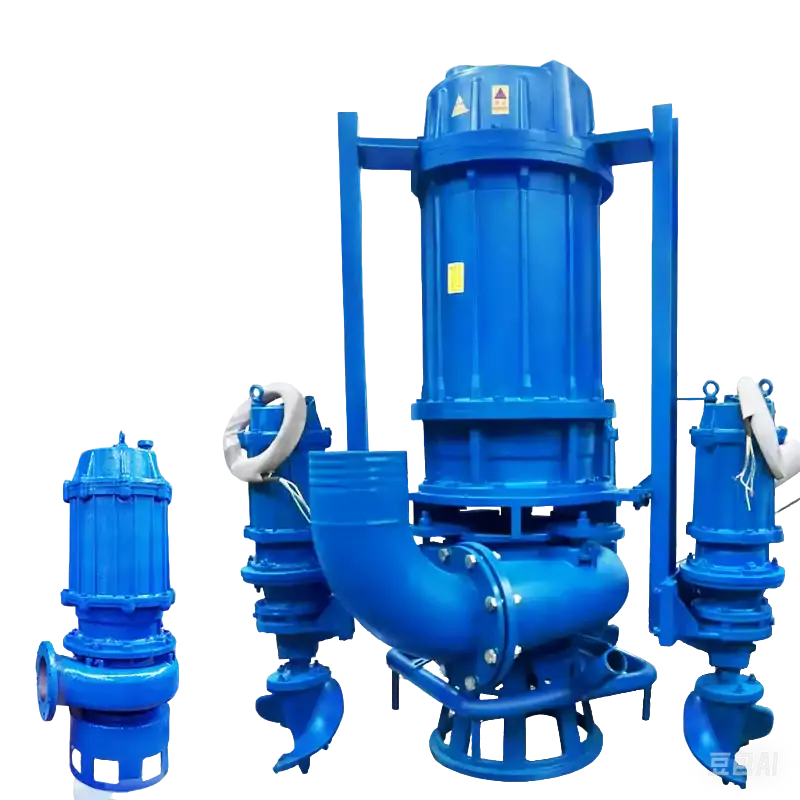
High pressure pumps designed for detergent slurry supply represent a critical component in numerous industrial cleaning and processing applications. These pumps are utilized across sectors including industrial laundries, food & beverage processing, chemical manufacturing, and wastewater treatment. Unlike standard water pumps, these units must contend with abrasive, corrosive, and often viscous fluids containing detergents, sanitizers, and solid particulate matter. Their technical position within the process chain is immediately upstream of spray nozzles, cleaning-in-place (CIP) systems, and other application-specific delivery mechanisms. Core performance characteristics are defined by flow rate (gallons per minute or liters per minute), discharge pressure (PSI or Bar), slurry handling capability (solids content and particle size), and material compatibility with the aggressive chemical environment. A key industry pain point revolves around premature pump failure due to material degradation, seal failure, and cavitation caused by improper slurry composition or pump selection. This guide details the material science, manufacturing considerations, performance characteristics, failure modes, and maintenance protocols associated with high-pressure detergent slurry pumps.
Material Science & Manufacturing
The selection of materials for high pressure detergent slurry pumps is paramount to longevity and performance. Pump housings are commonly constructed from 316L stainless steel due to its superior corrosion resistance to a wide range of detergents and chemicals, including alkaline and acidic solutions. However, for highly aggressive environments (e.g., high concentrations of hypochlorite), duplex stainless steels (like 2205) or specialized alloys like Hastelloy C-276 may be necessary. Impellers are often manufactured from 316L stainless steel, though ceramic materials (alumina or silicon carbide) are employed for enhanced abrasion resistance when handling slurries with high solids content. Seals represent a critical failure point. Mechanical seals utilizing silicon carbide faces and PTFE (polytetrafluoroethylene) or Viton elastomers are standard, but the specific elastomer must be chemically compatible with the slurry composition. Manufacturing processes largely depend on the pump type. Centrifugal pumps utilize investment casting or sand casting for housings, followed by precision machining. Positive displacement pumps (e.g., piston or diaphragm pumps) involve more complex manufacturing, requiring close tolerance machining of pistons, cylinders, and diaphragms. Welding processes (GTAW/TIG and SMAW) must be performed by certified welders, adhering to strict quality control standards to prevent weld defects that can initiate corrosion or fatigue cracking. Critical parameters during manufacturing include surface finish (Ra values) to minimize friction and wear, dimensional accuracy to ensure proper seal seating, and non-destructive testing (NDT) like radiographic inspection to detect internal flaws.
Performance & Engineering
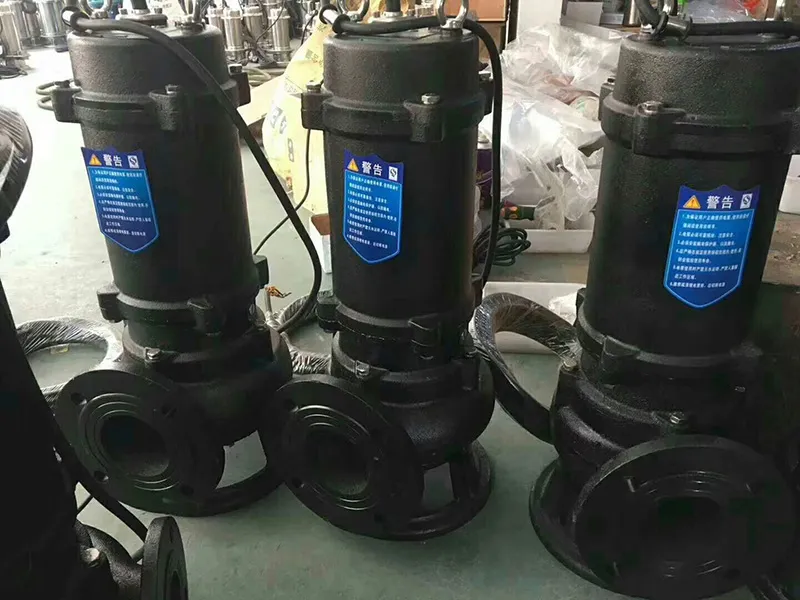
The performance of a high-pressure detergent slurry pump is governed by several key engineering principles. Force analysis focuses on stresses induced by internal pressure, fluid dynamic forces, and external loads. Finite Element Analysis (FEA) is often employed to optimize pump housing geometry and minimize stress concentrations. Environmental resistance is critical, particularly regarding corrosion and temperature extremes. Pump materials must maintain their mechanical properties within the operating temperature range and resist degradation from prolonged exposure to the slurry. Compliance requirements vary by industry and geographic location. For food & beverage applications, pumps must comply with 3-A Sanitary Standards to ensure cleanability and prevent contamination. In wastewater treatment, pumps may need to meet specific EPA regulations regarding leakage and material leaching. Functional implementation considerations include Net Positive Suction Head (NPSH) requirements to prevent cavitation, pump curve analysis to match the pump’s performance to the system’s needs, and proper piping design to minimize pressure losses. The viscosity of the detergent slurry dramatically influences pump performance. Higher viscosity requires more powerful motors and may necessitate the use of positive displacement pumps to maintain adequate flow rates. Additionally, the presence of abrasive particles accelerates wear and tear on pump components, leading to reduced efficiency and increased maintenance frequency.
Technical Specifications
| Parameter | Unit | Typical Range | Typical Application |
|---|---|---|---|
| Maximum Discharge Pressure | PSI | 100 – 2000 | Industrial Laundry, CIP Systems |
| Flow Rate | GPM | 5 – 100 | Food & Beverage, Chemical Processing |
| Solids Handling Capability | % by Weight | 0 – 20 | Wastewater Treatment, Slurry Transfer |
| Pump Housing Material | - | 316L Stainless Steel, Duplex Stainless Steel, Hastelloy C-276 | Varies based on slurry chemistry |
| Seal Material | - | SiC/PTFE, SiC/Viton, SiC/EPDM | Dependent on chemical compatibility |
| Motor Power | HP | 1 – 50 | Varies based on pressure and flow rate |
Failure Mode & Maintenance
High-pressure detergent slurry pumps are susceptible to several failure modes. Fatigue cracking in the pump housing can occur due to cyclic loading and stress corrosion cracking, particularly in welds. Delamination of ceramic coatings (if applied) can result from thermal stress or impact damage. Degradation of elastomers in mechanical seals leads to leakage and pump inefficiency. Oxidation of stainless steel components can occur at elevated temperatures or in the presence of oxidizing agents. Cavitation, caused by insufficient NPSH, erodes impeller surfaces and reduces pump performance. Preventative maintenance is crucial. Regular inspection of mechanical seals for wear or leakage is paramount. Lubrication of bearings according to manufacturer specifications is essential. Periodic cleaning of the pump housing to remove slurry buildup prevents corrosion and reduces stress. Vibration analysis can detect bearing wear or impeller imbalance. Non-destructive testing (NDT) such as liquid penetrant inspection can identify surface cracks. In the event of failure, root cause analysis should be conducted to determine the underlying cause (e.g., improper slurry composition, material incompatibility, inadequate maintenance) and prevent recurrence. Replacing components with OEM-approved parts is recommended to ensure compatibility and performance.
Industry FAQ
Q: What are the critical considerations when selecting a pump for highly abrasive detergent slurries?
A: When dealing with abrasive slurries, the primary focus should be on abrasion resistance. Consider pumps with hardened impellers made from materials like alumina or silicon carbide. Minimize impeller tip speed to reduce erosive wear. Regularly inspect and replace wear parts, such as liners and impellers, based on usage and slurry characteristics. Using a pump with a larger internal diameter can also reduce slurry velocity and minimize abrasion.
Q: How do I determine the appropriate seal material for my specific detergent slurry?
A: Seal material selection is crucial. Consult a chemical compatibility chart to verify the elastomer's resistance to the chemicals present in your slurry. Viton is generally a good all-purpose option, but may not be suitable for highly oxidizing chemicals. PTFE offers broad chemical resistance but may have limited resilience. Silicon carbide faces are preferred for abrasive slurries.
Q: What is NPSH and why is it important for detergent slurry pumps?
A: Net Positive Suction Head (NPSH) is the absolute pressure at the pump suction that prevents cavitation. Cavitation occurs when the liquid pressure drops below its vapor pressure, forming bubbles that collapse and damage the impeller. Ensure the available NPSH in your system (NPSHa) is greater than the pump’s required NPSH (NPSHr) by optimizing suction piping and minimizing pressure drops.
Q: What preventative maintenance schedule should I implement for a high-pressure detergent slurry pump?
A: A typical preventative maintenance schedule includes daily visual inspections for leaks, weekly checks of bearing lubrication, monthly vibration analysis, and annual inspection of mechanical seals and pump housing for corrosion or wear. Keep detailed maintenance records to track pump performance and identify potential issues.
Q: How do I troubleshoot a pump that is experiencing a significant drop in pressure?
A: A pressure drop can indicate several issues. Check for clogged suction lines or filters. Inspect the mechanical seal for leakage. Verify that the pump is operating within its specified flow rate and pressure range. If the slurry viscosity has increased, it may require a more powerful pump or a change in slurry formulation. Check for impeller wear or damage.
Conclusion
High-pressure detergent slurry pumps are engineered systems demanding careful material selection, precise manufacturing, and diligent maintenance to ensure reliable operation in demanding industrial environments. Understanding the interplay between slurry composition, pump design, and operating parameters is fundamental to maximizing pump lifespan and minimizing downtime. The key to long-term success lies in a proactive approach to preventative maintenance and a thorough understanding of potential failure modes.
Future advancements in pump technology will likely focus on enhanced materials with improved corrosion and abrasion resistance, optimized impeller designs for higher efficiency, and the integration of smart sensors for real-time performance monitoring and predictive maintenance. By embracing these innovations, industries can further enhance the reliability and cost-effectiveness of their detergent slurry pumping systems.
-
basement bathroom sewage pump Material Science Manufacturing
News2026-05-21
-
wastewater treatment plant pumps Material Science Manufacturing
News2026-05-21
-
waste water pump for basement Material Science Manufacturing
News2026-05-21
-
sump pump sewage Performance Analysis
News2026-05-21
-
sump pump for sewage Material Science and Manufacturing
News2026-05-21
-
sump pump for septic systems Material Science Manufacturing
News2026-05-20
-
sump pump and ejector pump Material Science Manufacturing
News2026-05-20
-
sewage treatment plant pumps Performance Analysis
News2026-05-20
-
sewage tank pump Material Science and Manufacturing
News2026-05-20
-
sewage pump for septic tank Performance Analysis
News2026-05-20
-
Sewage Pump and Tank Performance Analysis
News2026-05-19
-
Sewage Ejector Pump Replacement Performance Analysis
News2026-05-19
-
sewage ejector pump for basement bathroom Material Science Manufacturing
News2026-05-19
-
sewage ejection pump Material Science and Manufacturing
News2026-05-19
-
in line sewage pump Performance Analysis
News2026-05-19




