English
- Afrikaans
- Albanian
- Amharic
- Arabic
- Armenian
- Azerbaijani
- Basque
- Belarusian
- Bengali
- Bosnian
- Bulgarian
- Catalan
- Cebuano
- Corsican
- Croatian
- Czech
- Danish
- Dutch
- English
- Esperanto
- Estonian
- Finnish
- French
- Frisian
- Galician
- Georgian
- German
- Greek
- Gujarati
- Haitian Creole
- hausa
- hawaiian
- Hebrew
- Hindi
- Miao
- Hungarian
- Icelandic
- igbo
- Indonesian
- irish
- Italian
- Japanese
- Javanese
- Kannada
- kazakh
- Khmer
- Rwandese
- Korean
- Kurdish
- Kyrgyz
- Lao
- Latin
- Latvian
- Lithuanian
- Luxembourgish
- Macedonian
- Malgashi
- Malay
- Malayalam
- Maltese
- Maori
- Marathi
- Mongolian
- Myanmar
- Nepali
- Norwegian
- Norwegian
- Occitan
- Pashto
- Persian
- Polish
- Portuguese
- Punjabi
- Romanian
- Russian
- Samoan
- Scottish Gaelic
- Serbian
- Sesotho
- Shona
- Sindhi
- Sinhala
- Slovak
- Slovenian
- Somali
- Spanish
- Sundanese
- Swahili
- Swedish
- Tagalog
- Tajik
- Tamil
- Tatar
- Telugu
- Thai
- Turkish
- Turkmen
- Ukrainian
- Urdu
- Uighur
- Uzbek
- Vietnamese
- Welsh
- Bantu
- Yiddish
- Yoruba
- Zulu

Telephone: +86 13120555503
Email: frank@cypump.com


Apr . 01, 2024 17:55 Back to list
high pressure pump for detergent slurry manufacturers Performance Analysis
Introduction
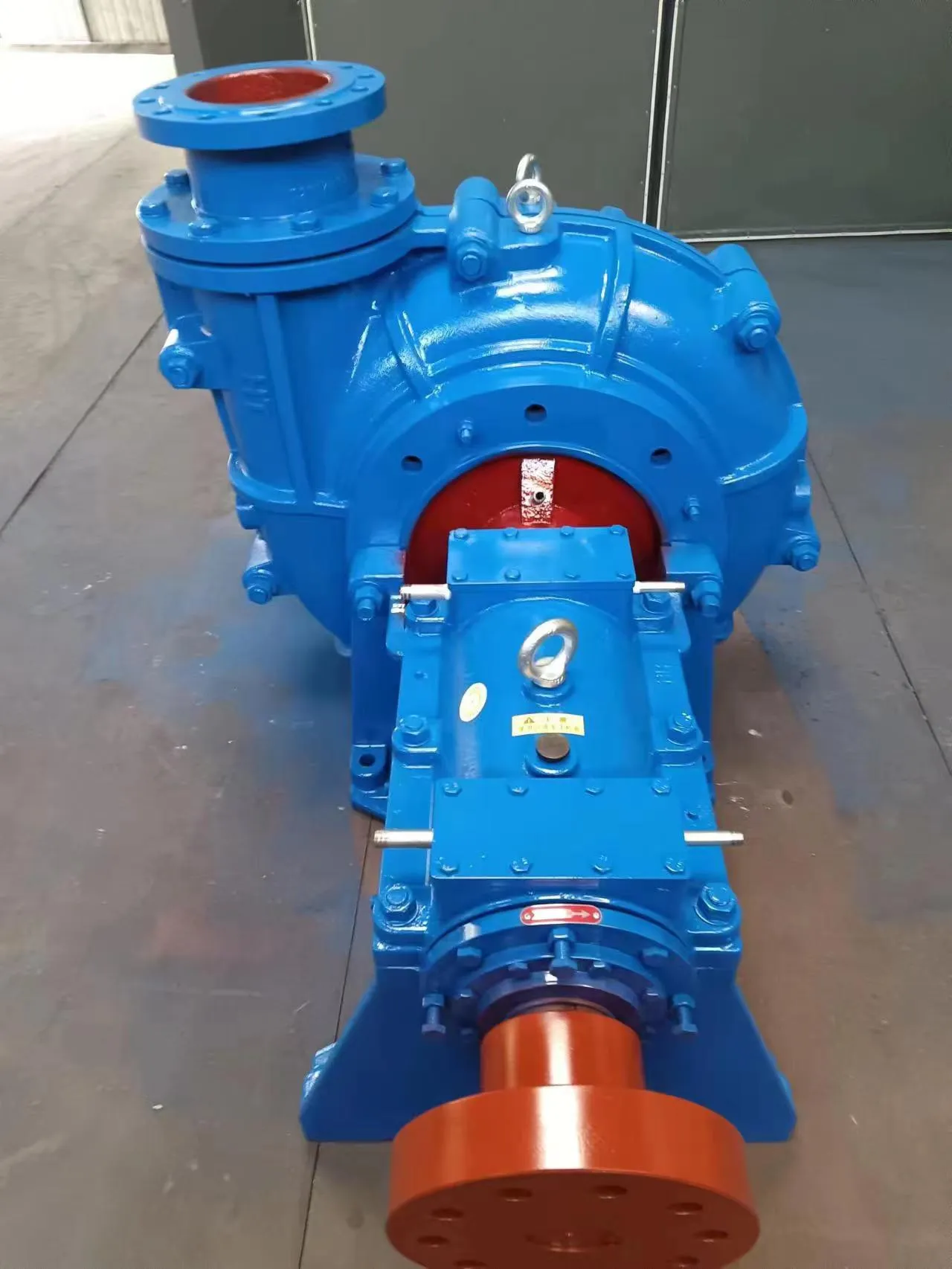
High pressure pumps for detergent slurry manufacturing represent a critical component in industrial cleaning and chemical processing systems. These pumps are designed to deliver abrasive and chemically aggressive slurries at elevated pressures, facilitating effective cleaning, coating application, and materials processing. Their technical position within the industry chain lies between the slurry mixing/preparation stage and the final application nozzle or process equipment. Core performance characteristics center around flow rate, maximum discharge pressure, slurry composition compatibility, abrasion resistance, and operational reliability. A key pain point within the detergent slurry manufacturing industry is pump component failure due to the highly corrosive and abrasive nature of the slurries, leading to production downtime and increased maintenance costs. Selection criteria, therefore, heavily emphasize material selection and robust design capable of withstanding these harsh conditions. Furthermore, achieving consistent slurry delivery is essential for uniform product quality, demanding precise pump control and stable performance.
Material Science & Manufacturing
The construction of high-pressure pumps for detergent slurry typically involves several key materials. Pump housings are often fabricated from stainless steel alloys (316L being common) due to their corrosion resistance, or specialized polymer composites reinforced with materials like PTFE for extreme chemical compatibility. Wetted parts – pistons, cylinders, valves, and seals – necessitate materials exhibiting high abrasion resistance. Options include hardened ceramics (silicon carbide, tungsten carbide), duplex stainless steels, and specialized elastomers like Viton or PTFE. Manufacturing processes vary based on component complexity. Pump housings often utilize investment casting or centrifugal casting for complex geometries and superior material properties. Pistons and cylinders typically undergo precision machining and honing to achieve tight tolerances and smooth surface finishes, minimizing friction and wear. Valve components may be manufactured using powder metallurgy for complex shapes and enhanced wear resistance. Critical parameter control during manufacturing includes dimensional accuracy (within microns for sealing surfaces), surface roughness (Ra values significantly impacting flow and wear), heat treatment for hardening and stress relief, and non-destructive testing (NDT) like ultrasonic or radiographic inspection to detect internal flaws. The slurry composition dictates material compatibility; for example, highly alkaline slurries necessitate materials with high resistance to caustic attack, whereas acidic slurries require alloys resistant to pitting corrosion. The manufacturing process must ensure complete removal of any contaminants that could initiate corrosion or wear within the slurry flow path.
Performance & Engineering
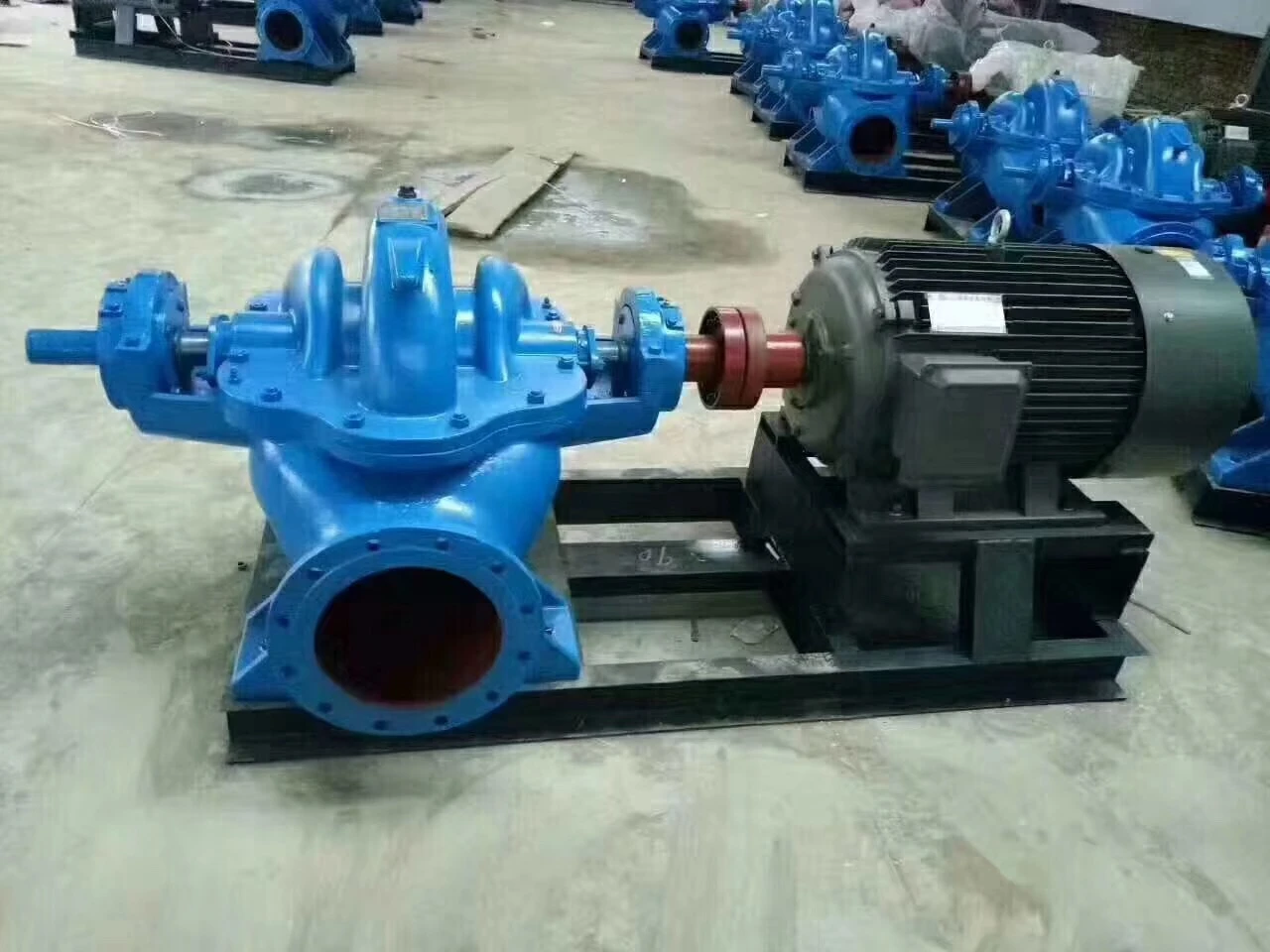
Performance analysis of these pumps requires consideration of several key engineering principles. Force analysis focuses on stresses induced by high internal pressures, particularly within the pump housing, piston, and valve components. Finite Element Analysis (FEA) is commonly employed to optimize component designs and ensure structural integrity under maximum operating conditions. Environmental resistance is paramount, encompassing not only chemical compatibility but also temperature variations and potential exposure to UV radiation if the pump operates outdoors. Compliance requirements vary by region and application; for example, pumps handling food-grade detergents must comply with FDA regulations regarding material leachability. Functional implementation necessitates precise flow control, often achieved through variable frequency drives (VFDs) and proportional valves. Suction lift capabilities are critical, dictating the maximum vertical distance the pump can draw slurry from the supply tank. Net Positive Suction Head Required (NPSHr) must be carefully calculated and maintained to prevent cavitation, a phenomenon that can cause significant pump damage. Pump efficiency, measured as the ratio of hydraulic power output to power input, is a crucial factor impacting operating costs. Hydraulic losses due to friction and turbulence must be minimized through optimized flow paths and internal component designs. The pump's mechanical seal is a critical component, preventing slurry leakage and maintaining system pressure. Seal material selection and design are vital to longevity and reliability.
Technical Specifications
| Parameter | Unit | Typical Range | Tolerance |
|---|---|---|---|
| Maximum Discharge Pressure | psi | 1000 – 5000 | ±5% |
| Flow Rate | GPM | 10 – 200 | ±3% |
| Slurry Viscosity | cP | 1 – 1000 | N/A (Performance impacted) |
| Maximum Particle Size | μm | 50 – 500 | N/A (Performance impacted) |
| Pump Material (Housing) | - | 316L Stainless Steel, PTFE-lined Steel | Material Certification Required |
| Seal Material | - | Viton, PTFE, Ceramic | Compatibility Report Required |
Failure Mode & Maintenance
Failure modes in high-pressure pumps for detergent slurry are diverse and often interconnected. Fatigue cracking, particularly in the pump housing and piston, can occur due to cyclical pressure loading. Delamination of PTFE linings can result from erosion by abrasive particles or chemical attack. Degradation of elastomers (seals, O-rings) leads to leakage and pressure loss, often accelerated by chemical exposure or temperature extremes. Oxidation of metallic components, especially in corrosive environments, contributes to material loss and weakening. Cavitation, as previously mentioned, causes pitting and erosion of pump internals. Abrasive wear is a dominant failure mechanism, leading to increased clearances, reduced efficiency, and eventual pump failure. Maintenance strategies focus on preventative measures. Regular inspection of seals and wear components is crucial. Scheduled replacement of seals, pistons, and valves based on operating hours or slurry composition is recommended. Proper lubrication is essential to minimize friction and wear. Slurry filtration to remove large particles before pumping reduces abrasive wear. Monitoring pump vibration and temperature can provide early warning signs of impending failure. Regular performance testing (pressure, flow rate) helps identify deviations from baseline values, indicating potential problems. A thorough flush of the pump with a compatible cleaning solution after each use prevents slurry buildup and corrosion.
Industry FAQ
Q: What is the impact of slurry abrasiveness on pump lifespan?
A: Slurry abrasiveness is a primary driver of pump lifespan. Highly abrasive particles cause accelerated wear of internal components (pistons, cylinders, valves, seals), leading to increased clearances, reduced efficiency, and ultimately, pump failure. Implementing effective slurry filtration and selecting abrasion-resistant materials (ceramics, hardened steels) are essential mitigation strategies.
Q: How do I determine the appropriate pump material for a specific detergent slurry?
A: Material selection requires a thorough understanding of the slurry's chemical composition, pH, temperature, and abrasive particle content. Consult material compatibility charts and perform laboratory testing to verify the resistance of potential materials to corrosion and chemical attack. Consider factors like crevice corrosion and galvanic corrosion potential.
Q: What are the common causes of pump leakage and how can they be prevented?
A: Common causes of leakage include seal failure (due to wear, chemical attack, or improper installation), loose connections, and cracks in the pump housing. Prevention involves selecting compatible seal materials, ensuring proper seal installation and maintenance, tightening connections regularly, and conducting routine visual inspections for cracks.
Q: How can I prevent cavitation in my high-pressure pump?
A: Cavitation occurs when the absolute pressure at the pump inlet falls below the vapor pressure of the slurry. Preventing cavitation involves ensuring adequate Net Positive Suction Head Available (NPSHa) exceeds the Net Positive Suction Head Required (NPSHr) by a safe margin. This can be achieved by minimizing suction lift, increasing tank pressure, or reducing slurry viscosity.
Q: What preventative maintenance schedule is recommended for a high-pressure detergent slurry pump?
A: A typical preventative maintenance schedule includes daily visual inspections for leaks and abnormal noise, weekly checks of seal condition and connection tightness, monthly performance testing (pressure, flow rate), and annual replacement of seals, pistons, and valves based on operating hours or slurry composition. Detailed records of maintenance activities should be maintained.
Conclusion
High-pressure pumps for detergent slurry applications represent a sophisticated engineering challenge, demanding careful consideration of material science, fluid dynamics, and operational parameters. The optimal pump selection hinges on a thorough understanding of the specific slurry composition, operating conditions, and desired performance characteristics. Minimizing downtime and maximizing operational lifespan requires a proactive preventative maintenance strategy focused on mitigating the effects of corrosion, abrasion, and fatigue.
Continued advancements in material technology, particularly in ceramic and polymer composites, will likely lead to more durable and chemically resistant pump designs. Furthermore, the integration of advanced monitoring and control systems, including predictive maintenance algorithms, will enable more efficient and reliable operation of these critical components in detergent slurry manufacturing processes.
-
Sewage Pump Company Performance and Engineering
News2026-05-24
-
sewage pump 1/2 hp Performance Analysis
News2026-05-24
-
Sewage Ejector Systems Performance Analysis
News2026-05-24
-
Sewage Ejection System Material Science and Manufacturing
News2026-05-24
-
sewage and effluent pumps Performance Engineering
News2026-05-24
-
pump for sewage water Performance Analysis
News2026-05-23
-
plumbing sewage ejector pump Performance Engineering
News2026-05-23
-
home sewer pump station Performance and Engineering
News2026-05-23
-
high pressure sump pump Performance Analysis
News2026-05-23
-
high head effluent pump Performance Analysis
News2026-05-23
-
Effluent vs Sump Pump Performance Analysis
News2026-05-22
-
effluent septic pump Performance Engineering
News2026-05-22
-
best sewer pumps Performance Engineering
News2026-05-22
-
best sewer pump Performance Analysis
News2026-05-22
-
best sewage pumps Performance Engineering
News2026-05-22




