English
- Afrikaans
- Albanian
- Amharic
- Arabic
- Armenian
- Azerbaijani
- Basque
- Belarusian
- Bengali
- Bosnian
- Bulgarian
- Catalan
- Cebuano
- Corsican
- Croatian
- Czech
- Danish
- Dutch
- English
- Esperanto
- Estonian
- Finnish
- French
- Frisian
- Galician
- Georgian
- German
- Greek
- Gujarati
- Haitian Creole
- hausa
- hawaiian
- Hebrew
- Hindi
- Miao
- Hungarian
- Icelandic
- igbo
- Indonesian
- irish
- Italian
- Japanese
- Javanese
- Kannada
- kazakh
- Khmer
- Rwandese
- Korean
- Kurdish
- Kyrgyz
- Lao
- Latin
- Latvian
- Lithuanian
- Luxembourgish
- Macedonian
- Malgashi
- Malay
- Malayalam
- Maltese
- Maori
- Marathi
- Mongolian
- Myanmar
- Nepali
- Norwegian
- Norwegian
- Occitan
- Pashto
- Persian
- Polish
- Portuguese
- Punjabi
- Romanian
- Russian
- Samoan
- Scottish Gaelic
- Serbian
- Sesotho
- Shona
- Sindhi
- Sinhala
- Slovak
- Slovenian
- Somali
- Spanish
- Sundanese
- Swahili
- Swedish
- Tagalog
- Tajik
- Tamil
- Tatar
- Telugu
- Thai
- Turkish
- Turkmen
- Ukrainian
- Urdu
- Uighur
- Uzbek
- Vietnamese
- Welsh
- Bantu
- Yiddish
- Yoruba
- Zulu

Telephone: +86 13120555503
Email: frank@cypump.com


Apr . 01, 2024 17:55 Back to list
high pressure pump for detergent slurry manufacturer Performance Engineering
Introduction
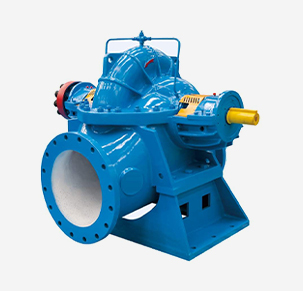
High-pressure pumps for detergent slurry manufacturing represent a critical component in industrial cleaning and processing applications. These pumps are specifically engineered to deliver consistent, high-volume fluid transfer of aggressive detergent mixtures, differing significantly from pumps used for water or less chemically active fluids. Their technical positioning within the industrial chain lies between the detergent mixing/formulation stage and the application process – be it industrial parts washing, large-scale surface preparation, or sanitation systems. Core performance metrics revolve around flow rate (liters per minute or gallons per minute), pressure capability (bar or PSI), materials compatibility (resistance to specific detergents and abrasive particulates), and reliability under continuous, demanding operating conditions. The primary challenge these pumps address is maintaining consistent cleaning efficacy while preventing premature component failure due to corrosion, erosion, and chemical degradation. Failure to meet these demands can result in process downtime, reduced cleaning quality, and increased maintenance costs, impacting overall operational efficiency for the detergent slurry manufacturer.
Material Science & Manufacturing
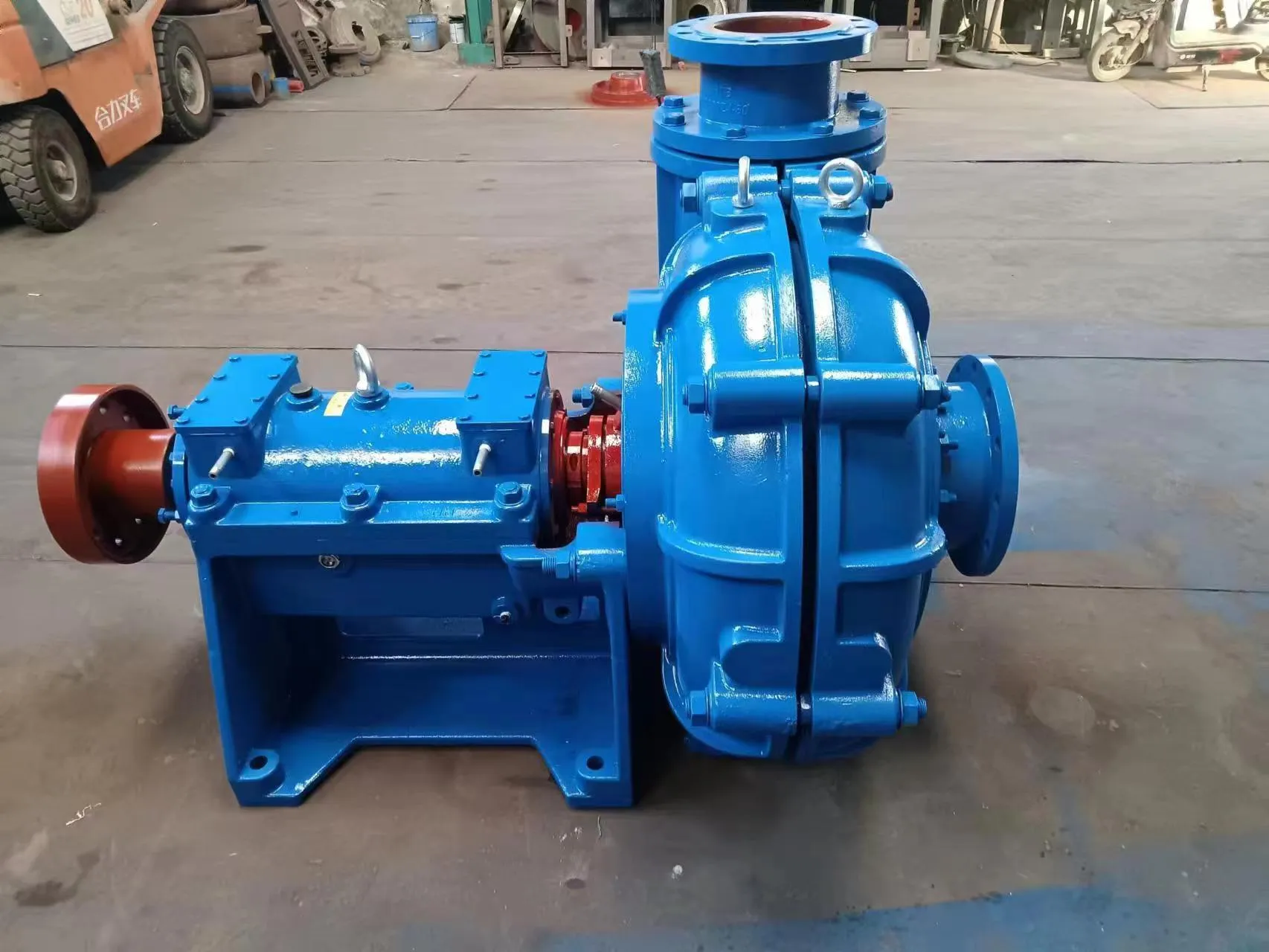
The construction of high-pressure pumps for detergent slurry is dictated by the aggressive nature of the fluids they handle. Pump housings are commonly manufactured from 316L stainless steel, selected for its superior corrosion resistance to a broad spectrum of detergents, including alkaline and acidic formulations. However, the specific alloy selection depends on the anticipated chemical exposure; in highly corrosive environments, duplex stainless steels (e.g., 2205) or even exotic alloys like Hastelloy may be employed. Wetted parts – pistons, valves, and seals – are similarly crucial. High-performance polymers like PTFE (Teflon), PEEK (Polyether ether ketone), and FFKM (Perfluoroalkoxy alkane) are prevalent for seals and valve seats due to their chemical inertness and ability to maintain sealing integrity under high pressure and temperature fluctuations. Pump plungers are often coated with hard chrome plating or tungsten carbide to enhance wear resistance against abrasive particles within the slurry. Manufacturing processes typically involve precision machining, investment casting, and specialized welding techniques. Critical parameters include surface finish (Ra values) to minimize friction and corrosion initiation points, weld quality (achieved through techniques like TIG welding and rigorous non-destructive testing), and dimensional accuracy of components to ensure proper pump assembly and operation. Post-machining passivation treatments are essential for stainless steel components to maximize corrosion resistance by forming a protective oxide layer. Quality control throughout the manufacturing process, including hydrostatic testing and materials certification, is paramount to guarantee pump integrity and performance.
Performance & Engineering
The performance of these pumps is fundamentally governed by principles of fluid dynamics and mechanical engineering. Force analysis must account for static and dynamic pressures generated during operation, along with the impact of fluid velocity and viscosity. Cavitation – the formation and collapse of vapor bubbles within the pump – is a critical concern, particularly with detergent slurries that often have lower vapor pressures. Pump design incorporates features like optimized impeller geometry, sufficient Net Positive Suction Head (NPSH) requirements, and careful control of fluid inlet velocities to mitigate cavitation risk. Environmental resistance is addressed through material selection and protective coatings. Pumps operating in harsh environments may require external enclosures to shield against extreme temperatures, humidity, and corrosive atmospheres. Compliance requirements are stringent, particularly regarding worker safety and environmental protection. Pumps must adhere to relevant safety standards (e.g., OSHA regulations) and prevent leakage of hazardous detergents. Functional implementation necessitates consideration of the overall system architecture. This includes selecting the appropriate pump type (positive displacement – piston, diaphragm, or rotary – depending on flow rate and pressure requirements), integrating pressure relief valves to protect against over-pressurization, and incorporating pulsation dampeners to minimize pressure fluctuations. The control system must allow for precise adjustment of flow rate and pressure, often utilizing variable frequency drives (VFDs) to optimize pump performance and energy efficiency. Understanding the slurry’s rheological properties (viscosity, thixotropy) is also crucial for proper pump sizing and selection.
Technical Specifications
| Parameter | Unit | Typical Range | Critical Notes |
|---|---|---|---|
| Maximum Pressure | bar | 50 – 300 | Dependent on detergent concentration and application requirements. |
| Flow Rate | L/min | 10 – 200 | Adjustable via VFD; influenced by pump size and motor power. |
| Pump Type | - | Piston, Diaphragm | Piston pumps offer higher pressure, diaphragm pumps better chemical compatibility. |
| Wetted Parts Material | - | 316L SS, PTFE, PEEK, FFKM | Material selection is critical for detergent resistance. |
| Seal Type | - | Double Mechanical Seal | Enhanced leakage protection. |
| Slurry Viscosity (Max) | cP | 500 – 1000 | Higher viscosity slurries require larger pump capacity and potentially heated pump housings. |
Failure Mode & Maintenance
Failure modes in high-pressure pumps handling detergent slurries are diverse. Fatigue cracking in pump housings and pistons is common due to cyclical pressure loading, exacerbated by the corrosive environment. Seal failure – leading to leakage – is frequently observed due to degradation of the sealing material by the detergent and abrasion from particulate matter. Valve seat erosion, particularly with abrasive slurries, diminishes pump efficiency and can lead to complete pump failure. Corrosion, especially pitting corrosion in stainless steel components, weakens structural integrity and can cause catastrophic failure. Cavitation damage manifests as pitting on impeller surfaces and can significantly reduce pump performance. Maintenance strategies must be proactive. Regular inspection of seals, valves, and pump housings for signs of wear or corrosion is critical. Preventative maintenance should include flushing the pump system to remove abrasive particles and debris, lubricating moving parts, and periodically replacing seals and valve seats. Vibration analysis can detect early signs of bearing failure or misalignment. For pumps experiencing frequent failures, implementing a more robust materials selection strategy (e.g., upgrading to duplex stainless steel or ceramic components) and optimizing operating parameters (e.g., reducing pump speed, lowering inlet pressure) may be necessary. Proper storage of the pump when not in use, ensuring complete drainage of detergent slurry, is also essential to prevent corrosion.
Industry FAQ
Q: What is the primary factor determining the service life of a pump handling highly alkaline detergents?
A: The primary factor is the material compatibility of the wetted parts. Highly alkaline detergents can aggressively attack certain materials. 316L stainless steel provides good resistance, but specific alkaline formulations may necessitate duplex stainless steel or specialized polymer coatings. Proper seal selection (FFKM is often preferred) is also critical.
Q: How do I mitigate the risk of cavitation when pumping a detergent slurry with a low vapor pressure?
A: Increase the Net Positive Suction Head Available (NPSHa) by optimizing the suction line configuration, reducing suction line losses, and ensuring adequate liquid level in the supply tank. Consider lowering the pump speed or using a larger suction line. Proper pump sizing to match the application's flow and pressure requirements is crucial.
Q: What are the advantages of a diaphragm pump versus a piston pump for detergent slurry applications?
A: Diaphragm pumps generally offer superior chemical compatibility as they lack rotating seals and have fewer wetted parts. They are also less susceptible to damage from abrasive particles. Piston pumps, however, can achieve higher pressures and are often more efficient for high-pressure applications.
Q: How often should seals be replaced in a high-pressure detergent slurry pump?
A: Seal replacement frequency depends on the severity of the application and the detergent’s aggressiveness. Generally, seals should be inspected every 3-6 months and replaced proactively if any signs of wear or leakage are observed. A scheduled preventative maintenance program is recommended.
Q: What are the key considerations when selecting a motor for a detergent slurry pump?
A: The motor must be appropriately sized for the pump’s horsepower requirements and capable of operating reliably in the pump’s environment. Consider using an explosion-proof motor if flammable detergents are being used. Variable Frequency Drives (VFDs) are often used to control pump speed and optimize energy efficiency.
Conclusion
High-pressure pumps for detergent slurry manufacturing are sophisticated systems requiring careful consideration of material science, engineering principles, and operational parameters. The selection and maintenance of these pumps are intrinsically linked to the specific chemical composition of the detergent slurry, the required flow rate and pressure, and the prevailing environmental conditions. Prioritizing materials compatibility, preventative maintenance, and adherence to industry standards is paramount to ensure reliable operation, minimize downtime, and maximize the lifespan of these critical components.
Future advancements in pump technology will likely focus on the development of more chemically resistant materials, improved seal designs to minimize leakage, and the integration of smart sensors and predictive maintenance algorithms to optimize pump performance and proactively address potential failures. The increasing demand for sustainable cleaning solutions will also drive innovation in pump efficiency and energy conservation.
-
Effluent vs Sump Pump Performance Analysis
News2026-05-22
-
effluent septic pump Performance Engineering
News2026-05-22
-
best sewer pumps Performance Engineering
News2026-05-22
-
best sewer pump Performance Analysis
News2026-05-22
-
best sewage pumps Performance Engineering
News2026-05-22
-
basement bathroom sewage pump Material Science Manufacturing
News2026-05-21
-
wastewater treatment plant pumps Material Science Manufacturing
News2026-05-21
-
waste water pump for basement Material Science Manufacturing
News2026-05-21
-
sump pump sewage Performance Analysis
News2026-05-21
-
sump pump for sewage Material Science and Manufacturing
News2026-05-21
-
sump pump for septic systems Material Science Manufacturing
News2026-05-20
-
sump pump and ejector pump Material Science Manufacturing
News2026-05-20
-
sewage treatment plant pumps Performance Analysis
News2026-05-20
-
sewage tank pump Material Science and Manufacturing
News2026-05-20
-
sewage pump for septic tank Performance Analysis
News2026-05-20




