English
- Afrikaans
- Albanian
- Amharic
- Arabic
- Armenian
- Azerbaijani
- Basque
- Belarusian
- Bengali
- Bosnian
- Bulgarian
- Catalan
- Cebuano
- Corsican
- Croatian
- Czech
- Danish
- Dutch
- English
- Esperanto
- Estonian
- Finnish
- French
- Frisian
- Galician
- Georgian
- German
- Greek
- Gujarati
- Haitian Creole
- hausa
- hawaiian
- Hebrew
- Hindi
- Miao
- Hungarian
- Icelandic
- igbo
- Indonesian
- irish
- Italian
- Japanese
- Javanese
- Kannada
- kazakh
- Khmer
- Rwandese
- Korean
- Kurdish
- Kyrgyz
- Lao
- Latin
- Latvian
- Lithuanian
- Luxembourgish
- Macedonian
- Malgashi
- Malay
- Malayalam
- Maltese
- Maori
- Marathi
- Mongolian
- Myanmar
- Nepali
- Norwegian
- Norwegian
- Occitan
- Pashto
- Persian
- Polish
- Portuguese
- Punjabi
- Romanian
- Russian
- Samoan
- Scottish Gaelic
- Serbian
- Sesotho
- Shona
- Sindhi
- Sinhala
- Slovak
- Slovenian
- Somali
- Spanish
- Sundanese
- Swahili
- Swedish
- Tagalog
- Tajik
- Tamil
- Tatar
- Telugu
- Thai
- Turkish
- Turkmen
- Ukrainian
- Urdu
- Uighur
- Uzbek
- Vietnamese
- Welsh
- Bantu
- Yiddish
- Yoruba
- Zulu

Telephone: +86 13120555503
Email: frank@cypump.com


Apr . 01, 2024 17:55 Back to list
high pressure pump for detergent slurry factories Performance Analysis
Introduction
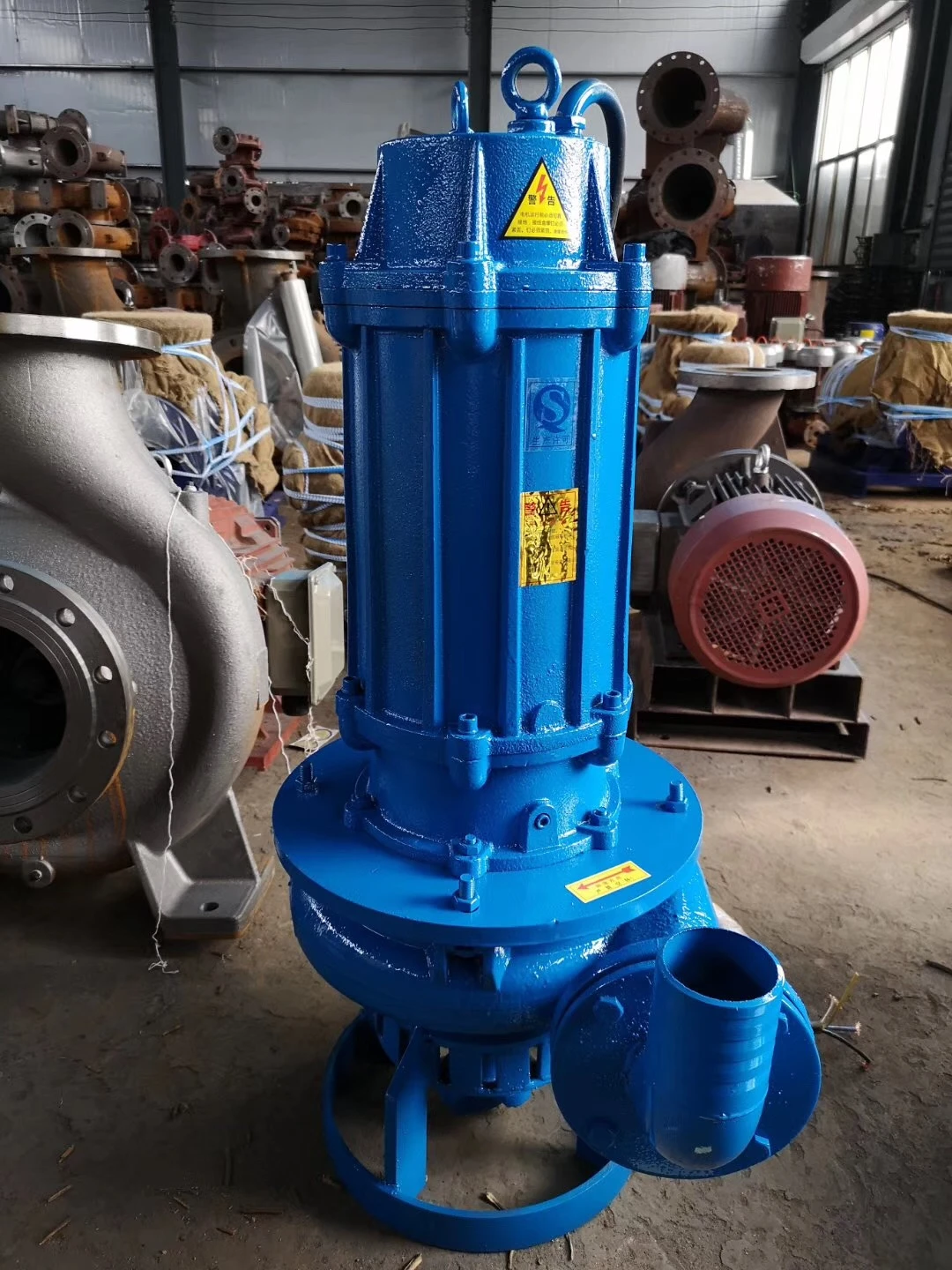
High-pressure pumps for detergent slurry factories represent a critical component in the chemical processing and industrial cleaning sectors. These pumps are specifically engineered to handle the abrasive and often corrosive nature of detergent slurries, which are mixtures of detergents, water, and solid particulate matter. Their technical position within the industry chain lies between the bulk detergent production and the final application of cleaning solutions – serving as the power source for efficient slurry transfer and delivery. Core performance characteristics are defined by flow rate (GPM or LPM), discharge pressure (PSI or Bar), solids handling capability (particle size and concentration), and material compatibility with the specific detergents used. The increasing demand for concentrated detergent formulations and closed-loop cleaning systems drives the need for pumps capable of consistently delivering high pressure and volume while maintaining operational reliability and minimizing downtime. A primary industry pain point is pump wear due to abrasive slurry constituents, leading to frequent maintenance and replacement costs. Another challenge is chemical attack on pump components, compromising their structural integrity and leading to potential leaks and failures.
Material Science & Manufacturing
The construction of high-pressure pumps for detergent slurry applications demands careful material selection. Pump housings are commonly manufactured from stainless steel (316L being prevalent due to its enhanced corrosion resistance to a broad range of detergents and chemicals), duplex stainless steel (for even higher chloride resistance), or specialized polymer alloys like UHMWPE or PTFE for lining critical internal surfaces. Impellers and pistons are frequently crafted from hardened stainless steel alloys (e.g., 17-4 PH) to withstand abrasive wear. Seals are a critical area; materials like Viton (FKM), PTFE, or ceramic are used to ensure chemical compatibility and prevent leakage. Manufacturing processes typically involve precision casting or forging for the pump housing, followed by CNC machining to achieve tight tolerances and smooth surface finishes. Impellers are often investment cast. Piston pumps utilize high-precision honing to ensure a perfect seal between the piston and cylinder. Key parameter control during manufacturing includes material certification to ensure chemical composition, dimensional accuracy verified via CMM (Coordinate Measuring Machine), surface roughness measurements, and hydrostatic testing to confirm pressure integrity. Welding, where employed, must adhere to ASME Section IX standards and undergo rigorous non-destructive testing (NDT) such as radiography and liquid penetrant inspection. The slurry's pH, temperature, and abrasive particle characteristics directly dictate material selection, as prolonged exposure to incompatible substances can cause accelerated corrosion or erosion.
Performance & Engineering
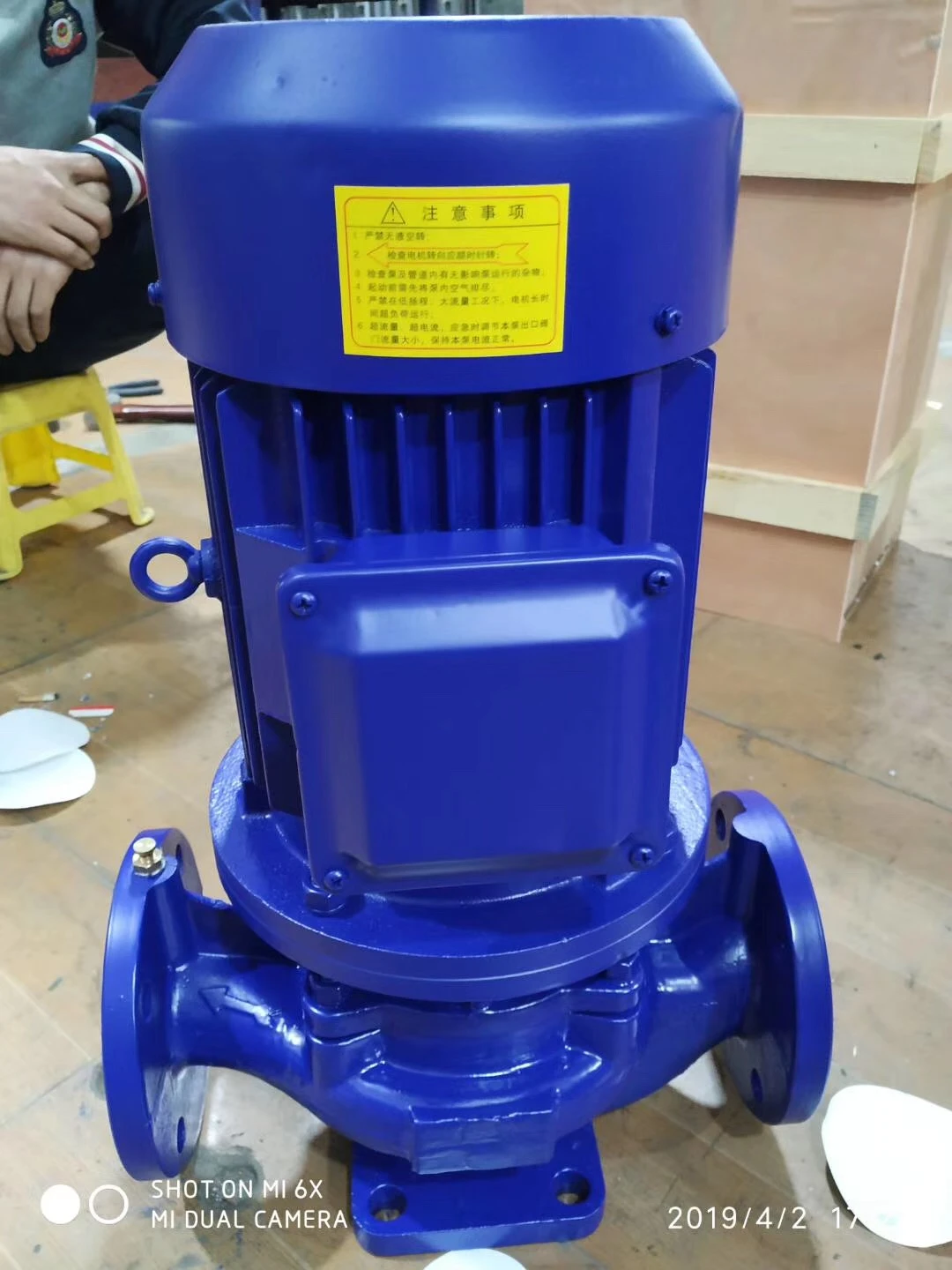
Performance of these pumps is heavily influenced by fluid dynamics and mechanical engineering principles. Force analysis focuses on stresses induced by internal pressure, fluid velocity, and reciprocating motion (in the case of piston pumps). Finite Element Analysis (FEA) is routinely used to optimize pump housing design, minimizing stress concentrations and maximizing structural integrity. Environmental resistance is paramount; pumps must withstand exposure to temperature variations, humidity, and potentially corrosive atmospheres. Compliance requirements include adherence to relevant safety standards (e.g., ATEX for potentially explosive environments, CE marking for European markets), and environmental regulations regarding fluid containment and noise emission. Functional implementation involves careful consideration of the pump’s Net Positive Suction Head (NPSH) requirements to prevent cavitation, a phenomenon that can severely damage the impeller. Pulsation dampeners are often integrated into the discharge piping to minimize pressure fluctuations and reduce noise. Pump speed is optimized to balance flow rate, pressure, and energy efficiency. Furthermore, slurry viscosity significantly impacts pump performance. Higher viscosity slurries require pumps with larger clearances and lower rotational speeds to ensure adequate flow and prevent excessive shear forces that can damage detergent particles.
Technical Specifications
| Parameter | Typical Value (Range) | Unit | Testing Standard |
|---|---|---|---|
| Maximum Discharge Pressure | 100 - 500 | Bar | ISO 6857 |
| Flow Rate | 10 - 200 | GPM | ANSI/API 610 |
| Solids Handling Capability | Up to 25% by weight | % | In-house testing per customer slurry specification |
| Pump Material (Housing) | 316L Stainless Steel, Duplex Stainless Steel | - | ASTM A240 |
| Seal Material | Viton (FKM), PTFE | - | ASTM D1418 |
| Motor Power | 5.5 - 75 | kW | IEC 60034 |
Failure Mode & Maintenance
Common failure modes in high-pressure pumps handling detergent slurries include abrasive wear of the impeller and piston, corrosion of pump housing and internal components, seal failure leading to leakage, cavitation damage, and bearing failure. Abrasive wear is a primary concern, particularly with slurries containing abrasive particles like silica or calcium carbonate. Failure analysis reveals that insufficient hardness or improper material selection exacerbates this issue. Corrosion occurs when the pump material is incompatible with the detergent’s chemical composition. Seal failures often result from incompatibility with the chemicals, excessive pressure, or damage from abrasive particles. Cavitation develops when the NPSH available is less than the NPSH required, creating vapor bubbles that implode and erode the impeller. Bearing failures are typically caused by inadequate lubrication, contamination, or excessive load. Maintenance strategies include regular inspection of pump components for wear and corrosion, lubrication of bearings, seal replacement based on a predetermined schedule or leak detection, and slurry analysis to identify abrasive particles. Preventative maintenance also involves monitoring pump vibration and temperature to detect early signs of failure. For severe cases of abrasive wear, hardened components or ceramic coatings can extend pump life. Proper filtration of the slurry can also reduce the concentration of abrasive particles.
Industry FAQ
Q: What is the optimal material for a pump handling a highly alkaline detergent slurry?
A: For highly alkaline slurries, duplex stainless steel (e.g., 2205) or a super austenitic stainless steel is generally recommended. These alloys offer superior resistance to pitting and crevice corrosion in alkaline environments compared to standard 316L stainless steel. Furthermore, PTFE or FKM seals should be specified, confirming compatibility with the specific alkaline detergent concentration and temperature.
Q: How can I minimize cavitation damage in my pump?
A: Minimizing cavitation requires ensuring adequate Net Positive Suction Head Available (NPSHa). This can be achieved by reducing suction lift, increasing tank pressure, lowering fluid temperature, or increasing pipe diameter on the suction side. Regularly inspect the impeller for signs of cavitation damage (pitting and erosion).
Q: What is the expected lifespan of a pump seal in a typical detergent slurry application?
A: The lifespan of a pump seal varies considerably depending on the slurry's abrasiveness, chemical composition, temperature, and pressure. Generally, seals can last anywhere from 6 months to 2 years. Regular monitoring for leaks and scheduled replacement are crucial.
Q: What are the key considerations when selecting a pump for a slurry with a high solids content?
A: When handling slurries with high solids content, choose a pump specifically designed for abrasive service. Look for pumps with hardened impellers, large internal clearances to prevent clogging, and robust seal designs. Positive displacement pumps (e.g., piston pumps) are often preferred for viscous or high-solids slurries.
Q: How important is the pump’s surface finish when handling abrasive slurries?
A: Pump surface finish is crucial. Smoother surface finishes reduce friction and minimize abrasive wear. Electropolishing stainless steel components can further improve corrosion resistance and reduce the adhesion of abrasive particles.
Conclusion
High-pressure pumps for detergent slurry factories represent a complex engineering challenge, demanding careful consideration of material science, fluid dynamics, and manufacturing processes. The selection of appropriate materials, coupled with meticulous design and preventative maintenance, are paramount to ensuring long-term operational reliability and minimizing downtime in these demanding applications. The ongoing trend towards concentrated detergents and increasingly abrasive formulations necessitates continuous improvement in pump technology and maintenance practices.
Future developments will likely focus on incorporating advanced materials like ceramic composites and self-healing polymers to further enhance wear resistance and corrosion protection. The integration of predictive maintenance systems, utilizing sensor data and machine learning algorithms, will enable proactive identification of potential failures and optimize maintenance schedules. Ultimately, a holistic approach encompassing pump design, material selection, and proactive maintenance is essential for maximizing the efficiency and lifespan of these critical components in detergent slurry factories.
-
basement bathroom sewage pump Material Science Manufacturing
News2026-05-21
-
wastewater treatment plant pumps Material Science Manufacturing
News2026-05-21
-
waste water pump for basement Material Science Manufacturing
News2026-05-21
-
sump pump sewage Performance Analysis
News2026-05-21
-
sump pump for sewage Material Science and Manufacturing
News2026-05-21
-
sump pump for septic systems Material Science Manufacturing
News2026-05-20
-
sump pump and ejector pump Material Science Manufacturing
News2026-05-20
-
sewage treatment plant pumps Performance Analysis
News2026-05-20
-
sewage tank pump Material Science and Manufacturing
News2026-05-20
-
sewage pump for septic tank Performance Analysis
News2026-05-20
-
Sewage Pump and Tank Performance Analysis
News2026-05-19
-
Sewage Ejector Pump Replacement Performance Analysis
News2026-05-19
-
sewage ejector pump for basement bathroom Material Science Manufacturing
News2026-05-19
-
sewage ejection pump Material Science and Manufacturing
News2026-05-19
-
in line sewage pump Performance Analysis
News2026-05-19




