English
- Afrikaans
- Albanian
- Amharic
- Arabic
- Armenian
- Azerbaijani
- Basque
- Belarusian
- Bengali
- Bosnian
- Bulgarian
- Catalan
- Cebuano
- Corsican
- Croatian
- Czech
- Danish
- Dutch
- English
- Esperanto
- Estonian
- Finnish
- French
- Frisian
- Galician
- Georgian
- German
- Greek
- Gujarati
- Haitian Creole
- hausa
- hawaiian
- Hebrew
- Hindi
- Miao
- Hungarian
- Icelandic
- igbo
- Indonesian
- irish
- Italian
- Japanese
- Javanese
- Kannada
- kazakh
- Khmer
- Rwandese
- Korean
- Kurdish
- Kyrgyz
- Lao
- Latin
- Latvian
- Lithuanian
- Luxembourgish
- Macedonian
- Malgashi
- Malay
- Malayalam
- Maltese
- Maori
- Marathi
- Mongolian
- Myanmar
- Nepali
- Norwegian
- Norwegian
- Occitan
- Pashto
- Persian
- Polish
- Portuguese
- Punjabi
- Romanian
- Russian
- Samoan
- Scottish Gaelic
- Serbian
- Sesotho
- Shona
- Sindhi
- Sinhala
- Slovak
- Slovenian
- Somali
- Spanish
- Sundanese
- Swahili
- Swedish
- Tagalog
- Tajik
- Tamil
- Tatar
- Telugu
- Thai
- Turkish
- Turkmen
- Ukrainian
- Urdu
- Uighur
- Uzbek
- Vietnamese
- Welsh
- Bantu
- Yiddish
- Yoruba
- Zulu

Telephone: +86 13120555503
Email: frank@cypump.com


Apr . 01, 2024 17:55 Back to list
high head slurry pump Performance Analysis
Introduction
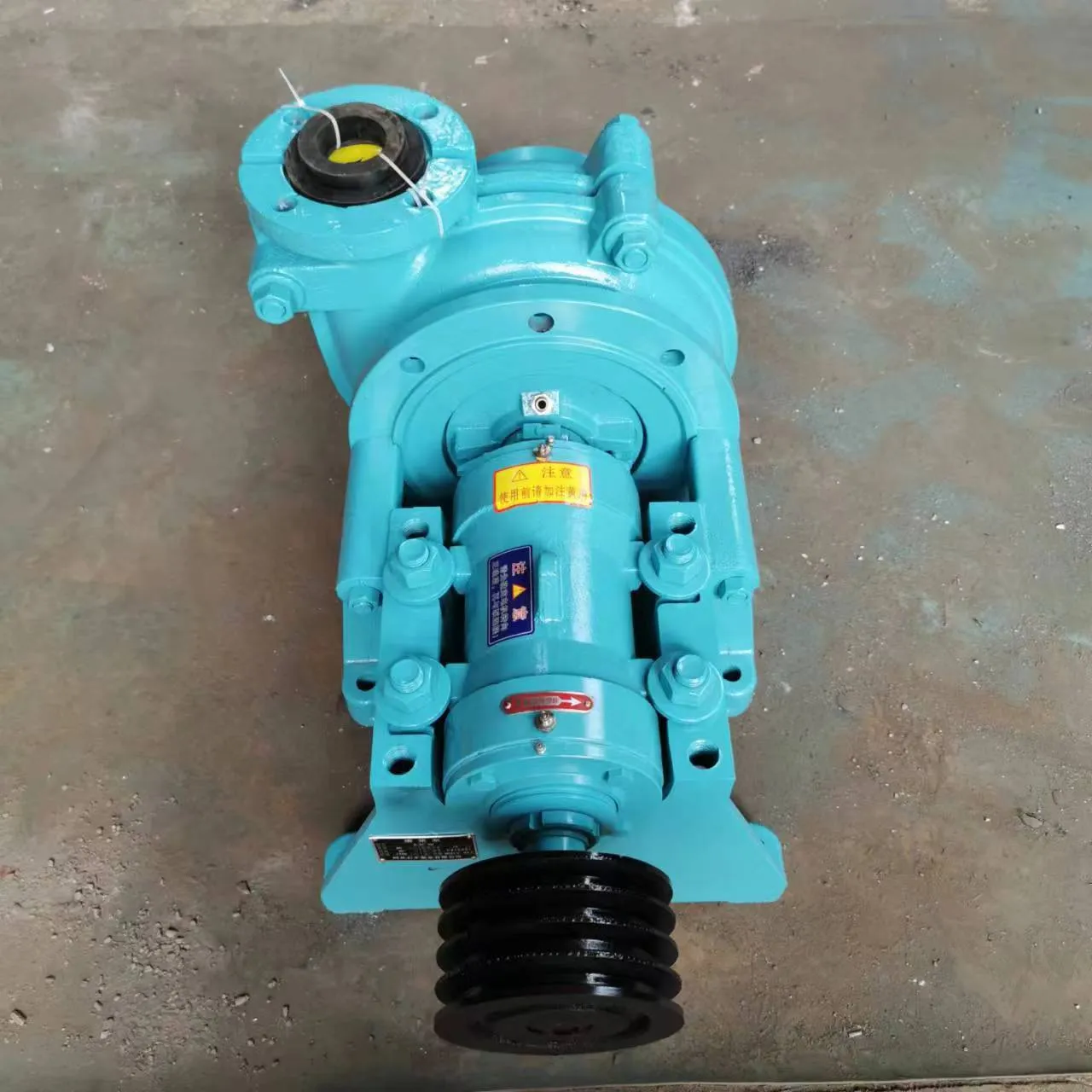
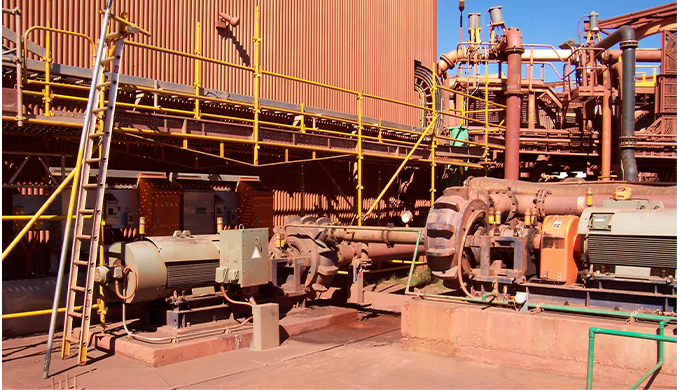
High head slurry pumps are centrifugal pumps specifically engineered for the transportation of abrasive, corrosive, and high-solidity slurries over significant vertical distances – hence the “high head” designation. They represent a critical component within numerous industrial processes, including mining, mineral processing, heavy oil sands extraction, power generation (specifically FGD systems), and wastewater treatment. Unlike standard centrifugal pumps which rapidly degrade when handling abrasive fluids, high head slurry pumps utilize specialized materials and hydraulic designs to maximize lifespan and maintain performance under demanding conditions. Their technical position in the industry chain sits downstream of solid-liquid separation and upstream of further processing or disposal stages. Core performance metrics center around head (vertical lift), flow rate, solids handling capability (particle size and concentration), and wear resistance. The industry faces challenges including impeller erosion, seal failure due to abrasive particle ingress, and maintaining efficiency while handling varying slurry densities.
Material Science & Manufacturing
The construction of high head slurry pumps necessitates careful material selection to counteract the aggressive nature of the slurries handled. Casing materials frequently employ high-chrome iron alloys (typically 27% Cr) due to their exceptional abrasion resistance, offering a balance between hardness and toughness. Impellers often utilize similar alloys, but may also incorporate tungsten carbide or ceramic inserts for localized wear protection in high-impact areas. Shaft materials typically consist of alloy steels, heat-treated to achieve high tensile strength and resistance to fatigue failure. Elastomeric liners, composed of natural or synthetic rubber, are commonly used to protect the pump casing from corrosion and to dampen noise. Manufacturing processes begin with sand casting or investment casting for the more complex components like the impeller and volute. Welding is extensively used to assemble the pump casing, requiring qualified welders and stringent quality control procedures to ensure structural integrity. Impeller balancing is critical to minimize vibration and bearing loads. Key parameter control during manufacturing includes dimensional accuracy of internal passages (volute and impeller vanes), surface finish to minimize friction losses, and proper heat treatment to achieve desired material properties. The selection of seal materials (e.g., mechanical seals with silicon carbide or tungsten carbide faces) is vital to prevent slurry leakage and maintain pump efficiency. Liners are typically vulcanized directly to the pump casing, ensuring a robust and durable bond.
Performance & Engineering
The performance of a high head slurry pump is dictated by several key engineering principles. Force analysis centers around the hydraulic forces exerted by the slurry on the impeller and casing, and the mechanical forces generated by the rotating components. Cavitation, a phenomenon where vapor bubbles form and collapse within the pump, is a significant concern, particularly with high-head applications and can lead to impeller erosion. Net Positive Suction Head Required (NPSHr) must be carefully calculated and maintained to prevent cavitation. Environmental resistance is crucial; pumps operating outdoors are subject to temperature fluctuations, humidity, and potential exposure to corrosive atmospheres. Pump selection must account for the slurry's specific gravity, viscosity, and particle size distribution. Compliance requirements vary based on the application, but often include adherence to API 610 standards for centrifugal pumps and potentially specific regulations related to environmental protection (e.g., discharge limits for wastewater). The hydraulic design focuses on maximizing head while minimizing wear. This is achieved through the use of recessed impellers, which create wider flow passages and reduce the impact velocity of the slurry particles. Diffusers are used to convert kinetic energy into pressure energy, increasing the pump's head. Proper selection of pump speed and impeller diameter is essential to achieve the desired performance characteristics. The pump’s volute casing is engineered to manage the fluid flow efficiently, converting velocity head into pressure head while minimizing turbulence and energy losses.
Technical Specifications
| Parameter | Unit | Typical Value (Range) | Description |
|---|---|---|---|
| Maximum Head | m | 50-300+ | Vertical distance the pump can lift the slurry. |
| Flow Rate | m³/h | 20-500+ | Volume of slurry pumped per hour. |
| Maximum Solids Concentration | % by weight | Up to 70 | Maximum percentage of solids the pump can handle. |
| Particle Size | mm | Up to 150 | Maximum particle diameter the pump can handle. |
| Pump Power | kW | 15-500+ | Power required to operate the pump. |
| Casing Material | - | High Chrome Iron (27% Cr) | Material used for the pump casing. |
Failure Mode & Maintenance
High head slurry pumps are susceptible to several failure modes. Impeller erosion is a primary concern, driven by the abrasive nature of the slurry. This leads to a reduction in pump head and flow rate. Seal failure, often due to abrasive particle ingress, results in leakage and reduced efficiency. Bearing failure can occur due to excessive vibration caused by impeller imbalance or slurry-induced loads. Corrosion, especially in acidic or alkaline slurries, degrades pump components over time. Fatigue cracking, induced by cyclic loading, can affect the pump casing and shaft. Failure analysis commonly involves visual inspection for wear patterns, dimensional measurements to assess erosion, and metallurgical analysis to identify corrosion mechanisms. Maintenance strategies include regular impeller replacement, seal replacement, bearing lubrication and inspection, and periodic coating repairs. Preventive maintenance programs should include vibration monitoring to detect early signs of bearing or impeller issues. Proper slurry pre-treatment (e.g., screening to remove large particles) can significantly extend pump life. Regular inspection of pump liners is critical to identify and address areas of wear. Flushing the pump with clean water after use can help to remove abrasive particles and prevent corrosion.
Industry FAQ
Q: What is the impact of slurry viscosity on pump performance?
A: Increased slurry viscosity reduces pump flow rate and efficiency. Higher viscosity leads to greater frictional losses within the pump and increased power consumption. Pump selection must account for the slurry's viscosity, and potentially require a larger motor or a different impeller design.
Q: How does particle shape affect abrasion rates?
A: Angular particles cause significantly higher abrasion rates than rounded particles. Sharp edges and corners concentrate stress, leading to accelerated wear on pump components, especially the impeller.
Q: What are the benefits of using a recessed impeller design?
A: Recessed impellers provide wider flow passages, reducing the impact velocity of slurry particles and minimizing impeller erosion. They are particularly well-suited for handling slurries with high solids concentrations and large particle sizes.
Q: What type of mechanical seal is most suitable for abrasive slurries?
A: Mechanical seals with tungsten carbide or silicon carbide faces are commonly used for abrasive slurries. These materials offer excellent wear resistance and can withstand the harsh conditions. Double mechanical seals with a barrier fluid are often employed for critical applications to provide an extra layer of protection.
Q: How can I minimize cavitation damage in a high head slurry pump?
A: Ensure sufficient NPSHa (Net Positive Suction Head Available) is maintained, avoid operating the pump at excessive speeds, and ensure that the impeller is properly balanced. Regularly inspect the impeller for signs of cavitation damage (pitting and erosion).
Conclusion
High head slurry pumps represent a specialized and essential technology for industries dealing with abrasive and demanding fluid handling applications. Successful implementation requires a deep understanding of material science, hydraulic principles, and failure modes. Proper pump selection, meticulous manufacturing quality control, and a robust preventive maintenance program are paramount to maximizing pump lifespan and minimizing operational costs.
Future developments will likely focus on advanced materials – such as ceramic matrix composites – to further enhance wear resistance, as well as intelligent monitoring systems to predict failures and optimize maintenance schedules. Furthermore, computational fluid dynamics (CFD) modeling will play an increasing role in optimizing impeller designs for specific slurry characteristics, improving efficiency and reducing energy consumption.
-
Comprehensive Guide to Waterproof ORings for Optimal Sealing Solutions
News2026-06-09
-
Septic Pump System Performance Analysis
News2026-06-08
-
pump for septic Material Science
News2026-06-08
-
basement sewer pump Performance Analysis
News2026-06-08
-
submerged pump Performance Engineering
News2026-06-08
-
Septic System Pumps Performance Analysis
News2026-06-08
-
septic system pump Material Science and Manufacturing
News2026-06-07
-
pump for septic tank Material Science Manufacturing
News2026-06-07
-
submersible sewage pump Material Science
News2026-06-07
-
Sewage Ejector Material Science and Manufacturing
News2026-06-07
-
Ejection Pump Material Science
News2026-06-07
-
pump submersible Performance Analysis
News2026-06-06
-
ejector pumps Performance Engineering
News2026-06-06
-
basement ejector pump Material Science Manufacturing
News2026-06-06
-
Septic Tanks Pumping Performance Analysis
News2026-06-06




