English
- Afrikaans
- Albanian
- Amharic
- Arabic
- Armenian
- Azerbaijani
- Basque
- Belarusian
- Bengali
- Bosnian
- Bulgarian
- Catalan
- Cebuano
- Corsican
- Croatian
- Czech
- Danish
- Dutch
- English
- Esperanto
- Estonian
- Finnish
- French
- Frisian
- Galician
- Georgian
- German
- Greek
- Gujarati
- Haitian Creole
- hausa
- hawaiian
- Hebrew
- Hindi
- Miao
- Hungarian
- Icelandic
- igbo
- Indonesian
- irish
- Italian
- Japanese
- Javanese
- Kannada
- kazakh
- Khmer
- Rwandese
- Korean
- Kurdish
- Kyrgyz
- Lao
- Latin
- Latvian
- Lithuanian
- Luxembourgish
- Macedonian
- Malgashi
- Malay
- Malayalam
- Maltese
- Maori
- Marathi
- Mongolian
- Myanmar
- Nepali
- Norwegian
- Norwegian
- Occitan
- Pashto
- Persian
- Polish
- Portuguese
- Punjabi
- Romanian
- Russian
- Samoan
- Scottish Gaelic
- Serbian
- Sesotho
- Shona
- Sindhi
- Sinhala
- Slovak
- Slovenian
- Somali
- Spanish
- Sundanese
- Swahili
- Swedish
- Tagalog
- Tajik
- Tamil
- Tatar
- Telugu
- Thai
- Turkish
- Turkmen
- Ukrainian
- Urdu
- Uighur
- Uzbek
- Vietnamese
- Welsh
- Bantu
- Yiddish
- Yoruba
- Zulu

Telephone: +86 13120555503
Email: frank@cypump.com


Apr . 01, 2024 17:55 Back to list
high cr volute liner of slurry pump Performance Analysis
Introduction
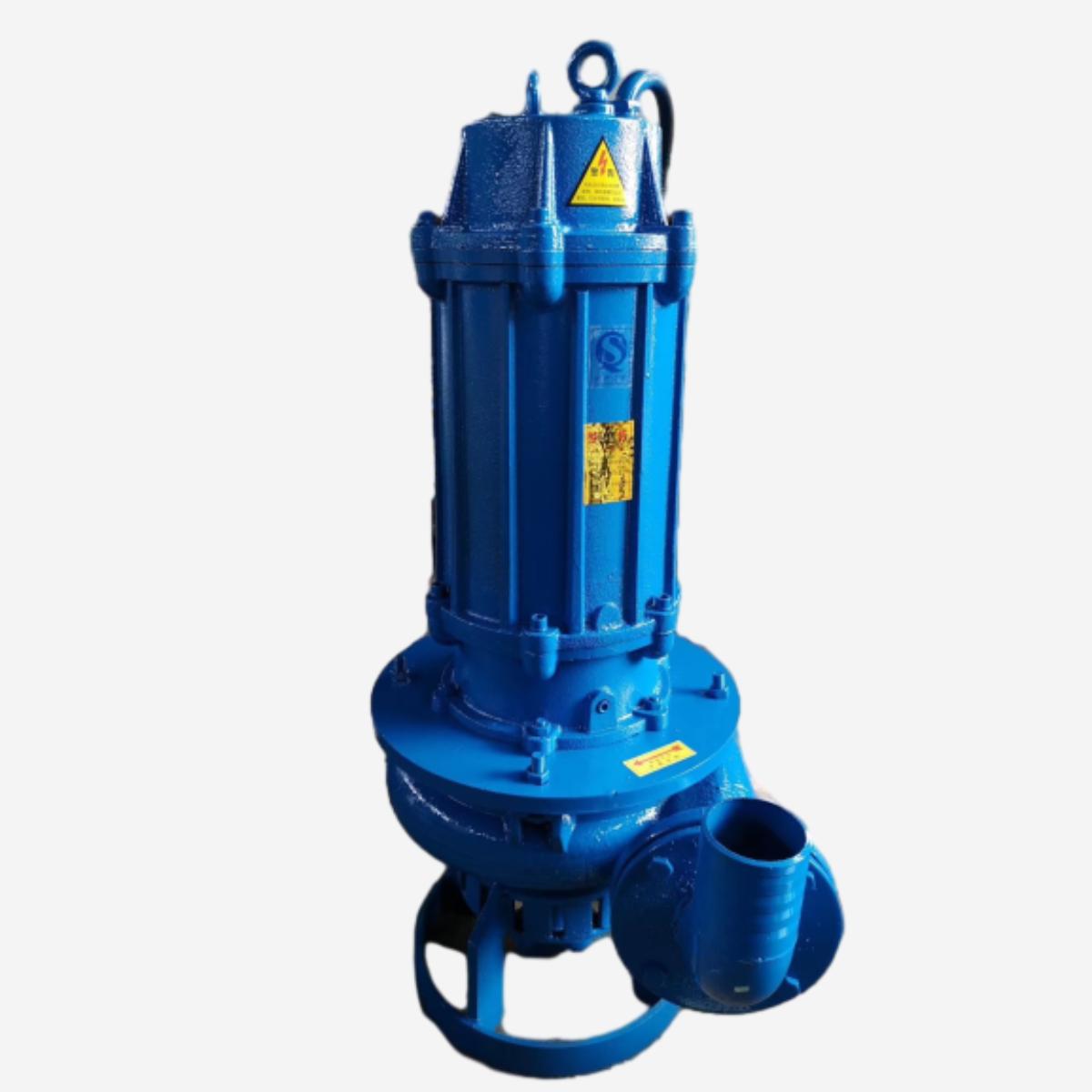
High Chromium (High Cr) volute liners are critical components within slurry pumps, employed across diverse industries including mining, dredging, wastewater treatment, and chemical processing. These liners form the internal casing of the pump’s volute, directly interfacing with the abrasive slurry being transported. Their primary function is to contain the fluid while facilitating efficient energy transfer from the impeller to the slurry, converting rotational energy into kinetic energy and ultimately, pressure. Unlike standard metallic volute liners, high Cr liners utilize alloys containing between 15% and 30% chromium, imparting exceptional resistance to abrasive wear, corrosion, and erosion – challenges inherent in slurry applications. This technical guide details the material science, manufacturing processes, performance characteristics, failure modes, maintenance protocols, and relevant industry standards pertaining to high Cr volute liners, aiming to provide a comprehensive resource for engineers, procurement managers, and maintenance personnel involved in slurry pump systems. The selection of a suitable liner directly impacts pump efficiency, longevity, and total cost of ownership.
Material Science & Manufacturing
High Cr volute liners typically utilize alloys based on high chromium cast iron, frequently incorporating nickel, molybdenum, and other alloying elements to enhance specific properties. The base material is a complex iron carbide matrix (typically M7C3) embedded within a softer austenitic matrix. The hard carbides provide exceptional wear resistance, while the austenitic matrix offers toughness and impact resistance. Raw materials undergo stringent quality control, focusing on chemical composition verification via optical emission spectroscopy (OES) and mechanical property assessment through hardness testing (typically Rockwell C scale). Manufacturing primarily employs sand casting techniques, followed by heat treatment to achieve the desired microstructure. Critical parameters during sand casting include mold material composition, pouring temperature (typically 1500-1600°C), cooling rate, and mold design to minimize porosity and ensure dimensional accuracy. Post-casting, the liners undergo normalizing and tempering heat treatments. Normalizing refines the grain structure, while tempering optimizes the balance between hardness and toughness. Precise control of tempering temperature (typically 500-600°C) is crucial; lower temperatures yield higher hardness but reduced toughness, while higher temperatures reduce hardness and potentially compromise wear resistance. Final machining operations, including grinding and polishing, are performed to achieve tight dimensional tolerances and a smooth surface finish, minimizing slurry adhesion and improving hydraulic efficiency. Welding repairs, if necessary, require specialized high Cr welding consumables to maintain alloy integrity.
Performance & Engineering
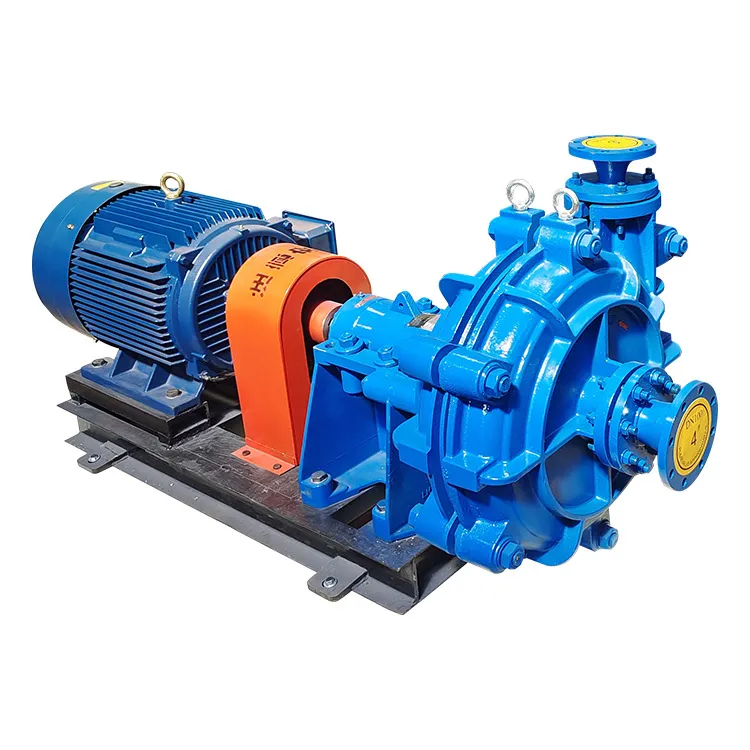
The performance of a high Cr volute liner is dictated by its ability to withstand abrasive wear, erosive corrosion, and the impact forces exerted by the slurry. Force analysis involves evaluating the stress distribution within the liner under various operating conditions, considering slurry velocity, particle size distribution, particle concentration, and fluid turbulence. Finite Element Analysis (FEA) is commonly employed to simulate stress patterns and identify potential failure points. Environmental resistance is paramount. The high chromium content provides inherent corrosion resistance, particularly against acidic and oxidizing environments. However, specific slurry compositions – notably those containing chlorides or sulfides – can accelerate corrosion. Coatings, such as epoxy or ceramic linings, may be applied to enhance corrosion protection in severely corrosive environments. Compliance requirements vary depending on the industry and application. For example, mining operations may adhere to safety standards set by organizations like the Mine Safety and Health Administration (MSHA). Wastewater treatment facilities must comply with environmental regulations regarding material leaching and discharge. Hydraulic efficiency is optimized through careful design of the volute geometry. The liner’s internal contours must ensure smooth flow of the slurry, minimizing energy losses due to turbulence and recirculation. The liner’s surface roughness is also a critical factor; a smoother surface reduces friction and improves pump performance. Additionally, proper impeller-volute clearance is essential to prevent excessive wear and maintain optimal efficiency.
Technical Specifications
| Material Composition (Typical) | Hardness (Rockwell C) | Tensile Strength (MPa) | Impact Strength (J) |
|---|---|---|---|
| Cr: 20-30%, C: 2.0-3.5%, Ni: 3-5%, Mo: 0.5-1.5%, Fe: Balance | 60-68 HRC | 550-750 MPa | >20 J @ -20°C |
| Cr: 18-22%, C: 2.5-3.2%, Ni: 2-4%, Mo: 0.4-0.8%, Fe: Balance | 62-65 HRC | 600-700 MPa | >18 J @ -20°C |
| Cr: 25-30%, C: 3.0-3.8%, Ni: 4-6%, Mo: 0.7-1.2%, Fe: Balance | 65-70 HRC | 650-750 MPa | >15 J @ -20°C |
| Cr: 15-18%, C: 2.2-2.8%, Ni: 1-3%, Mo: 0.3-0.6%, Fe: Balance | 58-62 HRC | 500-600 MPa | >22 J @ -20°C |
| Cr: 22-26%, C: 2.7-3.3%, Ni: 3-5%, Mo: 0.6-1.0%, Fe: Balance | 64-67 HRC | 620-720 MPa | >17 J @ -20°C |
| Cr: 16-20%, C: 2.3-2.9%, Ni: 2-4%, Mo: 0.4-0.8%, Fe: Balance | 60-64 HRC | 520-620 MPa | >20 J @ -20°C |
Failure Mode & Maintenance
High Cr volute liners, despite their robust design, are susceptible to several failure modes. Abrasive wear is the most common, characterized by gradual material loss due to the impact of solid particles within the slurry. Erosion, particularly at high slurry velocities and turbulent flow regions, accelerates wear. Corrosion, especially in aggressive chemical environments, can lead to pitting and localized material degradation. Fatigue cracking can occur under cyclic loading conditions, exacerbated by stress concentrations around geometric discontinuities. Delamination, a form of adhesive wear, can result from poor bonding between the liner and the pump casing. Oxidation at elevated temperatures can also contribute to material degradation. Preventative maintenance is crucial. Regular visual inspections should be conducted to identify early signs of wear or corrosion. Non-destructive testing methods, such as ultrasonic thickness testing, can accurately measure liner thickness and detect thinning due to wear. Periodic coating inspections (if applicable) should be performed to assess coating integrity. Slurry analysis is vital to understand the abrasive characteristics and chemical composition of the fluid. Adjusting pump operating parameters, such as slurry velocity and flow rate, can minimize wear. Lubrication of the liner-casing interface can reduce friction and prevent galling. Replacement of the liner should be performed before catastrophic failure occurs, based on wear rate analysis and pre-defined replacement criteria.
Industry FAQ
Q: What is the typical lifespan of a high Cr volute liner in a typical mining application?
A: Lifespan is highly dependent on slurry characteristics (particle size, hardness, concentration), flow rate, and operating hours. However, a well-maintained liner in a moderate mining application can typically last between 12 and 24 months. Continuous monitoring of liner thickness and wear rates is crucial for accurate prediction.
Q: How does the chemical composition of the slurry affect the performance of the high Cr liner?
A: Highly acidic or alkaline slurries, as well as those containing chlorides or sulfides, can significantly accelerate corrosion. The chromium content provides some inherent resistance, but specialized coatings may be necessary for highly corrosive environments. Particle hardness and shape also influence wear rates; harder, sharper particles cause more rapid abrasive wear.
Q: What are the advantages of using a high Cr liner compared to a standard steel liner?
A: High Cr liners offer significantly superior wear resistance and corrosion resistance compared to standard steel liners. While initial cost is higher, the extended lifespan and reduced downtime typically result in a lower total cost of ownership. They minimize the frequency of liner replacements and associated maintenance expenses.
Q: What non-destructive testing (NDT) methods are recommended for evaluating liner condition?
A: Ultrasonic thickness testing (UTT) is the most commonly used NDT method for measuring liner thickness and detecting wear. Dye penetrant inspection can identify surface cracks or imperfections. Visual inspection, supplemented by photographic documentation, is also crucial for tracking wear patterns and identifying potential problems.
Q: What are the key considerations when specifying a high Cr volute liner for a new pump installation?
A: The primary considerations are the slurry characteristics (particle size, hardness, concentration, chemical composition), flow rate, operating pressure, and expected operating hours. Proper liner selection requires a thorough understanding of the application and a careful evaluation of available liner materials and designs. Consider potential for erosion and corrosion.
Conclusion
High Chromium volute liners represent a critical investment for any operation utilizing slurry pumps. Their exceptional wear and corrosion resistance, stemming from a carefully engineered alloy composition and manufacturing process, demonstrably extend pump life and minimize operational costs. A thorough understanding of the material science, performance characteristics, and potential failure modes is paramount for optimal liner selection, installation, and maintenance.
Ongoing advancements in materials science and manufacturing techniques continue to refine the performance of high Cr liners. Future developments may include the incorporation of advanced ceramic coatings, novel alloy compositions with enhanced wear resistance, and innovative monitoring systems to provide real-time data on liner condition. Proactive maintenance programs, coupled with regular slurry analysis, will remain essential for maximizing liner lifespan and ensuring the reliable operation of slurry pump systems.
-
basement bathroom sewage pump Material Science Manufacturing
News2026-05-21
-
wastewater treatment plant pumps Material Science Manufacturing
News2026-05-21
-
waste water pump for basement Material Science Manufacturing
News2026-05-21
-
sump pump sewage Performance Analysis
News2026-05-21
-
sump pump for sewage Material Science and Manufacturing
News2026-05-21
-
sump pump for septic systems Material Science Manufacturing
News2026-05-20
-
sump pump and ejector pump Material Science Manufacturing
News2026-05-20
-
sewage treatment plant pumps Performance Analysis
News2026-05-20
-
sewage tank pump Material Science and Manufacturing
News2026-05-20
-
sewage pump for septic tank Performance Analysis
News2026-05-20
-
Sewage Pump and Tank Performance Analysis
News2026-05-19
-
Sewage Ejector Pump Replacement Performance Analysis
News2026-05-19
-
sewage ejector pump for basement bathroom Material Science Manufacturing
News2026-05-19
-
sewage ejection pump Material Science and Manufacturing
News2026-05-19
-
in line sewage pump Performance Analysis
News2026-05-19




