English
- Afrikaans
- Albanian
- Amharic
- Arabic
- Armenian
- Azerbaijani
- Basque
- Belarusian
- Bengali
- Bosnian
- Bulgarian
- Catalan
- Cebuano
- Corsican
- Croatian
- Czech
- Danish
- Dutch
- English
- Esperanto
- Estonian
- Finnish
- French
- Frisian
- Galician
- Georgian
- German
- Greek
- Gujarati
- Haitian Creole
- hausa
- hawaiian
- Hebrew
- Hindi
- Miao
- Hungarian
- Icelandic
- igbo
- Indonesian
- irish
- Italian
- Japanese
- Javanese
- Kannada
- kazakh
- Khmer
- Rwandese
- Korean
- Kurdish
- Kyrgyz
- Lao
- Latin
- Latvian
- Lithuanian
- Luxembourgish
- Macedonian
- Malgashi
- Malay
- Malayalam
- Maltese
- Maori
- Marathi
- Mongolian
- Myanmar
- Nepali
- Norwegian
- Norwegian
- Occitan
- Pashto
- Persian
- Polish
- Portuguese
- Punjabi
- Romanian
- Russian
- Samoan
- Scottish Gaelic
- Serbian
- Sesotho
- Shona
- Sindhi
- Sinhala
- Slovak
- Slovenian
- Somali
- Spanish
- Sundanese
- Swahili
- Swedish
- Tagalog
- Tajik
- Tamil
- Tatar
- Telugu
- Thai
- Turkish
- Turkmen
- Ukrainian
- Urdu
- Uighur
- Uzbek
- Vietnamese
- Welsh
- Bantu
- Yiddish
- Yoruba
- Zulu

Telephone: +86 13120555503
Email: frank@cypump.com


Apr . 01, 2024 17:55 Back to list
high chrome slurry pump suppliers Performance Analysis
Introduction
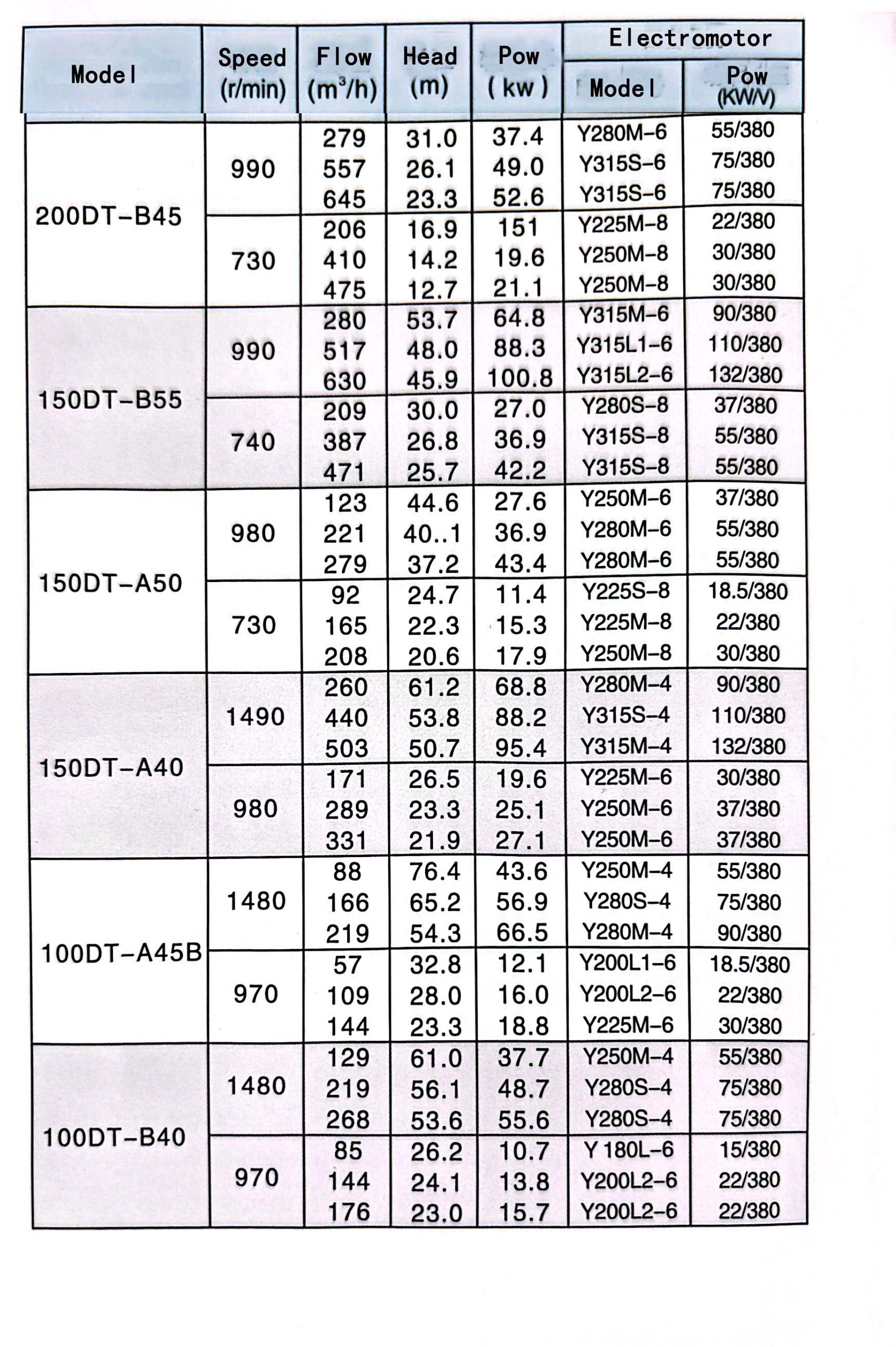
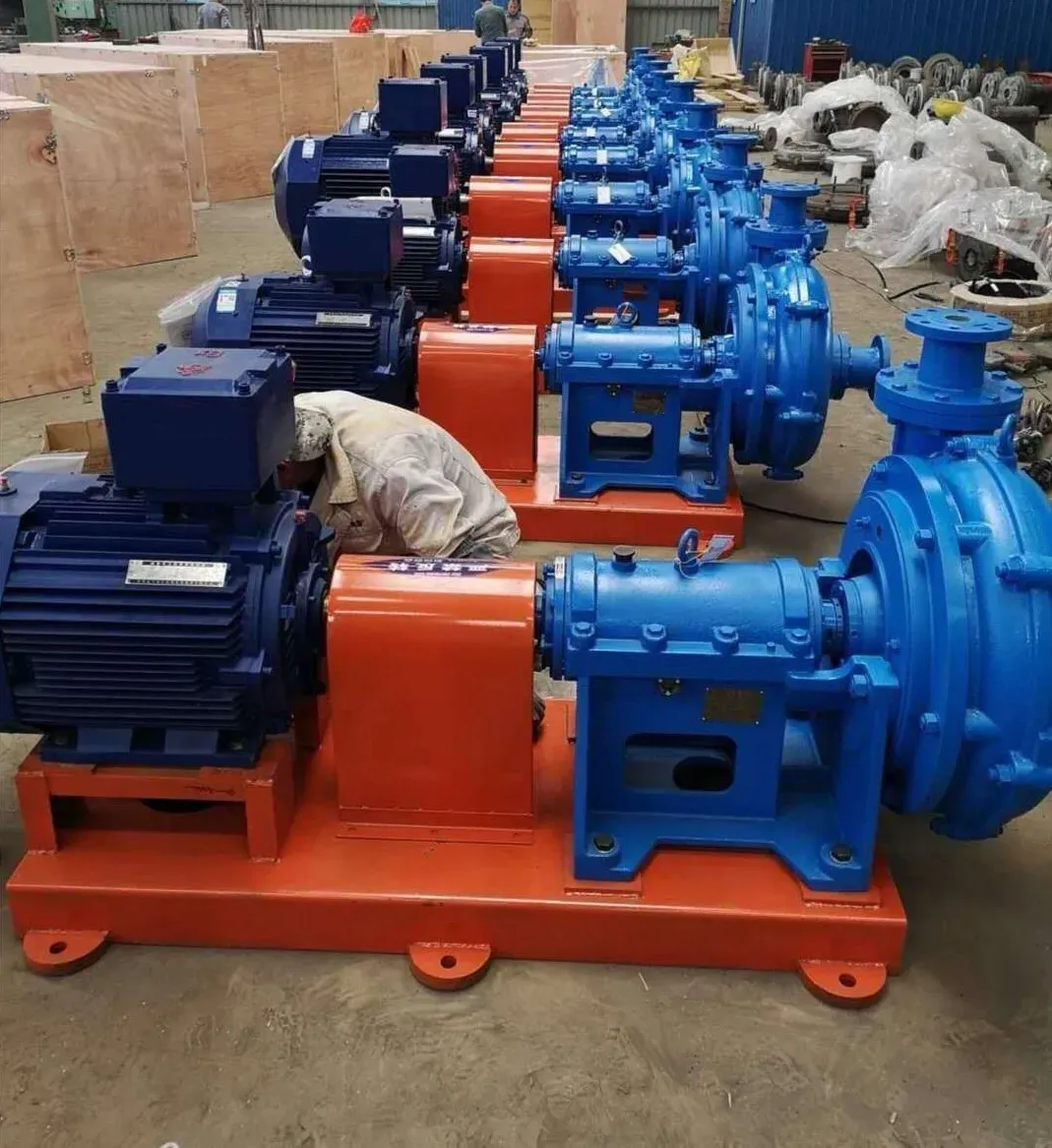
High chrome slurry pumps are critical components in industries dealing with abrasive and erosive slurries, including mining, mineral processing, dredging, and chemical processing. These pumps are engineered to handle mixtures of liquids and solids, often with high concentrations of abrasive particles. Their primary function is the reliable and efficient transfer of these slurries over varying distances and elevations. The core performance characteristics defining these pumps revolve around wear resistance, hydraulic efficiency, and operational reliability. High chrome alloy castings, typically between 13% and 28% chromium, are employed in the construction of pump components directly exposed to the slurry, providing exceptional resistance to abrasive wear. The selection of a suitable high chrome slurry pump is paramount to minimizing downtime, reducing maintenance costs, and optimizing process efficiency. This guide provides an in-depth examination of their material science, manufacturing processes, performance parameters, failure modes, and relevant industry standards, targeting procurement managers and engineers responsible for slurry handling systems.
Material Science & Manufacturing
The foundation of a high chrome slurry pump's performance lies in its material composition. The primary material is high chrome cast iron, commonly utilizing alloys like 13Cr, 19Cr, 22Cr, 25Cr, and 28Cr. The chromium content dictates the material's hardness and wear resistance. Higher chromium levels generally increase hardness but can also reduce toughness. The iron matrix provides sufficient ductility to withstand impact forces. Beyond chromium, the alloy composition includes carbon, manganese, silicon, and other trace elements influencing properties like fluidity during casting, weldability, and corrosion resistance. The manufacturing process begins with pattern making, typically using resin-bonded sand molds. Precise pattern creation is vital for accurate casting dimensions. The molten metal is poured into the mold, followed by cooling and solidification. Critical parameters during pouring include temperature control (typically between 1250°C and 1350°C), pouring rate, and mold preheating to prevent thermal shock and solidification defects. Post-casting operations involve sandblasting to remove residual sand, followed by heat treatment (quenching and tempering) to optimize the microstructure and mechanical properties. Impeller casting is particularly complex, often utilizing centrifugal casting techniques to minimize porosity and ensure balanced impeller weight distribution. Liners are commonly manufactured separately and secured within the pump casing using a mechanical locking system or adhesive bonding. Quality control focuses on chemical composition verification, hardness testing (Brinell or Vickers), and radiographic inspection to detect internal flaws.
Performance & Engineering
Performance evaluation of high chrome slurry pumps centers around hydraulic efficiency, wear resistance, and reliability under abrasive conditions. Hydraulic efficiency is affected by impeller geometry, casing design, and internal clearances. Optimized impeller designs, incorporating features like vane angles and surface finish, minimize energy losses due to turbulence and friction. Casing design impacts flow velocity and pressure distribution, influencing overall efficiency. Engineering analysis, utilizing computational fluid dynamics (CFD), is crucial for predicting pump performance and identifying potential areas for improvement. Wear resistance is assessed through standardized abrasion tests, such as the dry sand test (ASTM G65) and slurry erosion tests. These tests simulate the abrasive action of slurry particles on pump components. The pump's wear life is directly related to the slurry characteristics (particle size, shape, hardness, concentration) and the pump’s operating conditions (flow rate, head, slurry velocity). Force analysis involves evaluating stresses on pump components due to fluid pressure, impeller forces, and external loads. Finite element analysis (FEA) is commonly employed to predict stress distribution and identify potential failure points. Compliance requirements vary depending on the application and geographical location. For example, pumps used in mining operations must meet safety standards set by regulatory bodies like MSHA (Mine Safety and Health Administration). Environmental resistance considerations include corrosion protection (using coatings or corrosion-resistant alloys) and sealing systems designed to prevent leakage and environmental contamination.
Technical Specifications
| Parameter | Unit | Typical Range (200GPM Pump) | Testing Standard |
|---|---|---|---|
| Flow Rate | GPM (Gallons per Minute) | 100-300 | HI 1.6 |
| Total Head | ft (Feet) | 50-150 | HI 1.6 |
| Slurry Concentration (Max) | % by Weight | Up to 70 | ASTM D7777 |
| Particle Size (Max) | mm | Up to 75 | In-house Testing |
| Impeller Material | - | 25Cr or 28Cr High Chrome Iron | ASTM A532 |
| Casing Material | - | 25Cr or 28Cr High Chrome Iron | ASTM A532 |
Failure Mode & Maintenance
High chrome slurry pumps are susceptible to several failure modes, primarily related to abrasive wear, corrosion, and mechanical stress. Abrasive wear, manifested as erosion of impeller vanes, liner surfaces, and volute casings, is the most common failure mechanism. The rate of wear depends heavily on the slurry’s abrasiveness and pump operating conditions. Fatigue cracking can occur in impeller blades and pump shafts due to cyclic loading and stress concentration. Corrosion, particularly in acidic or saline environments, can lead to material degradation and pitting. Cavitation, caused by low suction pressure and high flow velocities, results in the formation and collapse of vapor bubbles, eroding pump components. Delamination of the chrome layer from the underlying iron matrix can occur due to thermal stress or improper heat treatment. Proper maintenance is crucial for extending pump life and minimizing downtime. This includes regular inspection of wear components, replacement of worn parts, lubrication of bearings, and monitoring of pump performance parameters (flow rate, pressure, vibration). Predictive maintenance techniques, such as vibration analysis and oil analysis, can identify potential problems before they lead to catastrophic failures. Proper slurry handling practices, such as minimizing air entrainment and avoiding sudden changes in flow rate, can also reduce wear and extend pump life. The use of sacrificial liners can significantly extend the life of more expensive pump components by absorbing the initial impact of abrasive particles. Periodically inspecting and replacing seals and bearings prevents leakage and maintains optimal pump efficiency.
Industry FAQ
Q: What is the optimal chromium content for a slurry pump handling 80% solids by weight silica slurry?
A: For 80% solids silica slurry, a 25-28% chromium alloy is generally recommended. While higher chromium provides greater wear resistance, the increased brittleness of very high chromium alloys can lead to cracking under the intense impact loading from high solids concentrations. A 25-28% alloy offers a good balance of hardness and toughness for such demanding applications.
Q: How does impeller geometry affect the pump’s efficiency when handling highly viscous slurries?
A: Highly viscous slurries require impeller geometries that minimize shear rates and energy dissipation. Impellers with larger vane angles and reduced tip speeds are preferred. Open impellers are generally more suitable than closed impellers as they provide better passage for viscous fluids and reduce the risk of clogging. CFD analysis is essential for optimizing impeller design for specific slurry viscosities.
Q: What are the key considerations when selecting a pump material for a slurry containing corrosive chemicals?
A: Beyond chromium content, consider using alloys with enhanced corrosion resistance. Nickel-hardened high chrome irons, or even stainless steel alloys, may be necessary depending on the chemical composition and concentration of the slurry. Coatings, such as rubber or polymer linings, can provide an additional barrier against corrosion. Conduct material compatibility testing to ensure the selected material is resistant to the specific chemicals in the slurry.
Q: What is the expected lifespan of a high chrome slurry pump liner in a typical mining application?
A: The lifespan of a liner varies significantly depending on the slurry abrasiveness, flow rate, and operating conditions. In a typical hard rock mining application, a liner might last between 6 to 18 months. Regular inspection and monitoring of liner wear are crucial for predicting replacement intervals and preventing unscheduled downtime. Predictive maintenance techniques are vital for accurately assessing liner wear rates.
Q: What maintenance practices are crucial for preventing cavitation damage in a high chrome slurry pump?
A: Maintaining adequate Net Positive Suction Head Available (NPSHA) is the most critical step. Ensure the suction piping is properly sized to minimize friction losses and avoid air ingress. Monitor suction pressure and flow rate. Regularly inspect the impeller for signs of cavitation damage (pitting, erosion) and address any issues promptly. Avoid operating the pump at speeds or flow rates outside its recommended operating range.
Conclusion
High chrome slurry pumps represent a specialized engineering solution for demanding fluid handling applications. Their effectiveness is intrinsically linked to a thorough understanding of material science, precise manufacturing controls, and optimized performance parameters. Selecting the correct alloy composition, impeller design, and operating conditions are crucial for maximizing wear resistance, hydraulic efficiency, and overall pump reliability. Proactive maintenance, informed by regular inspection and predictive analytics, significantly extends pump life and minimizes total cost of ownership.
Future advancements in slurry pump technology will likely focus on developing new materials with even higher wear resistance, incorporating advanced coatings for corrosion protection, and utilizing smart sensors and data analytics for predictive maintenance. Optimizing pump designs through computational fluid dynamics and finite element analysis will continue to improve hydraulic efficiency and reduce energy consumption. The integration of remote monitoring systems will enable real-time performance tracking and proactive intervention, further enhancing operational reliability and reducing downtime.
-
Effluent vs Sump Pump Performance Analysis
News2026-05-22
-
effluent septic pump Performance Engineering
News2026-05-22
-
best sewer pumps Performance Engineering
News2026-05-22
-
best sewer pump Performance Analysis
News2026-05-22
-
best sewage pumps Performance Engineering
News2026-05-22
-
basement bathroom sewage pump Material Science Manufacturing
News2026-05-21
-
wastewater treatment plant pumps Material Science Manufacturing
News2026-05-21
-
waste water pump for basement Material Science Manufacturing
News2026-05-21
-
sump pump sewage Performance Analysis
News2026-05-21
-
sump pump for sewage Material Science and Manufacturing
News2026-05-21
-
sump pump for septic systems Material Science Manufacturing
News2026-05-20
-
sump pump and ejector pump Material Science Manufacturing
News2026-05-20
-
sewage treatment plant pumps Performance Analysis
News2026-05-20
-
sewage tank pump Material Science and Manufacturing
News2026-05-20
-
sewage pump for septic tank Performance Analysis
News2026-05-20




