English
- Afrikaans
- Albanian
- Amharic
- Arabic
- Armenian
- Azerbaijani
- Basque
- Belarusian
- Bengali
- Bosnian
- Bulgarian
- Catalan
- Cebuano
- Corsican
- Croatian
- Czech
- Danish
- Dutch
- English
- Esperanto
- Estonian
- Finnish
- French
- Frisian
- Galician
- Georgian
- German
- Greek
- Gujarati
- Haitian Creole
- hausa
- hawaiian
- Hebrew
- Hindi
- Miao
- Hungarian
- Icelandic
- igbo
- Indonesian
- irish
- Italian
- Japanese
- Javanese
- Kannada
- kazakh
- Khmer
- Rwandese
- Korean
- Kurdish
- Kyrgyz
- Lao
- Latin
- Latvian
- Lithuanian
- Luxembourgish
- Macedonian
- Malgashi
- Malay
- Malayalam
- Maltese
- Maori
- Marathi
- Mongolian
- Myanmar
- Nepali
- Norwegian
- Norwegian
- Occitan
- Pashto
- Persian
- Polish
- Portuguese
- Punjabi
- Romanian
- Russian
- Samoan
- Scottish Gaelic
- Serbian
- Sesotho
- Shona
- Sindhi
- Sinhala
- Slovak
- Slovenian
- Somali
- Spanish
- Sundanese
- Swahili
- Swedish
- Tagalog
- Tajik
- Tamil
- Tatar
- Telugu
- Thai
- Turkish
- Turkmen
- Ukrainian
- Urdu
- Uighur
- Uzbek
- Vietnamese
- Welsh
- Bantu
- Yiddish
- Yoruba
- Zulu

Telephone: +86 13120555503
Email: frank@cypump.com


Apr . 01, 2024 17:55 Back to list
high chrome slurry pump Performance Analysis
Introduction
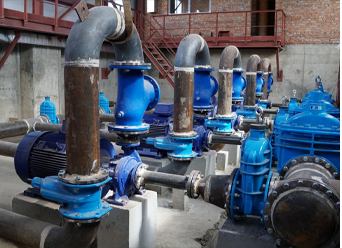
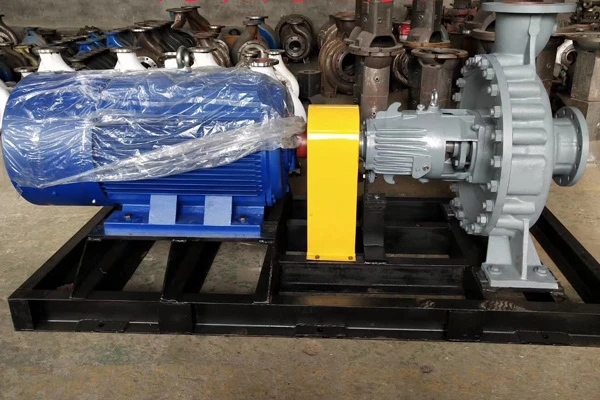
High chrome slurry pumps are centrifugal pumps specifically designed for the arduous task of transporting abrasive, erosive, and corrosive slurries. Their primary application lies within the mining, mineral processing, dredging, and heavy industrial sectors. Unlike standard centrifugal pumps, these units are engineered with high-chromium cast iron alloys for wear resistance in the impeller, volute casing, and liner plates, significantly extending operational lifespan. The technical position of the high chrome slurry pump within the industrial chain is critical; it's a core component in mineral processing plants, tailings management systems, and various fluid handling applications where solid particle suspension presents a substantial challenge. Core performance characteristics include high flow rates, substantial head pressures, and exceptional resistance to erosion and abrasion, making them indispensable for maximizing process efficiency and minimizing downtime.
Material Science & Manufacturing
The cornerstone of a high chrome slurry pump’s durability is the selection of its materials. The most prevalent material is high-chromium cast iron, typically containing between 15% and 35% chromium by weight. This chromium content forms hard chromium carbides (Cr3C2) during the casting process. These carbides are exceptionally resistant to abrasive wear due to their Vickers hardness, ranging from 600-800 HV. The matrix surrounding the carbides is usually austenitic, providing toughness to prevent brittle fracture. Other materials utilized include specialized stainless steels (e.g., duplex stainless steel) for handling highly corrosive slurries and elastomers for lining components, providing a protective barrier against impact and corrosion. Manufacturing typically begins with sand casting of the impeller and volute. Precise control of pouring temperature, cooling rates, and mold composition are vital to ensure optimal carbide distribution and minimize defects. Following casting, components undergo heat treatment to refine the microstructure. Impellers are often subjected to balancing to reduce vibration and extend bearing life. Casing assembly involves precision fitting of liners and wear plates, which are secured with robust bolting systems. Welding processes, when required, employ low-hydrogen electrodes and pre/post-weld heat treatment to maintain material integrity. Non-destructive testing, including radiographic inspection and liquid penetrant testing, is critical to verify weld quality and detect subsurface flaws.
Performance & Engineering
The performance of a high chrome slurry pump is dictated by a complex interplay of hydraulic forces, material properties, and slurry characteristics. Force analysis focuses on understanding the impact of solid particles on the impeller blades and casing walls. Impeller design incorporates a robust blade profile and optimized blade angles to maximize hydraulic efficiency while minimizing erosion. The casing geometry is engineered to promote smooth flow and reduce turbulence, lessening the energy dissipated through shear stress. Environmental resistance is paramount, particularly concerning corrosion and temperature extremes. Pump selection must account for the slurry’s pH, chemical composition, and operating temperature. Higher chromium content enhances corrosion resistance, but specialized alloys may be necessary for extremely aggressive environments. Compliance requirements vary by region and application. For mining operations, adherence to safety standards such as MSHA (Mine Safety and Health Administration) in the US is crucial. For dredging, regulations concerning environmental impact and water quality must be met. Functional implementation involves careful consideration of pump placement within the process circuit. Suction lift limitations, discharge pipe layout, and system headloss calculations are essential to ensure optimal pump performance and prevent cavitation. Proper pump sizing prevents premature wear and maximizes efficiency, reducing overall operating costs. Variable Frequency Drives (VFDs) are frequently integrated for flow control and energy optimization.
Technical Specifications
| Parameter | Unit | Typical Range | Material |
|---|---|---|---|
| Flow Rate | m3/h | 50-1500 | High Chrome Alloy |
| Head | m | 10-80 | High Chrome Alloy |
| Slurry Concentration (Weight %) | % | Up to 70 | Variable, depending on alloy |
| Particle Size | mm | Up to 75 | High Chrome Alloy / Elastomer |
| Operating Temperature | °C | -20 to 150 | High Chrome Alloy / Stainless Steel |
| Maximum Solid Content | % by weight | 60-80 | Elastomers, High Chrome Alloy |
Failure Mode & Maintenance
High chrome slurry pumps, while robust, are susceptible to several failure modes. Fatigue cracking in the impeller vanes is a common issue, initiated by cyclic stress from solid particle impact. Erosion is a primary concern, causing material loss at the leading edges of impeller blades, the inside of the volute casing, and wear plate surfaces. Corrosion, particularly in acidic or alkaline slurries, can lead to pitting and accelerated material degradation. Delamination of the high-chromium layer from the austenitic matrix can occur due to improper heat treatment or exposure to severe thermal shock. Oxidation at high temperatures can also compromise material integrity. Cavitation, resulting from insufficient Net Positive Suction Head Available (NPSHA), causes implosive stresses leading to pitting and material removal. Maintenance strategies include regular visual inspections for wear and corrosion. Impeller and casing replacements are inevitable, with replacement frequency depending on slurry abrasiveness and operating conditions. Lubrication of bearings is critical, with oil analysis performed to detect wear particle presence. Proper alignment of the pump and driver prevents excessive vibration and premature seal failure. Liners and wear plates should be replaced proactively to minimize damage to underlying components. Periodic hydrostatic testing verifies the integrity of the casing and prevents leaks. Implementation of a predictive maintenance program based on vibration analysis and thermal imaging can further optimize maintenance schedules and minimize unexpected downtime.
Industry FAQ
Q: What is the impact of slurry velocity on pump wear life?
A: Higher slurry velocities significantly increase erosion rates. Increased velocity translates to greater kinetic energy of the solid particles, resulting in more forceful impacts on pump components. Optimizing pump speed and pipe diameter to maintain an appropriate slurry velocity is crucial for maximizing wear life. There's a sweet spot – too low a velocity can cause settling, while too high accelerates erosion.
Q: How do I select the appropriate liner material for a specific slurry?
A: Liner material selection depends on the slurry’s chemical composition, particle size distribution, and abrasiveness. Elastomeric liners are effective for impact protection and handling coarse particles. High-chromium cast iron liners offer excellent abrasion resistance for fine, hard particles. For corrosive slurries, specialized rubber compounds or ceramic liners are recommended.
Q: What is the role of NPSH in preventing pump damage?
A: Net Positive Suction Head Available (NPSHA) must exceed the Net Positive Suction Head Required (NPSHR) by the pump to prevent cavitation. Cavitation damages the impeller and casing due to imploding vapor bubbles. Maintaining sufficient NPSHA involves optimizing pump placement, minimizing suction lift, and ensuring adequate inlet pressure.
Q: Can a high chrome slurry pump handle fluids with entrained gas?
A: High chrome slurry pumps are generally not designed to handle significant amounts of entrained gas. Gas can lead to reduced pump efficiency, increased vibration, and potential cavitation. A separate gas handling system or a specialized pump designed for gas-liquid mixtures may be required.
Q: What is the typical lifespan of a high chrome slurry pump impeller?
A: Impeller lifespan varies considerably based on the severity of the slurry. In moderately abrasive applications, an impeller may last 12-24 months. However, in extremely abrasive environments, replacement may be required every few months. Regular inspections and monitoring of wear rates are essential for proactive maintenance.
Conclusion
High chrome slurry pumps represent a crucial technology for industries handling abrasive and erosive fluids. Their effectiveness hinges on a meticulous understanding of material science, precise manufacturing processes, and careful engineering considerations. The selection of appropriate materials, optimized impeller design, and adherence to operating guidelines are paramount for maximizing pump lifespan and ensuring reliable performance.
Looking forward, advancements in materials technology, such as the development of novel ceramic composites and wear-resistant coatings, promise to further enhance the durability and efficiency of these pumps. The integration of sophisticated monitoring systems and predictive maintenance algorithms will enable proactive maintenance and minimize downtime. Continued research into slurry flow dynamics will lead to improved pump designs that further mitigate erosion and cavitation, extending operational lifespan and reducing overall costs.
-
pump for sewage water Performance Analysis
News2026-05-23
-
plumbing sewage ejector pump Performance Engineering
News2026-05-23
-
home sewer pump station Performance and Engineering
News2026-05-23
-
high pressure sump pump Performance Analysis
News2026-05-23
-
high head effluent pump Performance Analysis
News2026-05-23
-
Effluent vs Sump Pump Performance Analysis
News2026-05-22
-
effluent septic pump Performance Engineering
News2026-05-22
-
best sewer pumps Performance Engineering
News2026-05-22
-
best sewer pump Performance Analysis
News2026-05-22
-
best sewage pumps Performance Engineering
News2026-05-22
-
basement bathroom sewage pump Material Science Manufacturing
News2026-05-21
-
wastewater treatment plant pumps Material Science Manufacturing
News2026-05-21
-
waste water pump for basement Material Science Manufacturing
News2026-05-21
-
sump pump sewage Performance Analysis
News2026-05-21
-
sump pump for sewage Material Science and Manufacturing
News2026-05-21