English
- Afrikaans
- Albanian
- Amharic
- Arabic
- Armenian
- Azerbaijani
- Basque
- Belarusian
- Bengali
- Bosnian
- Bulgarian
- Catalan
- Cebuano
- Corsican
- Croatian
- Czech
- Danish
- Dutch
- English
- Esperanto
- Estonian
- Finnish
- French
- Frisian
- Galician
- Georgian
- German
- Greek
- Gujarati
- Haitian Creole
- hausa
- hawaiian
- Hebrew
- Hindi
- Miao
- Hungarian
- Icelandic
- igbo
- Indonesian
- irish
- Italian
- Japanese
- Javanese
- Kannada
- kazakh
- Khmer
- Rwandese
- Korean
- Kurdish
- Kyrgyz
- Lao
- Latin
- Latvian
- Lithuanian
- Luxembourgish
- Macedonian
- Malgashi
- Malay
- Malayalam
- Maltese
- Maori
- Marathi
- Mongolian
- Myanmar
- Nepali
- Norwegian
- Norwegian
- Occitan
- Pashto
- Persian
- Polish
- Portuguese
- Punjabi
- Romanian
- Russian
- Samoan
- Scottish Gaelic
- Serbian
- Sesotho
- Shona
- Sindhi
- Sinhala
- Slovak
- Slovenian
- Somali
- Spanish
- Sundanese
- Swahili
- Swedish
- Tagalog
- Tajik
- Tamil
- Tatar
- Telugu
- Thai
- Turkish
- Turkmen
- Ukrainian
- Urdu
- Uighur
- Uzbek
- Vietnamese
- Welsh
- Bantu
- Yiddish
- Yoruba
- Zulu

Telephone: +86 13120555503
Email: frank@cypump.com


Apr . 01, 2024 17:55 Back to list
high chrome slurry pump factory Performance Analysis
Introduction
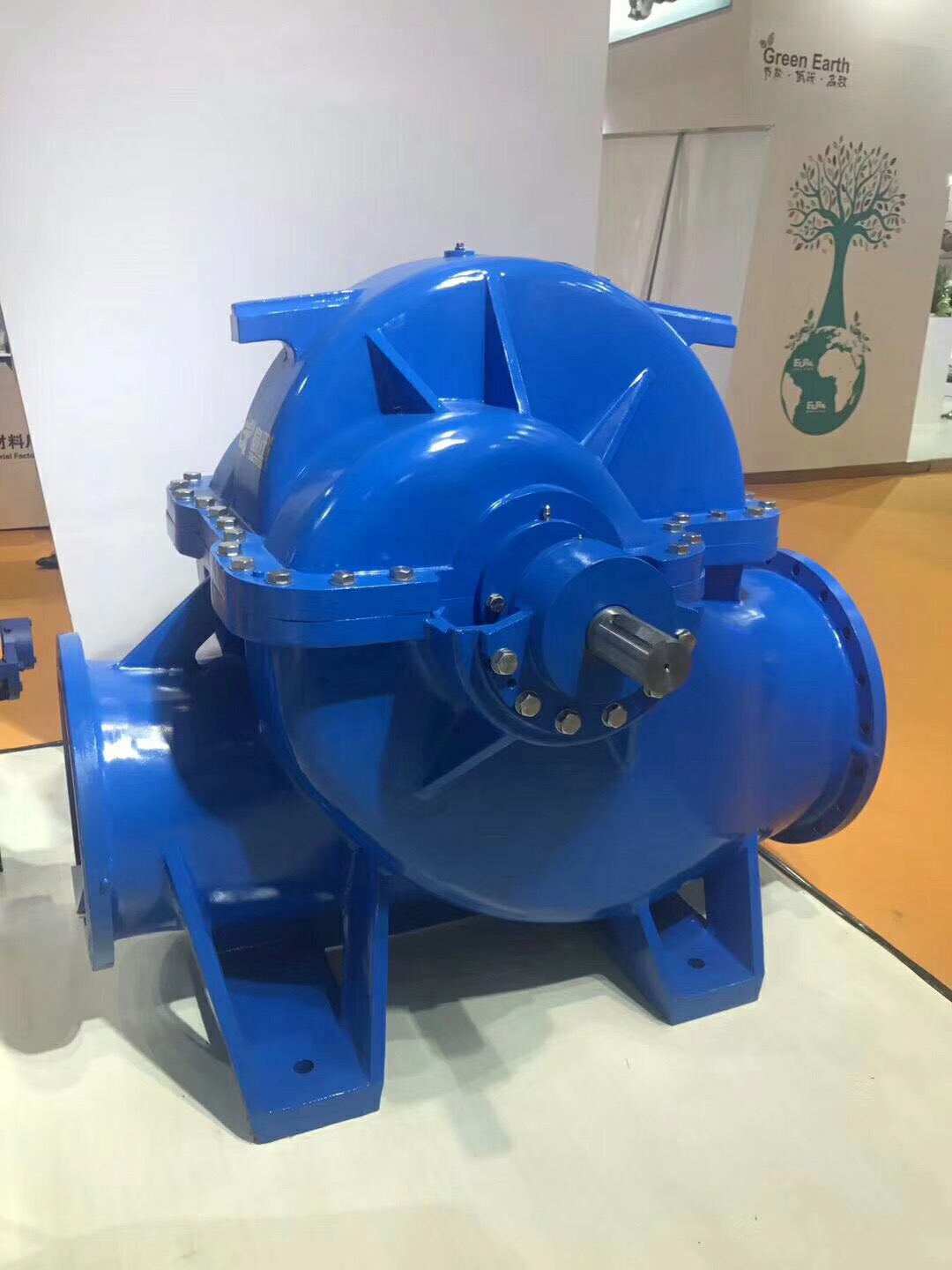
High chrome slurry pumps are critical components in numerous industrial processes, specifically designed for the demanding task of transporting abrasive and corrosive slurries. These pumps are positioned within the fluid handling sector, operating downstream of material processing (mining, dredging, wastewater treatment) and upstream of separation or disposal stages. They represent a substantial improvement over standard centrifugal pumps when dealing with high solids content and aggressive media. The core performance characteristics – flow rate, head pressure, and solids handling capability – are defined by the pump’s impeller design, casing material, and sealing system. A key pain point in the industry is balancing pump longevity with operational efficiency; selecting a pump capable of withstanding the slurry’s physical and chemical attack without excessive power consumption or frequent downtime. High chrome alloy construction is pivotal to mitigating these challenges, extending service life and reducing total cost of ownership.
Material Science & Manufacturing
The core material driving the performance of these pumps is high chrome cast iron, typically containing between 15% and 35% chromium by weight. Chromium imparts exceptional abrasion resistance through the formation of hard chromium carbides during the casting process. The base iron matrix is often a nickel-molybdenum alloyed gray iron, optimizing for both wear resistance and impact toughness. Manufacturing begins with precise pattern making for the casting process. The molten metal is carefully poured into molds, with controlled cooling rates critical for minimizing residual stresses and ensuring uniform carbide distribution. Following casting, the pump casings and impellers undergo heat treatment – typically normalizing and tempering – to further refine the microstructure. Impeller manufacturing often involves sand casting, followed by machining to precise dimensional tolerances. Key parameters controlled during manufacturing include the chemical composition of the alloy, cooling rate during solidification, heat treatment temperatures and durations, and final machining accuracy. Welding processes, such as shielded metal arc welding (SMAW) or gas tungsten arc welding (GTAW), are utilized for joining components, requiring qualified welders and adherence to strict welding procedures to maintain material integrity and prevent weld-induced cracking.
Performance & Engineering
Performance analysis of high chrome slurry pumps focuses on hydraulic efficiency, wear resistance, and mechanical reliability. Force analysis involves calculating the stresses induced by slurry impact, centrifugal forces from impeller rotation, and fluid pressure within the pump casing. Cavitation is a primary concern; it occurs when the absolute pressure within the pump falls below the vapor pressure of the slurry, forming vapor bubbles that collapse and cause pitting damage to the impeller. Pump design incorporates features to minimize cavitation, such as optimized impeller geometry and adequate suction head. Environmental resistance is critical, particularly in corrosive environments. The chromium content provides excellent resistance to many acids and alkalis, but specific chemical compatibility must be verified based on the slurry composition. Compliance requirements vary by region and application. ATEX certification is often necessary for pumps operating in potentially explosive atmospheres. Mechanical seals are crucial for preventing slurry leakage and protecting bearings. Common seal types include mechanical seals with tungsten carbide faces and elastomer O-rings, selected for their compatibility with the slurry. Proper seal flushing is essential to remove abrasive particles and maintain seal integrity. The pump’s performance curve – illustrating flow rate versus head pressure – is a fundamental engineering tool for selecting the appropriate pump size and operating conditions.
Technical Specifications
| Parameter | Unit | Typical Value (A27 Alloy) | Typical Value (A49 Alloy) |
|---|---|---|---|
| Maximum Solids Handling | mm | 75 | 50 |
| Maximum Slurry Density | kg/m³ | 1400 | 1600 |
| Impeller Material | - | High Chrome A27 | High Chrome A49 |
| Casing Material | - | High Chrome A27 | High Chrome A49 |
| Maximum Head | m | 60 | 80 |
| Maximum Flow Rate | m³/hr | 400 | 300 |
Failure Mode & Maintenance
Common failure modes in high chrome slurry pumps include abrasive wear of the impeller and casing, corrosion damage to metallic components, mechanical seal failure, and bearing failure. Abrasive wear is the most prevalent, resulting in gradual material loss due to the impact of solid particles. Cavitation erosion can accelerate wear, creating pitting and localized damage. Corrosion can occur in highly acidic or alkaline slurries, leading to material degradation and reduced pump efficiency. Mechanical seal failure typically stems from abrasive particle intrusion, chemical incompatibility, or improper seal flushing. Bearing failure can result from inadequate lubrication, excessive load, or misalignment. Preventative maintenance is crucial for maximizing pump lifespan. This includes regular visual inspections for wear and corrosion, monitoring of vibration levels, lubrication of bearings, and replacement of worn components. Scheduled impeller and casing replacement is essential, with the frequency determined by the slurry’s abrasiveness and the pump’s operating conditions. Thorough root cause analysis of failures is recommended to identify underlying problems and prevent recurrence. Non-destructive testing methods, such as ultrasonic testing and radiography, can be used to detect cracks or defects in critical components before they lead to catastrophic failure.
Industry FAQ
Q: What is the primary benefit of using a high chrome slurry pump compared to a standard centrifugal pump for abrasive slurries?
A: The primary benefit is significantly extended service life. High chrome alloys offer superior abrasion resistance, minimizing wear rates and reducing the frequency of impeller and casing replacements. Standard centrifugal pumps would experience rapid degradation when handling abrasive materials, leading to frequent downtime and increased maintenance costs.
Q: How does the chromium content affect the pump’s resistance to corrosion?
A: Increasing chromium content enhances the pump’s resistance to corrosion, particularly against acids and alkalis. Chromium forms a passive oxide layer on the metal surface, protecting it from corrosive attack. However, the specific chemical compatibility needs to be verified based on the composition of the slurry. Certain highly aggressive chemicals may require specialized alloy selections.
Q: What are the key considerations when selecting a mechanical seal for a high chrome slurry pump?
A: Key considerations include the abrasive particle size, slurry chemistry, and operating pressure. Mechanical seals with tungsten carbide faces and elastomer O-rings are commonly used, but the specific materials must be compatible with the slurry. Proper seal flushing is crucial to remove abrasive particles and maintain seal integrity. Double mechanical seals with a barrier fluid can provide enhanced protection in demanding applications.
Q: What maintenance practices are most critical for maximizing the lifespan of a high chrome slurry pump?
A: Regular visual inspections, vibration monitoring, proper lubrication of bearings, and scheduled impeller/casing replacement are essential. Monitoring for cavitation, ensuring adequate seal flushing, and performing root cause analysis of failures are also critical. A proactive maintenance program can significantly reduce downtime and extend pump life.
Q: What is the typical service life expectancy of a high chrome slurry pump impeller in a moderately abrasive application?
A: The service life expectancy varies significantly depending on the slurry’s abrasiveness, particle size distribution, and operating conditions. In a moderately abrasive application, a high chrome impeller can typically operate for 12-24 months before requiring replacement. However, in highly abrasive applications, the service life may be reduced to 6-12 months.
Conclusion
High chrome slurry pumps represent a robust and reliable solution for handling abrasive and corrosive slurries across a wide range of industrial applications. The careful selection of materials, precision manufacturing processes, and adherence to rigorous engineering principles are paramount to achieving optimal performance and longevity. Understanding the failure modes and implementing a proactive maintenance program are equally critical for minimizing downtime and maximizing the return on investment.
The continued evolution of high chrome alloy compositions and pump designs will likely focus on further enhancing wear resistance, improving hydraulic efficiency, and reducing environmental impact. The integration of advanced monitoring and diagnostic technologies will also play a key role in optimizing pump performance and extending service life, ultimately driving down operational costs and improving process reliability.
-
Effluent vs Sump Pump Performance Analysis
News2026-05-22
-
effluent septic pump Performance Engineering
News2026-05-22
-
best sewer pumps Performance Engineering
News2026-05-22
-
best sewer pump Performance Analysis
News2026-05-22
-
best sewage pumps Performance Engineering
News2026-05-22
-
basement bathroom sewage pump Material Science Manufacturing
News2026-05-21
-
wastewater treatment plant pumps Material Science Manufacturing
News2026-05-21
-
waste water pump for basement Material Science Manufacturing
News2026-05-21
-
sump pump sewage Performance Analysis
News2026-05-21
-
sump pump for sewage Material Science and Manufacturing
News2026-05-21
-
sump pump for septic systems Material Science Manufacturing
News2026-05-20
-
sump pump and ejector pump Material Science Manufacturing
News2026-05-20
-
sewage treatment plant pumps Performance Analysis
News2026-05-20
-
sewage tank pump Material Science and Manufacturing
News2026-05-20
-
sewage pump for septic tank Performance Analysis
News2026-05-20




