English
- Afrikaans
- Albanian
- Amharic
- Arabic
- Armenian
- Azerbaijani
- Basque
- Belarusian
- Bengali
- Bosnian
- Bulgarian
- Catalan
- Cebuano
- Corsican
- Croatian
- Czech
- Danish
- Dutch
- English
- Esperanto
- Estonian
- Finnish
- French
- Frisian
- Galician
- Georgian
- German
- Greek
- Gujarati
- Haitian Creole
- hausa
- hawaiian
- Hebrew
- Hindi
- Miao
- Hungarian
- Icelandic
- igbo
- Indonesian
- irish
- Italian
- Japanese
- Javanese
- Kannada
- kazakh
- Khmer
- Rwandese
- Korean
- Kurdish
- Kyrgyz
- Lao
- Latin
- Latvian
- Lithuanian
- Luxembourgish
- Macedonian
- Malgashi
- Malay
- Malayalam
- Maltese
- Maori
- Marathi
- Mongolian
- Myanmar
- Nepali
- Norwegian
- Norwegian
- Occitan
- Pashto
- Persian
- Polish
- Portuguese
- Punjabi
- Romanian
- Russian
- Samoan
- Scottish Gaelic
- Serbian
- Sesotho
- Shona
- Sindhi
- Sinhala
- Slovak
- Slovenian
- Somali
- Spanish
- Sundanese
- Swahili
- Swedish
- Tagalog
- Tajik
- Tamil
- Tatar
- Telugu
- Thai
- Turkish
- Turkmen
- Ukrainian
- Urdu
- Uighur
- Uzbek
- Vietnamese
- Welsh
- Bantu
- Yiddish
- Yoruba
- Zulu

Telephone: +86 13120555503
Email: frank@cypump.com


Apr . 01, 2024 17:55 Back to list
high chrome slurry pump factories Performance Analysis
Introduction
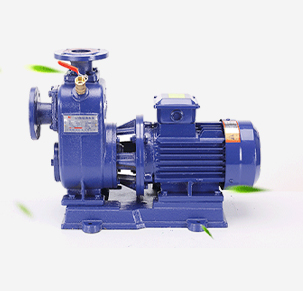
High chrome slurry pumps are centrifugal pumps specifically designed for the arduous task of transporting abrasive, erosive, and corrosive slurries. Positioned critically within the mining, mineral processing, chemical processing, and wastewater treatment industries, these pumps represent a substantial capital investment and a key component in process efficiency. Their core performance characteristics – flow rate, head, and solids handling capability – are determined by the material selection, hydraulic design, and operational parameters. The industry faces persistent challenges regarding pump component wear life, energy consumption, and total cost of ownership, driving demand for pumps utilizing advanced chrome alloys and optimized impeller designs. Unlike standard centrifugal pumps, high chrome slurry pumps incorporate hardened materials and design features to mitigate the effects of abrasion and erosion, leading to extended operational lifespans in demanding applications. Proper selection and maintenance are crucial to maximize return on investment and minimize downtime.
Material Science & Manufacturing
The core material of high chrome slurry pumps is typically a high-chromium cast iron alloy, typically containing between 15% to 35% chromium by weight. The chromium content is paramount; it forms hard chromium carbides (Cr3C2 and Cr7C3) during the casting process. These carbides are exceptionally resistant to abrasive wear. Other alloying elements, such as molybdenum, nickel, and manganese, are added to enhance toughness, corrosion resistance, and weldability. Raw material quality control is essential, with stringent specifications for chemical composition and carbide distribution. The manufacturing process begins with pattern making followed by sand casting, utilizing techniques like shell molding or investment casting for complex impeller geometries. Critical parameters during casting include cooling rate, pouring temperature, and mold composition to control microstructure and carbide morphology. Subsequent heat treatment – typically austempering or normalizing – further refines the microstructure and optimizes hardness. Impellers and volute casings often undergo welding processes for repairs or modifications. Welding procedures must be carefully controlled to avoid creating heat-affected zones that compromise wear resistance. Finally, components undergo rigorous quality inspections, including dimensional checks, hardness testing (Rockwell C scale), and microstructural analysis to ensure compliance with standards. Liners, commonly made of rubber or polyurethane, are also incorporated to protect pump casings from corrosion and erosion, often applied through vulcanization or bonding processes.
Performance & Engineering
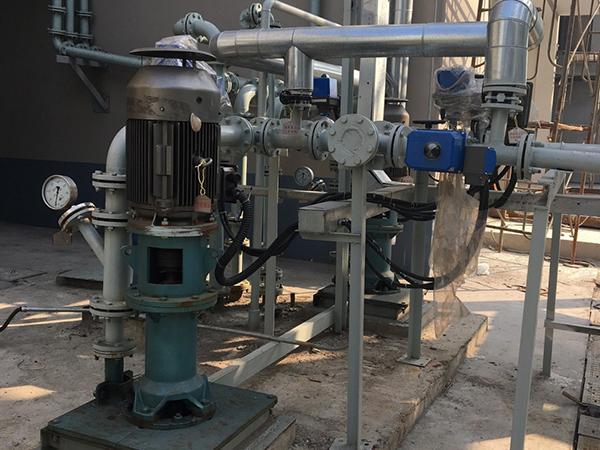
The performance of high chrome slurry pumps is fundamentally governed by the principles of fluid dynamics and wear mechanics. Force analysis focuses on predicting the erosive wear rates on pump components, considering slurry velocity, particle size distribution, particle hardness, and impact angle. Impeller design is critical; a recessed impeller design is common, reducing the risk of clogging and minimizing the direct impact of abrasive particles. Volute casing geometry is optimized to maximize hydraulic efficiency and minimize turbulence. Pump performance curves, defining head, flow rate, and power consumption as functions of slurry characteristics, are generated through rigorous hydraulic testing conforming to ISO 9906 standards. Environmental resistance is paramount, especially in corrosive applications. Material selection must account for the slurry’s pH, temperature, and chemical composition. Pumps handling acidic or alkaline slurries often require specialized coatings or alloys with enhanced corrosion resistance. Compliance requirements vary by region and application. For example, pumps used in the mining industry must comply with safety regulations like MSHA (Mine Safety and Health Administration) standards in the United States. Functional implementation requires careful consideration of system hydraulics, suction lift limitations, and discharge piping design to prevent cavitation and ensure stable operation. Proper pump alignment is also critical to minimize bearing wear and vibration.
Technical Specifications
| Parameter | Unit | Typical Range (Standard Duty) | Typical Range (Heavy Duty) |
|---|---|---|---|
| Flow Rate | m3/h | 5 - 500 | 100 - 1500 |
| Head | m | 10 - 80 | 40 - 200 |
| Solids Handling Size | mm | ≤ 25 | ≤ 75 |
| Slurry Concentration (Weight %) | % | Up to 60 | Up to 80 |
| Operating Temperature | °C | -20 to 80 | -30 to 120 |
| Casing Material | - | High Chrome Cast Iron | Duplex Stainless Steel / High Chrome Alloy |
Failure Mode & Maintenance
High chrome slurry pumps are susceptible to several failure modes. Erosion and abrasion are the most common, particularly on the impeller, volute casing, and diffuser. This manifests as material loss, leading to decreased pump performance and increased clearances. Fatigue cracking can occur in components subjected to cyclic loading, especially around stress concentrators. Corrosion, induced by the slurry's chemical composition, can lead to pitting, intergranular corrosion, and ultimately, component failure. Cavitation, caused by low suction pressure, generates shock waves that erode pump surfaces. Mechanical failures, such as bearing failure or seal leakage, can also occur. Maintenance strategies should be proactive. Regular inspections for wear, corrosion, and vibration are crucial. Impeller and casing replacements are inevitable, but can be minimized through proper slurry management and pump operation. Bearing lubrication schedules must be strictly adhered to. Seal replacement should be performed preventatively. Condition monitoring techniques, such as vibration analysis and oil analysis, can detect early signs of failure. For heavy abrasive slurries, consider the use of wear-resistant liners and coatings. Root cause failure analysis (RCFA) is essential after any significant failure to identify the underlying cause and implement corrective actions. Implementing a preventative maintenance program based on operating hours and slurry characteristics is vital for maximizing pump lifespan and minimizing downtime.
Industry FAQ
Q: What is the primary advantage of using a high chrome slurry pump over a standard centrifugal pump for abrasive slurries?
A: The primary advantage is significantly improved wear resistance. High chrome cast iron alloys contain hard chromium carbides that provide exceptional resistance to abrasion and erosion, extending pump life dramatically when handling abrasive slurries compared to standard materials like cast iron or steel. This translates to reduced maintenance costs and increased uptime.
Q: How does impeller design impact the performance and lifespan of a high chrome slurry pump?
A: Impeller design is critical. Recessed impellers are generally preferred for abrasive slurries as they reduce the direct impact of particles, minimizing wear. The impeller vane angle and width also influence pump efficiency and solids handling capability. Optimized impeller geometry minimizes turbulence and reduces the energy required to move the slurry.
Q: What are the common causes of cavitation in slurry pumps and how can it be prevented?
A: Cavitation is typically caused by insufficient Net Positive Suction Head Available (NPSHA) compared to the Net Positive Suction Head Required (NPSHR) by the pump. Other causes include excessive slurry viscosity, high pump speed, and obstructions in the suction line. Prevention involves ensuring adequate suction pressure, minimizing suction line losses, reducing pump speed, and maintaining a clean suction line.
Q: What maintenance practices are most effective for extending the life of a high chrome slurry pump?
A: Regular inspections for wear and corrosion are essential. Maintaining proper lubrication of bearings, replacing seals preventatively, and monitoring vibration levels are crucial. Implementing a preventative maintenance schedule based on operating hours and slurry characteristics will significantly extend pump life. Analyzing wear patterns can identify areas for improvement in slurry management or pump operation.
Q: How do different slurry characteristics (particle size, concentration, and chemical composition) affect pump selection and maintenance?
A: Slurry characteristics directly influence pump selection and maintenance. Larger particle sizes and higher concentrations increase abrasive wear, requiring pumps with harder materials and more robust designs. Corrosive slurries necessitate the use of corrosion-resistant alloys or coatings. The chemical composition dictates the appropriate material selection to prevent chemical attack. Understanding these characteristics is fundamental for optimizing pump performance and lifespan.
Conclusion
High chrome slurry pumps are vital components in industries dealing with abrasive and erosive slurries. Their performance and longevity hinge on a sophisticated interplay between material science, hydraulic design, and diligent maintenance. The selection of appropriate chrome alloy compositions, optimized impeller geometries, and adherence to rigorous manufacturing processes are crucial for maximizing wear resistance and minimizing operational costs.
Continued advancements in materials science, coupled with sophisticated monitoring and diagnostic techniques, will further enhance the performance and reliability of these critical pumps. Focusing on proactive maintenance strategies, utilizing condition monitoring tools, and conducting thorough root cause failure analysis will prove paramount in ensuring the efficient and cost-effective operation of high chrome slurry pump systems in demanding industrial applications.
-
Effluent vs Sump Pump Performance Analysis
News2026-05-22
-
effluent septic pump Performance Engineering
News2026-05-22
-
best sewer pumps Performance Engineering
News2026-05-22
-
best sewer pump Performance Analysis
News2026-05-22
-
best sewage pumps Performance Engineering
News2026-05-22
-
basement bathroom sewage pump Material Science Manufacturing
News2026-05-21
-
wastewater treatment plant pumps Material Science Manufacturing
News2026-05-21
-
waste water pump for basement Material Science Manufacturing
News2026-05-21
-
sump pump sewage Performance Analysis
News2026-05-21
-
sump pump for sewage Material Science and Manufacturing
News2026-05-21
-
sump pump for septic systems Material Science Manufacturing
News2026-05-20
-
sump pump and ejector pump Material Science Manufacturing
News2026-05-20
-
sewage treatment plant pumps Performance Analysis
News2026-05-20
-
sewage tank pump Material Science and Manufacturing
News2026-05-20
-
sewage pump for septic tank Performance Analysis
News2026-05-20




