English
- Afrikaans
- Albanian
- Amharic
- Arabic
- Armenian
- Azerbaijani
- Basque
- Belarusian
- Bengali
- Bosnian
- Bulgarian
- Catalan
- Cebuano
- Corsican
- Croatian
- Czech
- Danish
- Dutch
- English
- Esperanto
- Estonian
- Finnish
- French
- Frisian
- Galician
- Georgian
- German
- Greek
- Gujarati
- Haitian Creole
- hausa
- hawaiian
- Hebrew
- Hindi
- Miao
- Hungarian
- Icelandic
- igbo
- Indonesian
- irish
- Italian
- Japanese
- Javanese
- Kannada
- kazakh
- Khmer
- Rwandese
- Korean
- Kurdish
- Kyrgyz
- Lao
- Latin
- Latvian
- Lithuanian
- Luxembourgish
- Macedonian
- Malgashi
- Malay
- Malayalam
- Maltese
- Maori
- Marathi
- Mongolian
- Myanmar
- Nepali
- Norwegian
- Norwegian
- Occitan
- Pashto
- Persian
- Polish
- Portuguese
- Punjabi
- Romanian
- Russian
- Samoan
- Scottish Gaelic
- Serbian
- Sesotho
- Shona
- Sindhi
- Sinhala
- Slovak
- Slovenian
- Somali
- Spanish
- Sundanese
- Swahili
- Swedish
- Tagalog
- Tajik
- Tamil
- Tatar
- Telugu
- Thai
- Turkish
- Turkmen
- Ukrainian
- Urdu
- Uighur
- Uzbek
- Vietnamese
- Welsh
- Bantu
- Yiddish
- Yoruba
- Zulu

Telephone: +86 13120555503
Email: frank@cypump.com


Apr . 01, 2024 17:55 Back to list
high chrome a05 slurry pump volute liner Performance Analysis
Introduction
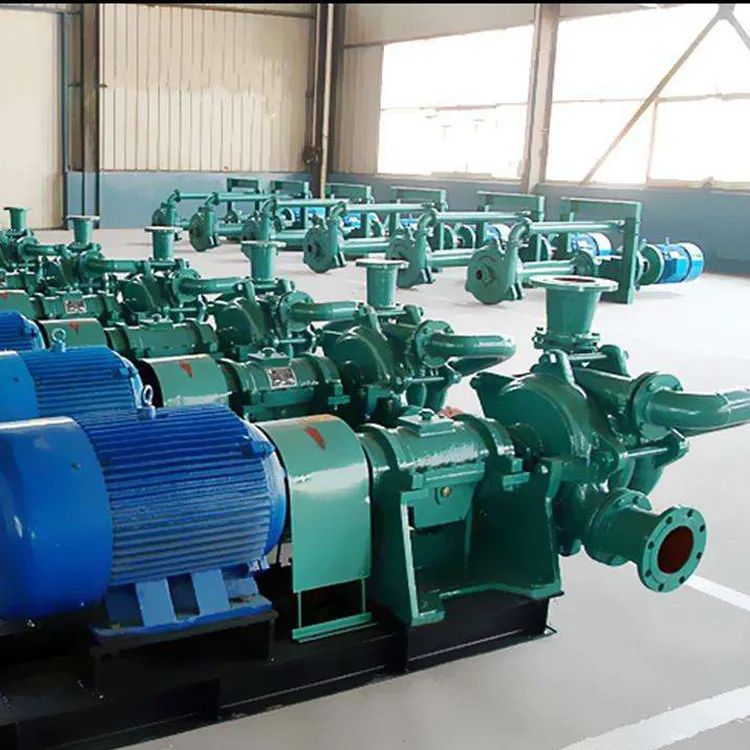
High chrome A05 slurry pump volute liners are critical wear components within centrifugal slurry pumps, specifically engineered to protect the pump casing from abrasive and erosive damage caused by the pumped media. Positioned within the pump’s volute, these liners extend pump life and maintain hydraulic efficiency. The ‘A05’ designation typically refers to a specific chrome content and manufacturing process focused on maximizing abrasion resistance. They are predominantly utilized in heavy-duty applications such as mining, mineral processing, dredging, and industrial waste management where handling highly abrasive slurries is common. Core performance characteristics include resistance to abrasive wear, impact resistance, and the ability to maintain dimensional stability under continuous slurry flow. The selection of the appropriate liner material and profile is essential for optimizing pump performance and minimizing Total Cost of Ownership (TCO).
Material Science & Manufacturing
The primary material for high chrome A05 volute liners is high-chromium white iron, typically containing 15-30% chromium, along with varying amounts of nickel, molybdenum, and other alloying elements. The chromium content is paramount; it forms hard chromium carbides (Cr7C3) during heat treatment, providing exceptional abrasion resistance. The base iron matrix is intentionally made hard and brittle. Manufacturing begins with careful selection of raw materials to ensure consistent chemical composition. The liners are commonly produced via casting processes – sand casting, investment casting, or centrifugal casting – depending on the desired complexity and precision. After casting, a critical heat treatment process is employed, involving austenitizing followed by quenching and tempering. This heat treatment develops the characteristic hard carbide structure and refines the matrix microstructure. Post-heat treatment, liners undergo rigorous quality control, including hardness testing (typically exceeding 60 HRC), microstructural analysis to verify carbide distribution, and dimensional inspection to ensure compliance with design specifications. Welding is generally avoided on wear surfaces as it can compromise the hardened structure. Any necessary repairs are typically done using specialized welding rods designed for high-chrome alloys, followed by re-heat treatment of the weld area. Parameter control during casting (cooling rate, mold composition) and heat treatment (temperature, holding time, quenching medium) are crucial to achieving optimal wear performance.
Performance & Engineering
The performance of a high chrome A05 volute liner is fundamentally tied to its ability to withstand the erosive and abrasive forces exerted by the slurry. Force analysis considers both impact forces from solid particles and the shear stress created by the slurry flow. The volute liner’s geometry is designed to minimize turbulence and optimize flow patterns, reducing localized wear. Environmental resistance is a key consideration, specifically in corrosive slurry environments. While high chrome iron possesses inherent corrosion resistance due to the chromium content, prolonged exposure to aggressive chemicals (acids, alkalis) can lead to surface corrosion, reducing the effectiveness of the wear-resistant carbides. Compliance requirements depend on the application. For example, in mining operations, liners must meet safety standards related to material integrity and fracture toughness. Functional implementation involves precise fitting of the liner to the pump casing, ensuring a tight seal to prevent leakage and maintain hydraulic efficiency. The liner profile is engineered to match the impeller’s discharge characteristics, minimizing energy losses and maximizing pump performance. Computational Fluid Dynamics (CFD) modeling is frequently used to optimize liner geometry and predict wear patterns under various operating conditions. Regular inspection and monitoring of liner wear are essential to prevent catastrophic pump failure and maintain optimal performance. Liner thickness is a critical design parameter, balancing wear life with weight and cost considerations.
Technical Specifications
| Material Composition | Hardness (HRC) | Chromium Content (%) | Impact Resistance (Charpy V-notch, J) |
|---|---|---|---|
| High Chrome White Iron (e.g., ASTM A532 Grade 1) | 60-68 | 15-30 | 15-25 (Typical range, varies with alloy) |
| Nickel Content (%) | Molybdenum Content (%) | Tensile Strength (MPa) | Elongation (%) |
| 0-5 (typically) | 0-2 (typically) | 300-500 (approximate) | <5 (brittle material) |
| As-Cast Density (g/cm3) | Roughness (Ra, µm) | Maximum Particle Size Compatibility (mm) | Operating Temperature Range (°C) |
| 7.2-7.8 | <3.2 (typically ground finish) | Up to 75 (depending on slurry composition) | -30 to 150 |
| Wear Rate (mm/year, approximate) | Corrosion Resistance (ASTM B117 Salt Spray Test, hours) | Liner Weight (kg, example for a specific size) | Wall Thickness (mm, typical range) |
Failure Mode & Maintenance
High chrome A05 volute liners are susceptible to several failure modes. Abrasive wear is the most common, resulting from the constant impact of solid particles. This leads to gradual material loss and thinning of the liner. Impact cracking can occur due to large particle impacts or sudden pressure surges, initiating cracks that propagate through the brittle material. Corrosion, particularly in acidic or alkaline slurries, can undermine the chromium carbides, accelerating wear. Fatigue cracking can develop under cyclic loading conditions, especially at stress concentration points. Delamination, a separation of the hardened surface layer from the substrate, can occur due to thermal stresses or manufacturing defects. Oxidation at elevated temperatures can also contribute to material degradation. Maintenance involves regular visual inspections to detect wear patterns, cracks, and corrosion. Non-destructive testing methods like ultrasonic testing or dye penetrant inspection can identify subsurface cracks. Liners should be replaced when the remaining wall thickness falls below a critical threshold (typically 50% of the original thickness) to prevent catastrophic failure. Preventive maintenance includes optimizing slurry flow rates, minimizing the concentration of abrasive particles, and implementing corrosion inhibitors when appropriate. Proper storage of spare liners is essential to prevent corrosion during long-term storage.
Industry FAQ
Q: What is the impact of slurry velocity on the wear life of a high chrome A05 liner?
A: Increased slurry velocity exponentially increases the rate of abrasive wear. Higher velocities lead to greater impact energy from solid particles and increased erosion from the slurry flow. Maintaining optimal slurry velocity within the pump’s design parameters is crucial for maximizing liner life. This often involves adjusting pump speed or impeller diameter.
Q: How does the chemical composition of the slurry affect liner selection and performance?
A: Highly corrosive slurries can significantly reduce liner life. Strong acids or bases can attack the chromium carbides, diminishing their wear resistance. For corrosive environments, consider alternative liner materials with superior corrosion resistance, or implement corrosion inhibitors. The pH level and the presence of specific chemical compounds must be carefully evaluated.
Q: What is the optimal replacement strategy for volute liners – scheduled replacement or condition monitoring?
A: A combination of both is generally recommended. Scheduled replacement provides a baseline maintenance interval, but condition monitoring using techniques like ultrasonic thickness gauging allows for data-driven decisions. This approach optimizes liner utilization and prevents unexpected failures. The frequency of condition monitoring should be based on the severity of the application and the rate of wear.
Q: What are the key considerations when choosing between different manufacturing processes (sand casting, centrifugal casting) for volute liners?
A: Centrifugal casting generally produces denser, more uniform liners with improved mechanical properties and reduced porosity compared to sand casting. However, centrifugal casting is typically more expensive and limited to simpler geometries. Sand casting is more versatile for complex shapes but requires careful process control to minimize defects.
Q: How can I mitigate the risk of impact cracking in highly abrasive slurries containing large particles?
A: Reducing the size of the abrasive particles through upstream screening or classification can significantly mitigate impact cracking. Optimizing the liner geometry to distribute impact forces more evenly and using a thicker liner can also increase resistance to impact damage. Implementing flow control measures to prevent localized high-velocity impacts is also important.
Conclusion
High chrome A05 volute liners represent a critical component in slurry pump systems designed for demanding abrasive applications. Their performance is intrinsically linked to the material's inherent abrasion resistance, achieved through carefully controlled casting and heat treatment processes. Selecting the appropriate liner based on slurry composition, particle size distribution, flow velocity, and operating temperature is paramount for maximizing pump life and minimizing operational costs.
Looking forward, advancements in materials science will likely focus on developing new high-chromium alloys with improved toughness and corrosion resistance. Furthermore, the integration of predictive maintenance strategies, leveraging data analytics and condition monitoring, will enable proactive liner replacement, optimizing overall system reliability and reducing downtime. Continuous refinement of liner geometry through computational modeling and field testing will also play a vital role in enhancing performance and extending service life.
-
sump pump for septic systems Material Science Manufacturing
News2026-05-20
-
sump pump and ejector pump Material Science Manufacturing
News2026-05-20
-
sewage treatment plant pumps Performance Analysis
News2026-05-20
-
sewage tank pump Material Science and Manufacturing
News2026-05-20
-
sewage pump for septic tank Performance Analysis
News2026-05-20
-
Sewage Pump and Tank Performance Analysis
News2026-05-19
-
Sewage Ejector Pump Replacement Performance Analysis
News2026-05-19
-
sewage ejector pump for basement bathroom Material Science Manufacturing
News2026-05-19
-
sewage ejection pump Material Science and Manufacturing
News2026-05-19
-
in line sewage pump Performance Analysis
News2026-05-19
-
effluent sump pump Performance Analysis
News2026-05-18
-
best grinder pump for sewage Performance Engineering
News2026-05-18
-
basement waste water pump Performance Engineering
News2026-05-18
-
sump pump sewer Performance Analysis
News2026-05-18
-
sump pump for sewer Performance Analysis
News2026-05-18




