English
- Afrikaans
- Albanian
- Amharic
- Arabic
- Armenian
- Azerbaijani
- Basque
- Belarusian
- Bengali
- Bosnian
- Bulgarian
- Catalan
- Cebuano
- Corsican
- Croatian
- Czech
- Danish
- Dutch
- English
- Esperanto
- Estonian
- Finnish
- French
- Frisian
- Galician
- Georgian
- German
- Greek
- Gujarati
- Haitian Creole
- hausa
- hawaiian
- Hebrew
- Hindi
- Miao
- Hungarian
- Icelandic
- igbo
- Indonesian
- irish
- Italian
- Japanese
- Javanese
- Kannada
- kazakh
- Khmer
- Rwandese
- Korean
- Kurdish
- Kyrgyz
- Lao
- Latin
- Latvian
- Lithuanian
- Luxembourgish
- Macedonian
- Malgashi
- Malay
- Malayalam
- Maltese
- Maori
- Marathi
- Mongolian
- Myanmar
- Nepali
- Norwegian
- Norwegian
- Occitan
- Pashto
- Persian
- Polish
- Portuguese
- Punjabi
- Romanian
- Russian
- Samoan
- Scottish Gaelic
- Serbian
- Sesotho
- Shona
- Sindhi
- Sinhala
- Slovak
- Slovenian
- Somali
- Spanish
- Sundanese
- Swahili
- Swedish
- Tagalog
- Tajik
- Tamil
- Tatar
- Telugu
- Thai
- Turkish
- Turkmen
- Ukrainian
- Urdu
- Uighur
- Uzbek
- Vietnamese
- Welsh
- Bantu
- Yiddish
- Yoruba
- Zulu

Telephone: +86 13120555503
Email: frank@cypump.com


Apr . 01, 2024 17:55 Back to list
hh slurry pump Performance and Engineering
Introduction
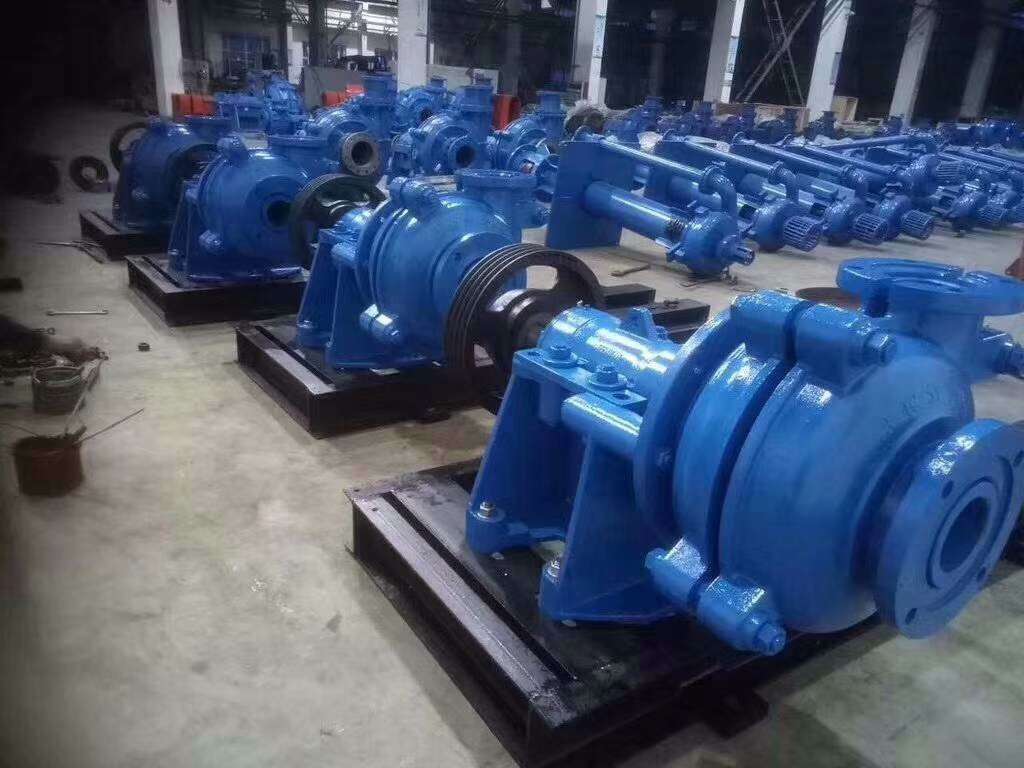
HH slurry pumps are positive displacement pumps designed for the demanding task of transporting abrasive or dense slurries. Positioned within the industrial fluid handling chain between process generation and discharge/treatment, they serve vital roles in mining, wastewater treatment, chemical processing, and dredging. Unlike centrifugal pumps which excel in high-volume, low-viscosity fluid transfer, HH slurry pumps are characterized by their ability to maintain flow rate irrespective of discharge pressure, making them ideal for applications requiring consistent throughput despite changing system resistance. Core performance metrics for these pumps revolve around solids handling capability (measured in particle size and concentration), abrasion resistance (linked to impeller and liner material selection), and volumetric efficiency – the ratio of actual fluid delivered to theoretical displacement. A significant industry pain point is premature wear caused by improper material selection for specific slurry chemistries and solids compositions, leading to frequent downtime and maintenance.
Material Science & Manufacturing
The construction of HH slurry pumps relies heavily on materials engineered to withstand the corrosive and abrasive nature of transported slurries. Pump housings are commonly manufactured from high-chromium cast iron (typically 27% Cr), offering exceptional abrasion resistance. Impellers are often constructed from similar high-chromium alloys, or alternatively, from specialized white iron alloys, possessing extremely high hardness but lower toughness. Elastomeric liners, frequently composed of natural rubber, synthetic rubbers (like EPDM or nitrile), or polyurethane, are critical components, providing a cushioning layer between the abrasive slurry and the metallic pump casing. Manufacturing processes begin with sand casting for the major housing components. Critical dimensions are maintained through subsequent machining operations. Impellers utilize investment casting for complex geometries and tight tolerances. Liners are often produced via compression molding. A crucial parameter in liner manufacturing is durometer – the measure of rubber hardness, impacting abrasion resistance and sealing capability. Welding processes, employing shielded metal arc welding (SMAW) or gas tungsten arc welding (GTAW), are used for repairs and modifications. Post-weld heat treatment is essential to relieve stresses and maintain material properties. Quality control focuses on material certification (chemical analysis), hardness testing, and non-destructive testing (NDT) such as radiographic inspection to detect internal flaws.
Performance & Engineering
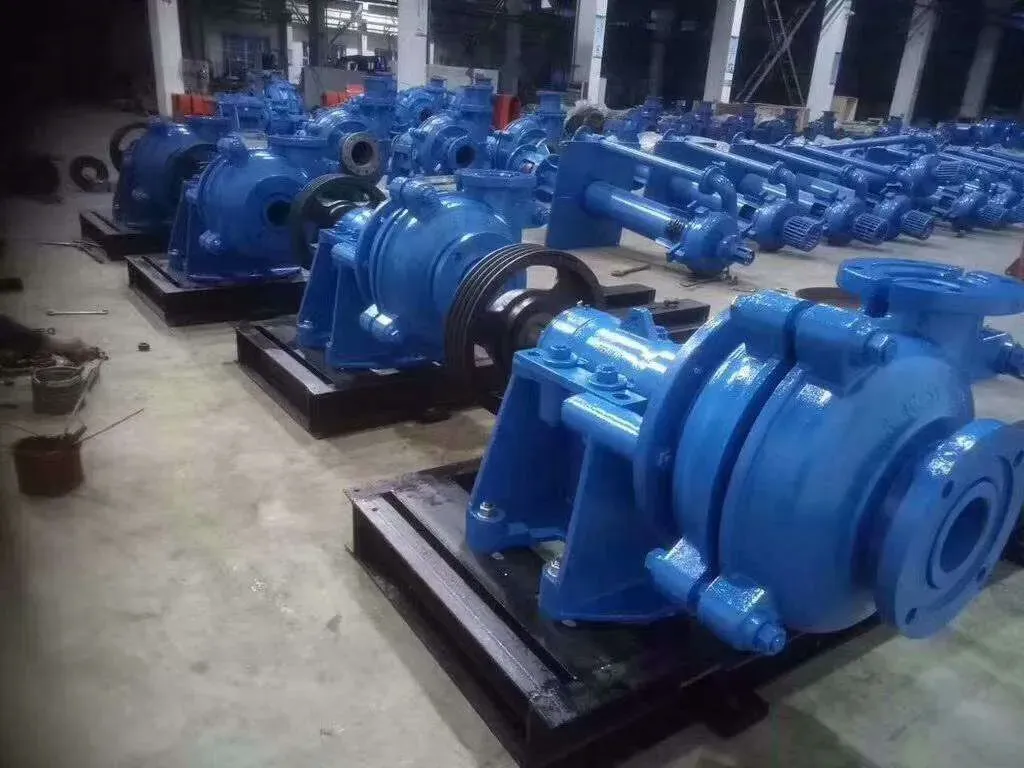
The performance of HH slurry pumps is dictated by several key engineering considerations. Hydraulic design focuses on minimizing internal velocities to reduce erosion and turbulence. This often involves large flow passages and optimized impeller geometry. Force analysis is crucial, accounting for the hydrostatic pressure of the slurry, the centrifugal forces generated by the rotating impeller, and the dynamic loads induced by solid particle impacts. Bearing selection is paramount – typically utilizing heavy-duty roller bearings or hydrodynamic bearings capable of supporting the radial and axial loads. Shaft design requires careful consideration of torsional stress and bending moments. Environmental resistance is addressed through appropriate sealing systems to prevent leakage and contamination. Mechanical seals, employing ceramic or tungsten carbide faces, are frequently used. Compliance requirements vary by region and application. For instance, pumps handling materials in food processing applications must meet 3A Sanitary Standards. Pumps used in hazardous locations require ATEX certification (Europe) or Class I, Division 1/2 compliance (North America). Pump selection necessitates calculating the required head (pressure) and flow rate based on the system's total dynamic head (TDH), accounting for friction losses in piping, elevation changes, and the desired discharge rate.
Technical Specifications
| Parameter | Unit | Typical Range (Small Pump) | Typical Range (Large Pump) |
|---|---|---|---|
| Discharge Capacity | GPM (US) | 5 - 50 | 100 - 500 |
| Maximum Head | ft | 50 - 150 | 200 - 400 |
| Maximum Solids Size | in | 0.5 - 1.5 | 2 - 6 |
| Slurry Concentration (Max) | % by weight | 30 - 50 | 60 - 80 |
| Pump Speed | RPM | 180 - 360 | 360 - 720 |
| Power Requirement | HP | 2 - 10 | 20 - 100 |
Failure Mode & Maintenance
HH slurry pumps are susceptible to several failure modes. Impeller wear, primarily caused by erosion from solid particle impact, is a common issue. Liner degradation, stemming from abrasion and chemical attack, reduces pump efficiency and increases noise levels. Shaft bending or breakage can occur due to excessive loads or material fatigue. Mechanical seal failures, leading to leakage, are often attributed to abrasive particles damaging the seal faces or improper seal installation. Cavitation, although less frequent than in centrifugal pumps, can still occur under specific operating conditions (low NPSHa). Failure analysis often involves visual inspection, dye penetrant testing to detect cracks, and metallographic analysis to assess material microstructure and wear patterns. Preventive maintenance is critical. Regular inspections of liners and impellers should be performed, and components replaced proactively. Lubrication of bearings must be maintained according to manufacturer recommendations. Monitoring pump vibration levels can indicate bearing wear or impeller imbalance. Proper slurry selection and control of slurry velocity are essential to minimize erosion. Periodic replacement of wear parts, such as liners, impellers, and mechanical seals, is a standard maintenance practice. The frequency of replacement depends on the severity of the slurry and operating conditions.
Industry FAQ
Q: What material selection criteria are most critical when handling highly acidic slurries?
A: When handling highly acidic slurries, the primary material consideration is corrosion resistance. While high-chromium cast iron provides abrasion resistance, it's susceptible to acid attack. Alloy steels containing molybdenum and nickel, or alternatively, specialized polymers like PTFE or PVDF for liners, are preferred. The specific alloy or polymer must be verified for compatibility with the exact acid concentration and temperature.
Q: How does the pump’s NPSH requirement relate to slurry composition and flow rate?
A: NPSH (Net Positive Suction Head) available must always exceed the pump’s NPSH required. Slurry composition significantly impacts NPSHr, as higher solids content and viscosity increase friction losses, reducing the available pressure at the pump inlet. Increased flow rates also demand higher NPSHr. Inadequate NPSH can lead to cavitation, reducing pump efficiency and causing damage.
Q: What are the advantages of using rubber liners over metallic liners in abrasive slurry applications?
A: Rubber liners offer superior abrasion resistance, particularly when handling fine particles. They also dampen noise and vibration. Metallic liners are generally more durable and resistant to high temperatures and chemical attack, but provide less cushioning against abrasive wear. The choice depends on the specific slurry characteristics and operating conditions.
Q: What are the typical maintenance intervals for a slurry pump operating continuously with a 40% solids concentration?
A: With continuous operation and a high solids concentration, frequent inspection is crucial. Liners should be inspected monthly and replaced every 6-12 months, depending on wear rate. Impellers may require replacement every 12-18 months. Mechanical seals should be checked quarterly and replaced as needed (typically every 6-12 months). Bearing lubrication should be monitored weekly.
Q: How do you determine the appropriate pump size for a new slurry application?
A: Pump sizing requires a detailed analysis of the system. Determine the required flow rate and total dynamic head (TDH). Consider the slurry density, viscosity, and solids concentration. Account for elevation changes and friction losses in the piping. Select a pump with a performance curve that meets these requirements, ensuring it operates within its optimal efficiency range.
Conclusion
HH slurry pumps represent a critical component in numerous industrial processes demanding reliable transfer of abrasive and dense fluids. Their specialized design, incorporating robust materials and hydraulic optimization, allows them to overcome the challenges presented by demanding slurry applications. Proper material selection, meticulous maintenance, and a thorough understanding of operating principles are essential to maximize pump lifespan and minimize downtime.
Looking ahead, advancements in materials science – such as the development of even harder and more corrosion-resistant alloys – will further enhance the performance and longevity of these pumps. Furthermore, incorporating predictive maintenance technologies, leveraging sensor data and machine learning algorithms, will enable proactive identification of potential failures, reducing unplanned outages and optimizing operational efficiency. Understanding the nuances of slurry pump technology is paramount for ensuring process reliability and minimizing life cycle costs.
-
pump for sewage water Performance Analysis
News2026-05-23
-
plumbing sewage ejector pump Performance Engineering
News2026-05-23
-
home sewer pump station Performance and Engineering
News2026-05-23
-
high pressure sump pump Performance Analysis
News2026-05-23
-
high head effluent pump Performance Analysis
News2026-05-23
-
Effluent vs Sump Pump Performance Analysis
News2026-05-22
-
effluent septic pump Performance Engineering
News2026-05-22
-
best sewer pumps Performance Engineering
News2026-05-22
-
best sewer pump Performance Analysis
News2026-05-22
-
best sewage pumps Performance Engineering
News2026-05-22
-
basement bathroom sewage pump Material Science Manufacturing
News2026-05-21
-
wastewater treatment plant pumps Material Science Manufacturing
News2026-05-21
-
waste water pump for basement Material Science Manufacturing
News2026-05-21
-
sump pump sewage Performance Analysis
News2026-05-21
-
sump pump for sewage Material Science and Manufacturing
News2026-05-21




