English
- Afrikaans
- Albanian
- Amharic
- Arabic
- Armenian
- Azerbaijani
- Basque
- Belarusian
- Bengali
- Bosnian
- Bulgarian
- Catalan
- Cebuano
- Corsican
- Croatian
- Czech
- Danish
- Dutch
- English
- Esperanto
- Estonian
- Finnish
- French
- Frisian
- Galician
- Georgian
- German
- Greek
- Gujarati
- Haitian Creole
- hausa
- hawaiian
- Hebrew
- Hindi
- Miao
- Hungarian
- Icelandic
- igbo
- Indonesian
- irish
- Italian
- Japanese
- Javanese
- Kannada
- kazakh
- Khmer
- Rwandese
- Korean
- Kurdish
- Kyrgyz
- Lao
- Latin
- Latvian
- Lithuanian
- Luxembourgish
- Macedonian
- Malgashi
- Malay
- Malayalam
- Maltese
- Maori
- Marathi
- Mongolian
- Myanmar
- Nepali
- Norwegian
- Norwegian
- Occitan
- Pashto
- Persian
- Polish
- Portuguese
- Punjabi
- Romanian
- Russian
- Samoan
- Scottish Gaelic
- Serbian
- Sesotho
- Shona
- Sindhi
- Sinhala
- Slovak
- Slovenian
- Somali
- Spanish
- Sundanese
- Swahili
- Swedish
- Tagalog
- Tajik
- Tamil
- Tatar
- Telugu
- Thai
- Turkish
- Turkmen
- Ukrainian
- Urdu
- Uighur
- Uzbek
- Vietnamese
- Welsh
- Bantu
- Yiddish
- Yoruba
- Zulu

Telephone: +86 13120555503
Email: frank@cypump.com


Apr . 01, 2024 17:55 Back to list
heavyduty slurry pump Performance Analysis
Introduction
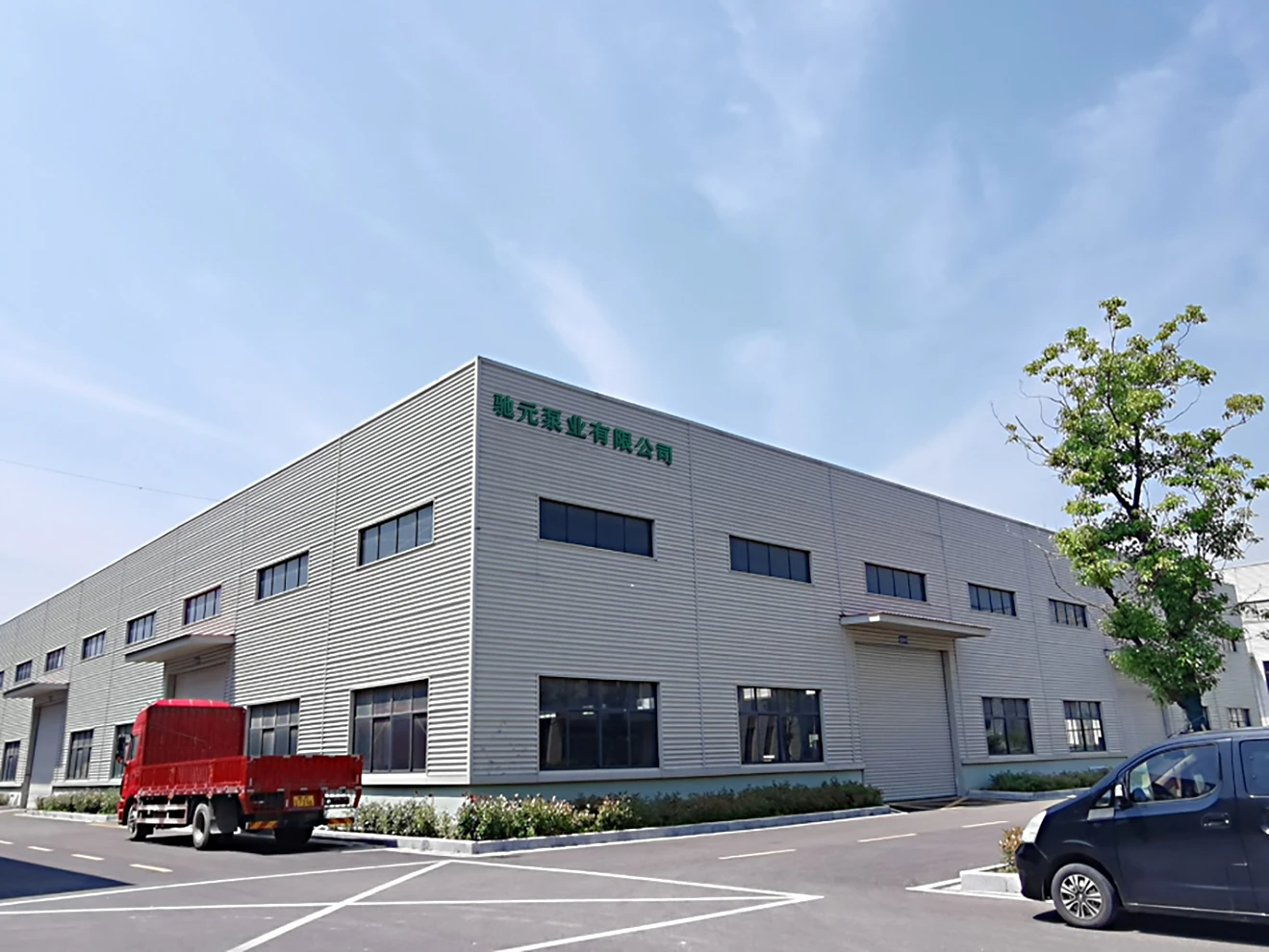
Heavy-duty slurry pumps are engineered to efficiently transport abrasive, corrosive, and high-solids content fluids. Positioned within the mining, wastewater treatment, dredging, and chemical processing industries, these pumps represent a critical component for material handling. Their technical position lies between initial material extraction/processing and downstream refining or disposal stages. Core performance characteristics include volumetric flow rate (typically measured in gallons per minute or cubic meters per hour), differential head (expressed in feet or meters), solids handling capability (percentage by weight or diameter of maximum particle size), and abrasion resistance, all of which dictate their suitability for specific applications. A key industry pain point is balancing pump longevity with operational efficiency. Traditional pump designs often suffer from rapid wear in abrasive environments, leading to frequent downtime and maintenance. Modern heavy-duty slurry pumps address this with advanced materials, impeller designs, and sealing systems to mitigate wear and maximize service life.
Material Science & Manufacturing
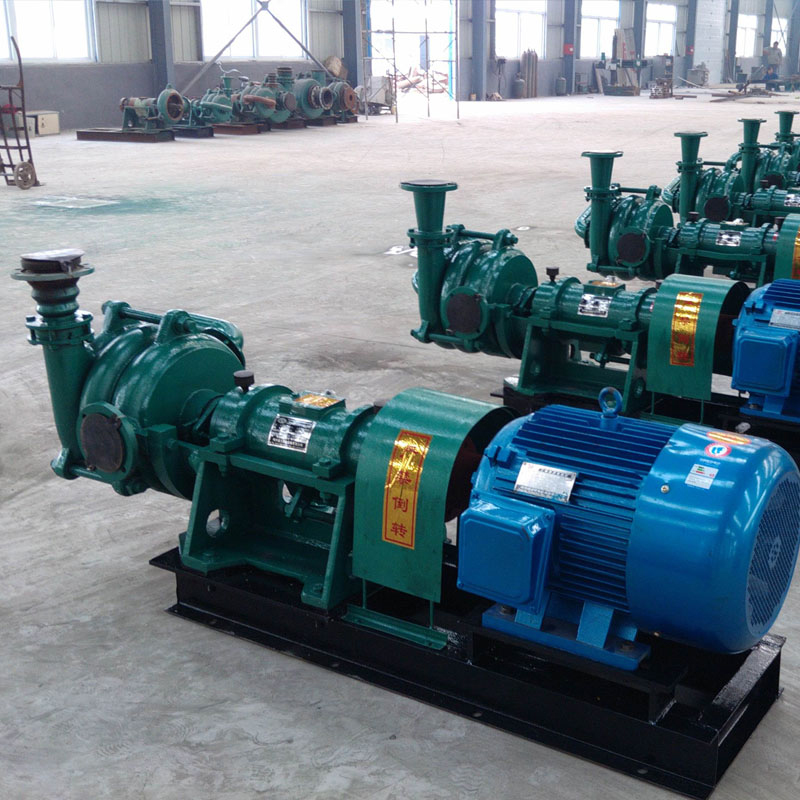
The construction of heavy-duty slurry pumps relies heavily on materials chosen for their resistance to abrasion, corrosion, and impact. Casing materials frequently include high-chrome cast iron (ASTM A532 Grade 1 Class 30) offering exceptional hardness and wear resistance against solid particle erosion. Alternatively, stainless steels (304, 316, or duplex stainless steels) are employed for handling highly corrosive slurries. Impellers are typically constructed from similar materials, often utilizing a hardened alloy or incorporating rubber linings for enhanced impact resistance. Elastomer materials, like natural rubber or synthetic polymers (polyurethane), are utilized for liners and seals to provide cushioning and leak prevention.
Manufacturing processes vary based on component complexity. Casings are often produced via sand casting or investment casting, demanding precise control of alloy composition and solidification rates to minimize defects. Impellers are commonly manufactured using centrifugal casting, producing dense, homogenous structures optimized for fluid dynamics and erosion resistance. Welding processes, particularly shielded metal arc welding (SMAW) and gas tungsten arc welding (GTAW), are critical for joining casing components and repairing wear surfaces. Parameters such as weld current, voltage, and travel speed must be tightly controlled to ensure weld integrity and prevent stress cracking. Shafts are typically machined from high-strength alloy steel and undergo rigorous quality control, including non-destructive testing (NDT) methods like magnetic particle inspection (MPI) and ultrasonic testing (UT) to detect flaws. Post-manufacturing, pumps undergo hydrostatic testing to verify pressure containment and performance validation testing to confirm adherence to specifications.
Performance & Engineering
Performance analysis of heavy-duty slurry pumps centers on hydraulic efficiency, power consumption, and wear resistance. Force analysis involves evaluating the radial and axial loads imposed on the impeller and shaft due to fluid flow and solids impact. Impeller design plays a crucial role in minimizing these loads. Optimized impeller geometry (e.g., vaned diffusers, open impeller designs) reduces turbulence and pressure pulsations, extending bearing life. Environmental resistance is paramount, particularly concerning temperature extremes, humidity, and exposure to corrosive atmospheres. Pump seals are engineered to prevent leakage and ingress of contaminants, utilizing mechanical seals with various face materials (e.g., silicon carbide, tungsten carbide) and elastomer o-rings selected based on the slurry composition. Compliance requirements dictate adherence to industry standards like API 610 (Centrifugal Pumps) and hydraulic institute standards. Considerations include pump curve validation, noise level testing, and vibration analysis. Furthermore, proper pump selection is critical; oversized pumps consume excess energy, while undersized pumps experience accelerated wear due to increased flow velocity and solids concentration. Net Positive Suction Head Required (NPSHr) calculations are vital to prevent cavitation, a significant cause of pump failure. The pump’s efficiency is highly dependent on the slurry’s rheological properties; higher viscosity and solids concentration require increased power input.
Technical Specifications
| Parameter | Unit | Typical Range (Standard Duty) | Typical Range (Heavy Duty) |
|---|---|---|---|
| Flow Rate | GPM (US) | 50 - 500 | 200 - 1500 |
| Head | ft | 50 - 200 | 150 - 600 |
| Solids Handling Size | inches | Up to 1 | Up to 3 |
| Slurry Concentration (Weight %) | % | Up to 20 | Up to 70 |
| Casing Material | - | Cast Iron (A532 Grade 1) | High Chrome Alloy / Stainless Steel |
| Impeller Material | - | Cast Iron (A532 Grade 1) | High Chrome Alloy / Rubber Lined |
Failure Mode & Maintenance
Common failure modes in heavy-duty slurry pumps include abrasive wear of the impeller and casing, erosion corrosion, cavitation, bearing failure, and seal leakage. Abrasive wear is a primary concern, particularly with hard particles impacting surfaces at high velocity. This manifests as gradual material loss, altering impeller geometry and reducing pump efficiency. Erosion corrosion occurs when corrosive fluids accelerate abrasive wear. Cavitation, caused by vapor bubble collapse due to insufficient NPSH, leads to pitting and erosion of impeller vanes. Bearing failure often stems from inadequate lubrication, contamination, or excessive radial loads. Seal leakage can arise from seal wear, improper installation, or shaft misalignment.
Preventative maintenance is crucial. Regular inspection of impeller and casing wear is essential, utilizing techniques like visual inspection, dimensional measurements, and non-destructive testing (e.g., ultrasonic thickness testing). Lubrication schedules must be strictly adhered to, employing appropriate grease types. Seal replacement should be performed proactively based on run time or performance degradation. Vibration analysis can detect bearing wear or misalignment early on. Flush lines for seals should be routinely inspected for blockages. When repairing pumps, proper welding procedures and heat treatment are critical to restore material properties. Replacing worn components with upgraded materials (e.g., hardened alloys) can extend pump life. Implementing a robust solids removal system upstream of the pump can significantly reduce abrasive wear.
Industry FAQ
Q: What are the key considerations when selecting a slurry pump for a high-solids content application?
A: The key considerations are the solids concentration (weight %), particle size distribution, particle shape (angularity), slurry specific gravity, and the slurry's erosive and corrosive properties. Selecting a pump with a large internal flow area and a robust impeller design is crucial. Consider using a pump with replaceable wear parts in critical areas.
Q: How does impeller design impact pump efficiency and wear life?
A: Impeller design directly influences hydraulic efficiency and solids handling capability. Open impellers are generally better suited for handling solids, while closed impellers offer higher efficiency with clean fluids. Impeller vane angle and width affect flow velocity and wear rates. Using hardened impeller materials and incorporating wear-resistant coatings can extend impeller life.
Q: What are the common causes of cavitation in slurry pumps, and how can it be prevented?
A: Cavitation is primarily caused by insufficient Net Positive Suction Head Available (NPSHa) relative to the Net Positive Suction Head Required (NPSHr) by the pump. Other causes include high fluid velocity, excessive suction lift, and blockage in the suction line. Prevention involves ensuring adequate suction head, minimizing suction line losses, and operating the pump within its designed flow range.
Q: What is the role of mechanical seals in slurry pump applications, and what types are commonly used?
A: Mechanical seals prevent leakage of the slurry from the pump casing. Common seal types include single mechanical seals, double mechanical seals (with a barrier fluid), and cartridge seals. Seal material selection is crucial, with silicon carbide, tungsten carbide, and various elastomers used based on the slurry’s chemical compatibility and abrasive properties.
Q: How can vibration analysis be used for preventative maintenance on slurry pumps?
A: Vibration analysis can detect early signs of bearing wear, misalignment, impeller imbalance, and cavitation. Monitoring vibration levels and frequency patterns allows for proactive maintenance interventions, preventing catastrophic failures and reducing downtime. Trend analysis helps identify deteriorating conditions and predict remaining useful life.
Conclusion
Heavy-duty slurry pumps are complex machines requiring careful consideration of material science, hydraulic design, and operational parameters. Selecting the appropriate pump for a specific application necessitates a thorough understanding of the slurry’s characteristics, the process requirements, and the potential failure modes. Optimizing pump performance and maximizing service life requires a proactive maintenance strategy incorporating regular inspections, lubrication, and component replacement.
Future advancements in slurry pump technology will likely focus on developing more abrasion-resistant materials, optimizing impeller designs using computational fluid dynamics (CFD), and incorporating smart sensors for real-time monitoring of pump performance and condition. These improvements will contribute to increased pump efficiency, reduced maintenance costs, and enhanced reliability in demanding industrial applications.
-
Effluent vs Sump Pump Performance Analysis
News2026-05-22
-
effluent septic pump Performance Engineering
News2026-05-22
-
best sewer pumps Performance Engineering
News2026-05-22
-
best sewer pump Performance Analysis
News2026-05-22
-
best sewage pumps Performance Engineering
News2026-05-22
-
basement bathroom sewage pump Material Science Manufacturing
News2026-05-21
-
wastewater treatment plant pumps Material Science Manufacturing
News2026-05-21
-
waste water pump for basement Material Science Manufacturing
News2026-05-21
-
sump pump sewage Performance Analysis
News2026-05-21
-
sump pump for sewage Material Science and Manufacturing
News2026-05-21
-
sump pump for septic systems Material Science Manufacturing
News2026-05-20
-
sump pump and ejector pump Material Science Manufacturing
News2026-05-20
-
sewage treatment plant pumps Performance Analysis
News2026-05-20
-
sewage tank pump Material Science and Manufacturing
News2026-05-20
-
sewage pump for septic tank Performance Analysis
News2026-05-20




