English
- Afrikaans
- Albanian
- Amharic
- Arabic
- Armenian
- Azerbaijani
- Basque
- Belarusian
- Bengali
- Bosnian
- Bulgarian
- Catalan
- Cebuano
- Corsican
- Croatian
- Czech
- Danish
- Dutch
- English
- Esperanto
- Estonian
- Finnish
- French
- Frisian
- Galician
- Georgian
- German
- Greek
- Gujarati
- Haitian Creole
- hausa
- hawaiian
- Hebrew
- Hindi
- Miao
- Hungarian
- Icelandic
- igbo
- Indonesian
- irish
- Italian
- Japanese
- Javanese
- Kannada
- kazakh
- Khmer
- Rwandese
- Korean
- Kurdish
- Kyrgyz
- Lao
- Latin
- Latvian
- Lithuanian
- Luxembourgish
- Macedonian
- Malgashi
- Malay
- Malayalam
- Maltese
- Maori
- Marathi
- Mongolian
- Myanmar
- Nepali
- Norwegian
- Norwegian
- Occitan
- Pashto
- Persian
- Polish
- Portuguese
- Punjabi
- Romanian
- Russian
- Samoan
- Scottish Gaelic
- Serbian
- Sesotho
- Shona
- Sindhi
- Sinhala
- Slovak
- Slovenian
- Somali
- Spanish
- Sundanese
- Swahili
- Swedish
- Tagalog
- Tajik
- Tamil
- Tatar
- Telugu
- Thai
- Turkish
- Turkmen
- Ukrainian
- Urdu
- Uighur
- Uzbek
- Vietnamese
- Welsh
- Bantu
- Yiddish
- Yoruba
- Zulu

Telephone: +86 13120555503
Email: frank@cypump.com


Apr . 01, 2024 17:55 Back to list
heavy duty submersible slurry pump Material Science Manufacturing
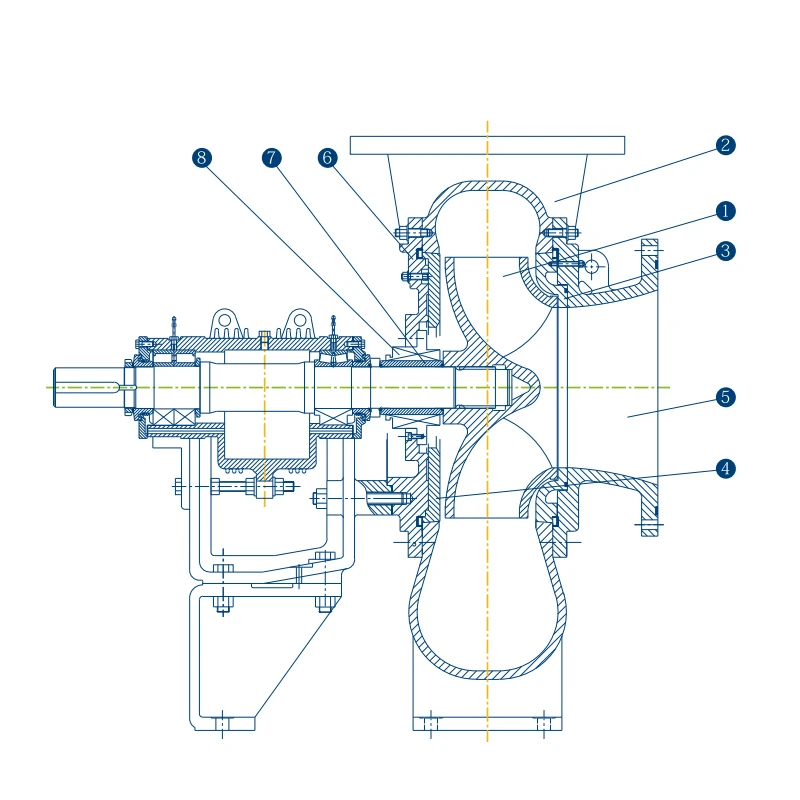
Introduction
Heavy duty submersible slurry pumps are critical components in numerous industrial processes involving the transport of abrasive or dense fluids. Positioned within the industry chain as a final-stage fluid handling device, they serve in applications ranging from mining and mineral processing to wastewater treatment, dredging, and chemical processing. Unlike surface-mounted pumps, submersible designs offer the advantage of direct immersion in the slurry, eliminating the need for suction lift and associated priming issues. Core performance characteristics are defined by flow rate (typically measured in gallons per minute or cubic meters per hour), head (the maximum height the pump can lift the slurry, expressed in feet or meters), solids handling capability (the maximum particle size and concentration the pump can process without clogging), and pump efficiency. A primary industry pain point is maintaining consistent performance in highly abrasive environments, necessitating robust materials and wear-resistant designs. Another significant challenge is mitigating the risk of motor burnout due to insufficient cooling or ingress of abrasive particles into the motor housing. Proper selection, installation, and maintenance are paramount to maximizing pump lifespan and minimizing downtime.
Material Science & Manufacturing
The construction of a heavy duty submersible slurry pump necessitates materials with exceptional resistance to abrasion, corrosion, and impact. Pump casings are commonly manufactured from high-chromium cast iron (typically containing 18-30% chromium), which offers superior hardness and wear resistance compared to standard cast iron. Impeller materials often include high-chromium alloys, hardened stainless steels (e.g., 304, 316, 403), or ceramic composites depending on the severity of the abrasive environment. Elastomeric components, such as liners and seals, utilize materials like natural rubber, nitrile rubber, or polyurethane to provide cushioning and sealing against the slurry. The pump shaft is typically constructed from high-strength alloy steel, heat-treated to enhance its tensile strength and torsional rigidity.
Manufacturing processes vary based on component complexity. Casings are often produced using sand casting or investment casting, followed by heat treatment and machining to achieve precise dimensions and smooth surface finishes. Impellers can be manufactured using centrifugal casting, which produces a dense, homogeneous structure with excellent wear resistance. Welding processes, such as shielded metal arc welding (SMAW) or gas tungsten arc welding (GTAW), are employed to join various pump components. Key parameter control during manufacturing includes maintaining accurate alloy compositions, controlling cooling rates during heat treatment to optimize material properties, and ensuring precise dimensional tolerances to guarantee proper fit and function. Surface hardening techniques, such as induction hardening, are frequently applied to impellers and liners to further enhance their wear resistance. Quality control inspections utilizing non-destructive testing methods (e.g., ultrasonic testing, radiographic inspection) are crucial for identifying internal flaws and ensuring structural integrity.
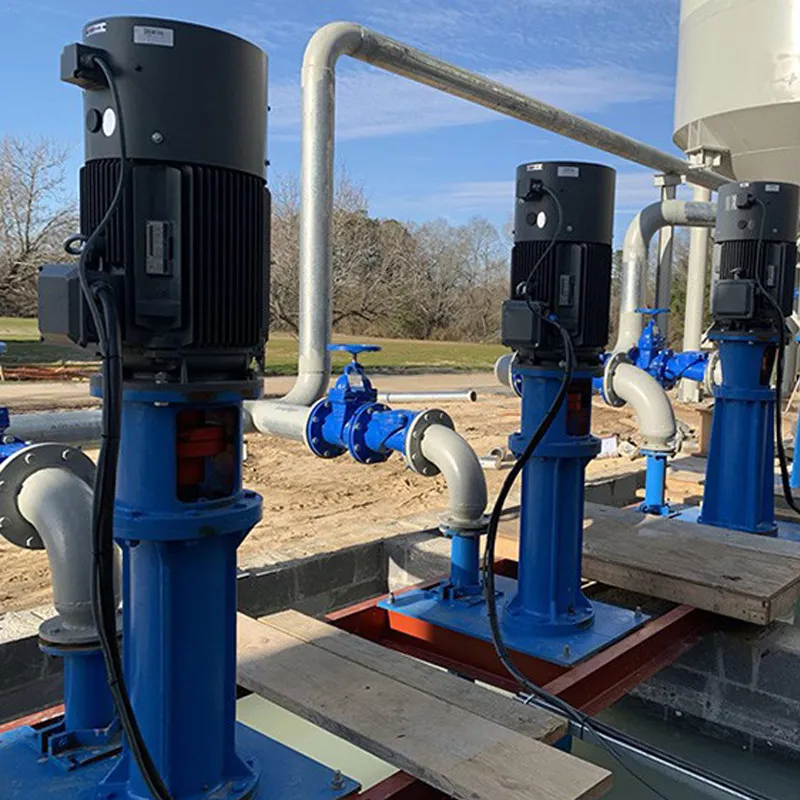
Performance & Engineering
The hydraulic performance of a submersible slurry pump is heavily influenced by impeller design, casing geometry, and the properties of the pumped slurry. Force analysis involves calculating the stresses exerted on the impeller and casing due to the fluid dynamic forces and the weight of the slurry. Finite element analysis (FEA) is frequently used to optimize impeller geometry and casing design, minimizing stress concentrations and maximizing hydraulic efficiency. Environmental resistance is a crucial consideration, particularly in corrosive environments. The selection of materials must account for the pH, temperature, and chemical composition of the slurry. Protective coatings, such as epoxy or ceramic linings, can be applied to the pump casing and impeller to enhance their corrosion resistance.
Compliance requirements vary depending on the application and geographic location. For example, pumps used in potable water applications must meet NSF/ANSI 61 standards for material safety. Pumps used in hazardous locations must comply with ATEX or IECEx standards for explosion protection. Functional implementation requires careful consideration of the pump's installation and control system. Variable frequency drives (VFDs) are often used to adjust the pump speed and flow rate, optimizing energy consumption and preventing clogging. Proper sealing arrangements are essential to prevent leakage and protect the motor from contamination. The design must also incorporate adequate cooling mechanisms to dissipate heat generated by the motor, typically utilizing the surrounding slurry as a coolant. Regular monitoring of pump performance parameters, such as discharge pressure, motor current, and vibration levels, is essential for detecting potential problems and preventing failures.
Technical Specifications
| Parameter | Unit | Typical Range | Notes |
|---|---|---|---|
| Flow Rate | GPM (US) | 50 - 1500 | Dependent on impeller diameter and pump speed |
| Total Dynamic Head | ft | 50 - 300 | Influenced by slurry density and viscosity |
| Solids Handling Size | in | Up to 4 | Maximum particle size pump can pass without clogging |
| Motor Power | HP | 10 - 200 | Determined by flow rate, head, and slurry specific gravity |
| Maximum Submergence Depth | ft | Up to 80 | Based on pump design and cable length |
| Casing Material | - | High-Chromium Cast Iron | Provides abrasion and corrosion resistance |
Failure Mode & Maintenance
Common failure modes in heavy duty submersible slurry pumps include impeller wear, casing erosion, seal failures, motor burnout, and bearing failures. Impeller wear is primarily caused by abrasive particles impacting the impeller vanes, leading to material loss and reduced pump efficiency. Casing erosion occurs due to the constant bombardment of abrasive particles, particularly at the inlet and discharge areas. Seal failures can result from abrasive particle intrusion, chemical attack, or mechanical wear, leading to leakage and potential motor damage. Motor burnout is often caused by overheating due to insufficient cooling, blocked cooling passages, or electrical faults. Bearing failures can occur due to overloading, improper lubrication, or contamination.
Preventative maintenance is crucial for maximizing pump lifespan. Regular inspections should include visual checks for wear, leakage, and corrosion. The pump should be disassembled periodically for a thorough inspection of internal components, including the impeller, casing, seals, and bearings. Worn or damaged parts should be replaced promptly. Lubrication of bearings is critical, and the type of lubricant should be selected based on the operating conditions and slurry composition. Cooling passages should be regularly cleaned to ensure adequate motor cooling. Electrical connections should be inspected for corrosion and tightness. Monitoring of pump performance parameters, such as discharge pressure, motor current, and vibration levels, can provide early warning signs of potential problems. Proper installation practices, including alignment and support, are essential for minimizing stress and vibration. Implementing a planned maintenance schedule based on operating hours or slurry volume pumped is highly recommended.
Industry FAQ
Q: What is the optimal impeller material for handling highly abrasive slurries containing silica?
A: For slurries containing high concentrations of silica, a high-chromium cast iron impeller with a minimum chromium content of 25% is generally recommended. Ceramic composites or tungsten carbide coatings can also provide enhanced wear resistance in extreme applications. The key is selecting a material with a high hardness and a microstructure that resists brittle fracture.
Q: How can I prevent motor burnout in a submersible slurry pump operating in a high-temperature environment?
A: Several strategies can mitigate motor burnout. Ensure adequate cooling by verifying unobstructed cooling passages and potentially utilizing a higher-efficiency motor. Consider using a motor with a higher temperature rating. Implementing a thermal overload protection system and monitoring motor winding temperatures are also critical steps. Regular inspection of the motor cooling jacket and ensuring proper slurry flow around the motor housing are essential.
Q: What is the typical lifespan of a submersible slurry pump liner before replacement is necessary?
A: Liner lifespan varies significantly based on the slurry's abrasiveness, concentration, and flow velocity. Typically, liners made of rubber or polyurethane may last from 6 months to 2 years in moderate applications. In highly abrasive environments, lifespan may be reduced to a few months. Regular inspections for wear and monitoring pump performance (e.g., flow rate, head) are crucial for determining when replacement is needed.
Q: What are the key considerations when selecting a submersible pump for a dredging application?
A: Key considerations include the solids concentration and size distribution of the dredged material, the required discharge head and flow rate, the water depth, and the presence of corrosive substances. The pump should be designed for handling large solids and capable of operating efficiently at the required head and flow. A robust agitator may be needed to prevent solids settling around the pump intake. Consideration of the pump's maneuverability and ease of deployment is also important.
Q: How do I troubleshoot a submersible slurry pump that is experiencing reduced flow rate and increased vibration?
A: Reduced flow rate and increased vibration often indicate impeller wear, casing erosion, or blockage within the pump. Inspect the impeller for wear or damage. Check for debris or buildup within the casing. Verify that the pump intake is not obstructed. Examine the bearings for signs of wear or damage. Monitor motor current to detect potential overloading. If the problem persists, consult with a qualified pump technician for further diagnosis and repair.
Conclusion
Heavy duty submersible slurry pumps represent a critical technology for handling abrasive and dense fluids in a wide range of industrial applications. Selecting the appropriate materials, understanding the manufacturing processes, and implementing a robust preventative maintenance program are essential for maximizing pump performance, minimizing downtime, and extending pump lifespan. The industry trend focuses on developing more wear-resistant materials, optimizing impeller designs for improved hydraulic efficiency, and integrating advanced monitoring systems for predictive maintenance.
Future advancements will likely center on the development of smart pumps equipped with sensors and data analytics capabilities, enabling remote monitoring, automated diagnostics, and optimized control strategies. Exploring novel materials, such as advanced ceramics and composite materials, will further enhance pump durability and performance in harsh environments. Continued refinement of impeller designs and casing geometries will contribute to increased hydraulic efficiency and reduced energy consumption.
-
Precision at the Pump: How Better Machining Protects Flow and Uptime
News2026-11-20
-
Why Pump Reliability Begins Before the First Drop of Fluid
News2026-11-20
-
Beyond the Pump: Designing Safer Access Around Critical Water Infrastructure
News2026-11-20
-
Why Pumping Stations Depend on the Infrastructure Beneath the Pumps
News2026-11-20
-
Beyond the Pump Room: How Smarter Loading Protects Industrial Equipment
News2026-11-19
-
When Pumps Stop: Designing More Resilient Power for Critical Pumping Systems
News2026-11-19
-
The Hidden Role of Dust and Gas Monitoring in Reliable Pump Operations
News2026-11-19
-
The Hidden Role of Mineral Compounds in Extending Industrial Pump Lifespan
News2026-10-12
-
Why Pump System Reliability Depends on Precision Hose Assembly Methods
News2026-09-15
-
How Advanced Imaging Films Are Transforming Pump Component Quality Control
News2026-08-25
-
How Advanced Filtration Protects Pump Systems from Premature Wear and Costly Downtime
News2026-08-25
-
How Steel Material Selection Drives Pump Reliability in Heavy-Duty Systems
News2026-08-25
-
Ensuring Pump System Efficiency: The Role of High-Quality Pipe Fittings and Tubing
News2026-08-24
-
Optimizing Fluid Dynamics and Material Consistency in Industrial Processing
News2026-08-18
-
Innovations and Challenges in Hydraulic Systems for Heavy Machinery
News2026-08-13




