English
- Afrikaans
- Albanian
- Amharic
- Arabic
- Armenian
- Azerbaijani
- Basque
- Belarusian
- Bengali
- Bosnian
- Bulgarian
- Catalan
- Cebuano
- Corsican
- Croatian
- Czech
- Danish
- Dutch
- English
- Esperanto
- Estonian
- Finnish
- French
- Frisian
- Galician
- Georgian
- German
- Greek
- Gujarati
- Haitian Creole
- hausa
- hawaiian
- Hebrew
- Hindi
- Miao
- Hungarian
- Icelandic
- igbo
- Indonesian
- irish
- Italian
- Japanese
- Javanese
- Kannada
- kazakh
- Khmer
- Rwandese
- Korean
- Kurdish
- Kyrgyz
- Lao
- Latin
- Latvian
- Lithuanian
- Luxembourgish
- Macedonian
- Malgashi
- Malay
- Malayalam
- Maltese
- Maori
- Marathi
- Mongolian
- Myanmar
- Nepali
- Norwegian
- Norwegian
- Occitan
- Pashto
- Persian
- Polish
- Portuguese
- Punjabi
- Romanian
- Russian
- Samoan
- Scottish Gaelic
- Serbian
- Sesotho
- Shona
- Sindhi
- Sinhala
- Slovak
- Slovenian
- Somali
- Spanish
- Sundanese
- Swahili
- Swedish
- Tagalog
- Tajik
- Tamil
- Tatar
- Telugu
- Thai
- Turkish
- Turkmen
- Ukrainian
- Urdu
- Uighur
- Uzbek
- Vietnamese
- Welsh
- Bantu
- Yiddish
- Yoruba
- Zulu

Telephone: +86 13120555503
Email: frank@cypump.com


Apr . 01, 2024 17:55 Back to list
heavy duty slurry pump Performance Analysis
Introduction
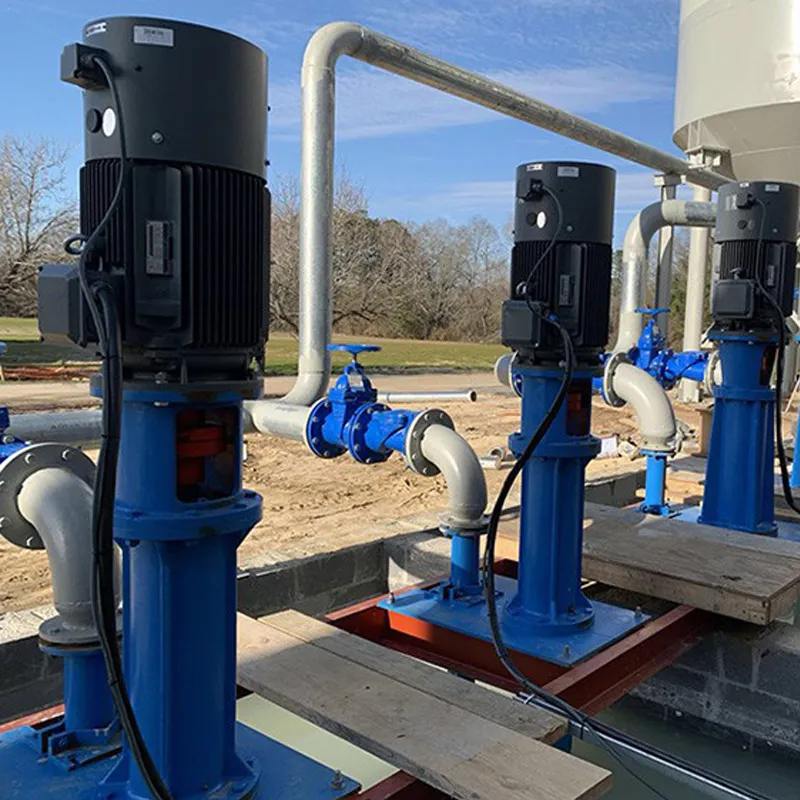
Heavy duty slurry pumps are engineered to efficiently transport abrasive and erosive fluids, commonly encountered in mining, mineral processing, wastewater treatment, and dredging applications. These pumps differ significantly from centrifugal pumps designed for clean liquids, incorporating robust designs and materials to withstand the harsh conditions imposed by slurries. Their technical position within the industry chain is critical; they represent a key component in material handling systems, directly impacting process efficiency and operational costs. Core performance characteristics include flow rate, head (pressure), solids handling capability, and wear resistance. The industry faces ongoing challenges regarding pump longevity in highly abrasive environments and the need for energy-efficient designs that minimize total cost of ownership. Optimized impeller design and material selection are paramount to addressing these concerns.
Material Science & Manufacturing
The construction of heavy duty slurry pumps relies heavily on specific material properties to resist wear, corrosion, and erosion. Common materials include high-chromium cast iron (typically 13-28% Cr) for components directly exposed to the slurry, offering excellent abrasion resistance due to the formation of hard chromium carbides. Pump housings are frequently manufactured from ductile iron (ASTM A536 65-45-12) providing high tensile strength and impact resistance. Impellers can be constructed from specialized alloys, such as 18% chromium - 8% nickel - 3% molybdenum stainless steel (316SS) for applications involving corrosive fluids. Manufacturing processes are equally crucial. Pump housings are typically produced via sand casting, allowing for complex geometries and efficient material utilization. Impellers are commonly cast or forged. Shaft sleeves and wear plates often undergo hardfacing with materials like tungsten carbide to extend service life. Critical parameter control during manufacturing includes precise machining tolerances to ensure proper clearances, heat treatment to optimize material hardness, and non-destructive testing (NDT) methods like radiography and ultrasonic testing to detect internal flaws. Welding processes, such as shielded metal arc welding (SMAW) and submerged arc welding (SAW), are employed for joining components, requiring qualified welders and stringent quality control procedures to ensure weld integrity. The liner materials such as rubber or polyurethane are bonded using vulcanization or adhesive technologies. Chemical compatibility between the slurry and the pump’s materials must be carefully considered during material selection to prevent accelerated corrosion or degradation.
Performance & Engineering
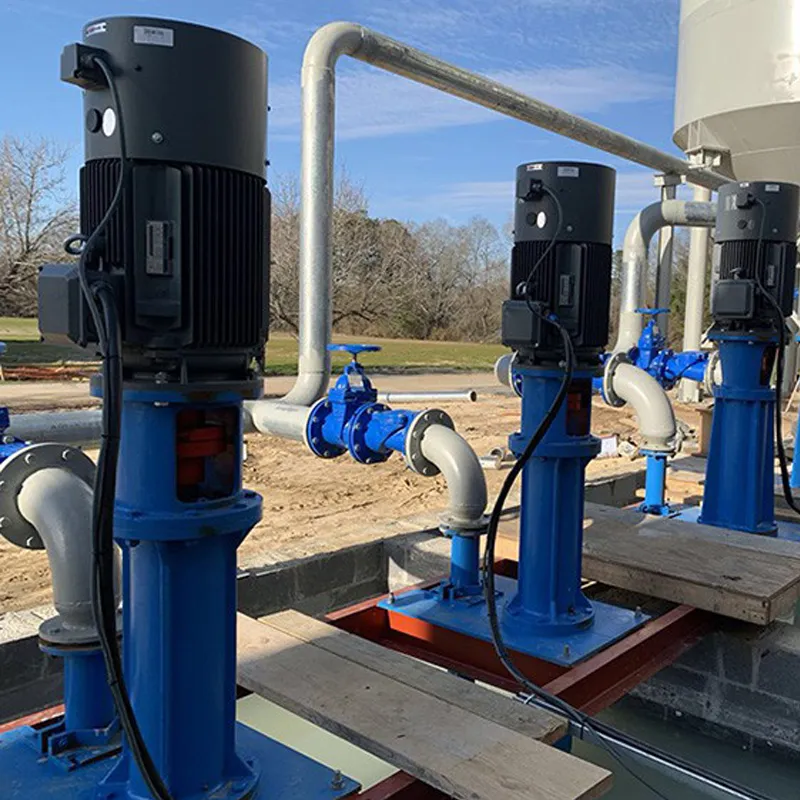
Performance of a heavy duty slurry pump is dictated by several key engineering principles. Hydraulic design focuses on maximizing efficiency while minimizing wear. Impeller geometry, specifically blade angle and width, is optimized to impart kinetic energy to the slurry without causing excessive turbulence or impact. Force analysis involves calculating the stresses induced by the slurry flow on the impeller, volute casing, and shaft. These calculations are crucial for determining component thicknesses and material selection. Environmental resistance is a critical consideration. Pumps operating in corrosive environments must utilize materials resistant to the specific chemical agents present in the slurry. For example, handling sulfuric acid requires specialized alloys or rubber linings. Compliance requirements vary depending on the application and geographic location. Pumps used in hazardous environments, such as mines, must comply with standards related to explosion protection (ATEX, IECEx). Pump efficiency is often measured using specific gravity testing and performance curves that map flow rate versus head and power consumption. The Net Positive Suction Head Required (NPSHr) is a critical parameter that must be considered to prevent cavitation, which can cause significant damage to the impeller and pump casing. Proper pump selection also involves considering the slurry’s particle size distribution and solids concentration, as these factors significantly impact pump performance and wear rates. Dynamic balancing of the impeller is essential to minimize vibration and extend bearing life. The pump’s mechanical seal design is another critical element, employing various seal arrangements (e.g., single mechanical seals, double mechanical seals) to prevent leakage and protect the bearings from slurry intrusion.
Technical Specifications
| Parameter | Unit | Typical Range (Small Pump) | Typical Range (Large Pump) |
|---|---|---|---|
| Flow Rate | m³/h | 5 - 50 | 200 - 1000 |
| Head | m | 10 - 30 | 50 - 150 |
| Maximum Solids Size | mm | 10 - 25 | 50 - 150 |
| Solids Concentration (by weight) | % | 10 - 30 | 30 - 70 |
| Pump Speed | rpm | 800 - 1800 | 600 - 1200 |
| Power | kW | 1.5 - 7.5 | 30 - 200 |
Failure Mode & Maintenance
Heavy duty slurry pumps are susceptible to several failure modes. Fatigue cracking can occur in the pump casing and impeller due to cyclic stresses induced by the slurry flow and pressure fluctuations. Erosion is a primary failure mechanism, particularly in areas with high slurry velocities, such as the impeller vanes and volute casing. Cavitation, caused by insufficient NPSH, can lead to pitting and erosion of the impeller. Wear of the pump shaft and bearings is common, exacerbated by abrasive particles and improper lubrication. Corrosion can occur when the slurry contains corrosive chemicals. Delamination of rubber or polyurethane liners can occur due to bonding failure or chemical attack. Preventative maintenance is crucial for extending pump life. Regular inspections should be conducted to identify signs of wear, erosion, or corrosion. Bearing lubrication should be checked and replenished according to the manufacturer’s recommendations. Impeller and casing wear should be monitored and components replaced when they reach a predetermined wear limit. Proper alignment of the pump and motor is essential to minimize vibration and bearing wear. Periodic performance monitoring, including flow rate, head, and power consumption, can help detect early signs of degradation. Implementing a comprehensive maintenance program, including planned shutdowns for inspections and repairs, can significantly reduce unplanned downtime and extend the pump's service life. Failure analysis techniques, such as metallography and fractography, can be used to identify the root cause of failures and prevent recurrence.
Industry FAQ
Q: What is the primary difference between a slurry pump and a centrifugal pump designed for clean water?
A: Slurry pumps are specifically designed to handle abrasive particles and high solids concentrations. They have heavier construction, larger clearances between rotating and stationary parts to prevent clogging, and utilize wear-resistant materials like high-chromium cast iron. Centrifugal pumps for clean water prioritize efficiency and are not designed to withstand the impact and abrasion of solid particles.
Q: How do I select the correct pump size for my application?
A: Pump selection requires careful consideration of the slurry’s characteristics (solids concentration, particle size, specific gravity), the required flow rate, the total dynamic head (TDH), and the system’s NPSH available. Consulting pump performance curves and working with a pump vendor is highly recommended.
Q: What are the common causes of impeller wear in slurry pumps?
A: Impeller wear is primarily caused by erosion from the abrasive particles in the slurry, particularly at the leading edge and exit of the impeller vanes. Cavitation, caused by insufficient NPSH, also contributes significantly to impeller damage. Corrosion can further accelerate wear in corrosive slurry applications.
Q: How does NPSH affect pump performance and lifespan?
A: Insufficient NPSH available can lead to cavitation, where vapor bubbles form and collapse within the pump. This causes noise, vibration, and significant damage to the impeller and casing, reducing pump efficiency and lifespan. Ensuring adequate NPSH is crucial for reliable pump operation.
Q: What maintenance procedures are critical for extending the life of a heavy duty slurry pump?
A: Regular inspections for wear, proper lubrication of bearings, monitoring of performance parameters (flow, head, power), alignment checks, and periodic replacement of worn components are critical. Implementing a preventative maintenance schedule based on operating hours and slurry characteristics is highly recommended.
Conclusion
Heavy duty slurry pumps are vital components in numerous industrial processes requiring the transportation of abrasive and erosive fluids. Their design and material selection are intrinsically linked to the demanding conditions they face, prioritizing wear resistance, corrosion protection, and reliable performance. Optimizing pump selection based on a thorough understanding of slurry characteristics and system requirements is essential for maximizing efficiency and minimizing operational costs.
Looking ahead, advancements in materials science, such as the development of new ceramic composites and advanced polymers, are likely to further enhance pump durability and reduce maintenance requirements. Furthermore, the integration of smart sensors and predictive maintenance techniques will enable proactive identification of potential failures, optimizing pump uptime and reducing total cost of ownership. Continuous innovation in impeller design and hydraulic optimization will also contribute to improved pump efficiency and reduced energy consumption.
-
Comprehensive Guide to Waterproof ORings for Optimal Sealing Solutions
News2026-06-09
-
Septic Pump System Performance Analysis
News2026-06-08
-
pump for septic Material Science
News2026-06-08
-
basement sewer pump Performance Analysis
News2026-06-08
-
submerged pump Performance Engineering
News2026-06-08
-
Septic System Pumps Performance Analysis
News2026-06-08
-
septic system pump Material Science and Manufacturing
News2026-06-07
-
pump for septic tank Material Science Manufacturing
News2026-06-07
-
submersible sewage pump Material Science
News2026-06-07
-
Sewage Ejector Material Science and Manufacturing
News2026-06-07
-
Ejection Pump Material Science
News2026-06-07
-
pump submersible Performance Analysis
News2026-06-06
-
ejector pumps Performance Engineering
News2026-06-06
-
basement ejector pump Material Science Manufacturing
News2026-06-06
-
Septic Tanks Pumping Performance Analysis
News2026-06-06




