English
- Afrikaans
- Albanian
- Amharic
- Arabic
- Armenian
- Azerbaijani
- Basque
- Belarusian
- Bengali
- Bosnian
- Bulgarian
- Catalan
- Cebuano
- Corsican
- Croatian
- Czech
- Danish
- Dutch
- English
- Esperanto
- Estonian
- Finnish
- French
- Frisian
- Galician
- Georgian
- German
- Greek
- Gujarati
- Haitian Creole
- hausa
- hawaiian
- Hebrew
- Hindi
- Miao
- Hungarian
- Icelandic
- igbo
- Indonesian
- irish
- Italian
- Japanese
- Javanese
- Kannada
- kazakh
- Khmer
- Rwandese
- Korean
- Kurdish
- Kyrgyz
- Lao
- Latin
- Latvian
- Lithuanian
- Luxembourgish
- Macedonian
- Malgashi
- Malay
- Malayalam
- Maltese
- Maori
- Marathi
- Mongolian
- Myanmar
- Nepali
- Norwegian
- Norwegian
- Occitan
- Pashto
- Persian
- Polish
- Portuguese
- Punjabi
- Romanian
- Russian
- Samoan
- Scottish Gaelic
- Serbian
- Sesotho
- Shona
- Sindhi
- Sinhala
- Slovak
- Slovenian
- Somali
- Spanish
- Sundanese
- Swahili
- Swedish
- Tagalog
- Tajik
- Tamil
- Tatar
- Telugu
- Thai
- Turkish
- Turkmen
- Ukrainian
- Urdu
- Uighur
- Uzbek
- Vietnamese
- Welsh
- Bantu
- Yiddish
- Yoruba
- Zulu

Telephone: +86 13120555503
Email: frank@cypump.com


Apr . 01, 2024 17:55 Back to list
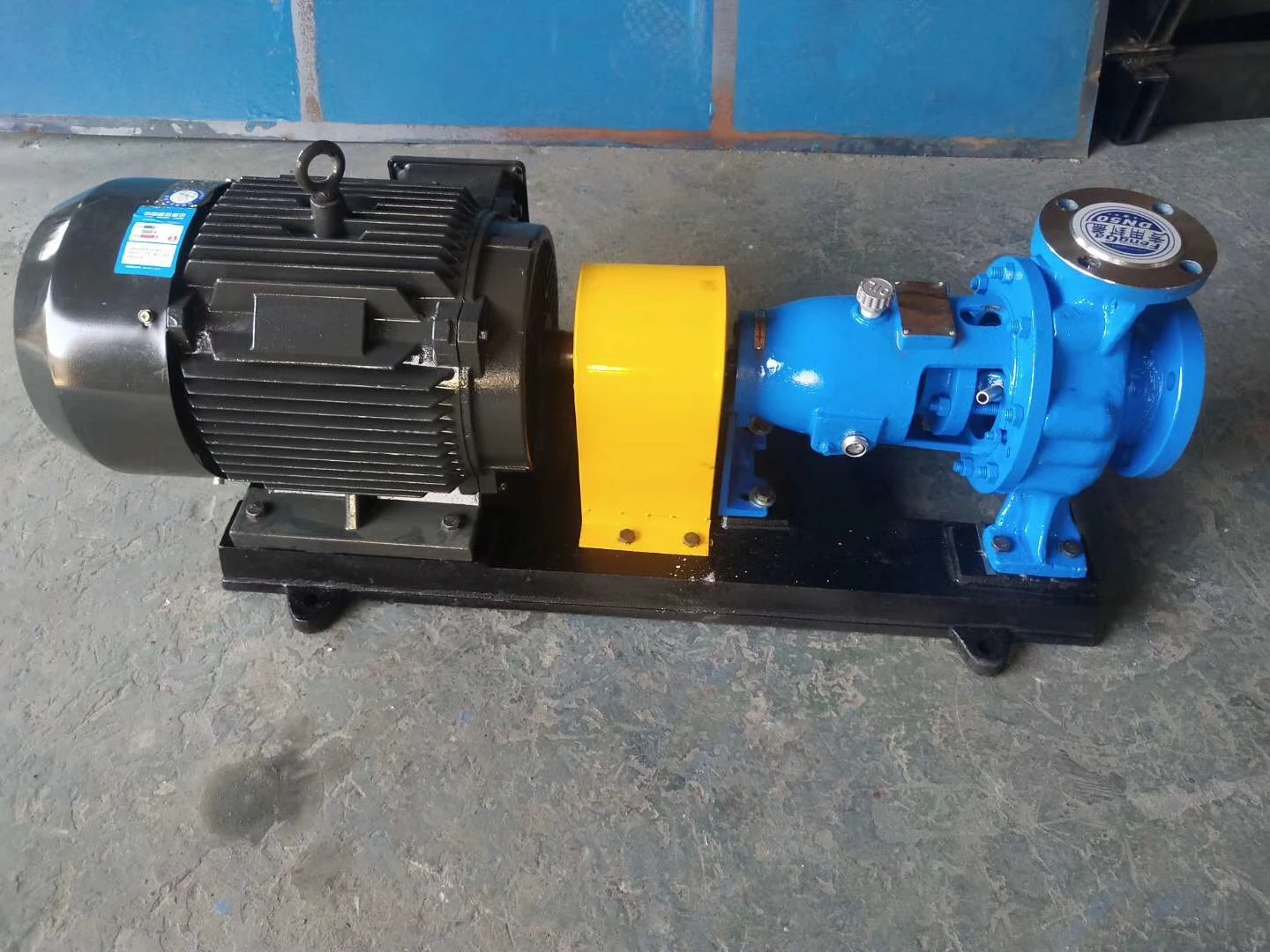
heavy abrasives slurry pc pump Performance Engineering
Introduction
Heavy abrasives slurry pc pumps are centrifugal pumps specifically designed for the arduous task of transporting highly abrasive and erosive slurries. Positioned within the mineral processing, wastewater treatment, dredging, and heavy industrial sectors, these pumps represent a critical component of fluid handling systems. Unlike standard centrifugal pumps, pc pumps prioritize wear resistance and hydraulic efficiency when handling solids-laden fluids. Core performance characteristics revolve around abrasion resistance, solids handling capability, flow rate, and head pressure, all optimized to minimize downtime and operational costs associated with abrasive wear. The pump's construction, impeller design, and material selection are paramount to its ability to withstand the constant impact of hard particles in suspension, preventing premature failure and maintaining consistent performance.
Material Science & Manufacturing
The performance of a heavy abrasives slurry pc pump is intrinsically linked to the material science employed in its construction. Pump casings are typically manufactured from high-chrome cast iron (typically 27% Cr), offering exceptional abrasion resistance due to the formation of hard carbides within the iron matrix. Alternatively, white iron alloys (higher chromium content and specialized heat treatment) are used in applications experiencing extreme abrasion. Impellers, the most vulnerable component, are often constructed from similarly wear-resistant alloys, or in specialized cases, utilize ceramic or polyurethane linings. Shafts are commonly made from high-strength alloy steel, hardened and tempered for optimal torsional strength and resistance to bending. Seals are critical and often utilize mechanical seals with hardened faces, or lip seals employing materials like Viton or EPDM, chosen for their compatibility with the slurry’s chemical composition and abrasive characteristics.
Manufacturing processes involve several key steps. Casing production utilizes sand casting, followed by rigorous quality control including radiographic inspection to detect internal flaws. Impellers are cast using similar processes, with precise machining to ensure accurate impeller geometry and balance. Welding, when required, is typically performed using shielded metal arc welding (SMAW) or gas tungsten arc welding (GTAW) with specialized electrodes designed for joining wear-resistant alloys. Parameter control during casting is crucial; cooling rates, metal temperature, and alloy composition must be precisely monitored to achieve the desired microstructure and hardness. Post-casting, heat treatment (quenching and tempering) significantly influences the mechanical properties, optimizing for wear resistance and toughness. Finally, components undergo extensive dimensional checks and non-destructive testing (NDT) to verify conformance to specifications.
Performance & Engineering
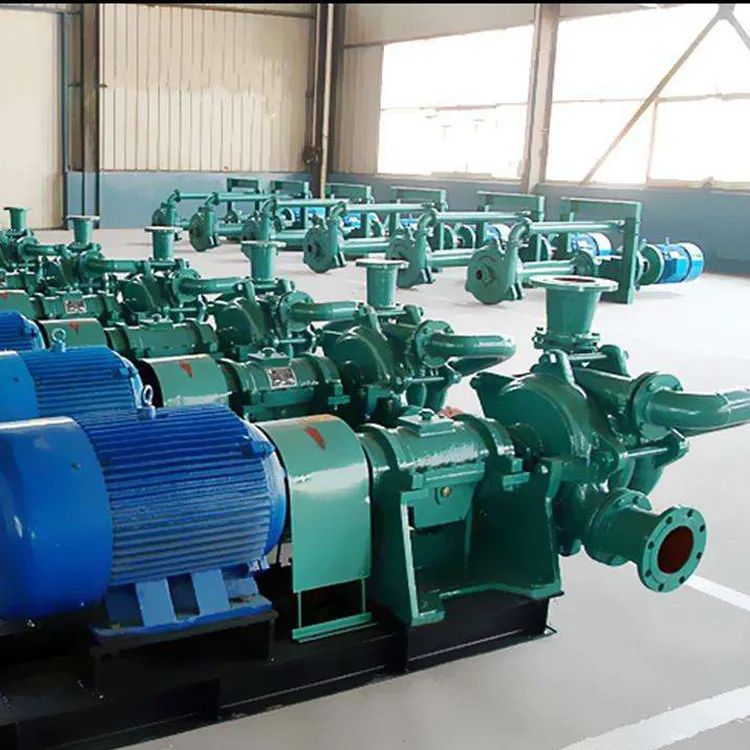
The performance of heavy abrasives slurry pc pumps is governed by several engineering principles. Hydraulic design focuses on maximizing impeller efficiency while minimizing wear. Impeller designs often incorporate open or semi-open impeller configurations to reduce the risk of clogging and allow solids to pass through without excessive impact. Volute casing geometry is optimized to convert kinetic energy into pressure efficiently while minimizing turbulence, which contributes to erosion. Force analysis is critical; centrifugal force exerted on the slurry particles, coupled with the fluid velocity, dictates the rate of abrasion. Pump speed is a key parameter – lower speeds generally reduce abrasion but also decrease flow rate.
Environmental resistance is paramount. Pump materials must be chemically compatible with the slurry being pumped, resisting corrosion and degradation. Coatings, such as rubber linings or ceramic coatings, are frequently employed to enhance corrosion resistance and abrasion protection. Compliance requirements vary by industry and region. Mining applications often adhere to standards set by the IECEx for use in potentially explosive atmospheres. Wastewater treatment facilities must meet environmental regulations regarding leakage and material compatibility. Functional implementation involves careful consideration of system head loss, slurry density, and particle size distribution. Proper piping design, including minimizing bends and maintaining adequate pipe velocities, is essential to prevent sedimentation and erosion.
Technical Specifications
| Parameter | Typical Range (Value 1) | Typical Range (Value 2) | Typical Range (Value 3) |
|---|---|---|---|
| Flow Rate (m³/h) | 20 - 100 | 100 - 300 | 300 - 600 |
| Head (m) | 10 - 30 | 30 - 60 | 60 - 100 |
| Solids Handling Capability (mm) | 10-25 | 25-50 | 50-100 |
| Pump Material (Casing) | High Chrome Iron (27% Cr) | White Iron Alloy | Rubber Lined Steel |
| Pump Material (Impeller) | High Chrome Iron (27% Cr) | Ceramic | Polyurethane |
| Power (kW) | 3 - 15 | 15 - 45 | 45 - 90 |
Failure Mode & Maintenance
Heavy abrasives slurry pc pumps are susceptible to several failure modes. Fatigue cracking in the impeller is common, initiated by cyclical stress from particle impact and fluid flow. Erosion, particularly at the impeller vanes and casing volute, leads to material loss and reduced pump performance. Delamination of wear-resistant linings (rubber or ceramic) can occur due to poor adhesion or excessive impact forces. Mechanical seal failure is frequent, often caused by abrasive particles infiltrating the seal faces, leading to leakage. Cavitation, although less common in high-solids slurries, can occur if the net positive suction head available (NPSHa) is insufficient, causing pitting and erosion of the impeller. Oxidation of metal components can also contribute to long-term degradation.
Preventative maintenance is crucial. Regular inspection of the impeller, casing, and seals is essential to detect early signs of wear. Monitoring pump vibration levels can indicate imbalances or bearing wear. Lubrication schedules should be strictly adhered to, using appropriate greases designed for heavy-duty applications. Seal replacement should be performed proactively based on operating hours or observed leakage. Periodic assessment of slurry composition and particle size distribution can help predict wear rates and optimize maintenance intervals. In the event of failure, root cause analysis is vital to determine the underlying issue and implement corrective actions to prevent recurrence. This might involve modifying pump operating parameters, upgrading materials, or improving slurry pre-treatment processes.
Industry FAQ
Q: What is the impact of particle size distribution on pump wear rate?
A: Larger particles exert a greater impact force, leading to increased erosion rates. A wider particle size distribution, containing both large and small particles, often exacerbates wear as the smaller particles can become trapped between the larger ones, acting as abrasive agents. Selection of pump materials and operating speed should be optimized based on the anticipated particle size distribution.
Q: How do I determine the appropriate pump material for a specific slurry?
A: Material selection requires considering the slurry's chemical composition, particle hardness, concentration, and velocity. High-chrome cast iron is a good general-purpose choice for many abrasive slurries, but highly corrosive environments may necessitate stainless steel or rubber-lined pumps. Consulting with a materials engineer and conducting pilot testing is recommended for critical applications.
Q: What is the significance of NPSHa in slurry pumping applications?
A: NPSHa, or Net Positive Suction Head Available, is the absolute pressure at the pump suction inlet. Insufficient NPSHa can cause cavitation, damaging the impeller and reducing pump efficiency. Slurries tend to have lower NPSHa values than clean fluids due to the higher density and potential for gas entrapment. Proper pump placement and suction piping design are crucial to ensure adequate NPSHa.
Q: What maintenance practices minimize mechanical seal failures?
A: Flushing the seal with a clean fluid can help remove abrasive particles from the seal faces. Regular inspection and replacement of seals based on operating hours is critical. Ensure proper alignment of the pump and motor to minimize shaft deflection, which can stress the seal. Using a seal material compatible with the slurry's chemical composition is also essential.
Q: How does pump speed affect abrasion resistance and flow rate?
A: Lower pump speeds generally reduce abrasion rates because the impact force of particles is reduced. However, decreasing pump speed also lowers the flow rate. Finding the optimal speed requires balancing abrasion resistance with the desired throughput. Variable frequency drives (VFDs) allow for speed adjustment to optimize performance under varying conditions.
Conclusion
Heavy abrasives slurry pc pumps are essential for industries dealing with demanding fluid handling challenges. Their robust construction, specialized materials, and optimized hydraulic designs are crucial for maximizing operational life and minimizing downtime in abrasive applications. Understanding the interplay between material science, manufacturing processes, and engineering principles is paramount for successful pump selection, installation, and maintenance.
Future advancements in pc pump technology are likely to focus on developing more wear-resistant materials, improving impeller designs to further reduce erosion, and incorporating advanced monitoring systems for predictive maintenance. Continued refinement of these pumps will contribute to increased efficiency, reduced operating costs, and enhanced reliability in critical industrial processes.
-
basement bathroom sewage pump Material Science Manufacturing
News2026-05-21
-
wastewater treatment plant pumps Material Science Manufacturing
News2026-05-21
-
waste water pump for basement Material Science Manufacturing
News2026-05-21
-
sump pump sewage Performance Analysis
News2026-05-21
-
sump pump for sewage Material Science and Manufacturing
News2026-05-21
-
sump pump for septic systems Material Science Manufacturing
News2026-05-20
-
sump pump and ejector pump Material Science Manufacturing
News2026-05-20
-
sewage treatment plant pumps Performance Analysis
News2026-05-20
-
sewage tank pump Material Science and Manufacturing
News2026-05-20
-
sewage pump for septic tank Performance Analysis
News2026-05-20
-
Sewage Pump and Tank Performance Analysis
News2026-05-19
-
Sewage Ejector Pump Replacement Performance Analysis
News2026-05-19
-
sewage ejector pump for basement bathroom Material Science Manufacturing
News2026-05-19
-
sewage ejection pump Material Science and Manufacturing
News2026-05-19
-
in line sewage pump Performance Analysis
News2026-05-19




