English
- Afrikaans
- Albanian
- Amharic
- Arabic
- Armenian
- Azerbaijani
- Basque
- Belarusian
- Bengali
- Bosnian
- Bulgarian
- Catalan
- Cebuano
- Corsican
- Croatian
- Czech
- Danish
- Dutch
- English
- Esperanto
- Estonian
- Finnish
- French
- Frisian
- Galician
- Georgian
- German
- Greek
- Gujarati
- Haitian Creole
- hausa
- hawaiian
- Hebrew
- Hindi
- Miao
- Hungarian
- Icelandic
- igbo
- Indonesian
- irish
- Italian
- Japanese
- Javanese
- Kannada
- kazakh
- Khmer
- Rwandese
- Korean
- Kurdish
- Kyrgyz
- Lao
- Latin
- Latvian
- Lithuanian
- Luxembourgish
- Macedonian
- Malgashi
- Malay
- Malayalam
- Maltese
- Maori
- Marathi
- Mongolian
- Myanmar
- Nepali
- Norwegian
- Norwegian
- Occitan
- Pashto
- Persian
- Polish
- Portuguese
- Punjabi
- Romanian
- Russian
- Samoan
- Scottish Gaelic
- Serbian
- Sesotho
- Shona
- Sindhi
- Sinhala
- Slovak
- Slovenian
- Somali
- Spanish
- Sundanese
- Swahili
- Swedish
- Tagalog
- Tajik
- Tamil
- Tatar
- Telugu
- Thai
- Turkish
- Turkmen
- Ukrainian
- Urdu
- Uighur
- Uzbek
- Vietnamese
- Welsh
- Bantu
- Yiddish
- Yoruba
- Zulu

Telephone: +86 13120555503
Email: frank@cypump.com


Apr . 01, 2024 17:55 Back to list
hart slurry pumps Performance Analysis
Introduction
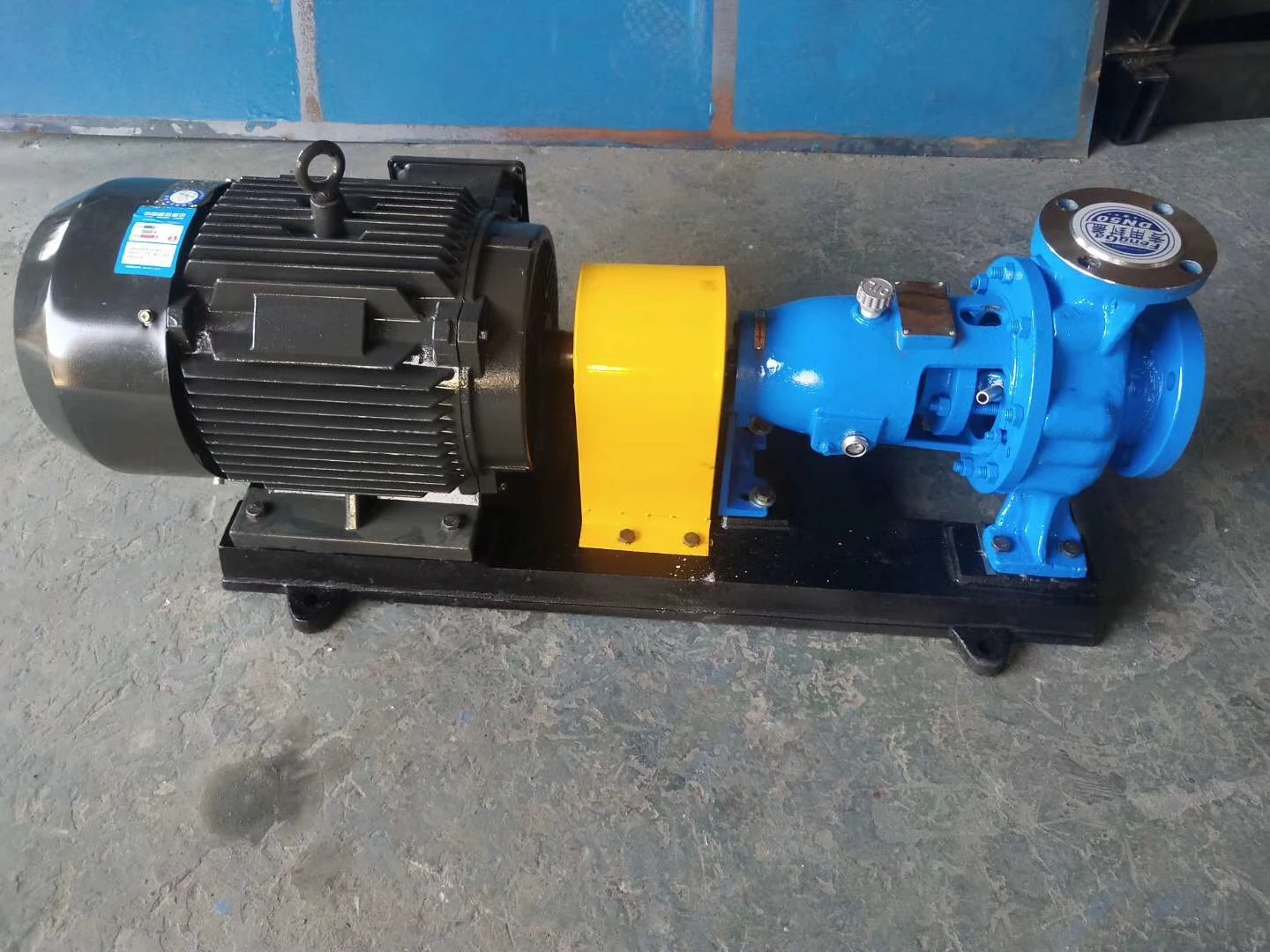
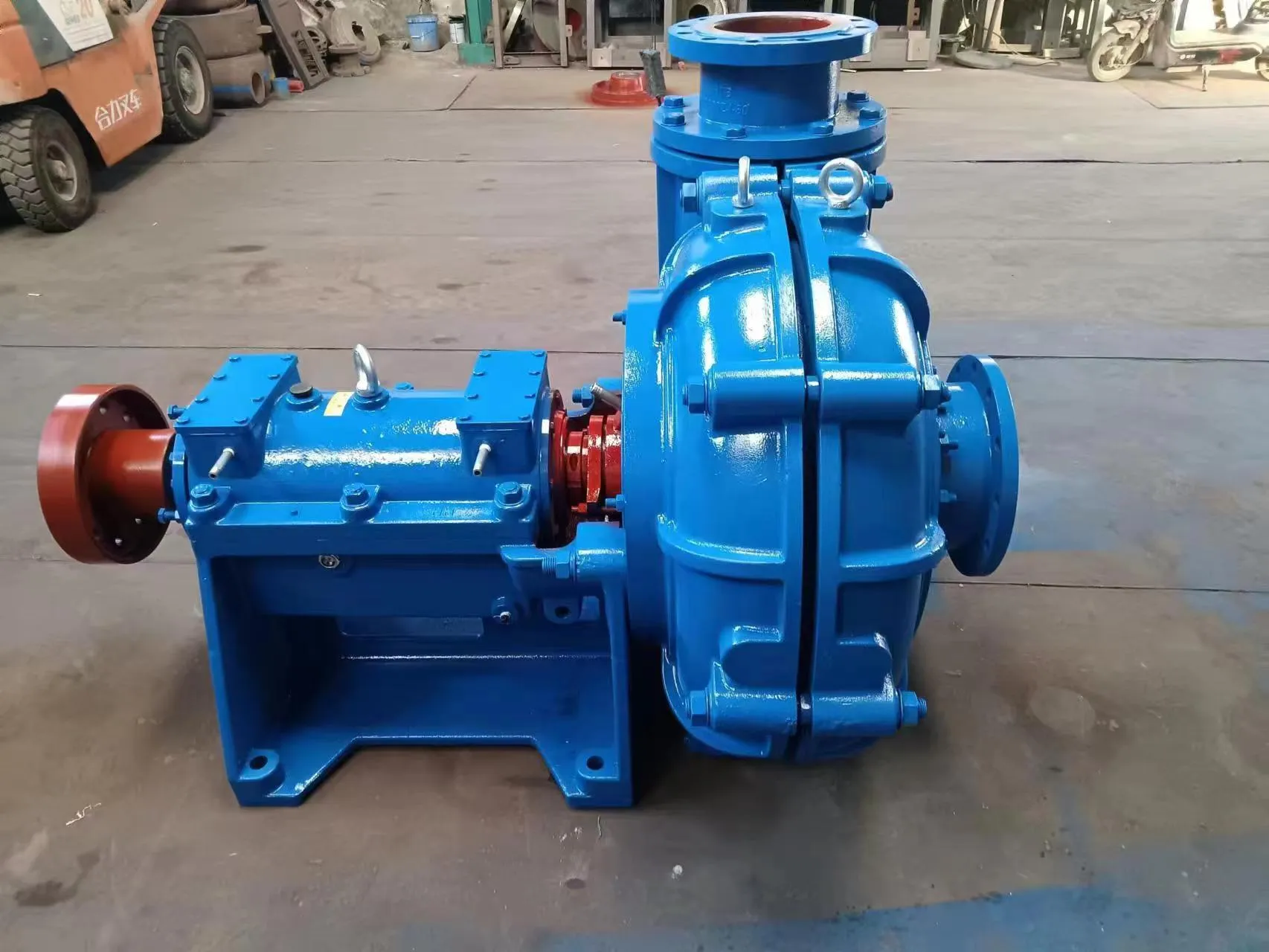
Hart slurry pumps are positive displacement pumps specifically engineered for the challenging task of transporting abrasive or corrosive slurries. Positioned within the industrial fluid handling chain, they bridge the gap between process operations – such as mining, wastewater treatment, and chemical processing – and the safe, efficient conveyance of complex fluid mixtures. Core performance characteristics revolve around maintaining consistent flow rates irrespective of varying slurry density or viscosity, resisting abrasive wear, and ensuring leak-free operation in harsh environments. A primary industry pain point addressed by Hart pumps is minimizing downtime associated with pump failure due to abrasive wear, a significant cost driver in many process industries. Furthermore, ensuring environmental compliance through robust sealing systems and minimizing fugitive emissions are critical concerns driving the demand for specialized slurry pump technologies like those offered by Hart.
Material Science & Manufacturing
The construction of Hart slurry pumps relies heavily on material science principles to withstand the aggressive nature of transported slurries. Pump casings are typically constructed from high-chrome iron alloys (typically containing 13-28% chromium) or specialized stainless steels (such as 304L or 316L) chosen for their exceptional abrasion and corrosion resistance. The impeller and liners, the components most directly exposed to slurry erosion, are frequently manufactured using similar high-chrome alloys. Elastomeric components, such as seals and gaskets, utilize materials like natural rubber, EPDM, or Viton, selected based on chemical compatibility with the slurry being handled. Manufacturing processes involve casting for the pump casing and impeller, followed by precision machining to ensure dimensional accuracy and surface finish. Liners are often secured using a dovetail or bolt-on configuration, allowing for easy replacement as they wear. Welding processes, primarily shielded metal arc welding (SMAW) or gas tungsten arc welding (GTAW), are used for joining components, requiring stringent quality control to prevent weld defects that could compromise structural integrity. Critical parameters during manufacturing include alloy composition verification through spectrographic analysis, heat treatment to achieve optimal hardness and toughness, and non-destructive testing (NDT) – such as liquid penetrant inspection or radiographic testing – to detect subsurface flaws.
Performance & Engineering
The performance of Hart slurry pumps is fundamentally governed by principles of fluid mechanics and materials science. Force analysis considers hydrostatic pressure from the fluid, dynamic forces from impeller rotation, and external loads from piping systems. Hydraulic Institute standards dictate performance testing procedures, including measuring head, flow rate, and power consumption across a range of operating conditions. Environmental resistance is a key engineering consideration; pumps operating in corrosive environments require material selection that mitigates galvanic corrosion and localized pitting. Compliance with industry regulations, such as those related to pump efficiency (e.g., Department of Energy standards in the US) and safety (e.g., ATEX directives for explosive atmospheres), is paramount. Functional implementation relies on proper pump selection based on slurry characteristics – particle size, solids concentration, specific gravity, and chemical composition. The pump’s geometry, specifically impeller design and casing volute shape, is optimized to maximize hydraulic efficiency and minimize wear. Positive displacement principles ensure consistent flow rates, even with variations in discharge pressure, vital for maintaining process control. Detailed bearing design calculations consider load capacity, lubrication requirements, and expected lifespan, with materials chosen to minimize friction and wear. Seal design, often employing double mechanical seals with barrier fluid, is critical for preventing leakage and protecting pump components.
Technical Specifications
| Model Number | Maximum Flow Rate (GPM) | Maximum Head (ft) | Maximum Solids Size (in) |
|---|---|---|---|
| HS-400 | 500 | 150 | 2 |
| HS-600 | 800 | 200 | 2.5 |
| HS-800 | 1200 | 250 | 3 |
| HS-1000 | 1500 | 300 | 4 |
| HS-1200 | 2000 | 350 | 5 |
| HS-1500 | 2500 | 400 | 6 |
Failure Mode & Maintenance
Hart slurry pumps, despite robust construction, are susceptible to failure modes stemming from the abrasive and corrosive nature of their operating environment. Common failure modes include impeller wear (erosion caused by solid particle impact), liner wear (leading to reduced pump efficiency and increased vibration), seal failure (resulting in leakage and potential contamination), bearing failure (caused by inadequate lubrication or excessive loads), and casing cracking (due to fatigue or stress corrosion cracking). Failure analysis frequently reveals that accelerated wear is often correlated with improper pump selection for the specific slurry characteristics, leading to premature component degradation. Maintenance strategies revolve around preventative measures, including regular inspections for wear, lubrication of bearings, and replacement of liners and seals based on established wear rates. Condition monitoring techniques, such as vibration analysis and oil analysis, can provide early warnings of potential failures. Repair procedures typically involve component replacement rather than extensive welding repairs, particularly for impellers and casings. For severe cases of casing cracking, complete pump replacement may be necessary. Thorough post-failure analysis is crucial to identify root causes and implement corrective actions to prevent recurrence.
Industry FAQ
Q: What is the expected lifespan of a Hart pump impeller handling a highly abrasive silica slurry?
A: The lifespan of an impeller handling a silica slurry is heavily dependent on particle size distribution, slurry concentration, and operating hours. However, with a typical silica slurry, a high-chrome iron impeller can be expected to last between 6-18 months before requiring replacement. Regular inspections and monitoring of pump performance are essential to accurately assess wear rates.
Q: How do Hart pumps mitigate the risk of seal failure in corrosive environments?
A: Hart pumps offer a variety of sealing solutions, including single and double mechanical seals. For corrosive applications, we recommend double mechanical seals with a barrier fluid system. The barrier fluid lubricates the seal faces, provides cooling, and prevents the ingress of corrosive slurry. Material selection for seal faces is also critical, utilizing materials like silicon carbide or tungsten carbide for enhanced corrosion resistance.
Q: What are the key considerations when selecting a Hart pump for a fluctuating slurry density?
A: When dealing with fluctuating slurry densities, it's crucial to select a pump with a positive displacement design, like Hart pumps, to maintain consistent flow rates. Oversizing the pump slightly to accommodate the highest expected slurry density is recommended. Variable frequency drives (VFDs) can also be employed to adjust pump speed and optimize performance across a range of slurry densities.
Q: What type of non-destructive testing (NDT) is performed on Hart pump castings during manufacturing?
A: Hart pump castings undergo rigorous NDT procedures, including liquid penetrant inspection to detect surface cracks and radiographic testing to identify subsurface flaws. Ultrasonic testing is also utilized for thickness measurements and weld inspection. These procedures ensure the structural integrity of the castings and minimize the risk of premature failure.
Q: What preventative maintenance is recommended for Hart slurry pumps operating continuously?
A: Continuous operation requires a proactive maintenance schedule. This includes daily visual inspections for leaks or unusual noises, weekly lubrication of bearings, monthly vibration analysis to detect potential imbalances or wear, and periodic replacement of liners and seals based on wear rate data. Regular monitoring of pump performance parameters (head, flow, pressure) is also essential.
Conclusion
Hart slurry pumps represent a sophisticated engineering solution for the demanding challenges of slurry transport. Their robust construction, utilizing advanced material science and precision manufacturing, provides reliable performance in abrasive and corrosive environments. Proper pump selection, based on a thorough understanding of slurry characteristics and process requirements, is critical for maximizing lifespan and minimizing downtime.
Looking forward, innovations in materials (such as ceramic-lined components) and pump design (optimizing impeller geometry for reduced wear) will continue to enhance the performance and longevity of Hart slurry pumps. Continued investment in condition monitoring technologies and predictive maintenance strategies will further optimize operational efficiency and reduce the total cost of ownership for slurry handling operations.
-
basement bathroom sewage pump Material Science Manufacturing
News2026-05-21
-
wastewater treatment plant pumps Material Science Manufacturing
News2026-05-21
-
waste water pump for basement Material Science Manufacturing
News2026-05-21
-
sump pump sewage Performance Analysis
News2026-05-21
-
sump pump for sewage Material Science and Manufacturing
News2026-05-21
-
sump pump for septic systems Material Science Manufacturing
News2026-05-20
-
sump pump and ejector pump Material Science Manufacturing
News2026-05-20
-
sewage treatment plant pumps Performance Analysis
News2026-05-20
-
sewage tank pump Material Science and Manufacturing
News2026-05-20
-
sewage pump for septic tank Performance Analysis
News2026-05-20
-
Sewage Pump and Tank Performance Analysis
News2026-05-19
-
Sewage Ejector Pump Replacement Performance Analysis
News2026-05-19
-
sewage ejector pump for basement bathroom Material Science Manufacturing
News2026-05-19
-
sewage ejection pump Material Science and Manufacturing
News2026-05-19
-
in line sewage pump Performance Analysis
News2026-05-19




