English
- Afrikaans
- Albanian
- Amharic
- Arabic
- Armenian
- Azerbaijani
- Basque
- Belarusian
- Bengali
- Bosnian
- Bulgarian
- Catalan
- Cebuano
- Corsican
- Croatian
- Czech
- Danish
- Dutch
- English
- Esperanto
- Estonian
- Finnish
- French
- Frisian
- Galician
- Georgian
- German
- Greek
- Gujarati
- Haitian Creole
- hausa
- hawaiian
- Hebrew
- Hindi
- Miao
- Hungarian
- Icelandic
- igbo
- Indonesian
- irish
- Italian
- Japanese
- Javanese
- Kannada
- kazakh
- Khmer
- Rwandese
- Korean
- Kurdish
- Kyrgyz
- Lao
- Latin
- Latvian
- Lithuanian
- Luxembourgish
- Macedonian
- Malgashi
- Malay
- Malayalam
- Maltese
- Maori
- Marathi
- Mongolian
- Myanmar
- Nepali
- Norwegian
- Norwegian
- Occitan
- Pashto
- Persian
- Polish
- Portuguese
- Punjabi
- Romanian
- Russian
- Samoan
- Scottish Gaelic
- Serbian
- Sesotho
- Shona
- Sindhi
- Sinhala
- Slovak
- Slovenian
- Somali
- Spanish
- Sundanese
- Swahili
- Swedish
- Tagalog
- Tajik
- Tamil
- Tatar
- Telugu
- Thai
- Turkish
- Turkmen
- Ukrainian
- Urdu
- Uighur
- Uzbek
- Vietnamese
- Welsh
- Bantu
- Yiddish
- Yoruba
- Zulu

Telephone: +86 13120555503
Email: frank@cypump.com


Apr . 01, 2024 17:55 Back to list
gypsum slurry pump Performance Analysis
Introduction
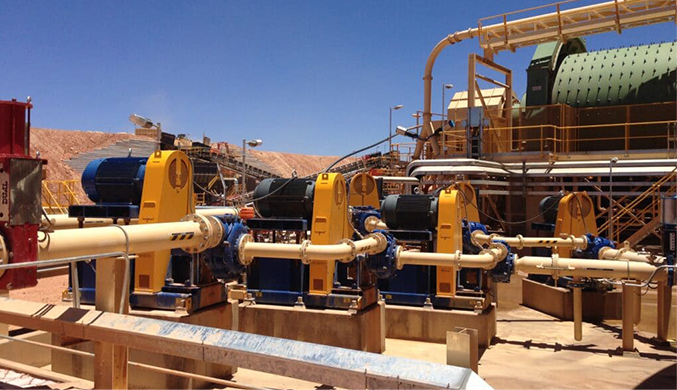
Gypsum slurry pumps are specialized centrifugal pumps designed for the challenging task of transporting abrasive and corrosive gypsum slurries commonly encountered in flue gas desulfurization (FGD) systems, gypsum board manufacturing, and mining operations. These pumps represent a critical component within these industrial processes, differing significantly from standard centrifugal pumps due to their robust construction, specialized impeller designs, and materials selection. Their technical position in the industry chain is directly downstream of gypsum generation and upstream of further processing or disposal. Core performance metrics include flow rate (m³/hr), head (meters), solids handling capability (% by weight), and mean time between failures (MTBF). The increasing demand for environmentally responsible power generation and stricter emissions control regulations drives the continued demand for reliable and efficient gypsum slurry pumps.
Material Science & Manufacturing
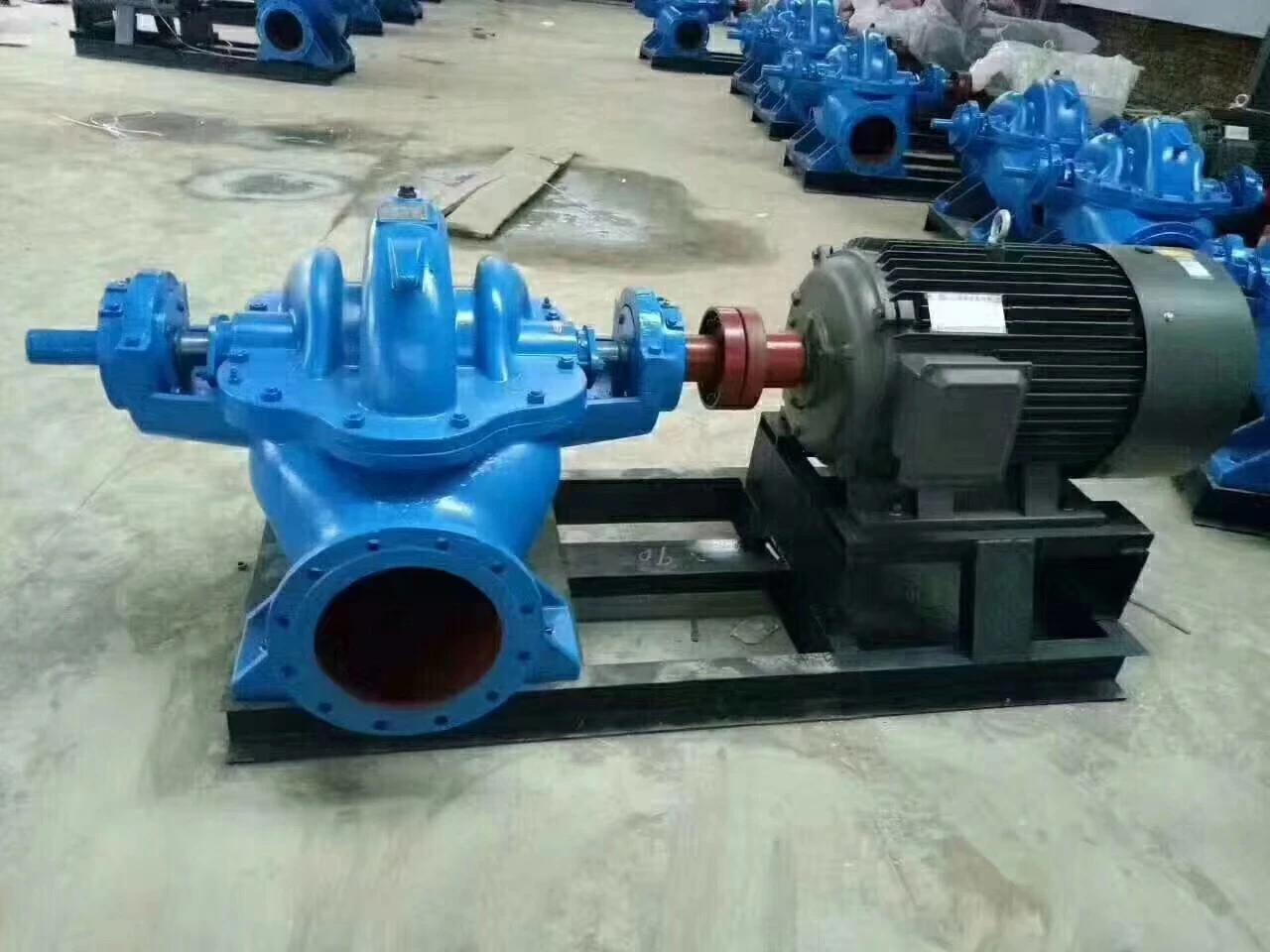
The primary materials for gypsum slurry pump construction are dictated by the corrosive nature of gypsum slurries (containing sulfuric acid and calcium sulfite) and their abrasive content. Pump casings are frequently constructed from duplex stainless steels (e.g., UNS S31803, S32205) offering superior resistance to pitting and crevice corrosion compared to austenitic stainless steels. Impellers, the most vulnerable component, often utilize high-chrome cast iron alloys (e.g., 27%Cr alloys) or white iron alloys for enhanced abrasion resistance. Elastomeric liners, typically made of natural rubber or synthetic rubbers like EPDM, are frequently used to protect the pump casing and impeller from wear and corrosion. Manufacturing processes involve precision casting for the impeller and casing, followed by meticulous welding procedures using shielded metal arc welding (SMAW) or gas tungsten arc welding (GTAW) techniques with low-hydrogen electrodes to ensure weld integrity. Key parameter control during manufacturing focuses on achieving dimensional accuracy of the impeller vanes (to optimize hydraulic efficiency), ensuring adequate hardness of wear surfaces (through heat treatment), and verifying the chemical composition of materials to meet stringent industry standards. Proper surface finishing is critical, employing techniques like shot peening to induce compressive stresses and improve fatigue resistance.
Performance & Engineering
The performance of a gypsum slurry pump is heavily influenced by slurry characteristics – solid concentration, particle size distribution, and slurry viscosity. Force analysis considers the centrifugal force imparted by the impeller, the frictional losses within the pump casing and piping, and the gravitational head. Hydraulic design focuses on minimizing wear and erosion by optimizing impeller geometry and maintaining sufficient velocity to prevent solids settling. Environmental resistance is a critical factor; pumps operating in FGD systems are exposed to high humidity, corrosive gases, and temperature fluctuations. Engineering considerations include selecting appropriate shaft seals (mechanical seals are preferred over packing glands due to their superior sealing performance and reduced maintenance requirements), implementing cooling systems for the seals, and designing the pump casing for adequate pressure containment. Compliance requirements mandate adherence to stringent emissions standards and safety regulations (e.g., ATEX directives for potentially explosive atmospheres). The pump’s Net Positive Suction Head Required (NPSHr) must be carefully matched to the Net Positive Suction Head Available (NPSHa) in the system to prevent cavitation, a major cause of impeller damage.
Technical Specifications
| Flow Rate (m³/hr) | Head (meters) | Solids Concentration (% by weight) | Pump Material (Casing) |
|---|---|---|---|
| 50-200 | 20-60 | 20-50 | Duplex Stainless Steel (S31803) |
| 100-400 | 40-100 | 30-60 | Super Duplex Stainless Steel (S32205) |
| 200-600 | 60-150 | 40-70 | High Chrome Cast Iron with Rubber Liner |
| 400-800 | 100-200 | 50-80 | White Iron Alloy with Rubber Liner |
| 600-1000 | 150-250 | 60-85 | Duplex Stainless Steel (S32205) with Ceramic Coating |
| 800-1200 | 200-300 | 70-90 | High Chrome Cast Iron with Reinforced Rubber Liner |
Failure Mode & Maintenance
Gypsum slurry pumps are susceptible to several failure modes. Abrasive wear is the most common, leading to impeller erosion and casing wall thinning. Corrosion, particularly from sulfuric acid, can cause pitting and crevice corrosion in susceptible materials. Fatigue cracking can occur in the impeller due to cyclic loading and stress concentration. Cavitation, induced by insufficient NPSH, leads to rapid impeller damage. Delamination of rubber liners is another frequent issue. Oxidation can affect the performance of stainless steel components over extended periods. Preventative maintenance is crucial and includes regular visual inspections for wear and corrosion, monitoring bearing temperatures and vibrations, performing seal checks, and periodically replacing wear parts (impeller, liners, seals). Impeller balancing is essential to minimize vibration and extend bearing life. Scheduled shutdown and overhaul, typically every 6-12 months, allows for thorough inspection, repair, and replacement of components. Proper lubrication of bearings is paramount. Monitoring slurry pH and solid concentration can help predict potential corrosion and wear rates.
Industry FAQ
Q: What is the optimal impeller material for a gypsum slurry pump handling a slurry with 60% solids content and a pH of 1.5?
A: For a slurry with 60% solids and a highly acidic pH of 1.5, a white iron alloy impeller with a robust rubber liner is the most suitable choice. The white iron provides exceptional abrasion resistance, while the rubber liner offers critical corrosion protection against the sulfuric acid. Duplex stainless steel alone may not be sufficient to withstand the combined abrasive and corrosive attack.
Q: How do I determine the appropriate pump size for a new FGD system?
A: Determining the pump size requires a comprehensive system analysis. Key factors include the gypsum slurry flow rate, head requirements (taking into account elevation changes and piping friction losses), solids concentration, and slurry viscosity. Performing a detailed hydraulic calculation and considering future scalability is critical. Consulting with a pump manufacturer's engineering team is highly recommended.
Q: What are the common causes of mechanical seal failure in gypsum slurry pumps?
A: Common causes include abrasive particles damaging the seal faces, corrosion of seal components, insufficient cooling leading to thermal distortion, and improper installation or alignment. Selecting a mechanically sealed design specifically engineered for abrasive slurries, ensuring adequate cooling, and employing skilled technicians for installation and maintenance are crucial.
Q: What maintenance procedures should be performed during a routine shutdown?
A: During a routine shutdown, inspect the impeller and casing for wear and corrosion, check the bearing condition and lubrication levels, examine the mechanical seal for leakage or damage, and verify the integrity of the rubber liners. Replace worn parts as needed and perform impeller balancing. Document all findings and maintenance activities.
Q: How does slurry viscosity affect pump performance and efficiency?
A: Increased slurry viscosity leads to higher frictional losses within the pump, reducing flow rate and efficiency. Pumps may require more power to maintain the desired flow. Selecting a pump with a larger impeller diameter and optimizing impeller design for viscous fluids can mitigate these effects. Monitoring slurry viscosity and adjusting pump speed accordingly can also improve performance.
Conclusion
Gypsum slurry pumps are essential components in industries grappling with the management of gypsum byproducts. Their performance and longevity are fundamentally linked to material selection, robust engineering design, and diligent maintenance practices. Understanding the interplay between slurry characteristics, pump construction, and operational parameters is critical for optimizing performance, minimizing downtime, and ensuring compliance with stringent environmental regulations.
Future advancements in gypsum slurry pump technology will likely focus on developing more abrasion-resistant materials, improving impeller hydraulic efficiency, and implementing predictive maintenance strategies leveraging sensor data and machine learning algorithms. These innovations will contribute to reduced operating costs, extended pump life, and enhanced environmental sustainability.
-
pump for sewage water Performance Analysis
News2026-05-23
-
plumbing sewage ejector pump Performance Engineering
News2026-05-23
-
home sewer pump station Performance and Engineering
News2026-05-23
-
high pressure sump pump Performance Analysis
News2026-05-23
-
high head effluent pump Performance Analysis
News2026-05-23
-
Effluent vs Sump Pump Performance Analysis
News2026-05-22
-
effluent septic pump Performance Engineering
News2026-05-22
-
best sewer pumps Performance Engineering
News2026-05-22
-
best sewer pump Performance Analysis
News2026-05-22
-
best sewage pumps Performance Engineering
News2026-05-22
-
basement bathroom sewage pump Material Science Manufacturing
News2026-05-21
-
wastewater treatment plant pumps Material Science Manufacturing
News2026-05-21
-
waste water pump for basement Material Science Manufacturing
News2026-05-21
-
sump pump sewage Performance Analysis
News2026-05-21
-
sump pump for sewage Material Science and Manufacturing
News2026-05-21




