English
- Afrikaans
- Albanian
- Amharic
- Arabic
- Armenian
- Azerbaijani
- Basque
- Belarusian
- Bengali
- Bosnian
- Bulgarian
- Catalan
- Cebuano
- Corsican
- Croatian
- Czech
- Danish
- Dutch
- English
- Esperanto
- Estonian
- Finnish
- French
- Frisian
- Galician
- Georgian
- German
- Greek
- Gujarati
- Haitian Creole
- hausa
- hawaiian
- Hebrew
- Hindi
- Miao
- Hungarian
- Icelandic
- igbo
- Indonesian
- irish
- Italian
- Japanese
- Javanese
- Kannada
- kazakh
- Khmer
- Rwandese
- Korean
- Kurdish
- Kyrgyz
- Lao
- Latin
- Latvian
- Lithuanian
- Luxembourgish
- Macedonian
- Malgashi
- Malay
- Malayalam
- Maltese
- Maori
- Marathi
- Mongolian
- Myanmar
- Nepali
- Norwegian
- Norwegian
- Occitan
- Pashto
- Persian
- Polish
- Portuguese
- Punjabi
- Romanian
- Russian
- Samoan
- Scottish Gaelic
- Serbian
- Sesotho
- Shona
- Sindhi
- Sinhala
- Slovak
- Slovenian
- Somali
- Spanish
- Sundanese
- Swahili
- Swedish
- Tagalog
- Tajik
- Tamil
- Tatar
- Telugu
- Thai
- Turkish
- Turkmen
- Ukrainian
- Urdu
- Uighur
- Uzbek
- Vietnamese
- Welsh
- Bantu
- Yiddish
- Yoruba
- Zulu

Telephone: +86 13120555503
Email: frank@cypump.com


Apr . 01, 2024 17:55 Back to list
goulds jc slurry pump Performance Analysis and Manufacturing Specifications
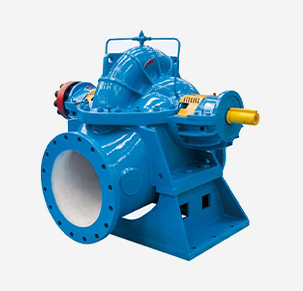
Goulds JC Slurry Pump Performance Analysis and Manufacturing Specifications
The Goulds JC slurry pump represents a critical engineering solution within the industrial fluid handling chain, specifically designed for the transport of abrasive slurries, tailings, and high-density mineral suspensions. Positioned as a heavy-duty centrifugal pump, the JC series is engineered to bridge the gap between standard chemical process pumps and extreme mining equipment. Its technical position is defined by its ability to maintain hydraulic efficiency while subjected to constant erosive wear from suspended solids. The core performance of the Goulds JC series centers on its optimized impeller geometry and the utilization of high-chrome alloys, which collectively minimize turbulence and maximize the Mean Time Between Failures (MTBF) in aggressive environments such as mineral processing, wastewater grit removal, and chemical scrubbing operations.
Material Science & Manufacturing
The operational longevity of the Goulds JC slurry pump is predicated on advanced metallurgical selection and precision manufacturing. The primary challenge in slurry handling is "erosive wear," where high-velocity particles impact the internal surfaces of the pump. To counteract this, the JC series employs High-Chrome White Iron (typically ASTM A532), characterized by a microstructure of hard chromium carbides embedded in a martensitic matrix. This provides a hardness typically exceeding 60 HRC, essential for resisting the scouring action of silica and other abrasive minerals.
From a manufacturing perspective, the pump housing is produced via precision casting to ensure wall thickness uniformity, reducing the risk of localized cavitation and stress concentrations. The impeller is dynamically balanced to ISO 1940 standards to minimize radial vibration, which is a primary driver of premature bearing failure in slurry applications. Furthermore, the internal clearances between the impeller and the wear plate are tightly controlled; excessive clearances lead to internal recirculation (slip), which increases the local velocity of the abrasive fluid and accelerates wear, while overly tight clearances risk seizing during thermal expansion or solids buildup.
Chemical compatibility is also a key design pillar. For applications involving corrosive slurries (e.g., acidic mine drainage), the manufacturing process incorporates specialized coatings or the use of duplex stainless steels to prevent galvanic corrosion. The shafting is typically constructed from high-tensile alloy steels, heat-treated to ensure a balance between yield strength and fatigue resistance, ensuring the pump can withstand the sudden torque spikes associated with "slugging" or high-solids surges.
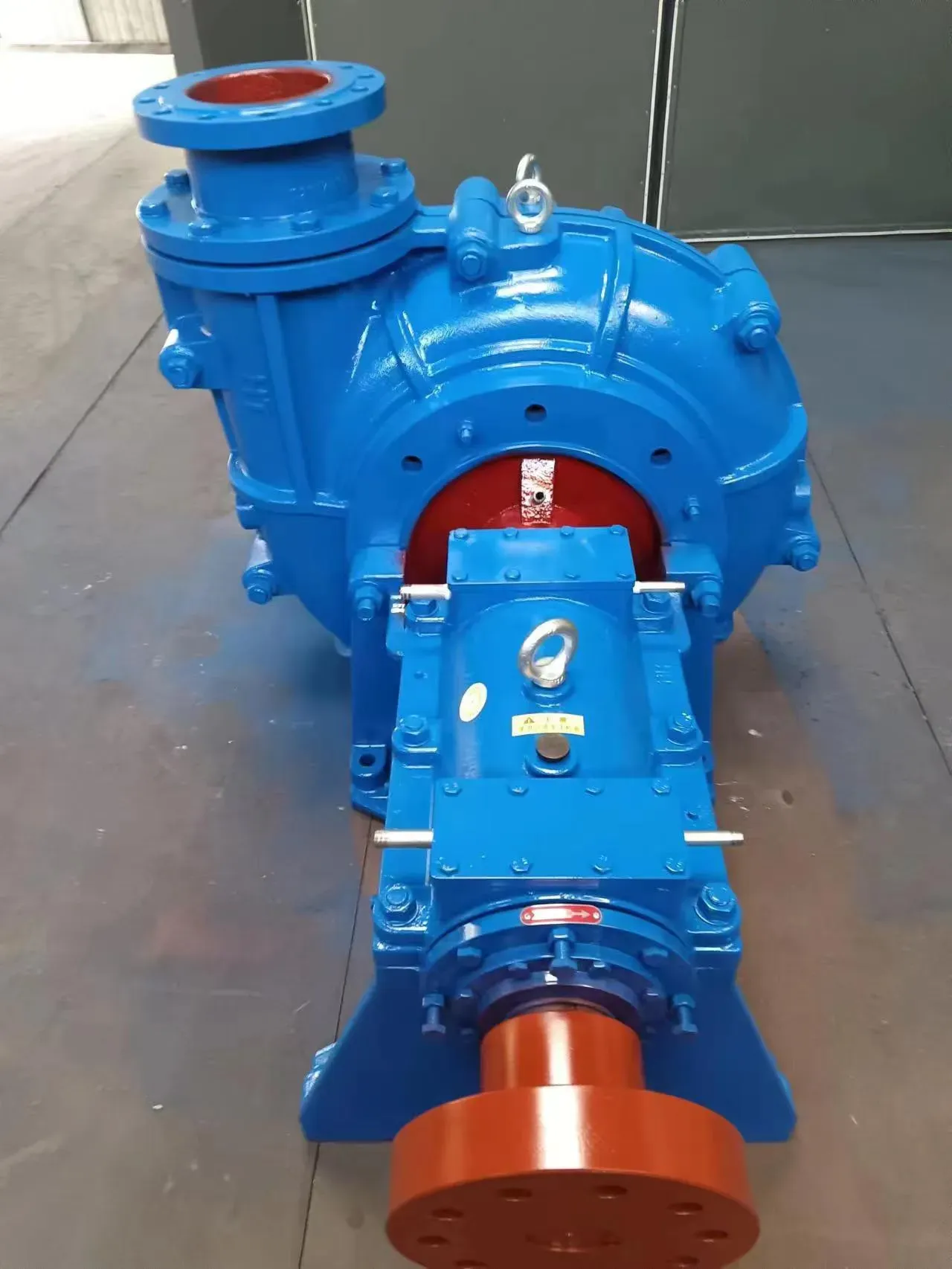
Performance & Engineering
Engineering the Goulds JC slurry pump requires a comprehensive force analysis of the fluid-structure interaction. The primary engineering objective is the management of the "Critical Solids Concentration" (CSC). The pump is designed to maintain a flow velocity that exceeds the settling velocity of the particles, preventing sedimentation within the pump casing which would lead to catastrophic imbalance and vibration.
Hydraulic efficiency is achieved through a semi-open impeller design, which reduces the likelihood of clogging while maintaining sufficient head pressure. The engineering of the seal chamber is particularly critical; the JC series often employs an external flush system (API Plan 32 or 54) to keep abrasive particles away from the mechanical seal faces. This prevents the "lapping" effect, where particles enter the seal gap and act as an abrasive paste, rapidly eroding the seal faces.
Environmental resistance is managed through the integration of heavy-duty bearing housings and robust lubrication systems. In high-temperature slurry applications, the engineering team specifies synthetic lubricants with high viscosity indices to ensure a stable oil film is maintained despite thermal fluctuations. Compliance with international safety and performance requirements ensures that the pump can operate under variable frequency drive (VFD) control, allowing operators to optimize the flow rate and reduce energy consumption while avoiding the pump's natural frequency to prevent resonance-induced fatigue.
Technical Specifications
| Parameter Dimension | Standard Specification | High-Wear Option | Performance Metric |
|---|---|---|---|
| Casing Material | Cast Iron / Ductile Iron | ASTM A532 High-Chrome | Hardness > 60 HRC |
| Impeller Type | Semi-Open Centrifugal | Hardened Alloy Chrome | Efficiency $eta$ 65-82% |
| Max Solid Size | Up to 15mm | Up to 25mm (Modded) | Non-Clogging Flow |
| Seal Configuration | Single Mechanical Seal | Double Seal w/ Quench | Zero Leakage Tolerance |
| Operating Temp | -10°C to 90°C | Up to 150°C (Special) | Thermal Stability |
| Shaft Material | 4140 Alloy Steel | Hardened 4340 Steel | Torsional Rigidity |
Failure Mode & Maintenance
Analysis of the Goulds JC slurry pump in field applications reveals several primary failure modes. The most prevalent is Abrasive Erosion, typically manifesting as "thinning" of the impeller vanes and the volute liner. This occurs when the fluid velocity exceeds the design threshold, causing particles to strike the surface at oblique angles. Maintenance involves the installation of replaceable wear liners and the strategic timing of impeller replacements based on vibration analysis and head-loss monitoring.
Another critical failure mode is Cavitation-Induced Pitting. This happens when the Net Positive Suction Head Available (NPSHa) falls below the NPSH Required (NPSHr), leading to the formation and collapse of vapor bubbles. This collapse generates localized shockwaves that can "pluck" metal grains from the surface, creating a porous, sponge-like appearance. The solution is to increase the suction head or reduce the fluid temperature.
Mechanical Seal Failure often results from dry-running or the ingress of solids. Failure analysis typically shows scored seal faces. Maintenance protocols dictate a strict adherence to flush-water pressure monitoring and the implementation of a predictive maintenance schedule that includes lubricant analysis (checking for metal shavings) and thermographic inspections of the bearing housings to detect overheating before a seizure occurs.
Industry FAQ
Q: How do we determine the optimal impeller material between High-Chrome and Stainless Steel for a specific slurry?
A: The selection depends on the ratio of abrasion to corrosion. If the slurry is primarily abrasive (e.g., sand, quartz), High-Chrome White Iron is superior due to its hardness. However, if the slurry is chemically aggressive (low pH), a Duplex Stainless Steel is required to prevent rapid chemical dissolution, even if it offers slightly lower abrasion resistance.
Q: What is the impact of increasing the solids concentration on the pump's NPSH requirements?
A: Increasing the solids concentration increases the apparent viscosity and density of the fluid, which generally increases the NPSHr. If the concentration exceeds the design limit, the risk of cavitation increases significantly, requiring a redesign of the suction piping to minimize friction losses.
Q: Why is a semi-open impeller preferred over a closed impeller for the JC series?
A: Closed impellers are prone to plugging when handling large particles or fibrous materials. The semi-open design provides a wider flow path, reducing the probability of blockages and making the pump more resilient to fluctuations in particle size distribution.
Q: How can we identify the transition from normal wear to accelerated failure in the volute liner?
A: The most reliable indicator is a gradual decline in the pump's discharge pressure (head) at a constant RPM and flow rate. When the head drop exceeds 10-15% of the original factory curve, it typically indicates that internal clearances have widened due to wear, necessitating a liner replacement.
Q: Is it permissible to operate the Goulds JC pump at a significantly lower RPM using a VFD?
A: While VFDs are beneficial for flow control, operating too far below the Best Efficiency Point (BEP) can lead to unstable flow patterns and increased sedimentation within the pump. It is critical to ensure the velocity remains above the critical settling velocity to avoid clogging.
Conclusion
The Goulds JC slurry pump is a sophisticated piece of industrial machinery where material science and hydraulic engineering converge to solve the problem of abrasive fluid transport. By integrating high-chrome metallurgy with precision-balanced components and robust sealing strategies, the pump achieves a high level of operational reliability in the most demanding environments. The technical integrity of the system is maintained through a rigorous understanding of erosive wear mechanisms and a commitment to strict manufacturing tolerances.
For long-term operational success, it is recommended that facility managers implement a data-driven maintenance strategy, focusing on vibration analysis and head-loss monitoring. As industrial processes move toward higher efficiency and sustainability, the continued evolution of the JC series—particularly in the realm of advanced coatings and smart monitoring—will be essential for reducing the total cost of ownership and minimizing unplanned downtime in mineral and chemical processing plants.
-
Comprehensive Guide to Waterproof ORings for Optimal Sealing Solutions
News2026-06-09
-
Septic Pump System Performance Analysis
News2026-06-08
-
pump for septic Material Science
News2026-06-08
-
basement sewer pump Performance Analysis
News2026-06-08
-
submerged pump Performance Engineering
News2026-06-08
-
Septic System Pumps Performance Analysis
News2026-06-08
-
septic system pump Material Science and Manufacturing
News2026-06-07
-
pump for septic tank Material Science Manufacturing
News2026-06-07
-
submersible sewage pump Material Science
News2026-06-07
-
Sewage Ejector Material Science and Manufacturing
News2026-06-07
-
Ejection Pump Material Science
News2026-06-07
-
pump submersible Performance Analysis
News2026-06-06
-
ejector pumps Performance Engineering
News2026-06-06
-
basement ejector pump Material Science Manufacturing
News2026-06-06
-
Septic Tanks Pumping Performance Analysis
News2026-06-06




