English
- Afrikaans
- Albanian
- Amharic
- Arabic
- Armenian
- Azerbaijani
- Basque
- Belarusian
- Bengali
- Bosnian
- Bulgarian
- Catalan
- Cebuano
- Corsican
- Croatian
- Czech
- Danish
- Dutch
- English
- Esperanto
- Estonian
- Finnish
- French
- Frisian
- Galician
- Georgian
- German
- Greek
- Gujarati
- Haitian Creole
- hausa
- hawaiian
- Hebrew
- Hindi
- Miao
- Hungarian
- Icelandic
- igbo
- Indonesian
- irish
- Italian
- Japanese
- Javanese
- Kannada
- kazakh
- Khmer
- Rwandese
- Korean
- Kurdish
- Kyrgyz
- Lao
- Latin
- Latvian
- Lithuanian
- Luxembourgish
- Macedonian
- Malgashi
- Malay
- Malayalam
- Maltese
- Maori
- Marathi
- Mongolian
- Myanmar
- Nepali
- Norwegian
- Norwegian
- Occitan
- Pashto
- Persian
- Polish
- Portuguese
- Punjabi
- Romanian
- Russian
- Samoan
- Scottish Gaelic
- Serbian
- Sesotho
- Shona
- Sindhi
- Sinhala
- Slovak
- Slovenian
- Somali
- Spanish
- Sundanese
- Swahili
- Swedish
- Tagalog
- Tajik
- Tamil
- Tatar
- Telugu
- Thai
- Turkish
- Turkmen
- Ukrainian
- Urdu
- Uighur
- Uzbek
- Vietnamese
- Welsh
- Bantu
- Yiddish
- Yoruba
- Zulu

Telephone: +86 13120555503
Email: frank@cypump.com


Apr . 01, 2024 17:55 Back to list
goodwin submersible slurry pumps Material Science Manufacturing
Introduction
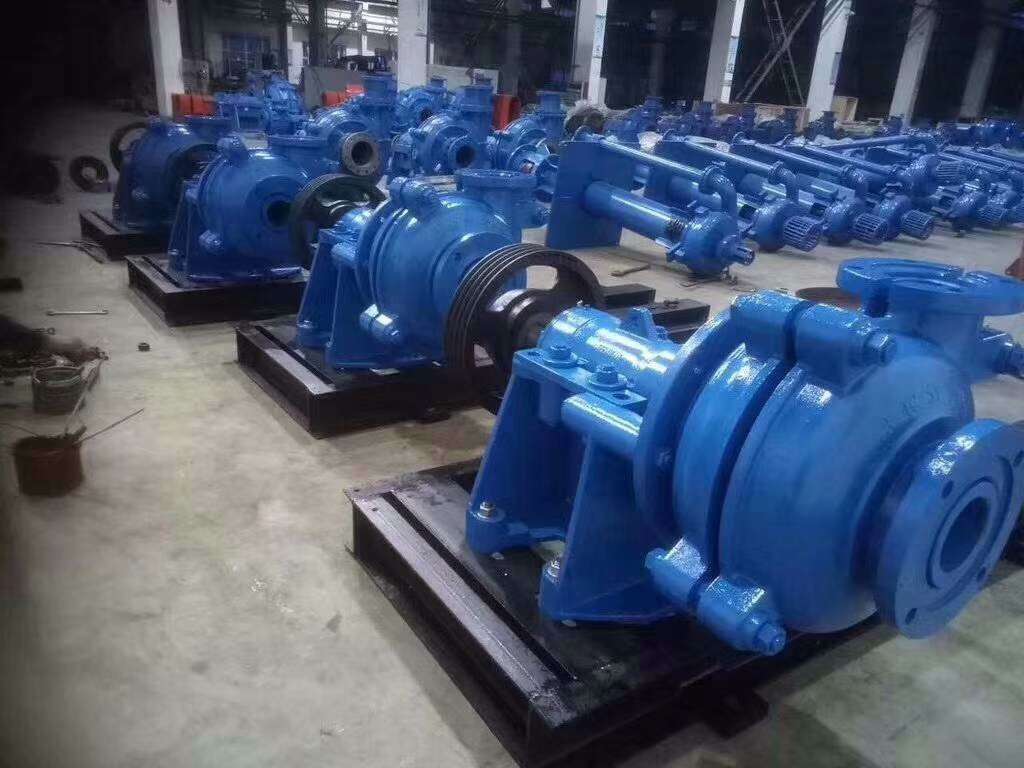
Goodwin submersible slurry pumps are engineered for the robust and continuous handling of abrasive and erosive slurries in demanding industrial applications. These pumps occupy a critical position within the fluid handling chain, particularly in mining, wastewater treatment, construction, and dredging operations. Unlike surface-mounted pumps requiring suction lift, submersible designs are directly immersed in the slurry, eliminating priming issues and maximizing hydraulic efficiency. Core performance characteristics center around solids handling capacity, abrasion resistance, and hydraulic performance optimized for high-density fluids. The selection of appropriate materials and hydraulic designs are paramount to longevity and reduced total cost of ownership in these harsh environments. A key differentiator of Goodwin pumps lies in their durable construction and optimized impeller designs tailored to specific slurry compositions and flow requirements, resulting in improved operational reliability and reduced downtime. The industry frequently struggles with premature pump failure due to impeller wear, seal leakage, and motor submersion issues; Goodwin addresses these via advanced material selection and robust sealing technologies.
Material Science & Manufacturing
The construction of Goodwin submersible slurry pumps leverages a sophisticated understanding of material science. Pump casings are typically manufactured from high-chrome iron alloys (typically containing 26-30% chromium) possessing exceptional abrasion resistance. The choice of chrome iron is dictated by its ability to form a hard, wear-resistant carbide layer during slurry abrasion. Impellers are similarly constructed from high-chrome iron or, for extremely abrasive slurries, utilize specialized materials like tungsten carbide or ceramic composites. Elastomeric components, such as seals and liners, are predominantly composed of natural rubber, nitrile rubber (NBR), or ethylene propylene diene monomer (EPDM) rubber, selected based on chemical compatibility with the pumped slurry. Manufacturing processes begin with precision casting of the pump housing and impeller. Critical dimensions are maintained through meticulous sand casting and subsequent machining. Welding is utilized for joining components, adhering to AWS D1.1 standards for structural welding. Impeller balancing is a crucial step, ensuring minimized vibration and prolonged bearing life. Motor housings are typically constructed from cast iron or stainless steel, with windings encapsulated in epoxy resin for moisture protection. Quality control throughout the manufacturing process relies on non-destructive testing (NDT) methods such as radiographic inspection and ultrasonic testing to identify internal flaws and ensure structural integrity.
Performance & Engineering
Performance of Goodwin submersible slurry pumps is intrinsically linked to hydraulic design and fluid mechanics principles. Force analysis focuses on managing radial and axial thrust generated by the impeller. High slurry densities and solids concentrations induce significant forces that must be effectively absorbed by the pump’s bearing system. Bearing selection – typically utilizing heavy-duty ball or roller bearings – is critical for mitigating these forces and ensuring pump longevity. Environmental resistance is addressed through robust sealing systems. Double mechanical seals with an oil-filled cavity are commonly employed to prevent slurry ingress and protect the motor. Pump performance curves, detailing head vs. flow rate, are generated through hydraulic testing conforming to ISO 9906 standards. Compliance requirements vary depending on the application; for instance, pumps used in potable water applications must meet NSF/ANSI 61 standards for material safety. Functional implementation relies on proper motor sizing, accounting for slurry density, viscosity, and head requirements. Variable Frequency Drives (VFDs) are often integrated to optimize pump speed and energy consumption based on fluctuating flow demands. The hydraulic design considers particle size distribution (PSD) of the slurry; impeller geometry is tailored to maximize solids handling capability while minimizing internal wear and plugging.
Technical Specifications
| Parameter | Unit | Model GS-100 | Model GS-200 |
|---|---|---|---|
| Maximum Flow Rate | m³/hr | 150 | 300 |
| Maximum Head | m | 40 | 60 |
| Maximum Solids Handling | mm | 75 | 100 |
| Motor Power | kW | 15 | 30 |
| Impeller Material | - | High Chrome Iron | Tungsten Carbide |
| Casing Material | - | High Chrome Iron | High Chrome Iron |
Failure Mode & Maintenance
Common failure modes in Goodwin submersible slurry pumps include impeller wear, seal failure, motor winding insulation breakdown, and bearing fatigue. Impeller wear is primarily caused by abrasive particle impact, leading to material loss and reduced pump performance. Seal failure results from abrasive particles damaging the seal faces or chemical attack degrading the elastomeric components. Motor winding insulation breakdown occurs due to moisture ingress, thermal stress, and electrical arcing. Bearing fatigue is initiated by excessive radial and axial loads, compounded by inadequate lubrication or contamination. Failure analysis techniques, such as metallographic examination of worn impellers and insulation resistance testing of motor windings, are crucial for identifying the root cause of failures. Preventive maintenance is paramount. Regular inspection of seals, bearings, and motor condition is essential. Lubrication of bearings with appropriate grease conforming to NLGI standards is critical. Periodic cleaning of the pump exterior and impeller to remove accumulated debris extends component life. Monitoring motor current and voltage provides early warning signs of potential winding issues. Replacement of worn impellers and seals based on operational hours and performance monitoring minimizes unplanned downtime.
Industry FAQ
Q: What is the optimal impeller material selection for a slurry containing 60% silica sand by volume?
A: For a slurry with 60% silica sand, tungsten carbide or a ceramic composite impeller is highly recommended. Silica is an exceptionally abrasive material, and high-chrome iron will experience rapid wear. Tungsten carbide and ceramic materials offer significantly higher abrasion resistance, extending impeller life and reducing maintenance frequency, despite the higher initial cost.
Q: How does the pump perform with varying slurry viscosity?
A: Increased slurry viscosity reduces pump flow rate and increases power consumption. Goodwin pumps are designed with optimized impeller geometries to accommodate a range of viscosities. However, for highly viscous slurries, a larger pump model and/or the implementation of a VFD to reduce pump speed may be necessary to maintain acceptable performance and prevent motor overload.
Q: What are the key considerations for submersible cable management to prevent damage?
A: Submersible cable management is critical. The cable should be adequately supported to prevent strain on the cable termination within the pump. Avoid sharp bends and ensure the cable is protected from abrasion against the pump casing or surrounding structures. Regular inspection of the cable for cuts or damage is essential, and appropriate cable protection sleeves should be used in high-wear areas.
Q: What is the recommended seal arrangement for handling slurries containing corrosive chemicals?
A: For corrosive slurries, a double mechanical seal arrangement with a barrier fluid system is strongly recommended. The barrier fluid (typically clean water or oil) provides lubrication to the seal faces and prevents the corrosive slurry from directly contacting the seals. The choice of seal face materials (e.g., silicon carbide, tungsten carbide) must be compatible with the specific chemical composition of the slurry.
Q: What are the typical maintenance intervals for a Goodwin submersible slurry pump operating 24/7 in a mining application?
A: In a 24/7 mining application, we recommend a preventative maintenance schedule including: weekly visual inspections of the cable and pump exterior, monthly bearing lubrication, quarterly seal inspections, and annual impeller inspection and potential replacement. Continuous monitoring of pump motor current and vibration can provide early warning signs of developing issues, allowing for proactive maintenance interventions.
Conclusion
Goodwin submersible slurry pumps represent a sophisticated solution for challenging fluid handling applications, distinguished by their robust construction, optimized hydraulic designs, and adaptable material selection. Understanding the interplay between slurry composition, pump performance characteristics, and potential failure modes is crucial for maximizing operational efficiency and minimizing lifecycle costs. Selecting the appropriate pump model and implementing a comprehensive preventative maintenance program are paramount to ensuring reliable and continuous operation in demanding industrial environments.
Looking forward, advancements in material science – specifically the development of even more abrasion-resistant alloys and ceramic composites – will further enhance the longevity and performance of these pumps. Integration of smart sensors and predictive maintenance algorithms will enable proactive monitoring of pump condition, allowing for timely interventions and preventing catastrophic failures. Continued innovation in sealing technology will also be critical for addressing the challenges of handling increasingly abrasive and corrosive slurries.
-
pump for sewage water Performance Analysis
News2026-05-23
-
plumbing sewage ejector pump Performance Engineering
News2026-05-23
-
home sewer pump station Performance and Engineering
News2026-05-23
-
high pressure sump pump Performance Analysis
News2026-05-23
-
high head effluent pump Performance Analysis
News2026-05-23
-
Effluent vs Sump Pump Performance Analysis
News2026-05-22
-
effluent septic pump Performance Engineering
News2026-05-22
-
best sewer pumps Performance Engineering
News2026-05-22
-
best sewer pump Performance Analysis
News2026-05-22
-
best sewage pumps Performance Engineering
News2026-05-22
-
basement bathroom sewage pump Material Science Manufacturing
News2026-05-21
-
wastewater treatment plant pumps Material Science Manufacturing
News2026-05-21
-
waste water pump for basement Material Science Manufacturing
News2026-05-21
-
sump pump sewage Performance Analysis
News2026-05-21
-
sump pump for sewage Material Science and Manufacturing
News2026-05-21




