English
- Afrikaans
- Albanian
- Amharic
- Arabic
- Armenian
- Azerbaijani
- Basque
- Belarusian
- Bengali
- Bosnian
- Bulgarian
- Catalan
- Cebuano
- Corsican
- Croatian
- Czech
- Danish
- Dutch
- English
- Esperanto
- Estonian
- Finnish
- French
- Frisian
- Galician
- Georgian
- German
- Greek
- Gujarati
- Haitian Creole
- hausa
- hawaiian
- Hebrew
- Hindi
- Miao
- Hungarian
- Icelandic
- igbo
- Indonesian
- irish
- Italian
- Japanese
- Javanese
- Kannada
- kazakh
- Khmer
- Rwandese
- Korean
- Kurdish
- Kyrgyz
- Lao
- Latin
- Latvian
- Lithuanian
- Luxembourgish
- Macedonian
- Malgashi
- Malay
- Malayalam
- Maltese
- Maori
- Marathi
- Mongolian
- Myanmar
- Nepali
- Norwegian
- Norwegian
- Occitan
- Pashto
- Persian
- Polish
- Portuguese
- Punjabi
- Romanian
- Russian
- Samoan
- Scottish Gaelic
- Serbian
- Sesotho
- Shona
- Sindhi
- Sinhala
- Slovak
- Slovenian
- Somali
- Spanish
- Sundanese
- Swahili
- Swedish
- Tagalog
- Tajik
- Tamil
- Tatar
- Telugu
- Thai
- Turkish
- Turkmen
- Ukrainian
- Urdu
- Uighur
- Uzbek
- Vietnamese
- Welsh
- Bantu
- Yiddish
- Yoruba
- Zulu

Telephone: +86 13120555503
Email: frank@cypump.com


Apr . 01, 2024 17:55 Back to list
giw slurry pumps Performance Analysis and Engineering Specifications
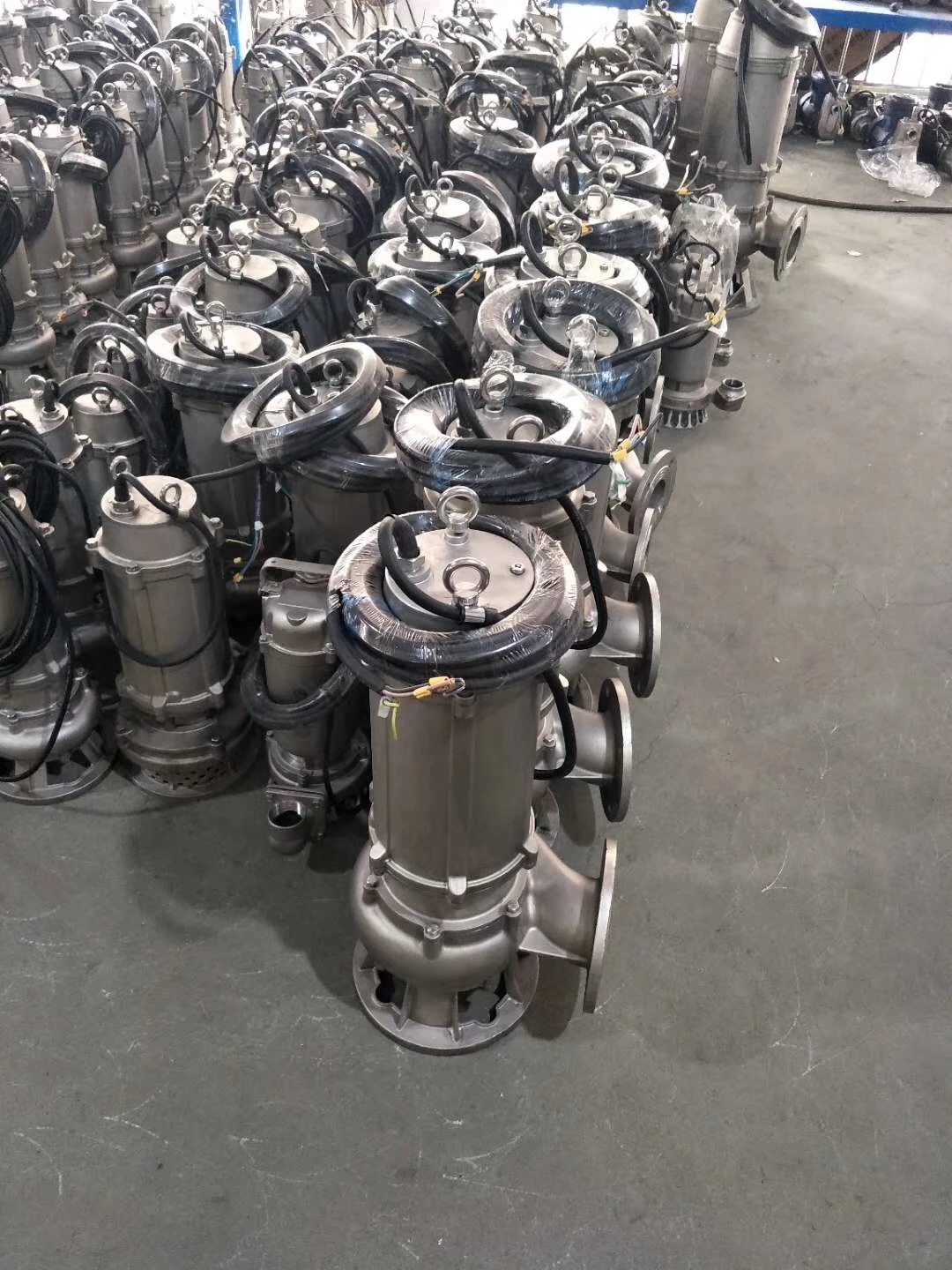
GIW Slurry Pumps Performance Analysis and Engineering Specifications
GIW slurry pumps represent a critical infrastructure component in the heavy industrial chain, specifically engineered for the conveyance of highly abrasive and corrosive fluids. Positioned as high-performance centrifugal pumps, they are designed to handle multi-phase mixtures consisting of liquid carriers and solid particulates, such as mineral tailings, chemical slurries, and metallurgical slags. The technical core of these pumps lies in their ability to maintain hydraulic efficiency while resisting the extreme erosive wear induced by high-velocity particle impingement. By integrating advanced metallurgy with precision fluid dynamics, GIW slurry pumps ensure operational continuity in environments where standard centrifugal pumps would suffer catastrophic failure within hours. Their role is pivotal in mining, dredging, and chemical processing, where the volumetric flow rate must be balanced against the specific gravity and particle size distribution of the medium.
Material Science & Manufacturing
The longevity of GIW slurry pumps is fundamentally determined by the synergy between material selection and manufacturing precision. Given the aggressive nature of slurry, the wet-end components—specifically the impeller and volute liner—are fabricated from high-chromium alloys (typically 27% Cr) and natural rubber composites. High-chromium white irons are utilized for their exceptional hardness (HRC 60+), providing a martensitic matrix embedded with primary M7C3 carbides that resist micro-cutting and abrasive wear. In contrast, for finer particles with high impact energy, elastomer liners are employed to absorb the kinetic energy of the slurry, thereby preventing the brittle fracture of the pump casing.
Manufacturing involves a rigorous process of precision casting and CNC machining. The impeller is often subjected to specialized heat treatment—including quenching and tempering—to eliminate internal stresses and optimize the carbide distribution. A critical manufacturing parameter is the surface roughness of the internal hydraulic paths; excessive roughness increases turbulence, which accelerates localized erosion (cavitation-erosion synergy). Furthermore, the integration of a heavy-duty bearing housing and a reinforced shaft assembly ensures that the pump can withstand the significant radial loads generated by asymmetrical wear of the impeller. The sealing systems are engineered using tungsten carbide or silicon carbide mechanical seals, often coupled with an external flushing system to prevent solids from penetrating the seal faces.
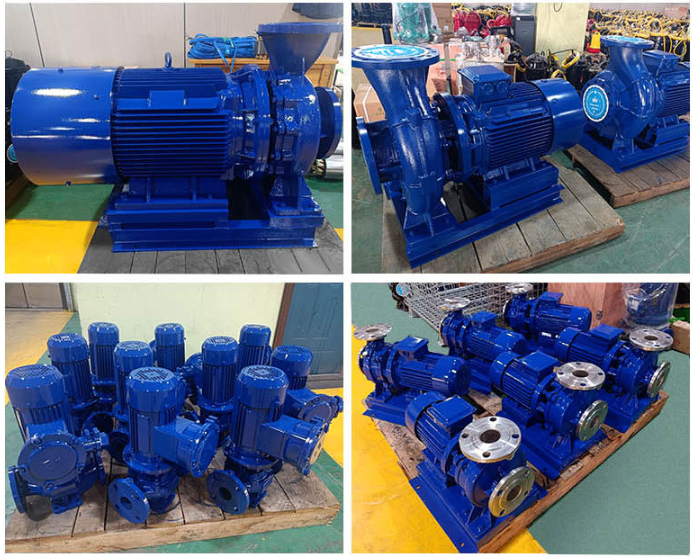
Performance & Engineering
Engineering a slurry pumping system requires a comprehensive analysis of fluid rheology and force dynamics. The primary challenge is the "Critical Settling Velocity" (CSV); if the flow velocity drops below the CSV, solids will precipitate, leading to pipeline blockage and erratic pump loading. GIW pumps are engineered with optimized impeller geometries to maintain a stable velocity profile, reducing the occurrence of stagnant zones where sedimentation occurs. The hydraulic design focuses on minimizing the "velocity gradient" at the impeller tips, as high velocity increases the wear rate exponentially (following the formula where wear is proportional to velocity cubed, V³).
Environmental resistance is another core engineering pillar. In chemical slurry applications, the risk of galvanic corrosion is mitigated through the use of noble alloy coatings or specialized polymers. From a mechanical perspective, the force analysis involves calculating the Net Positive Suction Head (NPSH) required to prevent cavitation. In slurry services, cavitation is particularly destructive because the collapse of vapor bubbles strips away the protective oxide layer of the metal, exposing fresh material to immediate abrasive wear. Compliance with international engineering standards ensures that the pump's structural integrity is maintained under pressure surges (water hammer) and varying slurry densities, ranging from 1.1 to 1.8 sg.
Technical Specifications
| Model Series | Max Flow Rate (m³/h) | Max Head (m) | Liner Material | Max Particle Size (mm) | Seal Type |
|---|---|---|---|---|---|
| GIW-S Series (Light) | 450 | 60 | Natural Rubber | 8 | Mechanical Seal |
| GIW-M Series (Medium) | 1,200 | 110 | High-Chrome Alloy | 15 | Expeller Seal |
| GIW-H Series (Heavy) | 3,500 | 180 | Duplex Stainless/Chrome | 25 | Double Mechanical |
| GIW-C Series (Chemical) | 800 | 90 | Hastelloy / PVDF | 5 | Cartridge Seal |
| GIW-X Series (Extreme) | 2,000 | 150 | Ceramic Composite | 20 | Gland Packing |
| GIW-D Series (Dredging) | 5,000 | 45 | Hardened Manganese Steel | 50 | Water-Cooled Seal |
Failure Mode & Maintenance
The failure modes of GIW slurry pumps are typically categorized by the interaction between mechanical stress and chemical degradation. The most prevalent failure is "Abrasive Wear," characterized by the thinning of the volute liner and the rounding of impeller vanes. This leads to a drop in discharge pressure and a decrease in hydraulic efficiency. Another critical failure mode is "Fatigue Cracking" of the pump shaft, often caused by shaft misalignment or the pumping of oversized solids that create unbalanced radial forces. In corrosive environments, "Pitting Corrosion" may occur, where localized chemical attacks create cavities that act as stress concentrators, eventually leading to structural rupture.
Professional maintenance requires a transition from reactive to predictive strategies. Vibration analysis is employed to detect bearing wear or impeller imbalance before catastrophic failure occurs. Maintenance protocols include the regular measurement of liner thickness using ultrasonic testing (UT) to schedule replacements before the external casing is compromised. For seal maintenance, the "Flush Water Quality" must be monitored; contaminated flush water accelerates the wear of the seal faces. When replacing impellers, it is mandatory to perform a dynamic balance check to ensure that the operational vibrations remain within ISO 10816 limits, thereby extending the mean time between failures (MTBF).
Industry FAQ
Q: How do you determine whether to use a rubber liner or a high-chrome alloy liner for a GIW pump?
A: The selection depends on the particle size and the nature of the abrasion. Rubber liners are superior for fine particles (typically < 0.5mm) and high-impact applications because they exhibit elastic deformation, absorbing the energy of the particles. High-chrome alloys are mandatory for coarse, sharp particles and high-pressure environments where hardness is required to resist micro-cutting.
Q: What is the impact of slurry viscosity on the NPSH required for these pumps?
A: Higher viscosity increases the frictional losses in the suction piping, which reduces the Net Positive Suction Head Available (NPSHA). If the NPSHA falls below the NPSHR (Required), the pump will cavitate. For high-viscosity slurries, we recommend increasing the suction pipe diameter or lowering the pump installation height relative to the source.
Q: How can we mitigate the rapid wear of the impeller eye in high-concentration slurries?
A: Wear at the impeller eye is often due to high turbulence and particle impingement. This can be mitigated by installing a suction diffuser or using a "sacrificial" wear plate. Additionally, ensuring a steady feed concentration prevents "slugging," which causes erratic wear patterns.
Q: What are the signs that the pump is operating too far from its Best Efficiency Point (BEP)?
A: Operating far from the BEP typically manifests as increased vibration, abnormal noise (resembling pumping gravel), and an accelerated wear rate on the wearing rings. Monitoring the pump curve in real-time allows engineers to adjust the variable frequency drive (VFD) to return the pump to its optimal operating window.
Q: Why is an expeller seal often preferred over a standard mechanical seal in slurry service?
A: Expeller seals use a centrifugal device to create a pressure barrier that pushes the slurry away from the shaft area. This eliminates the need for a constant external flush water supply and prevents abrasive particles from entering the seal chamber, which would otherwise cause rapid face wear and leakage.
Conclusion
The operational efficiency of GIW slurry pumps is a direct result of the precise integration of advanced material science and rigorous hydraulic engineering. By balancing the trade-off between material hardness and toughness, and by optimizing flow velocities to prevent both sedimentation and excessive erosion, these pumps provide the reliability necessary for the most demanding industrial environments. The technical density of their design—from the martensitic structure of the alloys to the precision of the mechanical seals—ensures they remain the industry benchmark for abrasive fluid conveyance.
Looking forward, the integration of IoT-based condition monitoring and the development of nano-composite liners are expected to further extend the service life of slurry pumps. For procurement and engineering teams, the focus must remain on total cost of ownership (TCO) rather than initial capital expenditure, prioritizing the MTBF and energy efficiency provided by high-specification components. Adherence to strict maintenance protocols and international standards remains the only viable path to ensuring systemic stability in slurry handling operations.
-
Comprehensive Guide to Waterproof ORings for Optimal Sealing Solutions
News2026-06-09
-
Septic Pump System Performance Analysis
News2026-06-08
-
pump for septic Material Science
News2026-06-08
-
basement sewer pump Performance Analysis
News2026-06-08
-
submerged pump Performance Engineering
News2026-06-08
-
Septic System Pumps Performance Analysis
News2026-06-08
-
septic system pump Material Science and Manufacturing
News2026-06-07
-
pump for septic tank Material Science Manufacturing
News2026-06-07
-
submersible sewage pump Material Science
News2026-06-07
-
Sewage Ejector Material Science and Manufacturing
News2026-06-07
-
Ejection Pump Material Science
News2026-06-07
-
pump submersible Performance Analysis
News2026-06-06
-
ejector pumps Performance Engineering
News2026-06-06
-
basement ejector pump Material Science Manufacturing
News2026-06-06
-
Septic Tanks Pumping Performance Analysis
News2026-06-06




