English
- Afrikaans
- Albanian
- Amharic
- Arabic
- Armenian
- Azerbaijani
- Basque
- Belarusian
- Bengali
- Bosnian
- Bulgarian
- Catalan
- Cebuano
- Corsican
- Croatian
- Czech
- Danish
- Dutch
- English
- Esperanto
- Estonian
- Finnish
- French
- Frisian
- Galician
- Georgian
- German
- Greek
- Gujarati
- Haitian Creole
- hausa
- hawaiian
- Hebrew
- Hindi
- Miao
- Hungarian
- Icelandic
- igbo
- Indonesian
- irish
- Italian
- Japanese
- Javanese
- Kannada
- kazakh
- Khmer
- Rwandese
- Korean
- Kurdish
- Kyrgyz
- Lao
- Latin
- Latvian
- Lithuanian
- Luxembourgish
- Macedonian
- Malgashi
- Malay
- Malayalam
- Maltese
- Maori
- Marathi
- Mongolian
- Myanmar
- Nepali
- Norwegian
- Norwegian
- Occitan
- Pashto
- Persian
- Polish
- Portuguese
- Punjabi
- Romanian
- Russian
- Samoan
- Scottish Gaelic
- Serbian
- Sesotho
- Shona
- Sindhi
- Sinhala
- Slovak
- Slovenian
- Somali
- Spanish
- Sundanese
- Swahili
- Swedish
- Tagalog
- Tajik
- Tamil
- Tatar
- Telugu
- Thai
- Turkish
- Turkmen
- Ukrainian
- Urdu
- Uighur
- Uzbek
- Vietnamese
- Welsh
- Bantu
- Yiddish
- Yoruba
- Zulu

Telephone: +86 13120555503
Email: frank@cypump.com


Apr . 01, 2024 17:55 Back to list
gallagher slurry pumps Performance Analysis
Introduction
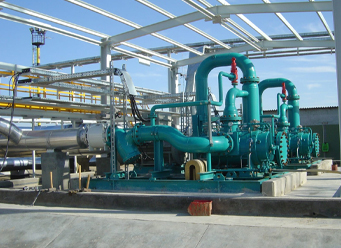
Gallagher slurry pumps are positive displacement pumps specifically engineered for the challenging task of transporting abrasive and erosive slurries. Positioned within the broader fluid handling industry, they serve critical roles in mining, wastewater treatment, chemical processing, and industrial sand management. Unlike centrifugal pumps, which lose efficiency with increasing slurry density, Gallagher pumps maintain consistent performance across a wide range of solid concentrations. Their core performance characteristics revolve around high head pressure, consistent flow rates, and exceptional resistance to wear, crucial for minimizing downtime and maintenance costs in harsh operating environments. The pumps utilize a rotating stator and rotor mechanism to create sealed cavities, enabling efficient slurry transfer even with large particle sizes. The industry increasingly demands pumps capable of handling increasingly abrasive materials and stringent environmental regulations, driving the need for robust and reliable slurry pump solutions like those offered by Gallagher.
Material Science & Manufacturing
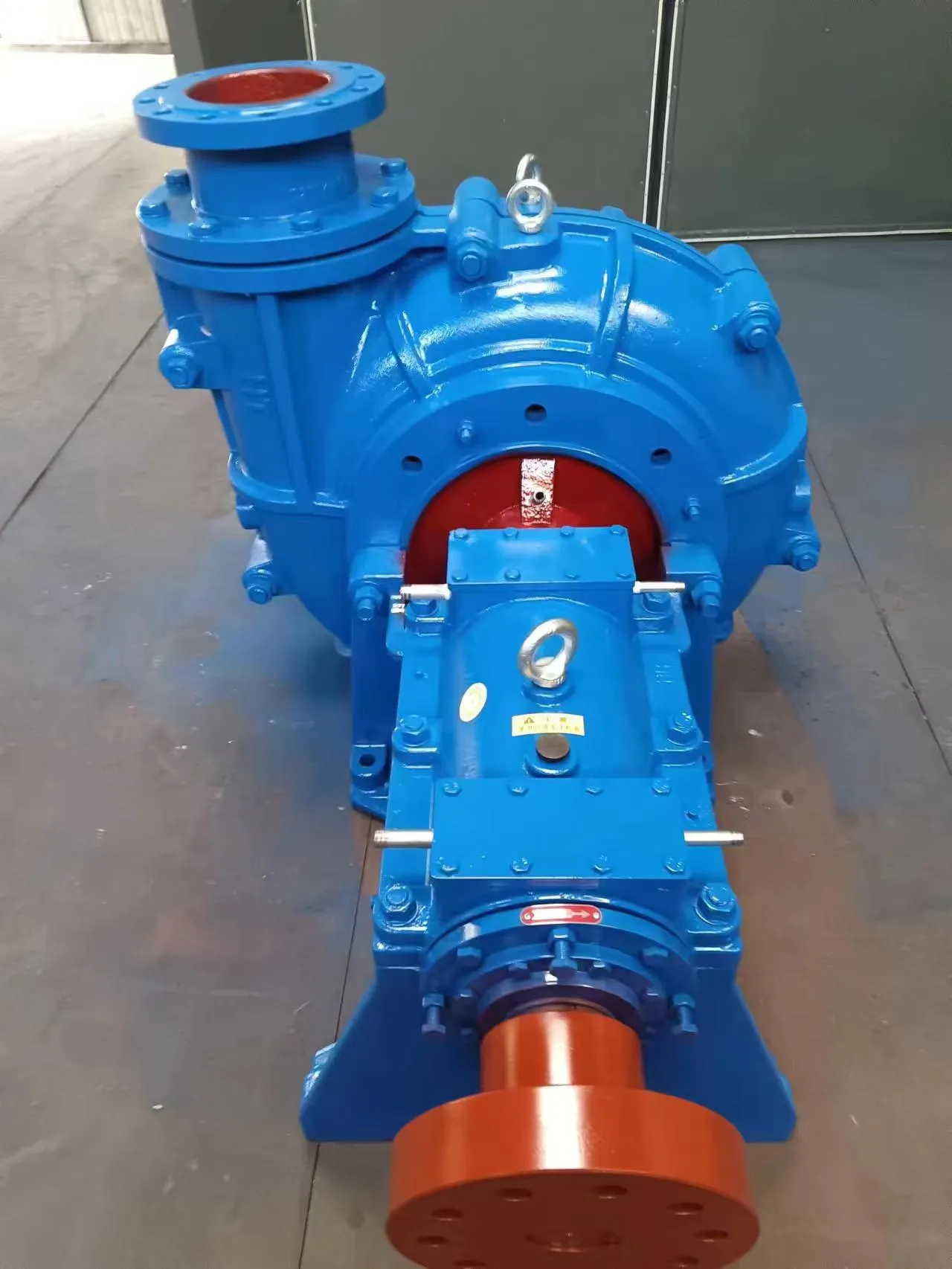
The construction of Gallagher slurry pumps hinges on a careful selection of materials designed to withstand the inherent corrosivity and abrasiveness of slurries. The rotor is typically manufactured from high-hardness alloy steel, such as 450 ductile iron or specialized chrome alloys, optimized for resistance to impact and erosion. The stator, responsible for creating the pumping cavity, is commonly composed of high-grade natural rubber or synthetic elastomers like EPDM (Ethylene Propylene Diene Monomer). The choice of elastomer depends heavily on the chemical composition of the slurry. For chemically aggressive fluids, Viton or other fluoropolymers may be employed. The pump casing is often constructed from cast iron, carbon steel, or stainless steel (304 or 316) depending on the application and slurry corrosivity. Manufacturing processes begin with precision casting or forging of the metallic components. The rotor undergoes machining to tight tolerances to ensure a tight, sealing fit within the stator. Stator vulcanization is a critical step, where the rubber compound is molded and cured around a mandrel to achieve the desired shape and dimensional accuracy. Parameter control during vulcanization – specifically temperature, pressure, and curing time – directly impacts the stator’s elasticity, durability, and resistance to swelling. Welding processes, where applicable, are performed using shielded metal arc welding (SMAW) or gas tungsten arc welding (GTAW) to ensure strong, corrosion-resistant joints. Non-destructive testing, including radiographic inspection and ultrasonic testing, are routinely employed to verify weld integrity and material soundness. Surface treatments like powder coating or epoxy painting are applied to the pump casing to provide additional corrosion protection.
Performance & Engineering
The performance of Gallagher slurry pumps is fundamentally governed by the principles of positive displacement. As the rotor rotates within the stator, sealed cavities are formed and move progressively through the pump, transporting the slurry. The pump’s capacity (flow rate) is directly proportional to the rotational speed of the rotor and the volume of the pumping cavities. Force analysis reveals that the primary stresses acting on the pump components are generated by the pressure differential between the suction and discharge sides and the impact forces from solid particles within the slurry. The pump casing must be engineered to withstand these pressures, with stress concentration points carefully minimized through optimized design. Environmental resistance is a paramount consideration. Exposure to extreme temperatures, UV radiation, and corrosive atmospheres can degrade the pump materials. The selection of appropriate elastomers for the stator and protective coatings for the casing are crucial for mitigating these effects. Gallagher pumps are engineered to meet stringent compliance requirements, including those outlined by API 674 (Positive Displacement Pumps - Reciprocating and Rotary) and ISO 13709 (Petroleum and natural gas industries – Positive displacement pumps). Hydraulic Institute standards are also frequently referenced for performance testing and verification. Functional implementation often involves integrating the pump into a larger slurry handling system, including piping, valves, and control systems. Proper pump sizing and system design are essential for maximizing efficiency and minimizing wear. Cavitation, although less common in positive displacement pumps compared to centrifugal pumps, can still occur if the suction pressure is insufficient, leading to premature failure of the rotor and stator.
Technical Specifications
| Model Number | Maximum Flow Rate (GPM) | Maximum Head (ft) | Maximum Solids Size (in) |
|---|---|---|---|
| GS40 | 150 | 120 | 2 |
| GS65 | 250 | 180 | 3 |
| GS80 | 350 | 250 | 4 |
| GS100 | 500 | 300 | 5 |
| GS150 | 750 | 350 | 6 |
| GS200 | 1000 | 400 | 8 |
Failure Mode & Maintenance
Gallagher slurry pumps, despite their robust design, are susceptible to several failure modes. Fatigue cracking in the rotor and casing can occur due to cyclical loading and stress concentrations, particularly in areas around welds or geometric discontinuities. Stator degradation is a common issue, manifesting as swelling, hardening, or cracking due to chemical attack, abrasion, or temperature extremes. Erosion of the rotor and stator surfaces is inevitable with abrasive slurries, leading to reduced pumping efficiency and increased clearances. Oxidation and corrosion of metallic components can occur, especially in chloride-rich environments. Delamination of the stator rubber can result from improper vulcanization or exposure to incompatible chemicals. Preventative maintenance is critical for extending pump life and minimizing downtime. Regular inspection of the rotor and stator for wear is essential. Periodic replacement of the stator is often necessary, depending on the abrasiveness of the slurry. Lubrication of bearings and seals should be performed according to manufacturer's recommendations. Monitoring pump performance parameters, such as flow rate, pressure, and motor current, can provide early warning signs of potential problems. In the event of a failure, a thorough root cause analysis should be conducted to identify the underlying issue and prevent recurrence. This may involve metallurgical analysis of failed components, chemical compatibility testing, and a review of operating procedures. Proper storage of spare parts and a well-defined maintenance schedule are crucial for ensuring prompt repairs and minimizing disruption to operations.
Industry FAQ
Q: What is the typical lifespan of a Gallagher slurry pump stator in a highly abrasive application?
A: The lifespan of a stator is highly dependent on the slurry's abrasiveness, particle size distribution, and chemical composition. In highly abrasive applications, such as mining with high silica content, a stator may require replacement every 6-12 months. Regular inspections and monitoring are crucial for predicting the need for replacement.
Q: How does the pump’s performance change with varying slurry density?
A: Unlike centrifugal pumps, Gallagher slurry pumps maintain relatively consistent performance across a wide range of slurry densities. The positive displacement action ensures that the flow rate remains stable, though higher densities may require slightly increased motor torque.
Q: What elastomers are best suited for handling slurries containing strong acids?
A: For slurries containing strong acids, Viton (fluorocarbon rubber) or other chemically resistant fluoropolymers are typically the best choice for the stator material. These elastomers exhibit excellent resistance to chemical attack and swelling.
Q: Can Gallagher slurry pumps handle slurries with high gas content?
A: Gallagher pumps can handle some gas entrainment, but excessive gas content can lead to reduced pumping efficiency and potential cavitation. A degassing system may be necessary for slurries with very high gas volumes.
Q: What preventative maintenance procedures are recommended to minimize downtime?
A: Recommended preventative maintenance includes regular visual inspections for wear, lubrication of bearings, monitoring of pump performance parameters (flow, pressure, current), and periodic replacement of the stator based on operating conditions. Implementing a scheduled maintenance program is crucial.
Conclusion
Gallagher slurry pumps represent a vital technology for industries grappling with the demanding task of slurry transport. Their positive displacement design, coupled with careful material selection and robust construction, ensures reliable performance even in the most abrasive and corrosive environments. Understanding the interplay between material science, manufacturing processes, and performance engineering is paramount for maximizing pump life and minimizing operational costs.
Looking forward, advancements in elastomer technology and pump design will continue to enhance the capabilities of Gallagher slurry pumps, enabling them to handle even more challenging slurries and meet evolving industry needs. Continued focus on preventative maintenance practices and proactive monitoring will remain crucial for ensuring long-term reliability and minimizing downtime. The demand for robust and efficient slurry handling solutions will only increase as industries strive for greater operational efficiency and environmental sustainability.
-
pump for sewage water Performance Analysis
News2026-05-23
-
plumbing sewage ejector pump Performance Engineering
News2026-05-23
-
home sewer pump station Performance and Engineering
News2026-05-23
-
high pressure sump pump Performance Analysis
News2026-05-23
-
high head effluent pump Performance Analysis
News2026-05-23
-
Effluent vs Sump Pump Performance Analysis
News2026-05-22
-
effluent septic pump Performance Engineering
News2026-05-22
-
best sewer pumps Performance Engineering
News2026-05-22
-
best sewer pump Performance Analysis
News2026-05-22
-
best sewage pumps Performance Engineering
News2026-05-22
-
basement bathroom sewage pump Material Science Manufacturing
News2026-05-21
-
wastewater treatment plant pumps Material Science Manufacturing
News2026-05-21
-
waste water pump for basement Material Science Manufacturing
News2026-05-21
-
sump pump sewage Performance Analysis
News2026-05-21
-
sump pump for sewage Material Science and Manufacturing
News2026-05-21




