English
- Afrikaans
- Albanian
- Amharic
- Arabic
- Armenian
- Azerbaijani
- Basque
- Belarusian
- Bengali
- Bosnian
- Bulgarian
- Catalan
- Cebuano
- Corsican
- Croatian
- Czech
- Danish
- Dutch
- English
- Esperanto
- Estonian
- Finnish
- French
- Frisian
- Galician
- Georgian
- German
- Greek
- Gujarati
- Haitian Creole
- hausa
- hawaiian
- Hebrew
- Hindi
- Miao
- Hungarian
- Icelandic
- igbo
- Indonesian
- irish
- Italian
- Japanese
- Javanese
- Kannada
- kazakh
- Khmer
- Rwandese
- Korean
- Kurdish
- Kyrgyz
- Lao
- Latin
- Latvian
- Lithuanian
- Luxembourgish
- Macedonian
- Malgashi
- Malay
- Malayalam
- Maltese
- Maori
- Marathi
- Mongolian
- Myanmar
- Nepali
- Norwegian
- Norwegian
- Occitan
- Pashto
- Persian
- Polish
- Portuguese
- Punjabi
- Romanian
- Russian
- Samoan
- Scottish Gaelic
- Serbian
- Sesotho
- Shona
- Sindhi
- Sinhala
- Slovak
- Slovenian
- Somali
- Spanish
- Sundanese
- Swahili
- Swedish
- Tagalog
- Tajik
- Tamil
- Tatar
- Telugu
- Thai
- Turkish
- Turkmen
- Ukrainian
- Urdu
- Uighur
- Uzbek
- Vietnamese
- Welsh
- Bantu
- Yiddish
- Yoruba
- Zulu

Telephone: +86 13120555503
Email: frank@cypump.com


Apr . 01, 2024 17:55 Back to list
galigher vertical sump pump Material Science Manufacturing
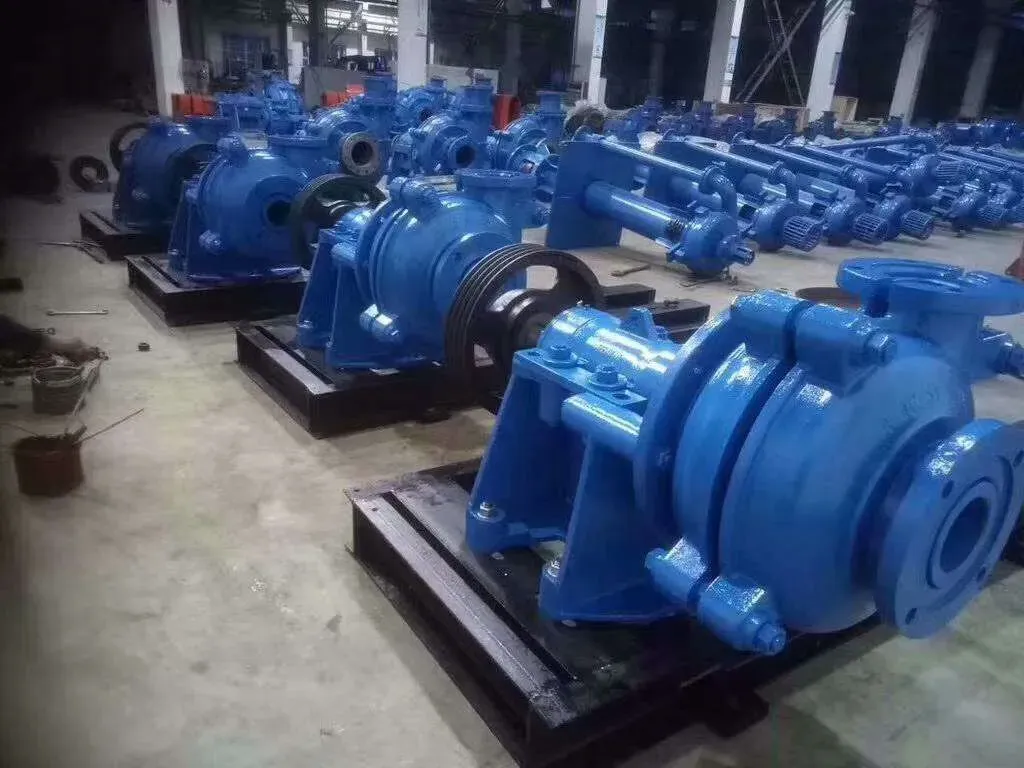
Introduction
Galigher vertical sump pumps are critical components in numerous industrial fluid handling applications, particularly within wastewater treatment, chemical processing, and mining. They are designed for submerged operation, efficiently transferring liquids from sumps, pits, and excavations. Their vertical configuration minimizes footprint and simplifies installation, especially in confined spaces. These pumps function by utilizing an electric motor driving an impeller, creating centrifugal force to move fluids. Core performance characteristics revolve around flow rate (measured in gallons per minute or cubic meters per hour), head (the maximum height the pump can lift the fluid), and solids handling capability (the maximum size and concentration of particulate matter the pump can process without clogging). The selection of the appropriate Galigher pump relies heavily on understanding the fluid’s specific gravity, viscosity, temperature, and the presence of abrasive or corrosive elements. Addressing common industry pain points like pump cavitation, impeller wear, and seal failure is paramount in achieving operational efficiency and minimizing downtime.
Material Science & Manufacturing
The construction of Galigher vertical sump pumps relies on a careful selection of materials to withstand the harsh conditions inherent in many pumping applications. Pump housings are typically fabricated from cast iron (ASTM A48 Class 30 or equivalent), offering robust mechanical strength and resistance to corrosion in mildly corrosive environments. However, for more aggressive fluids, materials like stainless steel (304, 316, or duplex grades conforming to ASTM A743) and Alloy 20 are employed. Impellers are commonly manufactured from ductile iron (ASTM A536-85) or bronze, providing a balance of strength, corrosion resistance, and wear characteristics. Shafts are generally constructed from high-strength alloy steel (4140 or equivalent) and hardened to withstand torsional stress. Seals are critical and typically employ materials like silicon carbide, tungsten carbide, or ceramic to ensure long-term performance and prevent leakage.
The manufacturing process typically begins with casting the pump housing and impeller. Castings undergo rigorous quality control checks, including radiographic inspection and dimensional analysis, to ensure compliance with design specifications. Machining operations, utilizing CNC technology, precisely shape the impeller and housing to achieve optimal hydraulic performance. Shafts are machined, hardened, and ground to tight tolerances. Assembly is a multi-stage process involving careful alignment and torquing of components. Welding, when necessary, is performed by certified welders and subjected to non-destructive testing (NDT) methods like ultrasonic testing (UT) and liquid penetrant inspection (LPI) to verify weld integrity. Parameter control during manufacturing focuses on maintaining dimensional accuracy, surface finish, and material composition to ensure consistent pump performance and reliability. The final stage is hydrostatic testing, where the pump is pressurized with water to verify leak-tightness and structural integrity.
Performance & Engineering
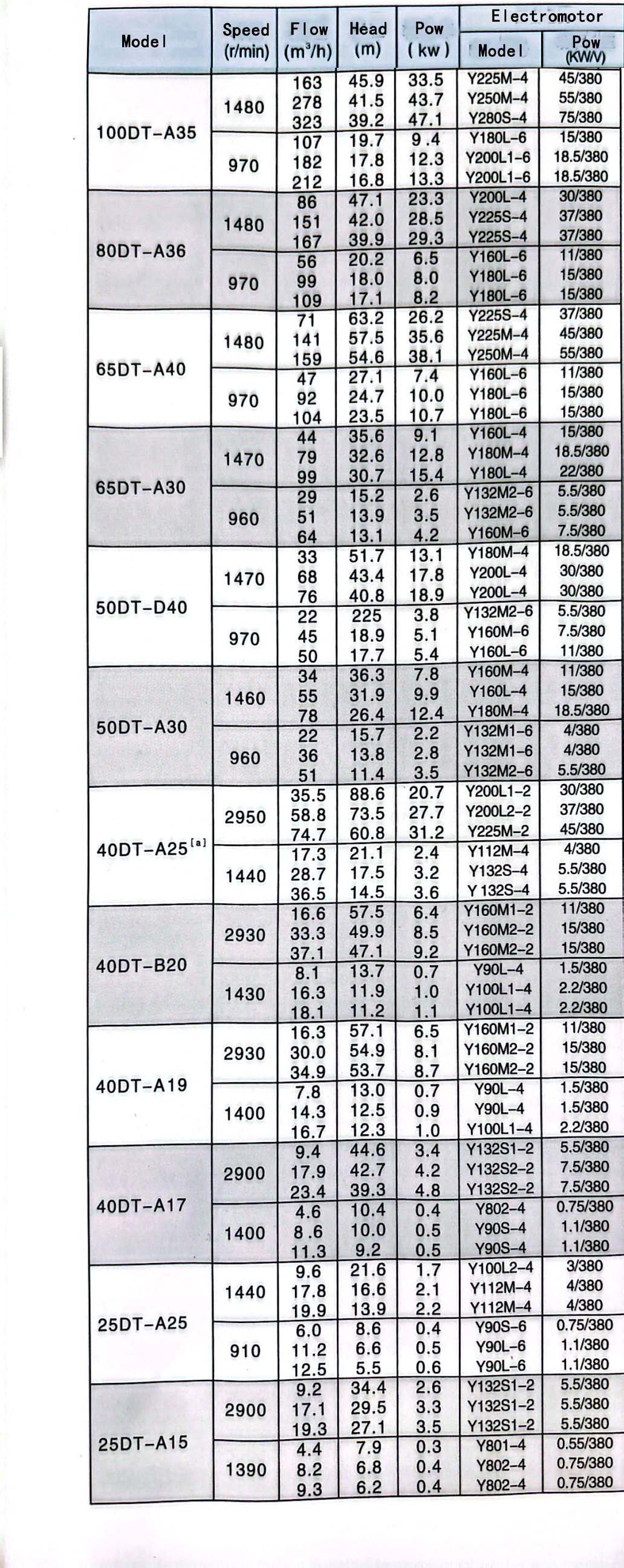
The performance of a Galigher vertical sump pump is governed by several key engineering principles. Force analysis focuses on understanding the hydraulic forces acting on the impeller, the static and dynamic loads on the shaft, and the stresses within the pump housing. Finite Element Analysis (FEA) is commonly employed to optimize pump design and minimize stress concentrations. Environmental resistance is a critical consideration, particularly concerning corrosion and abrasion. The selection of appropriate materials, as previously discussed, is crucial in mitigating these effects. Pump curves, which plot flow rate against head, are essential for selecting a pump that matches the specific application requirements. These curves are generated through rigorous testing and validated against industry standards.
Compliance requirements vary depending on the application and geographic location. Pumps destined for potable water applications must meet NSF/ANSI 61 standards for lead content and material safety. Pumps used in hazardous locations must comply with ATEX or IECEx standards for explosion protection. Electrical components must meet NEMA standards for motor efficiency and safety. Proper installation and alignment are crucial for optimal pump performance and longevity. Misalignment can lead to premature bearing failure and increased vibration. Regular monitoring of pump vibration, temperature, and current draw can provide early warning signs of potential problems. System design considerations, such as suction and discharge piping configuration, are also vital to prevent cavitation and ensure efficient operation.
Technical Specifications
| Parameter | Unit | Typical Range (Model Dependent) | Standard Compliance |
|---|---|---|---|
| Flow Rate | GPM (US) | 50 - 5000 | HI 1.6 |
| Total Dynamic Head | ft | 20 - 200 | ANSI/ASME B73.1 |
| Motor Horsepower | HP | 3 - 200 | NEMA MG 1 |
| Solids Handling | inches | Up to 3 | N/A - Application Specific |
| Impeller Material | - | Ductile Iron, Bronze | ASTM A536-85, ASTM B148 |
| Housing Material | - | Cast Iron, Stainless Steel | ASTM A48 Class 30, ASTM A743 |
Failure Mode & Maintenance
Galigher vertical sump pumps are susceptible to several failure modes. Fatigue cracking in the impeller, particularly around the vanes, can occur due to cyclical loading and stress concentrations. Delamination of coatings on the pump housing can lead to corrosion. Degradation of seals results in leakage and reduced pump efficiency. Oxidation of metallic components in corrosive environments accelerates wear and reduces structural integrity. Abrasive wear, common in applications handling slurries or fluids containing particulate matter, diminishes impeller efficiency and shortens pump life. Cavitation, caused by vapor bubbles forming and collapsing within the pump, erodes impeller surfaces and generates noise.
Preventative maintenance is critical to extending pump life and minimizing downtime. Regular inspection of seals, bearings, and impellers for wear or damage is essential. Lubrication of bearings according to manufacturer’s recommendations is vital. Monitoring pump vibration and temperature can detect early signs of problems. Periodic cleaning of the pump intake and discharge to remove debris prevents clogging and maintains flow rate. For pumps handling abrasive fluids, consider implementing wear-resistant coatings or using pumps constructed from hardened materials. If cavitation is suspected, investigate the system for issues such as low suction head or clogged intake screens. Repair strategies range from replacing worn seals and bearings to overhauling the pump with new impellers and housings. Proper storage of spare parts ensures quick turnaround times for repairs.
Industry FAQ
Q: What is the best material selection for a Galigher pump handling a highly corrosive chemical solution?
A: For highly corrosive environments, we recommend Alloy 20 or specific grades of stainless steel (316 or duplex) for both the pump housing and impeller. These materials offer superior resistance to a wide range of chemicals, minimizing corrosion and extending pump life. The specific alloy selection should be based on a detailed chemical compatibility analysis.
Q: How can I mitigate the risk of cavitation in my sump pump system?
A: Cavitation is typically caused by insufficient Net Positive Suction Head Available (NPSHA). Ensure the pump is not installed too high above the fluid level, that suction piping is adequately sized, and there are no restrictions or obstructions in the suction line. Regularly inspect and clean the intake screen to prevent clogging.
Q: What is the expected lifespan of a Galigher pump impeller in a slurry application?
A: The lifespan of the impeller in a slurry application depends heavily on the slurry’s abrasiveness, solids concentration, and particle size distribution. With proper material selection (e.g., hardened ductile iron or high-chrome alloys) and regular inspection, an impeller can typically last between 12-36 months. Implementing wear-resistant coatings can significantly extend its life.
Q: What maintenance procedures are essential for ensuring optimal pump performance?
A: Essential maintenance includes regular lubrication of bearings, inspection of seals for leakage, visual checks for corrosion or wear, vibration analysis, and periodic cleaning of the pump intake and discharge. Keeping detailed maintenance logs is crucial for tracking pump performance and identifying potential problems.
Q: What safety standards should be considered when installing and operating a Galigher pump in a hazardous environment?
A: In hazardous environments, the pump and its electrical components must comply with ATEX or IECEx standards for explosion protection. Proper grounding and bonding are essential to prevent static electricity buildup. Adherence to local electrical codes and safety regulations is paramount.
Conclusion
Galigher vertical sump pumps represent a robust and reliable solution for a diverse range of industrial fluid handling applications. Their performance is predicated on a sophisticated interplay of material science, engineering design, and meticulous manufacturing processes. Understanding the pump’s operational principles, potential failure modes, and appropriate maintenance procedures is critical for maximizing its lifespan and minimizing operational costs.
Future advancements in sump pump technology are likely to focus on enhanced materials with superior corrosion and abrasion resistance, smart monitoring systems for predictive maintenance, and optimized impeller designs for improved hydraulic efficiency. Investing in high-quality pumps and implementing a comprehensive maintenance program will continue to be essential for ensuring reliable and cost-effective fluid handling operations.
-
Precision at the Pump: How Better Machining Protects Flow and Uptime
News2026-11-20
-
Why Pump Reliability Begins Before the First Drop of Fluid
News2026-11-20
-
Beyond the Pump: Designing Safer Access Around Critical Water Infrastructure
News2026-11-20
-
Why Pumping Stations Depend on the Infrastructure Beneath the Pumps
News2026-11-20
-
Beyond the Pump Room: How Smarter Loading Protects Industrial Equipment
News2026-11-19
-
When Pumps Stop: Designing More Resilient Power for Critical Pumping Systems
News2026-11-19
-
The Hidden Role of Dust and Gas Monitoring in Reliable Pump Operations
News2026-11-19
-
The Hidden Role of Mineral Compounds in Extending Industrial Pump Lifespan
News2026-10-12
-
Why Pump System Reliability Depends on Precision Hose Assembly Methods
News2026-09-15
-
How Advanced Imaging Films Are Transforming Pump Component Quality Control
News2026-08-25
-
How Advanced Filtration Protects Pump Systems from Premature Wear and Costly Downtime
News2026-08-25
-
How Steel Material Selection Drives Pump Reliability in Heavy-Duty Systems
News2026-08-25
-
Ensuring Pump System Efficiency: The Role of High-Quality Pipe Fittings and Tubing
News2026-08-24
-
Optimizing Fluid Dynamics and Material Consistency in Industrial Processing
News2026-08-18
-
Innovations and Challenges in Hydraulic Systems for Heavy Machinery
News2026-08-13




