English
- Afrikaans
- Albanian
- Amharic
- Arabic
- Armenian
- Azerbaijani
- Basque
- Belarusian
- Bengali
- Bosnian
- Bulgarian
- Catalan
- Cebuano
- Corsican
- Croatian
- Czech
- Danish
- Dutch
- English
- Esperanto
- Estonian
- Finnish
- French
- Frisian
- Galician
- Georgian
- German
- Greek
- Gujarati
- Haitian Creole
- hausa
- hawaiian
- Hebrew
- Hindi
- Miao
- Hungarian
- Icelandic
- igbo
- Indonesian
- irish
- Italian
- Japanese
- Javanese
- Kannada
- kazakh
- Khmer
- Rwandese
- Korean
- Kurdish
- Kyrgyz
- Lao
- Latin
- Latvian
- Lithuanian
- Luxembourgish
- Macedonian
- Malgashi
- Malay
- Malayalam
- Maltese
- Maori
- Marathi
- Mongolian
- Myanmar
- Nepali
- Norwegian
- Norwegian
- Occitan
- Pashto
- Persian
- Polish
- Portuguese
- Punjabi
- Romanian
- Russian
- Samoan
- Scottish Gaelic
- Serbian
- Sesotho
- Shona
- Sindhi
- Sinhala
- Slovak
- Slovenian
- Somali
- Spanish
- Sundanese
- Swahili
- Swedish
- Tagalog
- Tajik
- Tamil
- Tatar
- Telugu
- Thai
- Turkish
- Turkmen
- Ukrainian
- Urdu
- Uighur
- Uzbek
- Vietnamese
- Welsh
- Bantu
- Yiddish
- Yoruba
- Zulu

Telephone: +86 13120555503
Email: frank@cypump.com


Apr . 01, 2024 17:55 Back to list
galigher sump pump Performance and Engineering
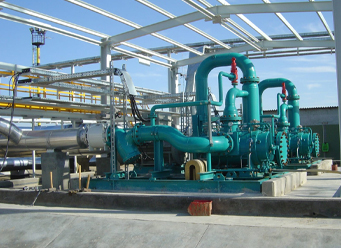
Introduction
Galigher sump pumps represent a critical component in fluid management systems, primarily employed in dewatering applications across various industrial sectors. These pumps are designed to efficiently remove accumulated water from excavations, mines, construction sites, and industrial facilities. Their technical position within the industry chain lies between the raw material suppliers (cast iron, stainless steel, polymers) and the end-user applications, serving as a vital link in ensuring operational safety, preventing flooding, and maintaining process continuity. Core performance characteristics center around flow rate (gallons per minute – GPM), total dynamic head (TDH – feet), solids handling capability (inch diameter), and power requirements (horsepower – HP). Understanding these parameters is crucial for selecting the appropriate Galigher sump pump for a specific application. A key industry pain point is the frequent failure of impellers due to abrasive materials within the pumped fluid, leading to costly downtime and repairs. Another significant concern is pump cavitation resulting from improper installation or operating conditions. Addressing these issues requires robust material selection, appropriate pump sizing, and adherence to recommended operating procedures.
Material Science & Manufacturing
Galigher sump pumps utilize a combination of materials selected for their durability and resistance to corrosion. Pump casings are commonly constructed from cast iron (ASTM A48 Class 30) due to its cost-effectiveness and machinability. However, for applications involving aggressive fluids or seawater, stainless steel alloys (304, 316 – ASTM A743) are preferred to prevent corrosion. Impellers are often made from high-chrome cast iron, providing excellent abrasion resistance, crucial for handling fluids containing sand, gravel, or slurry. Shafts are typically manufactured from 4140 alloy steel (ASTM A29), heat treated to achieve high tensile strength and torsional rigidity. Seals utilize materials like Viton (fluoroelastomer) or EPDM (ethylene propylene diene monomer) rubber, chosen for their chemical compatibility and sealing performance.
Manufacturing processes involve several key steps. The casting process for iron and steel components utilizes sand casting or investment casting, ensuring dimensional accuracy. Machining operations, including turning, milling, and drilling, are performed to achieve precise tolerances and surface finishes. Impellers are often produced via centrifugal casting to maximize density and minimize porosity. Welding processes, such as shielded metal arc welding (SMAW) or submerged arc welding (SAW), are employed to join components, requiring rigorous quality control to ensure weld integrity. Critical parameters during manufacturing include maintaining precise alloy compositions, controlling cooling rates during heat treatment, and implementing non-destructive testing (NDT) methods like radiography and ultrasonic testing to detect internal flaws. Proper surface preparation and coating application (e.g., epoxy coatings) are vital for enhancing corrosion resistance.
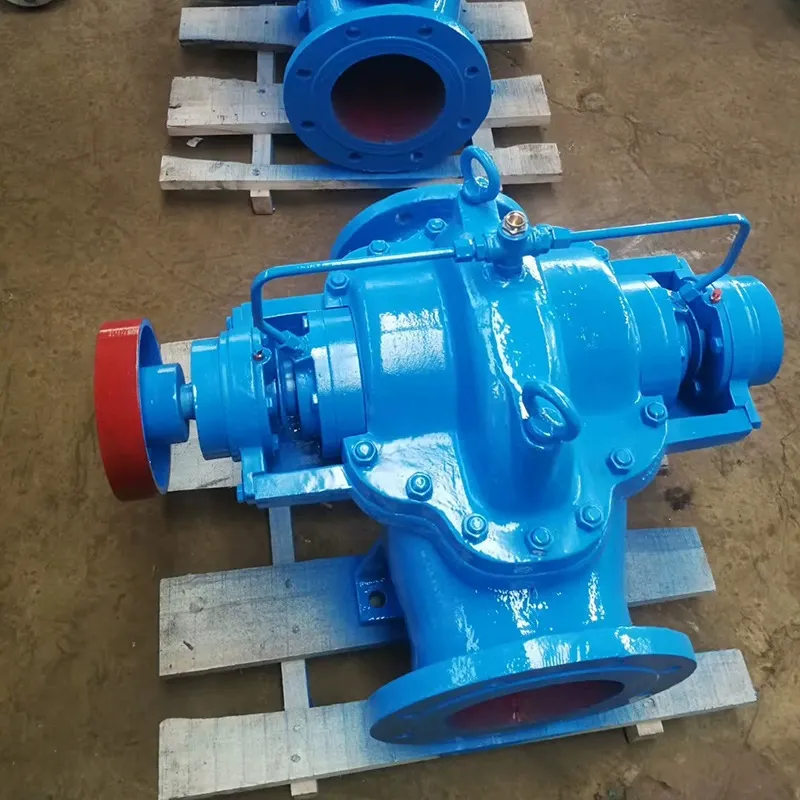
Performance & Engineering
The performance of a Galigher sump pump is dictated by hydraulic principles governing fluid flow and energy transfer. Force analysis considers the forces exerted on the impeller by the fluid, the static head (elevation difference between the pump and the discharge point), and the friction losses within the piping system. The pump’s efficiency is a critical parameter, representing the ratio of hydraulic power output to the electrical power input. Environmental resistance is a key concern, particularly in outdoor applications. Pumps must be able to withstand extreme temperatures, humidity, and exposure to corrosive elements. Compliance requirements vary depending on the application and geographical location. For example, pumps used in potable water systems must meet NSF/ANSI 61 standards for material safety. Electrical components must comply with UL or IEC standards for electrical safety.
Functional implementation involves selecting the appropriate pump type (submersible, centrifugal, diaphragm) based on the specific application requirements. Submersible pumps are commonly used for dewatering excavations, while centrifugal pumps are often employed in industrial process applications. Pump sizing is crucial to ensure adequate flow rate and head. Incorrect pump sizing can lead to cavitation, reduced efficiency, and premature failure. Proper installation, including correct pipe sizing and support, is essential for optimal performance and longevity. Variable Frequency Drives (VFDs) are increasingly used to control pump speed and optimize energy consumption.
Technical Specifications
| Model Number | Flow Rate (GPM) | Total Dynamic Head (ft) | Motor Horsepower (HP) |
|---|---|---|---|
| GSP-100 | 100 | 60 | 10 |
| GSP-200 | 200 | 80 | 20 |
| GSP-300 | 300 | 100 | 30 |
| GSP-400 | 400 | 120 | 40 |
| GSP-500 | 500 | 140 | 50 |
| GSP-600 | 600 | 160 | 60 |
Failure Mode & Maintenance
Galigher sump pumps are susceptible to various failure modes. Fatigue cracking of the impeller, particularly in abrasive environments, is a common issue. Cavitation, caused by vapor bubble collapse, can erode the impeller and casing. Seal failure, leading to leakage, is often due to wear, chemical incompatibility, or improper installation. Bearing failure can result from inadequate lubrication or overload. Corrosion, especially in seawater or acidic environments, can weaken the pump components. Delamination of protective coatings can expose the underlying metal to corrosion.
Preventive maintenance is crucial for maximizing pump lifespan. Regular inspection of the impeller, seals, and bearings is essential. Lubrication should be performed according to the manufacturer’s recommendations. The pump’s operating conditions should be monitored to prevent cavitation and overload. The fluid being pumped should be filtered to remove abrasive particles. Periodic cleaning of the pump and piping system can prevent clogging. When replacing parts, it is essential to use genuine Galigher replacement parts to ensure compatibility and performance. Annual inspections by qualified technicians can identify potential problems before they lead to catastrophic failure.
Industry FAQ
Q: What is the typical lifespan of a Galigher sump pump impeller operating in a slurry environment?
A: The lifespan of an impeller in a slurry environment depends heavily on the slurry's composition, particle size, and concentration. However, with a high-chrome impeller and regular inspections, a typical lifespan can range from 1 to 3 years. Frequent monitoring and replacement of worn impellers are critical to preventing catastrophic pump failure and maintaining efficiency.
Q: How does the total dynamic head affect the pump's energy consumption?
A: Total dynamic head (TDH) has a direct correlation with energy consumption. Higher TDH requires the pump to exert more energy to lift and move the fluid. Energy consumption increases proportionally with TDH, but not linearly. Optimizing pipe sizing and minimizing friction losses can reduce TDH and lower energy costs.
Q: What material is recommended for a Galigher sump pump handling seawater?
A: For handling seawater, pumps constructed from 316 stainless steel are highly recommended due to their superior corrosion resistance to chlorides. The use of Viton or EPDM seals is also crucial to prevent degradation from saltwater exposure. Regular flushing with fresh water can further mitigate corrosion risks.
Q: What are the primary causes of cavitation in a Galigher sump pump, and how can it be prevented?
A: Cavitation is primarily caused by a drop in pressure below the fluid's vapor pressure, forming vapor bubbles that collapse violently, damaging the impeller. Common causes include insufficient inlet pressure (low NPSHa), high pump speed, and excessive suction lift. Prevention involves ensuring adequate inlet pressure, reducing pump speed, minimizing suction lift, and properly venting the pump system.
Q: What is the role of a Variable Frequency Drive (VFD) in optimizing the performance of a Galigher sump pump?
A: A VFD allows for precise control of the pump's motor speed, enabling it to match the flow rate to the actual demand. This optimizes energy consumption, reduces wear and tear on the pump, and minimizes water hammer effects. VFDs are particularly beneficial in applications with fluctuating flow requirements.
Conclusion
Galigher sump pumps are essential equipment in various industrial applications, demanding a thorough understanding of their material science, manufacturing processes, and operational parameters. Selecting the correct pump, ensuring proper installation, and implementing a robust preventative maintenance program are critical for maximizing performance, minimizing downtime, and extending pump lifespan. The ongoing evolution of pump technology, including the integration of VFDs and advanced materials, offers opportunities for further optimization and efficiency gains.
Addressing the industry’s pain points – particularly impeller wear and cavitation – requires continuous innovation in material science and hydraulic design. Future developments may focus on developing more abrasion-resistant impeller materials, implementing intelligent pump control systems, and optimizing pump geometries to minimize cavitation risks. Adherence to relevant international standards and best practices remains paramount for ensuring the safe and reliable operation of Galigher sump pumps.
-
Precision at the Pump: How Better Machining Protects Flow and Uptime
News2026-11-20
-
Why Pump Reliability Begins Before the First Drop of Fluid
News2026-11-20
-
Beyond the Pump: Designing Safer Access Around Critical Water Infrastructure
News2026-11-20
-
Why Pumping Stations Depend on the Infrastructure Beneath the Pumps
News2026-11-20
-
Beyond the Pump Room: How Smarter Loading Protects Industrial Equipment
News2026-11-19
-
When Pumps Stop: Designing More Resilient Power for Critical Pumping Systems
News2026-11-19
-
The Hidden Role of Dust and Gas Monitoring in Reliable Pump Operations
News2026-11-19
-
The Hidden Role of Mineral Compounds in Extending Industrial Pump Lifespan
News2026-10-12
-
Why Pump System Reliability Depends on Precision Hose Assembly Methods
News2026-09-15
-
How Advanced Imaging Films Are Transforming Pump Component Quality Control
News2026-08-25
-
How Advanced Filtration Protects Pump Systems from Premature Wear and Costly Downtime
News2026-08-25
-
How Steel Material Selection Drives Pump Reliability in Heavy-Duty Systems
News2026-08-25
-
Ensuring Pump System Efficiency: The Role of High-Quality Pipe Fittings and Tubing
News2026-08-24
-
Optimizing Fluid Dynamics and Material Consistency in Industrial Processing
News2026-08-18
-
Innovations and Challenges in Hydraulic Systems for Heavy Machinery
News2026-08-13




