English
- Afrikaans
- Albanian
- Amharic
- Arabic
- Armenian
- Azerbaijani
- Basque
- Belarusian
- Bengali
- Bosnian
- Bulgarian
- Catalan
- Cebuano
- Corsican
- Croatian
- Czech
- Danish
- Dutch
- English
- Esperanto
- Estonian
- Finnish
- French
- Frisian
- Galician
- Georgian
- German
- Greek
- Gujarati
- Haitian Creole
- hausa
- hawaiian
- Hebrew
- Hindi
- Miao
- Hungarian
- Icelandic
- igbo
- Indonesian
- irish
- Italian
- Japanese
- Javanese
- Kannada
- kazakh
- Khmer
- Rwandese
- Korean
- Kurdish
- Kyrgyz
- Lao
- Latin
- Latvian
- Lithuanian
- Luxembourgish
- Macedonian
- Malgashi
- Malay
- Malayalam
- Maltese
- Maori
- Marathi
- Mongolian
- Myanmar
- Nepali
- Norwegian
- Norwegian
- Occitan
- Pashto
- Persian
- Polish
- Portuguese
- Punjabi
- Romanian
- Russian
- Samoan
- Scottish Gaelic
- Serbian
- Sesotho
- Shona
- Sindhi
- Sinhala
- Slovak
- Slovenian
- Somali
- Spanish
- Sundanese
- Swahili
- Swedish
- Tagalog
- Tajik
- Tamil
- Tatar
- Telugu
- Thai
- Turkish
- Turkmen
- Ukrainian
- Urdu
- Uighur
- Uzbek
- Vietnamese
- Welsh
- Bantu
- Yiddish
- Yoruba
- Zulu

Telephone: +86 13120555503
Email: frank@cypump.com


Apr . 01, 2024 17:55 Back to list
froth slurry pump supplier Performance Engineering
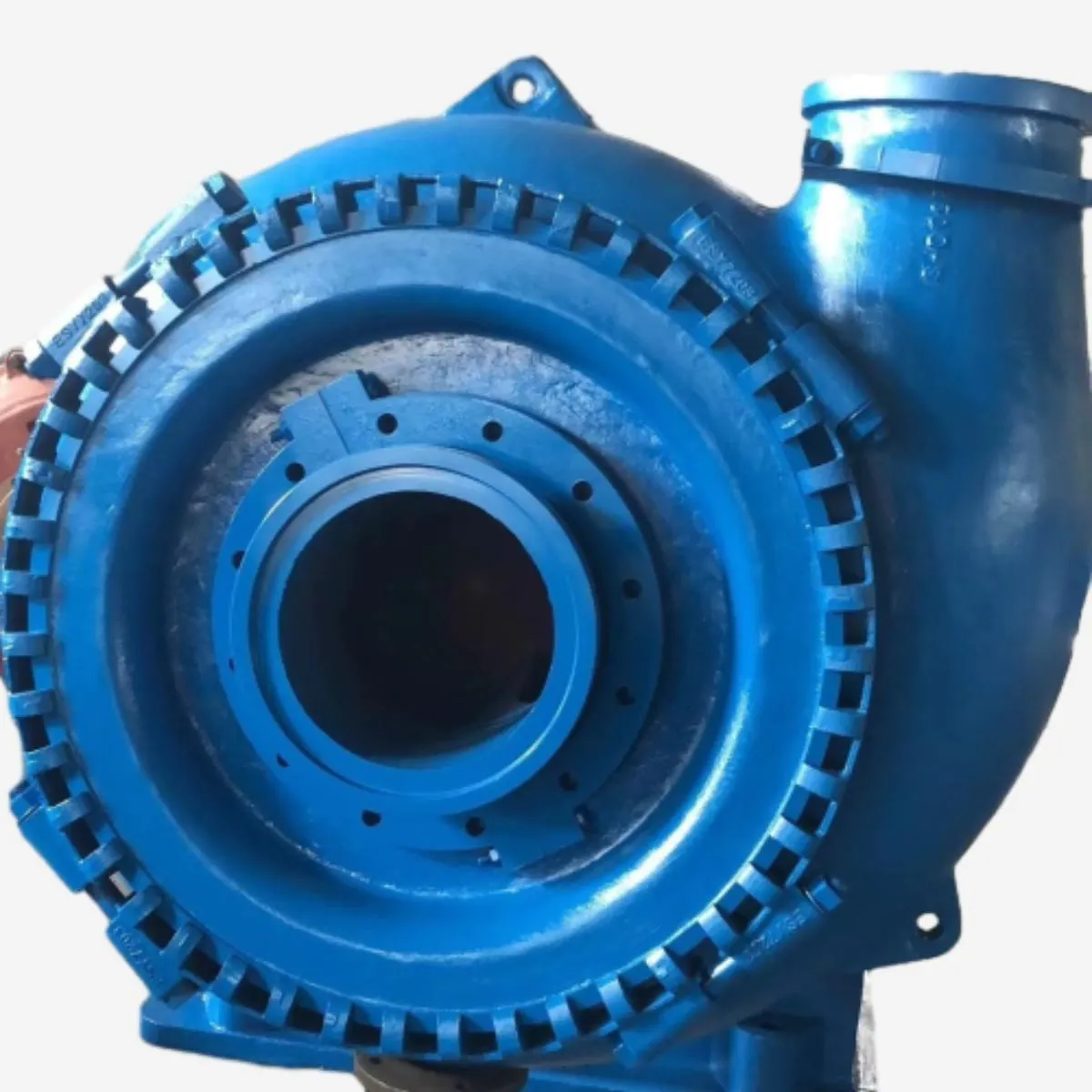
Introduction
Froth slurry pumps are specialized centrifugal pumps designed for the challenging task of transporting aerated slurries. These slurries, typically found in froth flotation processes within the mining, mineral processing, and wastewater treatment industries, present unique hydraulic characteristics due to the presence of significant gas volume fractions. Unlike standard slurry pumps handling dense, abrasive mixtures, froth slurry pumps must effectively manage a fluid with low specific gravity, high compressibility, and a tendency to separate phases. Their technical position in the processing chain is critical, directly impacting the efficiency of downstream processes such as concentrate handling and tailings management. Core performance metrics include volumetric flow rate, head pressure, and the ability to maintain pump efficiency across a wide range of froth densities and gas holdups. A key challenge for end-users is selecting a pump capable of consistent operation without gas locking or excessive wear from entrained solids.
Material Science & Manufacturing
The selection of materials for froth slurry pump construction is paramount, given the corrosive and abrasive nature of the handled fluids. Pump casings are frequently constructed from high-chrome cast iron (typically 27-30% chromium) offering excellent resistance to abrasive wear, particularly in applications handling sand and mineral particles. Impeller materials commonly include high-chrome iron, duplex stainless steels (such as 2205 or 2507), and in severe cases, specialized alloys like super duplex stainless steels or nickel-hardened iron. The choice depends heavily on the slurry’s pH, chemical composition, and abrasive particle size distribution. Liners, protecting the casing from erosion, are typically made of rubber compounds – natural rubber, butyl rubber, or synthetic rubbers like polyurethane – chosen for their elasticity and resistance to specific chemicals. Manufacturing processes involve precision casting for the casing and impeller, followed by machining to tight tolerances. Impeller balancing is crucial to minimize vibration and bearing wear. Welding processes, where employed, require qualified procedures to prevent metallurgical changes in the heat-affected zone, particularly with stainless steel components. Key parameter control includes maintaining consistent chromium content in castings, achieving specified hardness levels, and ensuring proper bonding between liners and the casing. Rubber liner vulcanization requires precise temperature and pressure control for optimal adhesion.
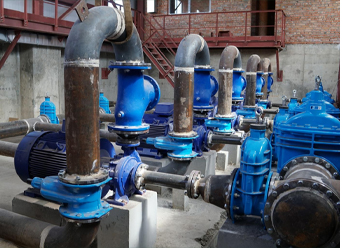
Performance & Engineering
The performance of a froth slurry pump is fundamentally governed by the principles of centrifugal pump hydraulics, but significantly modified by the presence of gas. Force analysis must account for the reduced density of the froth slurry, leading to lower hydraulic forces compared to dense slurries. The pump's Net Positive Suction Head Required (NPSHr) is considerably higher due to the lower density and increased vapor pressure of the aerated fluid, increasing the risk of cavitation if insufficient suction head is available. Environmental resistance considerations include temperature extremes and exposure to corrosive atmospheres. Pump seals are critical components, often utilizing mechanical seals with double seals and barrier fluid systems to prevent leakage and ingress of abrasive particles. Compliance requirements vary by region and application, but typically include adherence to safety standards (e.g., ATEX certification for explosive atmospheres) and environmental regulations concerning discharge limits. The pump’s volute casing is designed to manage the two-phase flow characteristics of froth, with larger flow passages and optimized impeller geometry to minimize gas separation and maintain stable pump performance. Hydraulic modeling and Computational Fluid Dynamics (CFD) are increasingly used to optimize pump designs for specific froth characteristics, ensuring efficient transport and minimizing energy consumption. Careful consideration is given to pump speed, impeller diameter, and casing size to match the specific application requirements.
Technical Specifications
| Capacity (m³/hr) | Head (m) | Motor Power (kW) | Maximum Solids Concentration (%) | Gas Holdup (%) | Maximum Particle Size (mm) |
|---|---|---|---|---|---|
| 5 - 50 | 5 - 40 | 1.5 - 30 | Up to 60 | Up to 80 | 25 |
| 10 - 80 | 10 - 60 | 4 - 45 | Up to 70 | Up to 85 | 50 |
| 20 - 150 | 20 - 80 | 11 - 90 | Up to 65 | Up to 90 | 75 |
| 50 - 300 | 40 - 120 | 37 - 150 | Up to 60 | Up to 80 | 100 |
| 100-500 | 60-150 | 75-250 | Up to 55 | Up to 75 | 150 |
| 200-800 | 80-200 | 150-400 | Up to 50 | Up to 70 | 200 |
Failure Mode & Maintenance
Froth slurry pumps are susceptible to several failure modes unique to their application. Gas locking, where gas accumulates within the pump casing, preventing fluid flow, is a common issue, particularly during start-up or fluctuating feed conditions. Cavitation, exacerbated by the low density and high NPSHr requirements, causes impeller erosion and reduces pump efficiency. Abrasive wear, from entrained solids, damages the impeller, casing, and liners, leading to reduced performance and increased energy consumption. Shaft deflection, caused by radial forces from imbalance or bearing wear, can lead to seal failure and pump vibration. Failure analysis typically involves visual inspection for erosion, corrosion, and cracking; non-destructive testing (NDT) such as ultrasonic testing (UT) and liquid penetrant inspection (LPI) to detect internal flaws; and metallurgical analysis to determine the root cause of material failure. Preventative maintenance includes regular impeller and casing inspections, seal replacement, bearing lubrication, and vibration monitoring. Proper pump priming and venting procedures are crucial to prevent gas locking. Implementing a robust wear parts replacement schedule, based on operating hours and slurry characteristics, minimizes downtime and extends pump lifespan. Regular alignment checks are essential to prevent shaft deflection and seal failure.
Industry FAQ
Q: What is the primary difference between a froth slurry pump and a standard centrifugal slurry pump?
A: The key difference lies in their hydraulic design and handling of gas. Standard slurry pumps are optimized for dense, abrasive slurries, while froth slurry pumps are specifically engineered to manage aerated fluids with low specific gravity and high compressibility. Froth pumps have larger flow passages, modified impeller geometry, and higher NPSHr requirements to prevent gas locking and maintain efficient pumping of froth.
Q: How do I prevent gas locking in a froth slurry pump?
A: Proper priming and venting are crucial. Ensure the pump casing is fully primed with liquid before start-up. Install venting valves at high points in the suction and discharge lines to release trapped gas. Maintain sufficient suction head to avoid cavitation. Consider using an inducer to improve suction performance. Implement automated control systems to regulate slurry flow and prevent fluctuations that can lead to gas accumulation.
Q: What material selection considerations are most important for corrosive froth slurries?
A: The slurry’s pH, chemical composition, and temperature are critical. Duplex stainless steels (2205, 2507) offer excellent corrosion resistance in many applications. Super duplex stainless steels are recommended for highly corrosive environments. Rubber liners provide protection against chemical attack and abrasion. Ensure compatibility between the pump materials and the slurry’s constituents to prevent premature failure.
Q: How often should I inspect the pump for wear?
A: Inspection frequency depends on the abrasive nature of the slurry and operating hours. As a general guideline, inspect the impeller, casing, and liners every 6-12 months, or more frequently in severe applications. Monitor pump performance parameters (flow rate, head, power consumption) for any degradation, which may indicate wear. Implement a wear parts replacement schedule based on inspection findings.
Q: What are the common causes of cavitation in froth slurry pumps and how can they be mitigated?
A: Cavitation is often caused by insufficient suction head (low NPSHa), excessive pump speed, or restrictions in the suction line. Mitigation strategies include increasing suction head, reducing pump speed, ensuring adequate suction line diameter, removing any obstructions in the suction line, and optimizing the impeller design. Regular monitoring of NPSHr and NPSHa is essential.
Conclusion
Froth slurry pumps represent a specialized pumping solution vital for efficient mineral processing and wastewater treatment. Successful application requires a thorough understanding of froth slurry characteristics, careful material selection, optimized hydraulic design, and proactive maintenance strategies. Addressing the inherent challenges of gas handling and abrasive wear is crucial for maximizing pump reliability and minimizing operational costs.
Advancements in pump design, materials science, and control systems are continually improving the performance and longevity of froth slurry pumps. Future trends include the development of more wear-resistant materials, advanced impeller geometries optimized for froth handling, and the integration of predictive maintenance technologies based on sensor data and machine learning. Selecting a pump from a reputable supplier, with expertise in froth slurry applications, remains paramount for ensuring long-term operational success.
-
Effluent vs Sump Pump Performance Analysis
News2026-05-22
-
effluent septic pump Performance Engineering
News2026-05-22
-
best sewer pumps Performance Engineering
News2026-05-22
-
best sewer pump Performance Analysis
News2026-05-22
-
best sewage pumps Performance Engineering
News2026-05-22
-
basement bathroom sewage pump Material Science Manufacturing
News2026-05-21
-
wastewater treatment plant pumps Material Science Manufacturing
News2026-05-21
-
waste water pump for basement Material Science Manufacturing
News2026-05-21
-
sump pump sewage Performance Analysis
News2026-05-21
-
sump pump for sewage Material Science and Manufacturing
News2026-05-21
-
sump pump for septic systems Material Science Manufacturing
News2026-05-20
-
sump pump and ejector pump Material Science Manufacturing
News2026-05-20
-
sewage treatment plant pumps Performance Analysis
News2026-05-20
-
sewage tank pump Material Science and Manufacturing
News2026-05-20
-
sewage pump for septic tank Performance Analysis
News2026-05-20




